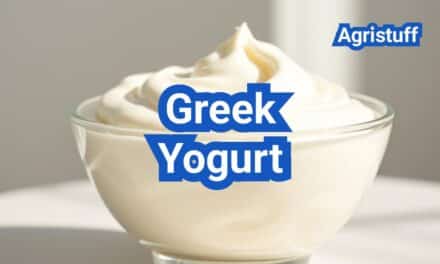

Americans have embraced a thick, creamy dairy product that transformed breakfast habits nationwide. This nutrient-dense snack offers significant health advantages, becoming a staple for health-conscious individuals across North America.
Many people choose this strained variety for its impressive protein levels. Whether enjoyed plain or mixed with fruit, it provides a satisfying experience. Discovering high-quality options remains essential for those seeking optimal nutrition.
Understanding why this specific food item dominates shelves helps consumers make better choices. From culinary applications to daily wellness, exploring this dairy phenomenon reveals why it remains a top choice for millions.
Key Takeaways
- High protein content supports muscle health and satiety.
- Versatile texture allows for both sweet and savory cooking.
- Popularity stems from a shift toward healthier dietary patterns.
- Strained production methods create a thicker, richer consistency.
- Proper selection ensures maximum nutritional benefits for daily meals.
The Rise of Greek Yogurt In The U.S.

In recent years, the U.S. has witnessed a significant rise in the consumption of Greek yogurt, driven by its health benefits and culinary uses. Greek yogurt has become a favorite among Americans due to its high protein content and versatility in recipes.
The nutritional benefits of Greek yogurt are a major factor in its popularity. It is rich in protein, which is essential for muscle repair and growth. Additionally, Greek yogurt contains probiotics, which support gut health and immune function.
Nutritional Benefits of Greek Yogurt
| Nutrient | Benefit |
|---|---|
| High Protein Content | Supports muscle repair and growth |
| Probiotics | Promotes gut health and immune function |
| Calcium | Essential for bone health |
Greek yogurt’s versatility in recipes has also contributed to its popularity. It can be used as a base for smoothies, as a substitute for sour cream or mayonnaise in recipes, and as an ingredient in baking.
The increasing demand for Greek yogurt has led to a proliferation of brands and flavors in the market. Consumers can choose from a wide range of options, including nonfat, low-fat, and full-fat versions, as well as various flavors and brands.
Popular Uses of Greek Yogurt
- As a base for smoothies and parfaits
- As a substitute for sour cream or mayonnaise in recipes
- As an ingredient in baking, adding moisture and tenderness
- As a topping for oatmeal or fruit
Greek Yogurt vs Regular Yogurt: Understanding the Differences

Understanding the differences between Greek yogurt and regular yogurt requires a closer look at how they’re made. The primary distinction lies in the straining process, which significantly affects their texture and nutritional content.
The Straining Process Explained | Greek Yogurt In The U.S.
Greek yogurt is strained through a cheesecloth or a fine mesh to remove excess liquid, known as whey. This process, which can take several hours, results in a thicker, creamier yogurt with a higher protein content compared to regular yogurt.
The straining process is crucial as it not only thickens the yogurt but also concentrates the protein, making Greek yogurt a popular choice among fitness enthusiasts and health-conscious consumers.
“The straining process removes excess liquid, resulting in a more concentrated product with a richer texture.”
Texture and Consistency Variations | Greek Yogurt In The U.S.
The texture and consistency of Greek yogurt are notably different from those of regular yogurt. While regular yogurt has a thinner consistency and a more liquid texture, Greek yogurt is thick and creamy.
| Characteristics | Greek Yogurt | Regular Yogurt |
|---|---|---|
| Texture | Thick and creamy | Thin and liquid |
| Protein Content | Higher | Lower |
| Straining Process | Yes, through cheesecloth or fine mesh | No straining process |
The differences in texture and consistency are directly related to the straining process. Greek yogurt’s thicker consistency makes it a versatile ingredient for both sweet and savory dishes.
- Greek yogurt is often used in baking and cooking due to its thick texture.
- Regular yogurt is commonly consumed as is or used in smoothies.
Greek Yogurt Nutrition Facts and Health Benefits

With its rich protein content and various health benefits, Greek yogurt is a nutritious addition to a balanced diet. Greek yogurt’s nutritional profile is characterized by its high protein content, making it an attractive option for those looking to increase their protein intake.
Analyzing Greek Yogurt Protein Content | Greek Yogurt In The U.S.
One of the standout features of Greek yogurt is its high protein content. The straining process involved in making Greek yogurt removes excess liquid, resulting in a thicker, creamier yogurt that is also higher in protein compared to regular yogurt. Some brands offer up to 20 grams of protein per serving, making it an excellent choice for post-workout nutrition or as a protein-rich snack.
The protein in Greek yogurt is primarily casein, a slow-digesting protein that can help with satiety and muscle recovery. This makes Greek yogurt particularly beneficial for athletes and individuals with high protein requirements.
Understanding Greek Yogurt Added Sugar | Greek Yogurt In The U.S.
While Greek yogurt is nutritious, some flavored varieties can be high in added sugars. It’s essential for consumers to be aware of the sugar content, especially if they are monitoring their sugar intake. Checking the nutrition label can help identify how much sugar is naturally occurring versus added during processing.
Opting for plain, unflavored Greek yogurt is a good strategy for minimizing added sugar intake. Consumers can then add their own fruits or honey to control the amount of sugar in their yogurt.
How to Choose Greek Yogurt at the Grocery Store

The key to selecting a great Greek yogurt lies in understanding its nutritional content and production process. When you’re at the grocery store, you’re faced with numerous options, making it essential to know what to look for.
Evaluating Labels and Ingredients | Greek Yogurt In The U.S.
To make an informed decision, it’s crucial to evaluate the labels on Greek yogurt containers. Look for the protein content, as Greek yogurt is known for its high protein levels. Check the ingredient list for added sugars, artificial flavors, and the type of milk used.
Here are key factors to consider:
- Protein content: Higher protein is often associated with better quality Greek yogurt.
- Added sugars: Opt for yogurts with less added sugar for a healthier option.
- Fat content: Decide between whole milk, low-fat, or nonfat based on your dietary needs.
Whole Milk Greek Yogurt vs Nonfat Greek Yogurt
One of the significant decisions when choosing Greek yogurt is whether to go for whole milk or nonfat versions. Whole milk Greek yogurt contains more calories and fat but can be more satiating and rich in flavor. Nonfat Greek yogurt, on the other hand, is lower in calories but might lack the creaminess of its whole milk counterpart.
| Type | Calories per Serving | Fat Content | Protein Content |
|---|---|---|---|
| Whole Milk Greek Yogurt | 150-200 | High | 15-20g |
| Nonfat Greek Yogurt | 80-150 | Low | 15-20g |
Ultimately, the choice between whole milk and nonfat Greek yogurt depends on your dietary preferences and needs. Consider your calorie intake, fat requirements, and personal taste preferences when making your decision.
Best Greek Yogurt for Breakfast and Daily Consumption

For a protein-packed breakfast, consider incorporating Greek yogurt into your morning routine. Greek yogurt is not only a good source of protein but also offers versatility in how it can be consumed.
One of the simplest ways to enjoy Greek yogurt is by pairing it with other nutritious foods. Fruits and grains are excellent choices to complement the creamy texture and tangy flavor of Greek yogurt.
Pairing with Fruits and Grains | Greek Yogurt In The U.S.
Combining Greek yogurt with fruits adds natural sweetness and extra fiber, making for a satisfying breakfast. Berries, bananas, and mangoes are popular fruit choices that go well with Greek yogurt. Adding some granola or oats introduces a crunchy texture and provides additional fiber.
Nutritional Benefits of Pairing Greek Yogurt with Fruits and Grains:
| Food Combination | Protein Content | Fiber Content |
|---|---|---|
| Greek Yogurt with Berries | 20 grams | 4 grams |
| Greek Yogurt with Banana and Granola | 25 grams | 6 grams |
| Greek Yogurt with Mango and Oats | 22 grams | 5 grams |
Incorporating Plain Greek Yogurt into Your Routine
Incorporating plain Greek yogurt into your daily routine can be straightforward. You can use it as a base for smoothies, as a topping for oatmeal or pancakes, or as a substitute for sour cream in recipes.
Tips for Incorporating Plain Greek Yogurt:
- Use it as a base for homemade salad dressings.
- Add it to your favorite smoothie recipe for extra creaminess.
- Replace sour cream with Greek yogurt in baked goods recipes.
By incorporating Greek yogurt into your breakfast and daily meals, you can enjoy a boost in protein and calcium, supporting overall health and wellness.
Greek Yogurt for Meal Prep and Storage

Greek yogurt is an excellent choice for meal prep due to its high protein content and versatility. It can be easily incorporated into various meals and snacks, making it a great addition to a healthy diet.
One of the key benefits of using Greek yogurt in meal prep is its ability to be portioned out for the week. By dividing it into individual servings, you can ensure a quick and healthy snack or breakfast throughout the week.
Portioning for the Week | Greek Yogurt In The U.S.
To portion Greek yogurt effectively, consider the following steps:
- Divide the yogurt into individual containers or ramekins.
- Add your choice of fruits, nuts, or granola to each portion.
- Store them in the refrigerator for up to 5 days.
Maintaining Freshness and Quality | Greek Yogurt In The U.S.
To keep Greek yogurt fresh, it’s essential to store it properly. Here are some tips:
- Always store Greek yogurt in the refrigerator at a temperature below 40°F (4°C).
- Keep the containers sealed tightly to prevent contamination and spoilage.
- Check the yogurt regularly for any signs of spoilage, such as an off smell or slimy texture.
By following these guidelines, you can enjoy Greek yogurt as a convenient and healthy part of your meal prep routine.
Using Greek Yogurt for Smoothies

When it comes to creating smoothies, Greek yogurt is an excellent addition for those seeking a creamy texture. Greek yogurt not only enhances the texture but also boosts the protein content of your smoothies, making them more satisfying and filling.
One of the primary benefits of using Greek yogurt in smoothies is its ability to add a rich, creamy texture without the need for additional thickeners or creamers. This is particularly beneficial for those looking to create a healthier version of their favorite smoothies.
Achieving the Perfect Creamy Texture | Greek Yogurt In The U.S.
To achieve the perfect creamy texture in your smoothies, it’s essential to choose the right type of Greek yogurt. Full-fat Greek yogurt will give you a richer and creamier texture compared to non-fat versions. However, non-fat Greek yogurt can still produce a smooth and satisfying texture, especially when combined with other ingredients like frozen fruits or bananas.
- Choose full-fat or non-fat Greek yogurt based on your dietary preferences.
- Add frozen fruits to enhance thickness and chill.
- Include a banana for natural sweetness and creaminess.
- Adjust the amount of milk or juice to achieve your desired consistency.
Balancing Flavors with Other Ingredients | Greek Yogurt In The U.S.
Balancing flavors is crucial when making smoothies with Greek yogurt. The tanginess of the yogurt can be offset by the natural sweetness of fruits. For example, combining Greek yogurt with berries or mango can create a delicious and balanced flavor profile.
| Ingredient | Quantity |
|---|---|
| Greek Yogurt | 1/2 cup |
| Frozen Berries | 1 cup |
| Honey | 1 tsp |
| Milk/Almond Milk | 1/2 cup |
Feel free to experiment with different combinations of fruits, nuts, and spices to find your perfect blend. The versatility of Greek yogurt makes it an ideal base for a wide range of smoothie flavors.
Greek Yogurt for Cooking and Baking

Greek yogurt can enhance both the moisture and flavor of various dishes, making it a great ingredient for cooking and baking. Its thick and creamy texture makes it an ideal substitute for other ingredients, adding a tangy flavor to recipes.
Substituting Greek Yogurt for Sour Cream
One of the most common uses of Greek yogurt in cooking and baking is as a substitute for sour cream. This substitution works well because Greek yogurt has a similar consistency and a tangy flavor profile. To substitute Greek yogurt for sour cream, you can use it as a 1:1 ratio in most recipes.
Using Greek yogurt instead of sour cream can also reduce the calorie and fat content of your dishes. For example, a cup of full-fat sour cream contains around 480 calories and 48 grams of fat, whereas a cup of full-fat Greek yogurt contains approximately 150 calories and 10 grams of fat.
Adjusting Recipes for Moisture and Tang | Greek Yogurt In The U.S.
When using Greek yogurt in recipes, it’s essential to adjust the other ingredients to achieve the right balance of moisture and flavor. Greek yogurt adds moisture, so you may need to reduce the amount of other liquid ingredients in the recipe. Additionally, its tangy flavor can affect the overall taste, so you might need to adjust the amount of sugar or other seasonings.
| Ingredient | Sour Cream | Greek Yogurt |
|---|---|---|
| Calories per Cup | 480 | 150 (full-fat) |
| Fat per Cup | 48g | 10g (full-fat) |
| Tanginess Level | High | High |
| Texture | Creamy | Thick and Creamy |
By understanding how to substitute Greek yogurt for sour cream and adjust recipes accordingly, you can create healthier and flavorful dishes. Experimenting with Greek yogurt in your cooking and baking can lead to new favorite recipes and a more balanced diet.
Greek Yogurt and Lactose Intolerance

For individuals with lactose intolerance, finding dairy products that are easy to digest can be a challenge, but Greek yogurt may offer a solution. Lactose intolerance is a condition where people have symptoms due to the decreased ability to digest lactose, a sugar found in milk and other dairy products. The straining process involved in making Greek yogurt reduces its lactose content, making it more tolerable for some individuals.
Tolerating Greek Yogurt
The process of straining Greek yogurt removes much of the whey, resulting in a product with lower lactose levels compared to regular yogurt. This reduction in lactose content is a key reason why some people with lactose intolerance may find Greek yogurt easier to digest. Additionally, Greek yogurt contains live and active cultures, which can aid in lactose digestion.
Live and active cultures in Greek yogurt, such as Lactobacillus bulgaricus and Streptococcus thermophilus, help break down lactose, making it more tolerable for individuals with lactose intolerance.
Sensitive Stomachs and Greek Yogurt
For those with sensitive stomachs, introducing Greek yogurt into their diet can be done gradually to assess tolerance. Starting with small amounts allows the body to adjust. It’s also beneficial to choose plain, unflavored Greek yogurt to avoid added sugars that can irritate the stomach.
- Begin with a small serving size to test tolerance.
- Choose plain, unflavored varieties to avoid added sugars.
- Consider pairing Greek yogurt with other foods to further reduce potential discomfort.
By being mindful of portion sizes and ingredients, individuals with lactose intolerance can enjoy the nutritional benefits of Greek yogurt while minimizing potential discomfort.
Ensuring Greek Yogurt Food Safety
To enjoy Greek yogurt at its best, it’s essential to understand the basics of its food safety. Greek yogurt is a nutritious food that provides protein, calcium, and probiotics, but like any dairy product, it can be a breeding ground for bacteria if not handled properly.
Proper Storage Temperatures | Greek Yogurt In The U.S.
To maintain the safety and quality of Greek yogurt, it’s crucial to store it at the correct refrigerator temperature. The ideal storage temperature is at or below 40°F (4°C). This temperature slows down the growth of harmful bacteria, keeping the yogurt fresh for a longer period.
Refrigeration is key to extending the shelf life of Greek yogurt. Always check the temperature of your refrigerator to ensure it’s within the safe range. Most refrigerators have a temperature control that allows you to adjust the setting. It’s also a good practice to store Greek yogurt in the coldest part of the refrigerator, usually at the back or bottom shelf.
Identifying Signs of Spoilage | Greek Yogurt In The U.S.
Even when stored properly, Greek yogurt can go bad. It’s essential to know the signs of spoilage to avoid consuming spoiled yogurt. Common signs include an off smell, slimy texture, or mold growth. If you notice any of these signs, it’s best to discard the yogurt.
| Condition | Safe/Unsafe | Description |
|---|---|---|
| Temperature at or below 40°F (4°C) | Safe | Proper refrigerator temperature for storing Greek yogurt. |
| Off smell or slimy texture | Unsafe | Signs of spoilage; discard the yogurt. |
| Mold growth | Unsafe | Visible mold indicates the yogurt has gone bad. |
| Stored in the coldest part of the refrigerator | Safe | Best practice for maintaining freshness. |
By following these guidelines for proper storage and being aware of the signs of spoilage, consumers can enjoy Greek yogurt while maintaining food safety.
Creative Culinary Applications for Greek Yogurt

Exploring the culinary applications of Greek yogurt reveals its potential in enhancing both flavor and texture. Greek yogurt is a versatile ingredient that can be used in a variety of dishes, from savory dips and sauces to marinades for meats and vegetables.
Creating Savory Dips and Sauces | Greek Yogurt In The U.S.
One of the most popular uses of Greek yogurt is in creating savory dips and sauces. Its creamy texture and tangy flavor make it an ideal base for dips like tzatziki, a traditional Greek condiment made with yogurt, cucumbers, garlic, and dill.
To make a simple tzatziki sauce, combine Greek yogurt with grated cucumber, minced garlic, chopped fresh dill, lemon juice, salt, and a drizzle of olive oil. This refreshing sauce is perfect for accompanying grilled meats or as a dip for pita bread.
| Dip/Sauce | Main Ingredients | Usage |
|---|---|---|
| Tzatziki Sauce | Greek yogurt, cucumber, garlic, dill | Grilled meats, pita bread |
| Ranch Dip | Greek yogurt, herbs (like parsley, dill), garlic powder | Vegetables, chips |
| Spinach and Artichoke Dip | Greek yogurt, spinach, artichoke hearts, Parmesan cheese | Chips, crackers |
Using Yogurt in Marinades | Greek Yogurt In The U.S.
Greek yogurt is also an excellent ingredient for marinades. Its acidity helps to tenderize meats, while its creaminess adds moisture and flavor.
For a simple marinade, mix Greek yogurt with lemon juice, garlic, and your choice of herbs (such as cumin, coriander, or paprika). This marinade is particularly good for chicken or lamb, as it adds a rich, tangy flavor.
By incorporating Greek yogurt into your cooking repertoire, you can create a variety of delicious and healthy dishes. Whether you’re making dips, sauces, or marinades, Greek yogurt is a versatile ingredient that can enhance both flavor and texture.
Navigating the Greek Yogurt Market in USA
The USA’s Greek yogurt market offers a wide array of choices for consumers, ranging from various brands to different production methods. As consumers become more health-conscious and discerning about their dietary choices, understanding the nuances of the Greek yogurt market becomes increasingly important.
With numerous brands available, identifying quality can be challenging. Quality brands are those that prioritize consumer health, use high-quality ingredients, and adhere to stringent production standards.
Identifying Quality Brands | Greek Yogurt In The U.S.
When looking for quality Greek yogurt, several factors come into play. Consumers should check the ingredient list for minimal added sugars, the presence of live and active cultures, and the type of milk used. Non-fat, low-fat, and whole milk options cater to different dietary needs and preferences.
Some brands stand out for their commitment to quality. For instance, brands that source their milk from local farms or use grass-fed cows often produce yogurt with a richer nutritional profile.
Understanding Organic and Grass-Fed Options | Greek Yogurt In The U.S.
The terms “organic” and “grass-fed” refer to specific production methods that can impact the nutritional content and environmental sustainability of Greek yogurt. Organic Greek yogurt is made from milk produced without synthetic fertilizers, pesticides, or genetically modified organisms (GMOs).
Grass-fed Greek yogurt, on the other hand, comes from cows that are fed grass rather than grains. This can result in yogurt with a different fatty acid profile, potentially higher in omega-3 fatty acids and conjugated linoleic acid (CLA).
Understanding these labels can help consumers make informed choices that align with their dietary preferences and values.
Common Mistakes When Using Greek Yogurt

Using Greek yogurt in cooking requires some finesse to avoid common pitfalls. Greek yogurt is a versatile ingredient that can enhance the texture and flavor of various dishes, but it can also be tricky to work with if you’re not aware of its limitations.
One of the primary concerns when using Greek yogurt is its tendency to curdle or separate when exposed to heat or mixed with certain ingredients. Understanding how to manage these issues is crucial for achieving the desired results in your recipes.
Avoiding Curdling in Hot Dishes | Greek Yogurt In The U.S.
Curdling occurs when the proteins in the yogurt coagulate due to high temperatures, resulting in an unappealing texture. To avoid this, it’s essential to add Greek yogurt towards the end of the cooking process, so it’s heated gently and briefly. You can also temper the yogurt by gradually adding a small amount of the hot dish to the yogurt, stirring constantly, before incorporating it into the main recipe.
Tempering Greek Yogurt: Gradually add a small amount of the hot liquid to the yogurt, stirring constantly, to prevent curdling.
Managing Water Separation | Greek Yogurt In The U.S.
Another common issue with Greek yogurt is water separation, which can occur when it’s mixed with other ingredients or exposed to heat. To manage this, you can stir the yogurt well before using it, or add a stabilizer like cornstarch or flour to help maintain its texture.
Tip: Stirring the yogurt thoroughly before adding it to a recipe can help minimize water separation.
| Method | Description | Effectiveness |
|---|---|---|
| Tempering | Gradually adding hot liquid to yogurt | High |
| Adding towards the end of cooking | Incorporating yogurt at the last minute of cooking | Medium |
| Using a stabilizer | Adding cornstarch or flour to the yogurt | High |
At The End of: Greek Yogurt In The U.S.
Greek yogurt has become a staple in many American households, and for good reason. Its numerous greek yogurt benefits, including high protein content and versatility in recipes, make it an excellent addition to a healthy diet. From breakfast and snacks to cooking and baking, the uses of Greek yogurt are vast and varied.
As discussed, Greek yogurt offers a range of greek yogurt uses, from being a base for smoothies and a substitute for sour cream in recipes, to being a key ingredient in savory dips and sauces. Its nutritional profile, including high protein and low sugar content when unflavored, makes it a popular choice for health-conscious consumers.
By understanding how to choose the right Greek yogurt at the grocery store, incorporating it into daily routines, and using it in creative culinary applications, individuals can reap the rewards of this nutritious food. Whether you’re looking to boost your protein intake or simply add some excitement to your meals, Greek yogurt is a great option to consider.
FAQ
What is the main difference when comparing Greek yogurt vs regular yogurt?
The primary distinction lies in the straining process. Greek yogurt is strained multiple times to remove the liquid whey, resulting in a much thicker, creamier consistency and a higher concentration of Greek yogurt protein compared to traditional American-style yogurts.
How can I identify the best Greek yogurt for breakfast at the grocery store?
When learning how to choose Greek yogurt, look for short ingredient lists and high protein counts. Brands like Fage Total or Chobani Non-Fat are excellent choices. Ideally, select plain Greek yogurt to avoid the high levels of Greek yogurt added sugar often found in fruit-flavored varieties.
Is whole milk Greek yogurt healthier than nonfat Greek yogurt?
It depends on your nutritional goals. Whole milk Greek yogurt, such as the organic options from Stonyfield, provides heart-healthy fats and a more satiating flavor profile. However, if you are monitoring caloric intake, nonfat Greek yogurt offers the same high protein benefits with fewer calories.
Why is Greek yogurt protein so beneficial for those on a fitness plan?
Because the liquid is removed, the protein is concentrated. A standard serving of Greek yogurt in the U.S. can contain 15 to 20 grams of protein, which is nearly double that of regular yogurt. This makes it an essential tool for muscle recovery and appetite control.
Is Greek yogurt healthier than regular yogurt?
Greek Yogurt In The U.S. is not automatically healthier in every case, because the better choice depends on protein needs, sugar content, fat level, and how you use it. Plain Greek yogurt often wins on protein density and kitchen versatility, but a flavored product can lose that advantage quickly if added sugars are high. FDA added sugars explanation
Is Greek yogurt a good option for people with lactose sensitivity?
Greek Yogurt In The U.S. may be easier for some lactose-sensitive people to tolerate than milk because yogurt cultures can improve lactose digestion and straining may reduce lactose further. That said, tolerance varies, so it is still smart to start with a small portion and choose plain cultured products. Systematic review on yogurt tolerance
What type is best for cooking and sauces?
Greek Yogurt In The U.S. is usually easiest to cook with when it is plain and reasonably thick, because flavored versions can clash with savory food and thinner products break more easily. Higher-fat styles often perform better in hot applications, especially when stirred in gently rather than boiled. Missouri Extension cooking guidance
Can Greek yogurt replace sour cream or mayonnaise?
Greek Yogurt In The U.S. can replace sour cream or mayonnaise in many dips, dressings, spreads, and cold toppings, especially when you want tang with a lighter feel. The best strategy is to use plain yogurt and adjust seasoning, acidity, and thickness rather than expecting an exact flavor match on the first try. Illinois Extension swap chart
Should I worry about raw-milk yogurt products?
Greek Yogurt In The U.S. is safest when it is clearly made from pasteurized milk, particularly for pregnant people, children, older adults, and anyone with a weakened immune system. Raw-milk dairy products carry added food-safety risk, so label checking matters if you are shopping outside mainstream grocery channels. FDA raw milk safety information
Can I freeze Greek yogurt?
Greek Yogurt In The U.S. can be frozen safely, but texture usually changes after thawing, which makes it less ideal for fresh spoonable eating. Frozen yogurt is generally better reused in smoothies, baking, or cooking than served plain from the container. Missouri Extension freezing note
Can I use Greek yogurt substitute for sour cream in savory recipes?
Yes, Greek yogurt for cooking is a popular and healthy alternative. Its natural tang and thick texture make it an almost identical swap for sour cream in tacos, soups, and dips. Brands with a smooth consistency, like Wallaby Organic, work particularly well for this purpose.
What should I know about Greek yogurt nutrition facts regarding sugar?
Many consumers are surprised by the Greek yogurt added sugar in “healthy” looking containers. While lactose provides some natural sugar, flavored versions from brands like Oikos or Dannon can contain as much sugar as a dessert. Always check the label for “Added Sugars” to ensure you are getting a nutritious product.
Is it safe to use Greek yogurt for smoothies if I am lactose intolerant?
Many people find a positive link between Greek yogurt and lactose intolerance. The straining process removes a large portion of the lactose-rich whey, and the live active cultures help break down the remaining sugars. Using plain Greek yogurt in a smoothie is often much easier on the stomach than using milk or cream.
What are the best practices for Greek yogurt for meal prep and storage?
To maintain freshness, portion your yogurt into airtight glass containers. When using Greek yogurt for meal prep, add dry toppings like granola or nuts only right before eating to prevent sogginess. Always follow Greek yogurt food safety guidelines by keeping it refrigerated at 40°F or below.
How has the popularity of Greek yogurt in USA changed the dairy industry?
The rise of Greek yogurt in the U.S. has been meteoric over the last two decades. Led by innovators like Hamdi Ulukaya of Chobani, the market shifted from thin, sugary snacks toward high-protein, functional foods, forcing traditional dairy giants to adapt their offerings to meet the demand for “Greek-style” products.
What are the signs of spoilage according to Greek yogurt food safety standards?
While a small amount of clear liquid (whey) on top is normal, you should discard the yogurt if you see mold, notice a sharp or rancid odor, or if the texture becomes unusually bubbly. Following these Greek yogurt food safety steps ensures you avoid foodborne illnesses.
Conclusion of: Greek Yogurt In The U.S.
Greek Yogurt In The U.S. has moved far beyond a niche imported dairy item and become a mainstream staple in American supermarkets, meal-prep routines, lunchboxes, and home kitchens. Shoppers are drawn to it because it is thick, versatile, and often marketed as a higher-protein option than standard yogurt, which makes it useful for breakfasts, snacks, savory sauces, and lighter recipe swaps. FDA high-protein yogurt update
Greek Yogurt In The U.S. also fits neatly into current American eating habits because it can serve multiple goals at once: convenience, satiety, portion control, and flexible use across sweet and savory meals. Whether you buy a plain family-size tub for weekly meal prep or a flavored single-serve cup for an afternoon snack, choosing well comes down to understanding protein, texture, fat level, added sugar, and intended use. USDA yogurt ideas
What Greek yogurt means in the U.S. market
Greek Yogurt In The U.S. is best understood as a thick cultured dairy food that is commonly associated with straining or other protein-concentrating methods, but the category is still evolving from a regulatory standpoint. The FDA has noted that there is no separate standard of identity specifically for high-protein yogurt, even though consumers and manufacturers often use terms such as Greek yogurt and Greek-style yogurt in the marketplace. FDA yogurt standard overview
Greek Yogurt In The U.S. gets its thicker body from concentrating the yogurt so that more whey is removed or milk solids are adjusted, which changes texture and makes the spoon feel denser and creamier than regular yogurt. That physical difference is a major reason it works better in dips, bowls, marinades, and toppings where a runny texture would weaken the final dish. NIH review on yogurt as a protein source
Why protein is such a big part of the conversation
Greek Yogurt In The U.S. is widely chosen for protein because concentrating the yogurt generally raises protein per serving compared with many regular yogurt products. In practical terms, that means it can help breakfast last longer, make a snack more filling, and offer a simple way to pair fruit or granola with a more substantial protein base. USDA FoodData Central Greek yogurt search
Greek Yogurt In The U.S. is not a magic food, but it can be a smart protein source for people who want a refrigerated option that is ready to eat without cooking or prep. Research reviews on yogurt protein suggest that yogurt can be a meaningful contributor to overall protein intake, which is one reason it remains popular among students, busy families, older adults, and people trying to build more balanced meals. NIH protein intake brief
Texture, digestion, and what makes it feel different
Greek Yogurt In The U.S. often feels richer not only because it is thicker, but because the concentrated structure gives it more body and better cling on a spoon, cracker, roasted vegetable, or baked potato. That is why many U.S. consumers treat it as both a dairy food and a culinary ingredient rather than as a simple breakfast cup. Review on yogurt and probiotic fermented milks
Greek Yogurt In The U.S. may also work better than milk for some people with lactose sensitivity because yogurt fermentation and live cultures can improve lactose digestion, though tolerance still varies from person to person. It is still a dairy food, so it is not appropriate for a true milk allergy, but some lactose-sensitive consumers find plain cultured yogurt easier to handle than fluid milk. Systematic review on yogurt and lactose digestion
Greek Yogurt In The U.S. is often associated with probiotics, but shoppers should avoid assuming that every product offers the same strains, dose, or health effect. NIH resources make it clear that probiotic benefits are strain-specific and condition-specific, so label reading matters more than broad marketing language. NIH probiotics overview
How to choose the best Greek yogurt for your needs
Greek Yogurt In The U.S. is easiest to choose wisely when you start with plain versions and then compare fat level, protein, serving size, and sweetening. Plain products usually give you more control because you can add fruit, cinnamon, nuts, or a drizzle of honey yourself instead of paying for sweetness that may raise total and added sugars quickly. FDA added sugars guide
Greek Yogurt In The U.S. should also be compared by the Nutrition Facts label rather than by front-label buzzwords alone, because serving size can change how a product looks at first glance. Checking protein, calcium, saturated fat, sodium, and added sugars side by side is the fastest way to separate a daily staple from a dessert-like cup wearing a health halo. FDA Nutrition Facts label guide
Greek Yogurt In The U.S. can contribute more than protein alone, since yogurt is one of the main food sources of calcium for many Americans and some products also supply vitamin D depending on fortification. That makes it especially useful for people who want a convenient dairy food that supports a broader nutrient profile without needing to cook. NIH calcium consumer fact sheet
Greek Yogurt In The U.S. is usually sold in nonfat, low-fat, and whole-milk styles, and the best choice depends on how you plan to use it. For smoothies and breakfast bowls, a leaner version may fit well, while for sauces, marinades, and spoonable snacks, a higher-fat version often tastes smoother and resists curdling a bit better. FDA front-of-pack nutrition information
Food safety and storage basics for Greek Yogurt In The U.S.
Greek Yogurt In The U.S. is generally a safe refrigerated dairy food when it is made from pasteurized milk and handled correctly through the cold chain. The long-standing U.S. dairy safety framework helps explain why pasteurized commercial yogurt is a normal, trusted part of grocery shopping for most households. FDA pasteurized dairy safety overview
Greek Yogurt In The U.S. deserves extra caution if someone in the household is pregnant, elderly, immunocompromised, or otherwise at higher risk from foodborne illness, because dairy choices should stay on the safer side. In those situations, clearly pasteurized dairy products are the better path, and shoppers should avoid raw-milk products even if they are marketed as more natural. CDC safer dairy choices
Greek Yogurt In The U.S. should stay cold from store to home and should not sit out for long at room temperature, especially in hot weather, lunch bags, road trips, or picnic settings. Refrigeration timing matters because dairy is perishable, and safe handling is just as important as nutrition when yogurt is packed for school, work, or travel. CDC food poisoning prevention
Greek Yogurt In The U.S. should also be stored with attention to freshness and quality, because even when it remains safe, texture and flavor can fade after opening. Tools such as FoodKeeper are useful reminders that dairy storage is not only about the printed date but also about refrigeration habits, contamination risk, and how long the tub has been open. FoodKeeper storage guidance
Best everyday uses in American kitchens
Greek Yogurt In The U.S. works especially well in breakfast bowls with fruit, oats, seeds, and nut butter because its thick texture holds toppings better than thin yogurt. It also blends smoothly into smoothies without making them watery, which is one reason it shows up so often in practical U.S. meal-prep recipes. MyPlate recipe example
Greek Yogurt In The U.S. also shines in savory cooking, where it can add creaminess to vegetable dishes, grain bowls, tacos, and roasted sides without needing heavy cream. This kind of use is often overlooked by shoppers who only think of yogurt as a sweet breakfast product, but it is one of the fastest ways to get more value from a tub in the fridge. MyPlate savory recipe example
Greek Yogurt In The U.S. is one of the most practical substitutions for sour cream or mayonnaise in dips, dressings, and cold sauces, especially when you want tang, body, and a lighter finish. Plain versions are the most flexible because they let herbs, lemon, garlic, and spices do the flavor work instead of fighting with vanilla or fruit sweeteners. Illinois Extension substitution guide
Greek Yogurt In The U.S. can work in baking too, but it should be used with some technique because yogurt is not perfectly heat-stable in every recipe. It is often better as part of a planned substitution rather than a random swap, and lower-fat products are usually more prone to curdling when cooked hard or heated too quickly. Missouri Extension yogurt cooking tips
Quick checklist for Greek Yogurt In The U.S.
- Choose plain Greek yogurt first, then add your own fruit or flavor.
- Compare products by serving size before judging protein or sugar.
- Check added sugars, not just total sugars.
- Match the fat level to the use: leaner for bowls, richer for sauces and cooking.
- Look for clearly pasteurized dairy products.
- Use thicker products for dips, marinades, and toppings.
- Buy tubs for meal prep and better value per ounce.
- Use single-serve cups when portion control matters more than price.
- Store yogurt cold and keep the lid and spoon clean after opening.
- Do not assume every Greek yogurt has the same probiotic strains or benefits.
Common mistakes to avoid for Greek Yogurt In The U.S.
- Buying flavored cups for daily use without checking added sugars.
- Comparing protein numbers across different serving sizes.
- Using vanilla yogurt in savory recipes where plain yogurt is needed.
- Assuming all Greek yogurt is low fat or low calorie.
- Heating yogurt too aggressively and then blaming the product for curdling.
- Leaving yogurt in a warm car, lunch bag, or counter spot too long.
- Confusing lactose intolerance with milk allergy.
- Paying premium prices for small cups when a family tub would work better.
Costs and ROI snapshot of Greek Yogurt In The U.S.
Greek Yogurt In The U.S. can cost noticeably more per ounce than standard yogurt, and the biggest price drivers are package size, fat level, brand positioning, flavoring, and convenience. Single-serve cups usually carry the highest cost per serving, while large plain tubs often deliver the best value for households that use yogurt multiple times per week in breakfasts, snacks, sauces, and meal prep.
Greek Yogurt In The U.S. often produces a better practical return when you evaluate protein per dollar, number of uses per container, and the ability to replace other ingredients you would otherwise buy separately. A tub that serves as breakfast base, sour-cream substitute, dip ingredient, and smoothie thickener may stretch further than it first appears, which is why plain multi-use yogurt can outperform sweeter snack cups on both value and versatility. Mississippi State substitution ideas
Greek Yogurt In The U.S. also has an ROI question tied to waste, because a cheaper large tub is only a bargain if your household finishes it before quality declines. Buyers who use yogurt just once or twice a week may get better value from smaller containers, while frequent users usually save money with a larger plain tub plus separate add-ins like fruit, nuts, or honey.
Final thought
Greek Yogurt In The U.S. is worth buying when you want a dairy food that combines strong texture, practical protein, and wide kitchen flexibility in one product. The smartest purchase is usually the one that matches your real use case, whether that means a plain budget tub for meal prep, a richer cup for snacking, or a thicker option for sauces and cooking. NIH nutrient recommendation tools
Sources & References
- FDA: Standards of Identity for Food
- FDA: Final Rule to Revoke the Standards for Lowfat Yogurt (PDF)
- Dietary Guidelines for Americans, 2020–2025 (PDF)
- FDA: Changes to the Nutrition Facts Label
- FDA: Added Sugars on the Nutrition Facts Label (PDF)
- NIH ODS: Probiotics Fact Sheet for Consumers
- NIH ODS: Probiotics Consumer Fact Sheet (PDF)
- NIH ODS: Calcium Fact Sheet for Consumers (PDF)
- MyPlate: The Connection Between Nutrition and Bone Health (PDF)
- NIH PMC: Beneficial Effects of Yoghurts and Probiotic Fermented Milks
- NIH PMC: Yogurt and Healthy Aging
- NIH PMC: Overview of Dairy-Based Products with Probiotics
- NIH PMC: Yogurt Consumption and Nutrient Intake
- NIH PMC: Yogurt in the Context of a Healthy Diet
- USDA: How to Reduce Food Waste at Home
- CDC: Keep Food Safe After a Disaster or Emergency