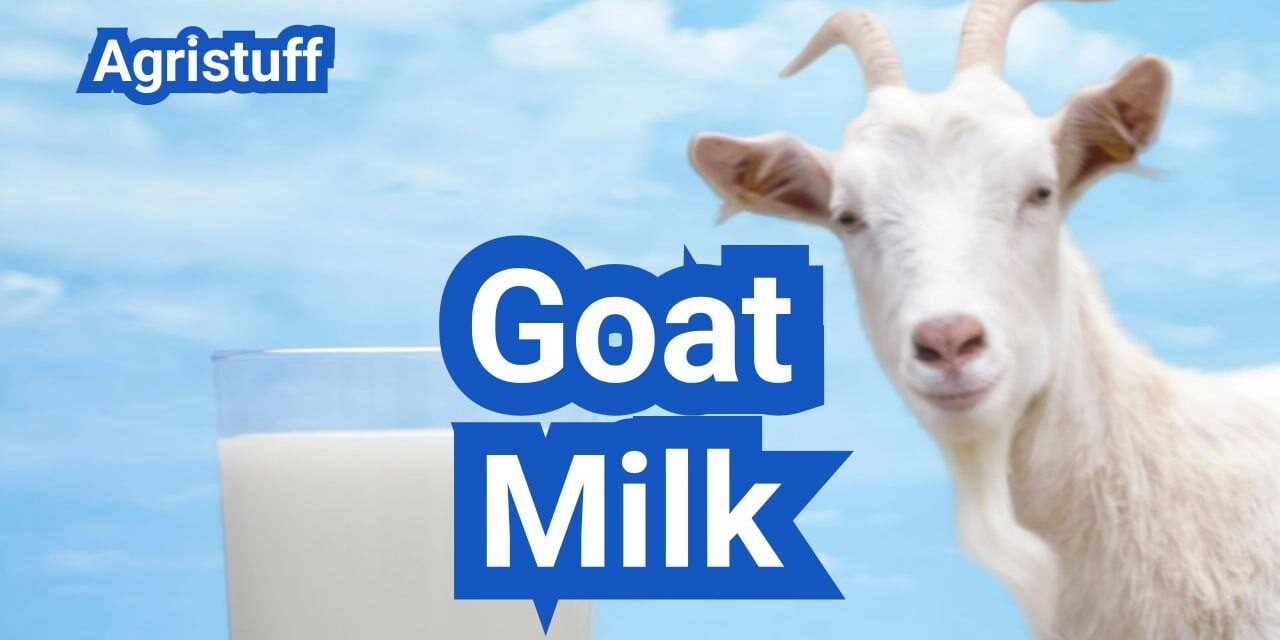
Many families in the United States now choose caprine drinks for better health. This liquid provides a high amount of energy and vital nutrients for growing children. It stands out as a premium choice over bovine or sheep options found in local markets.
Many consumers inquire what does goat milk taste like before their first purchase. Most describe the experience as creamy, sweet, and remarkably smooth. You can find quality versions in usa at most local health stores or specialty grocers.
These caprine options offer impressive nutrition for all ages. Those with bovine allergies often enjoy these benefits without any stomach issues. It remains a primary dairy source for millions of people around the world today.
Key Takeaways
- Caprine drinks have a creamy and mild flavor profile.
- They provide high levels of energy and healthy minerals.
- People with bovine allergies can often enjoy them safely.
- These products are easy to find in most American stores.
- Small fat particles make the liquid very easy to digest.
- They offer a great balance of vitamins for the body.
What is Goat Milk? and Why is it Gaining Popularity?

As consumers become more health-conscious, goat milk is emerging as a preferred choice due to its rich nutrient content and easier digestibility. Goat milk is the milk produced by domestic goats, and it has been consumed for thousands of years across various cultures.
The History of Consuming the Milk of Domestic Goats
The history of consuming goat milk dates back to the domestication of goats around 10,000 years ago. Goats were initially valued for their meat, milk, and hides. The milk of goats was found to be nutritious and was used not only as a beverage but also in the production of cheese, butter, and other dairy products.
Goats are smaller and consume less feed than cows, making them easier to keep in developing countries. This characteristic has contributed to the widespread consumption of goat milk globally.
Current Trends for Goat Milk in the U.S.
In recent years, the U.S. has seen a significant increase in the demand for goat milk and goat milk products. This trend is driven by consumers seeking alternatives to cow’s milk due to dietary restrictions or preferences.
Several brands have emerged to cater to this demand, including Meyenberg and Trader Joe’s, which offer a range of goat milk products such as whole milk, powdered milk, and yogurt.
| Product | Brand | Description |
|---|---|---|
| Whole Goat Milk | Meyenberg | A nutritious and delicious alternative to cow’s milk. |
| Goat Milk Yogurt | Trader Joe’s | A creamy and healthy yogurt option. |
| Powdered Goat Milk | Meyenberg | A convenient and shelf-stable goat milk option. |
According to Michigan State University Extension, individuals with dairy intolerance should be tested to see if goat milk is a suitable alternative for them. This recommendation highlights the growing interest in goat milk as a potential solution for those with dairy sensitivities.
Understanding Goat Milk Nutrition and Health Benefits
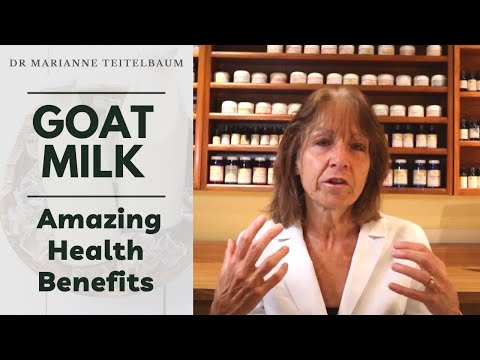
Rich in essential nutrients, goat milk offers a compelling alternative to traditional dairy options. It is an excellent source of protein, calcium, potassium, phosphorous, magnesium, and vitamin A, making it a nutritious addition to a balanced diet.
Essential Vitamins and Minerals Found in Goat Milk
Goat milk is particularly notable for its high content of vitamins and minerals. It is rich in calcium, which is crucial for bone health, and potassium, which helps regulate blood pressure. Additionally, goat milk contains significant amounts of magnesium and phosphorus, essential for energy production and overall metabolic health.
The vitamin profile of goat milk is also impressive, with high levels of vitamin A, which supports immune function and eye health. The presence of these nutrients makes goat milk a valuable component of a healthy diet.
How Goat Milk Supports Heart Health and Metabolism
Goat milk has been identified as potentially beneficial for heart health. The unique fatty acid profile and nutrient composition may contribute to improved cardiovascular health by reducing the risk of heart disease. Moreover, the medium-chain fatty acids in goat milk are easily absorbed, supporting efficient energy production and potentially aiding in weight management.
The metabolic benefits of goat milk are further enhanced by its nutrient-dense profile, which includes proteins and minerals that support overall metabolic function.
The Role of Goat Milk in Immune System Support
Goat milk contains various components that support immune system function. The presence of oligosaccharides and other bioactive compounds may help in modulating the immune response, potentially offering protection against infections and diseases.
Furthermore, the high levels of vitamins and minerals in goat milk contribute to its immune-supporting properties, making it a beneficial choice for those seeking to enhance their immune health.
What Does Goat Milk Taste Like?

When it comes to goat milk, the taste is often described as rich and creamy. The unique flavor profile of goat milk can be attributed to several factors, including the breed of the goat, the method of pasteurization, and the animal’s diet.
Factors Influencing the Flavor Profile
The flavor of goat milk is influenced by various factors. For instance, the breed of the goat can significantly impact the taste. Different breeds produce milk with distinct flavor profiles due to variations in fat content and the presence of certain compounds.
Another crucial factor is the method of pasteurization. Pasteurization can affect the flavor by altering the natural bacteria and enzymes present in the milk. Some methods, like ultra-pasteurization, can result in a slightly different taste compared to low-temperature pasteurization.
The diet of the goat also plays a significant role in shaping the flavor of the milk. Goats that graze on diverse pastures tend to produce milk with a richer, more complex flavor profile.
Comparing the Creaminess of Goat Milk to Other Dairy
Goat milk is often praised for its creamy texture, which is comparable to, if not superior to, cow milk in many culinary applications. The creaminess is largely due to the fat globule size and the protein structure of goat milk.
| Dairy Type | Fat Globule Size (μm) | Creaminess Perception |
|---|---|---|
| Goat Milk | 3-4 | Rich and Creamy |
| Cow Milk | 4-5 | Variable |
| Sheep Milk | 5-6 | Very Rich |
The table above illustrates the differences in fat globule size among various types of dairy milk, which contributes to their perceived creaminess. Goat milk, with its relatively small fat globules, is often considered creamy and is a popular choice for producing cheese and other dairy products.
Goat Milk vs Cow Milk: Key Differences

The comparison between goat milk and cow milk reveals significant variations in protein structures, fat globule sizes, and lactose content, impacting their nutritional value and digestibility.
Comparing Protein Structures and Fat Globule Size
One of the primary differences between goat milk and cow milk lies in their protein structures and fat globule sizes. Goat milk contains smaller fat globules compared to cow milk, making it naturally homogenized. This characteristic enhances the digestibility of goat milk, as the smaller fat molecules are more easily processed by the body.
Fat Globule Size Comparison:
| Milk Type | Average Fat Globule Size (μm) |
|---|---|
| Goat Milk | 3-4 |
| Cow Milk | 4-5 |
The protein structure in goat milk is also considered easier to digest due to its smaller casein micelles and different protein composition.
Why Goat Milk Benefits Are Often Considered Superior
Goat milk is often regarded as superior to cow milk due to its nutritional profile and digestibility. The smaller fat globules and unique protein structure contribute to its easier digestion, making it a preferable choice for those with sensitive stomachs or dairy intolerance.
Additionally, goat milk is rich in essential nutrients, including vitamins and minerals that support overall health. Its nutritional benefits are further enhanced by its higher calcium content compared to cow milk.
The Sugar Debate: Lactose Content in Cow vs Goat Milk
The debate surrounding the lactose content in goat milk versus cow milk is significant for consumers with lactose intolerance. Goat milk contains approximately 1% less lactose than cow milk, which can make a difference for those sensitive to lactose.
Lactose Content Comparison:
| Milk Type | Lactose Content (%) |
|---|---|
| Goat Milk | 4.1-4.5 |
| Cow Milk | 4.7-5.2 |
This difference in lactose content can influence the choice between goat milk and cow milk for individuals monitoring their sugar intake or managing lactose intolerance.
Goat Milk vs Sheep Milk: A Comparative Analysis

Goat milk and sheep milk are both popular dairy alternatives, but they have distinct differences in terms of nutrient density and flavor. Understanding these differences is key to making informed choices about which milk to consume or use in cooking.
Nutrient Density and Fat Content Comparison
Sheep milk is notably richer in nutrients compared to goat milk. It contains higher protein and more calcium, making it a more dense nutritional source. Additionally, sheep milk has a higher fat content, which contributes to its rich and creamy texture. According to nutritional comparisons, sheep milk offers a more substantial nutritional profile.
“Sheep milk is considered one of the richest dairy milks due to its high content of proteins, vitamins, and minerals,” as noted by dairy nutrition experts. This richness makes it particularly valuable for certain culinary applications.
Flavor and Texture Differences for Culinary Use
The flavor and texture of sheep milk are distinct from those of goat milk. Sheep milk has a smooth, creamy texture and a mild, slightly sweet flavor, making it ideal for producing high-quality cheeses and yogurts. In contrast, goat milk has a lighter consistency and a more pronounced tanginess.
In culinary applications, the choice between goat milk and sheep milk often depends on the desired texture and flavor profile of the final product. Sheep milk’s richness is particularly suited to rich desserts and cheeses, while goat milk’s lighter taste is versatile for a variety of recipes.
Is Goat Milk Easier to Digest?

The unique composition of goat milk may offer advantages when it comes to digestion. Goat milk contains smaller fat globules compared to cow milk, which can make it easier for the body to digest. This natural homogenization means that the fat is more evenly distributed, potentially reducing the strain on the digestive system.
The Science Behind Digestion and Nutrient Uptake Efficiency
The digestibility of goat milk is attributed to its smaller fat globules and the presence of certain enzymes that aid in nutrient breakdown. This can lead to more efficient nutrient uptake, as the body can more easily absorb the necessary vitamins and minerals.
Research suggests that the unique protein structure in goat milk may also contribute to its digestibility. The proteins in goat milk are more easily broken down, which can be particularly beneficial for individuals with sensitive stomachs or those who have difficulty digesting other types of dairy.
How Goat Milk Supports Gut Health and Digestion
Goat milk is rich in prebiotic oligosaccharides, which can help support gut health by promoting the growth of beneficial bacteria. A healthy gut microbiome is essential for overall digestive well-being, and consuming goat milk may contribute to this balance.
Furthermore, goat milk contains a variety of nutrients, including calcium, potassium, and vitamins, that are important for maintaining a healthy digestive system. The nutrient-dense profile of goat milk makes it a valuable addition to a balanced diet, potentially supporting overall health and digestive comfort.
In summary, the composition of goat milk, including its smaller fat globules and nutrient-rich profile, may make it easier to digest for some individuals. Its potential benefits for gut health and nutrient uptake efficiency make it a worthwhile consideration for those looking for a more comfortable dairy option.
Goat Milk for Lactose Intolerance and Allergy Considerations

Goat milk has emerged as a potential solution for those suffering from lactose intolerance or cow milk allergy. Many individuals who experience discomfort or allergic reactions to cow milk find that goat milk is a more tolerable alternative. This section explores the suitability of goat milk for individuals with these dietary restrictions.
Managing Cow Milk Allergy with Goat Milk Alternatives
Cow milk allergy is an immune reaction to one of the proteins in cow milk (casein or whey). Some people with this allergy may find that they can tolerate goat milk due to differences in protein structures between cow and goat milk.
A key consideration is that while the proteins in goat milk are similar to those in cow milk, there are differences in the casein micelle structure and fat globule size, which may affect digestibility.
Understanding Sensitivity Levels and Digestive Comfort
Lactose intolerance is the inability to digest lactose, a sugar found in milk, due to a deficiency of the enzyme lactase. Goat milk contains less lactose than cow milk, making it a potential option for those with lactose intolerance.
The table below compares the lactose content and other relevant nutritional aspects of goat milk and cow milk:
| Nutritional Aspect | Goat Milk | Cow Milk |
|---|---|---|
| Lactose Content | 4.1% | 4.7% |
| Fat Globule Size | Smaller | Larger |
| Protein Structure | Different casein micelle structure | Standard casein micelle structure |
These differences contribute to the potential for improved digestive comfort when consuming goat milk instead of cow milk for some individuals.
Dairy Goat Farming and Production in the U.S.

Dairy goat farming practices in the United States are evolving to meet the rising consumer interest in goat milk and its derivatives. This shift is driven by the growing demand for alternative dairy products that are perceived as healthier and more sustainable.
Standards for Dairy Goat Farming
Dairy goat farming in the U.S. is subject to various standards and regulations aimed at ensuring the quality and safety of goat milk products. These standards cover aspects such as farm hygiene, animal welfare, and milk handling practices.
The dairy goat farming industry adheres to strict guidelines to maintain high-quality milk production. This includes regular inspections and certifications to ensure compliance with national and international standards.
| Standard | Description | Benefit |
|---|---|---|
| Farm Hygiene | Regular cleaning and disinfection of farm facilities | Reduces risk of contamination |
| Animal Welfare | Proper living conditions and care for dairy goats | Improves milk quality and quantity |
| Milk Handling | Proper storage and handling of milk | Maintains milk quality and safety |
Environmental Impact and Sustainability of Goat Dairy
Dairy goat farming is often considered more environmentally friendly compared to larger dairy farming operations. Goats require less land and feed than cows, making them a more sustainable option for dairy production.
Environmental Benefits of dairy goat farming include lower greenhouse gas emissions and less land degradation. Goats are also more efficient converters of feed into milk, reducing the overall environmental footprint.
The sustainability of goat dairy farming is further enhanced by practices such as rotational grazing and organic farming methods. These practices not only improve soil health but also contribute to biodiversity.
Popular Goat Milk Products in the U.S.

Goat milk products are gaining traction in the United States, with consumers increasingly seeking out their unique health benefits and culinary uses. The market reflects a growing trend towards healthier and more sustainable dairy alternatives.
Meyenberg Whole Goat Milk and Powdered Options
Meyenberg is a well-known brand in the U.S. for its high-quality goat milk products. They offer both whole goat milk and powdered goat milk options, catering to different consumer preferences and needs.
Meyenberg Whole Goat Milk is praised for its rich nutritional profile and is often chosen by those looking for a direct substitute for cow’s milk. On the other hand, Meyenberg Powdered Goat Milk is convenient for those who want to store goat milk for longer periods without refrigeration.
Specialty Items: Goat Milk Yogurt, Butter, and Ice Cream
Beyond basic milk products, goat milk is also used to create a variety of specialty items such as yogurt, butter, and ice cream. These products are not only delicious but also offer the same nutritional benefits associated with goat milk.
| Product | Description | Nutritional Highlights |
|---|---|---|
| Goat Milk Yogurt | A creamy yogurt made from goat milk, often with live cultures. | High in protein, calcium, and probiotics. |
| Goat Milk Butter | A rich and creamy butter ideal for cooking and baking. | Rich in fat-soluble vitamins (A, D, E, K). |
| Goat Milk Ice Cream | A unique and creamy dessert made from goat milk. | Contains essential vitamins and minerals, with a unique flavor profile. |
Trader Joe’s Goat Milk and Other Retail Favorites
Trader Joe’s offers its own brand of goat milk products, which have gained popularity among consumers for their quality and affordability. Other retail favorites include products from local dairy farms and specialty stores.
Consumers appreciate the Trader Joe’s Goat Milk for its taste and nutritional benefits, making it a staple in many households.
Global Brands: Kendamil, Kabrita, Holle, and Jovie
Several global brands have also entered the U.S. market with their goat milk products. Kendamil, Kabrita, Holle, and Jovie are notable examples, offering a range of products from infant formula to adult nutritional supplements.
These brands are recognized for their commitment to quality and nutritional excellence. For instance, Kabrita is known for its gentle and easy-to-digest goat milk-based infant formula.
How to Use Goat Milk in Your Daily Diet
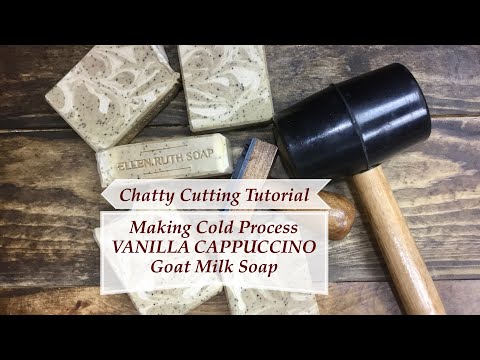
Incorporating goat milk into your daily diet can be a game-changer for those looking for a nutritious and delicious alternative to traditional dairy products. Goat milk is rich in nutrients and can be used in various recipes, making it a versatile addition to your daily meals.
With its creamy texture and mild flavor, goat milk can be easily incorporated into your daily routine. Whether you’re looking to enhance your beverages, baked goods, or dips, goat milk is an excellent choice.
Step-by-Step Guide to Incorporating Goat Milk into Coffee and Tea
Using goat milk in your coffee and tea can add a rich and creamy texture. Here’s a simple guide to get you started:
- Start by substituting cow’s milk with goat milk in your favorite coffee or tea recipe.
- Adjust the amount according to your taste preferences, as goat milk can be slightly sweeter.
- For a frothy texture, you can froth goat milk using a milk frother or a whisk.
Using Goat Milk in Baking and Cooking Recipes
Goat milk can be used as a substitute in many baking and cooking recipes. Here are some tips:
- Replace cow’s milk with goat milk in recipes for cakes, muffins, and cookies.
- Use goat milk to make creamy sauces and soups.
- Experiment with goat milk in savory dishes, such as curries and stews.
| Recipe | Cow’s Milk | Goat Milk |
|---|---|---|
| Cakes | 1 cup | 1 cup |
| Pancakes | 1 cup | 1 cup |
| Creamy Soups | 2 cups | 2 cups |
Preparing Goat’s Milk Labneh Dip
Labneh is a popular Middle Eastern dip made from strained yogurt. Using goat milk to make labneh creates a creamy and delicious dip. Here’s a simple recipe:
- Start by heating goat milk to a gentle simmer.
- Add a yogurt culture or probiotic powder and let it incubate.
- Strain the mixture through a cheesecloth or a fine-mesh sieve.
- Season with salt and herbs, and serve with pita bread or vegetables.
Goat milk labneh is a great alternative to traditional yogurt-based dips, offering a unique flavor and texture.
Safety Guidelines: Pasteurized vs Raw Goat Milk

When it comes to consuming goat milk, one of the most critical considerations is whether to choose pasteurized or raw goat milk. The decision has significant implications for consumer health and safety.
Pasteurization is a process that involves heating liquids to a high temperature for a specific period, followed by rapid cooling. This process is crucial for killing harmful bacteria, viruses, and other pathogens that may be present in the milk.
The Importance of Pasteurization for Food Safety
Pasteurization is essential for ensuring the safety of goat milk for consumption. By eliminating pathogens, pasteurization significantly reduces the risk of milk-borne illnesses. This is particularly important for vulnerable populations such as the elderly, pregnant women, and individuals with compromised immune systems.
The pasteurization process involves heating the milk to a temperature of at least 161°F (72°C) for at least 15 seconds, or to 145°F (63°C) for 30 minutes. This effectively kills harmful bacteria like Salmonella, E. coli, and Listeria, which can cause severe foodborne illnesses.
| Pasteurization Method | Temperature | Time |
|---|---|---|
| High Temperature, Short Time (HTST) | 161°F (72°C) | At least 15 seconds |
| Low Temperature, Long Time (LTLT) | 145°F (63°C) | 30 minutes |
Understanding the Risks Associated with Raw Goat Milk
Raw goat milk, on the other hand, is not subjected to the pasteurization process. While some consumers prefer raw goat milk for its perceived health benefits and richer flavor, it carries a higher risk of containing harmful pathogens.
Consuming raw goat milk can lead to foodborne illnesses, particularly for individuals with weakened immune systems. The risks associated with raw goat milk include the potential presence of bacteria like Salmonella and E. coli, which can cause severe health issues.
- Raw goat milk may contain harmful pathogens.
- Pasteurized goat milk is safer for consumption, especially for vulnerable populations.
- The choice between raw and pasteurized goat milk should be based on individual health considerations and risk tolerance.
Considerations for Infants and Children
Goat milk has been gaining popularity, but its suitability for infants and children requires careful consideration. As parents explore alternatives to traditional dairy products, understanding the nutritional implications of goat milk for young children is crucial.
Why Goat Milk is Not Recommended for Infants
Goat milk is not recommended for infants due to its nutritional profile. Specifically, it lacks the appropriate balance of nutrients that infants require for healthy development. For instance, goat milk has lower levels of folate and vitamin B12 compared to cow’s milk, which are crucial for infants’ growth.
Infants have specific dietary needs that must be met to ensure proper development. The American Academy of Pediatrics recommends breast milk or iron-fortified infant formula as the primary source of nutrition for the first year. Introducing goat milk too early can lead to nutritional deficiencies.
Nutritional Needs for Growing Children
For growing children, the nutritional needs are different from those of infants. Goat milk can be considered as part of a balanced diet, providing essential nutrients like calcium, protein, and vitamins.
Children require a diverse diet that includes a variety of foods to meet their nutritional needs. Goat milk can be a healthy addition, offering nutrients that support bone health and development. However, it’s essential to consult with a healthcare provider to determine the best dietary choices for each child.
Goat Milk Skincare and Non-Food Applications
With its rich nutrient profile, goat milk is being harnessed in various skincare applications. The moisturizing and nourishing properties of goat milk make it an attractive ingredient in the development of skincare products.
Benefits of Goat Milk Soap and Cleansers
Goat milk soap and cleansers are gaining popularity due to their potential benefits for the skin. The lactic acid present in goat milk helps in gently exfoliating the skin, while its fatty acids contribute to moisturizing and hydration.
Nutritional Benefits: Goat milk contains vitamins A, C, and E, as well as minerals like potassium and selenium, which are beneficial for skin health.
“Goat milk soap can be particularly beneficial for sensitive skin due to its gentle and non-irritating properties.”
Using Beekman 1802 and Kate Somerville Products
Beekman 1802 and Kate Somerville are two brands that have incorporated goat milk into their skincare products. Beekman 1802’s goat milk soap is known for its moisturizing properties, while Kate Somerville’s products utilize goat milk for its nourishing benefits.
| Brand | Product | Key Benefits |
|---|---|---|
| Beekman 1802 | Goat Milk Soap | Moisturizing, gentle on skin |
| Kate Somerville | Goat Milk-based products | Nourishing, hydrating |
Goat Milk as a Potential Skincare Antidote
The unique composition of goat milk, with its blend of nutrients and fatty acids, positions it as a potential antidote for various skin issues, including dryness and irritation.
Potential Skincare Benefits: Hydration, soothing irritated skin, and supporting skin health through its nutrient-rich profile.
Tips for Selecting the Best Goat Milk Products

The market for goat milk products is diverse, and navigating the options requires a closer look at labels and product formats. With various types of goat milk products available, including fresh, powdered, and colostrum, making an informed choice can be challenging.
To start, it’s essential to understand the different labeling terms and what they mean for the quality and nutritional content of the product. One key aspect is whether the product is labeled as organic. Organic goat milk products are produced without the use of synthetic pesticides, herbicides, or fertilizers, which can be a significant factor for consumers looking to avoid these substances.
How to Read Labels for Organic Goat Milk
When shopping for organic goat milk, look for certifications like USDA Organic. This certification ensures that the product meets strict standards regarding the use of organic practices in its production. Reading labels carefully can also provide insights into the nutritional content, including the levels of vitamins, minerals, and proteins.
In addition to organic certification, other terms like “pasteurized” or “raw” can significantly impact the product’s safety and nutritional profile. Understanding these terms is crucial for making an informed decision that aligns with your dietary needs and preferences.
Choosing Between Fresh, Powdered, and Colostrum Products
Goat milk comes in various formats, each with its unique benefits. Fresh goat milk is ideal for those who consume it regularly and have access to a reliable source. It’s rich in nutrients and has a fresh taste.
Powdered goat milk is a convenient alternative for those who want to incorporate goat milk into their diet without the need for refrigeration. It’s also a good option for travel or as a backup during emergencies. However, the processing might affect some of the delicate nutrients found in fresh milk.
Colostrum, often referred to as “liquid gold,” is rich in antibodies and has been used for its potential health benefits, including immune system support. It’s a product derived from the first milk produced by the goat after giving birth.
When deciding between these formats, consider your needs, preferences, and the intended use of the product. Whether you’re looking for a daily nutritional supplement or a product for specific health benefits, there’s a goat milk product suited to your requirements.
Potential Risks and Side Effects of Drinking Goat Milk

Despite its nutritional benefits, goat milk can cause adverse reactions in some individuals, making it essential to understand its potential risks. While generally considered safe, goat milk is not suitable for everyone, particularly those with specific allergies or sensitivities.
Identifying Potential Allergies and Sensitivities
Allergies to goat milk, though less common than cow milk allergies, can still occur. Symptoms may include digestive issues, skin rashes, and respiratory problems. It’s crucial to monitor for these signs, especially when introducing goat milk into your diet for the first time.
Common symptoms of goat milk allergy or sensitivity:
- Digestive discomfort
- Skin rashes or hives
- Respiratory issues such as wheezing or coughing
As noted by healthcare professionals, “Some individuals may experience an allergic reaction to goat milk due to its protein structure, which, although different from cow milk, can still trigger an immune response.”
When to Consult a Healthcare Professional
If you experience any adverse reactions after consuming goat milk, it’s advisable to consult a healthcare professional. They can provide guidance on whether goat milk is safe for you to consume and help manage any sensitivities or allergies.
It’s particularly important for individuals with a history of dairy allergies or severe food sensitivities to seek professional advice before making goat milk a part of their diet.
In conclusion, while goat milk offers numerous health benefits, being aware of its potential risks and side effects is crucial for safe consumption. By understanding the signs of allergy or sensitivity and knowing when to seek medical advice, consumers can enjoy the nutritional benefits of goat milk while minimizing its risks.
At The End of: Goat Milk Guide
Goat milk has emerged as a nutritious alternative to traditional dairy options, offering several benefits that set it apart from cow and sheep milk. Its unique nutritional profile, ease of digestion, and versatility in culinary applications make it an attractive choice for those seeking a healthier dairy option.
The comparison with cow and sheep milk highlights goat milk’s advantages, including its smaller fat globules and different protein structure, which may contribute to its easier digestibility. Additionally, goat milk is rich in essential vitamins and minerals, supporting heart health, metabolism, and immune function.
As consumers become more aware of the nutritional benefits and potential health advantages of goat milk, its popularity is likely to continue growing. With a range of products available, from fresh milk to specialty items like yogurt and cheese, incorporating goat milk into one’s diet can be both simple and rewarding.
Ultimately, goat milk benefits make it a valuable addition to a balanced diet, offering a delicious and nutritious alternative to traditional dairy products.
FAQ
Does Goat Milk always taste “goaty”?
No. Many products are mild and slightly sweet, and stronger flavor usually points to feed, sanitation, storage, or handling factors rather than to an unavoidable trait in every bottle. flavor review
Is Goat Milk healthier than cow’s milk or sheep’s milk?
Not across the board. Each has strengths: cow’s milk is widely available and often lower in price, caprine milk is valued for flavor and niche positioning, and sheep milk is usually richest for cheese and dense cultured products. species composition review
Can babies drink Goat Milk?
Regular fluid milk is not appropriate as the main drink for babies under 12 months, but some infant formulas sold in the U.S. are made with caprine ingredients and must meet federal requirements. current U.S. formula listings
Is goat milk easier to digest than cow’s milk?
Yes, many find that goat milk is easier to digest due to its unique protein and fat structure. The fat globule size in the milk of domestic goats is significantly smaller than that in cow’s milk, allowing for more efficient breakdown by digestive enzymes. Additionally, the protein structures, specifically the lack of certain A1 casein proteins found in cow dairy, result in a softer curd in the stomach, which supports your gut health and digestion. digestibility research
What does goat milk taste like compared to other dairy?
People often wonder what does goat milk taste like. It is generally described as earthy, slightly sweet, and tangy. While it shares some characteristics with cow’s milk, it often has a distinct “goaty” finish that is influenced by dairy goat farming practices and the freshness of the product. When comparing goat milk vs sheep milk, goat milk is typically lighter, whereas sheep milk is much richer and higher in fat content.
Can people with lactose intolerance drink goat milk?
For those with goat milk for lactose intolerance concerns, it is important to note that goat milk still contains lactose. However, it is naturally lower in lactose than cow’s milk (by about 12%), which, combined with its superior digestibility, allows some people with mild sensitivities to enjoy it without discomfort. If you have a confirmed goat milk allergy or severe lactose intolerance, you should consult a professional before adding it to your diet.
What are the primary health benefits of goat milk?
The goat milk benefits are extensive. It provides immune system support and contains heart-friendly fats like medium-chain fatty acids. Research into goat milk: 12 health benefits often highlights that it promotes your bone health through high calcium and phosphorus levels, supports a healthy metabolism, and may reduce inflammation. It also contains goat milk colostrum, which is rich in antibodies and growth factors.
Is goat milk for babies a safe alternative to formula?
Fresh goat milk is not safe for infants under 12 months as it does not contain the appropriate nutrient balance for a developing baby. However, specialized formulas like Kendamil goat, Kabrita goat milk, Holle goat stage 1, and Jovie goat are specifically designed to meet infant nutritional needs. Brands like Bubs goat milk and HiPP goat offer options for parents looking for a goat milk base for their children.
What are the risks of drinking raw goat milk?
When considering raw goat milk risks, the primary concern is the presence of harmful bacteria like Salmonella, E. coli, and Listeria. Health experts generally recommend pasteurized goat milk to ensure safety, as the pasteurization process kills pathogens without significantly altering the goat milk nutrition profile. If you choose fresh goat milk from a local farm goat, ensure the source follows strict hygiene standards.
Which goat milk products are popular in the U.S.?
There are many high-quality goat milk products in the U.S. available at major retailers. Meyenberg goat milk is a leading brand offering Meyenberg whole goat milk, Meyenberg goat milk powder, and Meyenberg goat milk butter. Many shoppers also look for Trader Joe’s goat milk or specialty goat milk cheeses like chèvre. For supplements, Mt. Capra is well-known for Mt Capra goat milk colostrum and organic goat milk powder.
How can I use goat milk in my daily diet and recipes?
You can easily substitute it into your routine; add it to your coffee or tea, or use it in baking and cooking. It is excellent for a goat’s milk labneh dip recipe or even homemade goat milk ice cream. For a shelf-stable option, goat milk powder for adults is a convenient way to add protein and minerals to smoothies. You can also find goat butter to use as a creamy spread for bread.
Why is goat milk used in skincare products?
Goat milk skincare products are highly effective because the milk’s pH is similar to human skin. Goat milk soap and cleansers, such as the Kate Somerville goat milk cleanser, are known for being gentle on sensitive skin. Brands like Beekman 1802 goat milk soap and their Beekman chapstick use the natural lactic acid in the milk to exfoliate and moisturize, making it a popular skincare antidote for conditions like eczema.
Is goat milk better for the environment than cow milk?
Many experts suggest that goat dairy products have a lower environmental footprint. Goats require less water and land than cows and produce fewer greenhouse gas emissions per pound of milk. Therefore, choosing goat dairy may help in environmental protection and support more sustainable dairy goat farming practices.
What should I look for when buying goat milk?
When seeking the best goat milk, look for labels that specify if it is organic goat milk or non-GMO. Check if it is pasteurized goat milk for safety. If you prefer a longer shelf life, Meyenburg goats milk in powdered form or Mt Capra goat milk concentrates are excellent choices. For those interested in Nigerian goats, Nigerian goat milk is known for having a higher butterfat content, making it exceptionally creamy.
Does goat milk help with nutrient absorption?
Yes, goat milk helps with iron and nutrient absorption. Studies suggest that the minerals in goat milk, such as calcium, phosphorus, and iron, are more bioavailable than those in cow’s milk. This may improve nutrient uptake efficiency, making it a beneficial choice for individuals with malabsorption issues or anemia.
Conclusion of: Goat Milk
Goat Milk shows up in the U.S. as fluid milk, yogurt, kefir, fresh cheese, aged cheese, and other specialty dairy products, which gives shoppers more options than a simple carton-versus-carton comparison with cow’s milk. The real question is not whether it is “better” in every situation, but when its flavor, composition, and kitchen performance make it the smarter choice for your table or your farm plan. U.S. product overview
Goat Milk can taste clean, mildly sweet, tangy, earthy, or distinctly “goaty,” and that range explains why first-time buyers often have very different reactions to it. Breed, feed, udder health, sanitation, and rapid chilling all influence flavor, so two bottles from different farms may differ more than many people expect. milk-quality guidance
Goat Milk delivers the core nutrition people expect from dairy, including protein, calcium, phosphorus, potassium, and energy, while often feeling thicker and creamier than standard cow’s milk. For many households, that makes it a useful middle ground between everyday supermarket milk and the heavier richness of sheep milk. MSU nutrition comparison
Goat Milk and cow’s milk are closer than marketing claims often imply because both are true dairy foods with similar everyday uses in coffee, cereal, smoothies, baking, sauces, and cultured products. The practical differences are that caprine milk tends to have slightly less lactose, a different protein profile, and fat characteristics that some consumers perceive as more comfortable or more creamy. peer-reviewed composition comparison
Goat Milk usually sits between cow’s milk and sheep’s milk in richness, intensity, and processing behavior. Sheep milk generally contains more fat, protein, and total solids, which is why it tends to make a denser curd and stronger cheese yield, while caprine milk is often the more approachable option for drinking, fresh cheeses, and lighter cultured products. FAO species comparison
Goat Milk is sometimes described as easier to digest, but that claim needs context and should not be treated as a guarantee. Some adults say they feel better drinking it, yet it still contains lactose, so people with lactose malabsorption can still experience bloating, gas, diarrhea, or abdominal pain depending on serving size and personal tolerance. lactose intolerance guidance
Goat Milk should also not be treated as an automatic solution for cow-milk allergy. Milk proteins from different mammals can cross-react, so anyone with a diagnosed allergy, especially a child, should rely on a clinician’s advice rather than assume that a different animal source will be safe. allergy review
Goat Milk is safest when it is pasteurized and kept cold from purchase through service. Raw milk from goats, cows, or sheep can carry disease-causing germs, and public-health agencies consistently recommend pasteurized milk because it provides the same basic nutritional value without the added microbial risk. CDC raw milk safety
Goat Milk is not the same thing as infant formula, and that distinction matters. In the United States, babies under 12 months should not be fed regular animal milks as a main drink, while commercially marketed infant formulas, including some made with caprine ingredients, must meet FDA requirements for safety and nutritional adequacy. FDA infant formula guidance
Goat Milk shoppers in the U.S. should check the label for pasteurization, fat level, fortification, storage instructions, and whether the product is fluid milk or a cultured dairy food. Commercial distribution is not a gray area: FDA’s interstate system explicitly lists pasteurized, cultured, condensed, dry, ultra-pasteurized, and aseptic caprine products, which is helpful context when comparing brands or thinking about market access. interstate product codes
Goat Milk shines in applications where brightness, tang, and creamy texture help more than a neutral flavor would. It works especially well in yogurt, kefir, fresh chèvre, whipped spreads, custards, sauces, and specialty desserts, and producers often move extra volume into higher-value items such as cheese, soap, lotion, and other niche products. value-added ideas
Goat Milk quality improves quickly when handling is disciplined and declines quickly when it is not. Sanitized equipment, clean teats, immediate filtering, and fast cooling make the difference between a sweet, mild bottle and one that picks up stale, barny, dirty, or overly strong flavor notes. practical milking routine
Goat Milk production appeals to many small U.S. farms because goats are smaller than dairy cows, fit limited acreage better, and can pair a dairy enterprise with brush control and direct-to-consumer sales. That does not make them effortless, but it does make them realistic for homesteads, part-time farms, and specialty creameries that do not want bovine-scale overhead. small-acreage overview
Goat Milk production on a commercial or semi-commercial farm is less about simply owning goats and more about managing a system that includes labor, sales, processing, regulations, and budgeting. Sustainable production guides consistently frame success around the whole chain: choosing the right stock matters, but forage, milking routine, product mix, and market access matter just as much. sustainable production guide
Quick checklist
Goat Milk is worth buying or producing when the basics line up on taste, tolerance, safety, and product fit. Use this short screen before you decide what to drink at home or how to position it in a U.S. dairy business. U.S. milk safety framework
- Choose pasteurized products unless you fully understand the safety tradeoff and local rules.
- Taste one bottle or one brand first before buying in bulk.
- Check whether the product is whole, low-fat, plain, flavored, or cultured.
- Look for clear refrigeration and use-by guidance on the label.
- Match the product to the job: drinking, baking, yogurt, cheese, coffee, or desserts.
- If replacing standard milk, verify fortification and nutrition details on the package.
- If you have lactose symptoms, test small servings and track your response.
- If you have a milk allergy, ask a clinician before switching species.
- For farm use, map the legal sales channel before buying breeding stock.
- Compare revenue from fluid sales against cheese, yogurt, kefir, or non-food value-added items.
Common mistakes to avoid
Goat Milk disappoints most often because buyers or new farmers make a few predictable mistakes rather than because the product itself is inherently difficult. Avoiding the errors below saves money, reduces waste, and creates a much fairer comparison with cow’s milk or sheep’s milk. sanitary milking reference
- Assuming all brands taste the same: sample more than one source before deciding you do or do not like it.
- Buying for a health halo alone: compare nutrition, intended use, and price instead of trusting broad claims.
- Treating it as allergy-safe: get professional advice first if cow-milk allergy is involved.
- Ignoring lactose symptoms: start with smaller servings and judge tolerance realistically.
- Breaking the cold chain: refrigerate promptly and keep storage temperatures consistent.
- Using poor milking hygiene: clean teats, clean hands, clean towels, and sanitized equipment matter.
- Expecting it to behave exactly like cow milk in every recipe: test it in small batches for yogurt, butter, and cheese.
- Starting a dairy without checking regulations: understand state rules for fluid milk, processing, labeling, and direct sales first.
Costs and ROI snapshot
Goat Milk economics vary by region, feed prices, labor model, and whether the business sells fluid milk or higher-value products, so any budget should be used as a planning tool rather than a promise. Extension budgets for dairy goats consistently show the main cost drivers are feed or forage, labor, housing and fencing, replacement animals, milking equipment, cooling and storage, veterinary care, packaging, and processing. sample dairy-goat budget
Goat Milk startup can climb faster than beginners expect: one Washington State example for a 50-doe system lists about 10 acres, roughly 750 labor hours, livestock at around $150 to $200 per head, existing buildings and fencing at about $15,000 to $20,000, and milking equipment plus storage at about $20,000 to $30,000 before many local adjustments. ROI improves when farms control feed costs, maintain excellent quality, and move part of the volume into cheese, yogurt, kefir, or branded direct sales instead of depending on a single low-margin outlet. production budget example
Goat Milk returns also depend on scale and regulatory fit, because a home-use herd and a licensed commercial creamery are completely different businesses. Marketing guides warn that a dream of making cheese from a dozen goats can collapse if facility requirements are expensive, while a larger herd with a clear product mix and a defined customer base may justify the investment far more effectively. marketing and scale guide
Final thought
Goat Milk is best understood as a practical dairy option rather than a miracle food: it offers distinctive taste, solid nutrition, useful kitchen functionality, and real business potential for farms that manage quality and markets well. For U.S. consumers, the right choice comes down to pasteurization, personal tolerance, flavor preference, and whether you want a dairy that is lighter than sheep milk but more distinctive than standard cow’s milk. USDA nutrition resource
Sources & References
- FDA: Raw Milk
- FDA: Unpasteurized Milk Can Pose a Serious Health Risk
- FDA: Raw Milk Misconceptions and the Danger of Raw Milk Consumption
- CDC: Cow’s Milk and Milk Alternatives
- CDC: Choosing an Infant Formula
- USDA AMS: Milk for Manufacturing Purposes and Its Production and Processing
- Michigan State University: Dairy Milk Label Claims
- Cornell Small Farms: Milking Cleanliness
- Alabama Extension: Milk Care for Dairy Goats and Sheep
- University of Arkansas Extension: How to Milk a Dairy Goat
- ATTRA: Tips for Marketing Sheep and Goat Dairy Products
- USDA AMS: Organic Cattle, Sheep, and Goats for Dairy Tipsheet
- Food Allergy Research & Education: Milk Allergy
- University of Georgia: High-Quality Milk Production in Dairy Goats
- FDA: Grade “A” Pasteurized Milk Ordinance