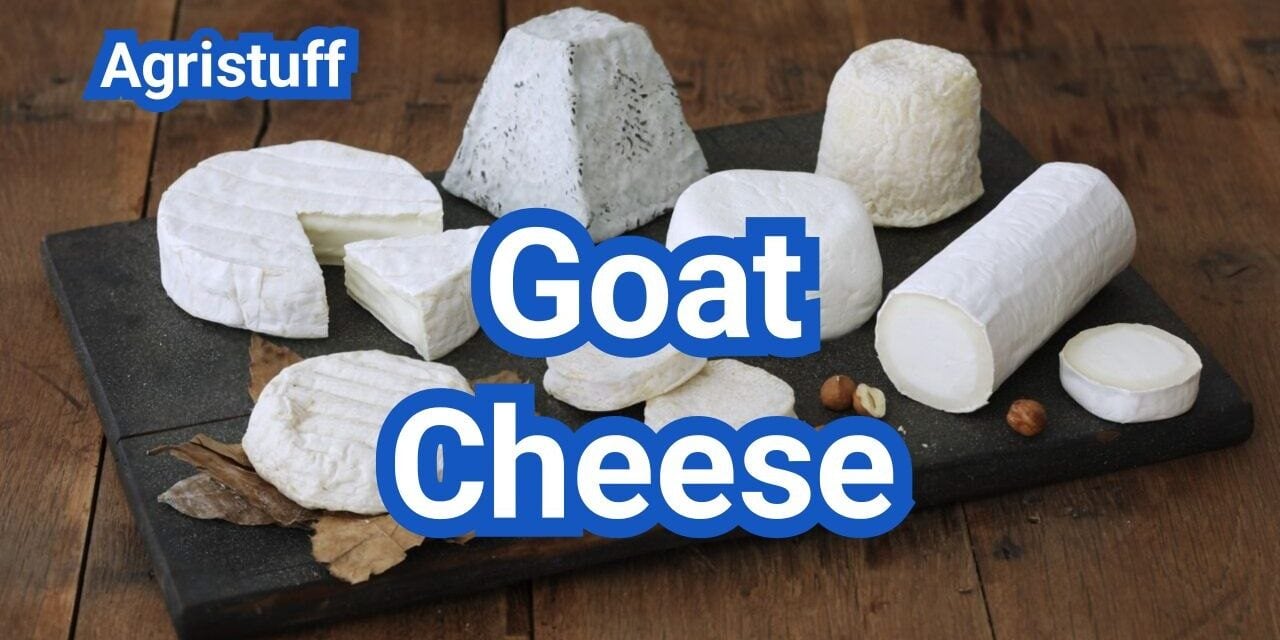
Have you ever wondered what is goat cheese? This tangy, creamy delight has been a staple in global diets for centuries. Derived from the milk of caprine animals, this product offers a distinct profile that sets it apart from standard supermarket options.
Many people enjoy this versatile ingredient for its unique sharpness and smooth consistency. Unlike traditional cow-based varieties, it contains different protein structures that make it easier for some individuals to digest.
Whether you are a casual eater or a dedicated connoisseur, understanding this specialty cheese helps you elevate your culinary creations. Exploring its history and production reveals why it remains a favorite for food lovers everywhere. This guide provides the essential knowledge needed to appreciate every bite of this savory cheese.
Key Takeaways
- It is produced from the milk of caprine animals.
- The flavor profile is typically tangier than cow-based dairy.
- It offers a unique texture that ranges from spreadable to firm.
- Many find it easier to digest due to its specific protein composition.
- It serves as a versatile addition to both sweet and savory dishes.
Understanding the Fundamentals of Goat Cheese
Understanding the science behind cheese made from goat milk reveals why it is so unique. This popular dairy product offers a distinctively tangy profile that sets it apart from traditional cow milk varieties. Whether you are a culinary enthusiast or a casual snacker, knowing the basics of this food can enhance your dining experience.
What is Goat Cheese and How is it Made?
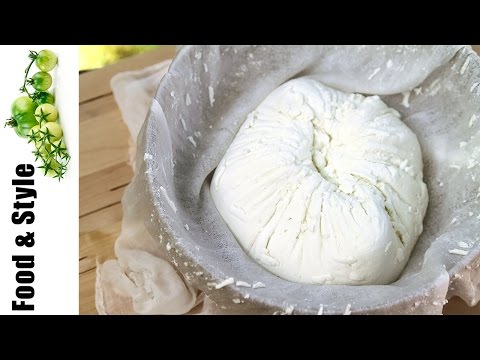
At its core, goat cheese is produced by adding rennet to fresh goat’s milk. This essential step triggers a coagulation process that separates the liquid whey from the solid curds. The resulting curds are then drained, salted, and shaped into the final product.
The process of making goat cheese requires careful temperature control to ensure the right texture. Depending on the desired outcome, producers may add specific cultures to develop unique flavor profiles. This traditional method of making cheese from goat milk has been refined over centuries to create the variety we enjoy today.
Nutritional Profile and Health Benefits
When examining goat cheese nutrition, it becomes clear why many health-conscious consumers prefer it. It is often lower in fat and calories compared to many aged cow milk cheeses. Furthermore, goat milk cheese is frequently easier for the human body to digest due to its smaller fat globules.
The primary goat cheese benefits include a high concentration of essential vitamins and minerals. It provides a good source of protein and calcium, which are vital for maintaining strong bones. Incorporating this nutrient-dense food into your diet can be a delicious way to support your overall wellness.
Goat cheese vs. Feta and Cream Cheese
It is helpful to compare these varieties to understand their culinary uses. While goat cheese vs feta cheese often confuses shoppers, the main difference lies in the aging process and salt content. Feta is typically brined, resulting in a much saltier and firmer texture than fresh goat cheese.
When looking at goat cheese vs cream cheese, the distinction is even more pronounced. Traditional goat cream cheese has a signature tang and a slightly grainy, spreadable consistency. In contrast, standard cow milk cream cheese is much milder and smoother. Choosing between goat milk cream cheese and other spreads depends entirely on the flavor intensity you want for your dish.
Exploring the Diverse World of Goat Cheese Types

From the delicate tang of fresh chevre to the complex depth of aged varieties, goat milk cheese types offer something for every palate. Understanding these different goat cheese types allows you to appreciate the craftsmanship behind every wheel and log. By exploring the various kinds of goat cheese, you can better select the perfect option for your next culinary creation.
Fresh Chevre: The Classic Spreadable Variety
Fresh goat cheese is perhaps the most recognizable form of this dairy delight. Often referred to as chevre, this variety is prized for its bright, acidic, and clean flavor profile. It is at its peak in the springtime when the grass is tender, fresh, and flavorful, resulting in a high-quality spreadable goat cheese.
Because it is not aged, this cheese retains a high moisture content and a soft, spreadable texture. It is a versatile staple in many kitchens, perfect for crumbling over salads or spreading on warm crusty bread. Many enthusiasts consider this the quintessential fresh chevre experience.
Soft-Ripened Goat Cheese Varieties
Soft-ripened goat cheese varieties are defined by their bloomy, edible rinds and luscious, creamy interiors. These types of goat cheese undergo a specific aging process that encourages the growth of beneficial molds on the surface. As the cheese matures, the texture near the rind becomes increasingly soft and gooey.
This category includes some of the most sophisticated goat cheese varieties available to consumers. The rind provides a subtle earthy contrast to the tangy, creamy goat cheese center. When selecting these, look for a rind that is intact and a body that yields slightly to gentle pressure.
Aged and Hard Goat Cheese Options
For those who prefer a more intense flavor, aged goat cheese is an excellent choice. As the cheese loses moisture over time, the flavors concentrate and become more nutty, savory, and complex. These hard goat cheese options are often firm enough to be sliced or shaved, making them ideal for cheese boards.
The transformation from fresh goats curd to a firm, aged wheel is a testament to the art of cheesemaking. Whether you are looking for a sharp bite or a mellow finish, the list of goat cheeses available today ensures there is a perfect match for every taste preference. Exploring these distinct categories will undoubtedly elevate your appreciation for this ancient food.
Regional Varieties and Notable Goat Cheese Brands

Exploring the diverse landscape of goat cheese reveals a fascinating blend of historical tradition and contemporary innovation. From the rolling hills of Europe to the modern farms of the United States, this cheese offers a rich tapestry of flavors. Understanding these regional roots helps enthusiasts appreciate the true craftsmanship behind every wheel and log.
French Goat Cheese Traditions
France remains the spiritual home of fine goat cheese, where centuries of practice have perfected the craft. Traditional French goat cheese often emphasizes the concept of terroir, reflecting the specific pastures where the goats graze. You will find that many classic varieties, such as those resembling a traditional Montrachet cheese, offer a clean, tangy profile that defines the category.
American Artisanal Producers: Vermont Creamery and LaClare Farm
The market for goat cheese in the U.S. has grown significantly, driven by dedicated producers who prioritize quality. Vermont Creamery goat cheese is a standout, known for its commitment to sustainable practices and high-quality milk. Their Bonne Bouche cheese is a prime example of how American makers have mastered the art of the soft-ripened style.
Another leader in the industry is LaClare Farm, which has gained recognition for its innovative approach to goat milk products. Alongside established names like Laura Chenel cheese and Montchevre goat cheese, these producers have elevated the standard for artisanal goat cheese across the country. Their dedication ensures that consumers have access to some of the best goat cheese brands available today.
Iconic Selections: Cypress Grove Humboldt Fog and Midnight Moon
When discussing award-winning goat cheese, it is impossible to overlook the contributions of Cypress Grove goat cheese. Their most famous creation, Humboldt Fog, is a soft-ripened masterpiece featuring a distinctive ribbon of vegetable ash. This Humboldt Fog goat cheese is celebrated for its mushroomy notes and a subtle, earthy finish that lingers on the palate.
For those who prefer a firmer texture, Cypress Grove Midnight Moon is an essential addition to any list of goat cheeses. This aged, gouda-style selection offers a nutty, buttery flavor profile that appeals to a wide range of palates. Whether you are seeking a truffle goat cheese or a classic aged wheel, these iconic selections represent the pinnacle of goat cheese in USA production.
What Does Goat Cheese Taste Like?

The unique sensory experience of goat cheese is defined by its distinct milk source and production methods. Many newcomers often ask what does goat cheese taste like, expecting a singular flavor. In reality, this versatile cheese offers a wide spectrum of profiles that change based on how it is made.
Defining the Flavor Profile of Goat Milk
At the heart of every variety is the high-quality goat’s milk used by producers. This milk contains specific fatty acids that contribute to a signature tangy, clean, and slightly lemony flavor. Unlike cow’s milk, which can be buttery or mild, goat milk provides a bright acidity that cuts through rich pairings.
When you sample fresh chèvre, you will notice these sharp, citrus-like notes immediately. This acidity is a hallmark of the product and makes it a favorite for balancing heavy or savory dishes. It is this specific profile that helps define what does goat cheese taste like to the average consumer.
How Texture Varies from Creamy to Crumbly
The goat cheese texture is just as diverse as its flavor. Fresh varieties often feature a cloud-like, spreadable consistency that melts effortlessly on the tongue. This is due to the unique protein and fat structures found in the milk, which do not form the same dense curds as other types of cheese.
As the moisture content decreases during production, the texture shifts toward a firmer, more crumbly bite. You might find these versions in salads or crumbled over roasted vegetables. Whether you prefer a soft spread or a firm slice, the physical experience of eating this cheese is a key part of its appeal.
The Impact of Aging on Flavor Intensity
Aging plays a critical role in how the flavor of the cheese develops over time. While young cheese is mild and bright, the aging process allows for the growth of complex cultures. These cultures transform the initial lemony notes into something much deeper and more earthy.
As the cheese matures, it loses moisture and gains a more concentrated, pungent profile. This evolution is essential for those who enjoy a bolder experience. The following table highlights how these characteristics shift across different stages of production.
| Cheese Age | Primary Texture | Flavor Intensity |
|---|---|---|
| Fresh (Chèvre) | Creamy/Spreadable | Mild and Lemony |
| Semi-Aged | Semi-Firm | Tangy and Balanced |
| Fully Aged | Hard/Crumbly | Bold and Earthy |
How to Select the Best Goat Cheese for Your Needs

Navigating the dairy aisle to buy goat cheese can feel overwhelming given the many options available. Whether you are planning a sophisticated board or a simple salad, understanding the basics of quality will ensure you get the best cheese for your specific culinary needs.
Identifying Quality in Pasteurized vs. Raw Goat Cheese
The primary distinction in safety and flavor often comes down to whether the product is a pasteurized goat cheese or a raw goat cheese. Pasteurized options are widely available and offer a consistent, mild flavor profile that is safe for most consumers. In contrast, raw varieties often provide a more complex, earthy depth that reflects the specific terroir of the milk.
Always check the label to confirm the processing method. If you prefer a milder taste, pasteurized versions are your best bet. Those seeking a bolder, more traditional experience may prefer the nuances found in raw milk selections.
Shopping Tips for Trader Joe’s and Whole Foods Selections
Major retailers have made it easier than ever to find high-quality products. When visiting Trader Joe’s, look for their popular trader joe’s chevre goat cheese, which is known for its creamy texture. Many shoppers also enjoy the blueberry goat cheese trader joe’s for a sweet and savory twist on a classic appetizer.
If you are shopping at Whole Foods goat cheese sections, you will often find a wider range of artisanal brands like Vermont Creamery or Capriole. These stores frequently stock seasonal favorites, such as cranberry cinnamon goat cheese or cheese with cranberries, which are perfect for holiday entertaining.
Choosing Between Logs, Crumbles, and Wheels
The format of the cheese you choose should depend on how you plan to serve it. A log of goat cheese is incredibly versatile, as it can be sliced into rounds for crackers or softened for spreads. If you need something for quick meal prep, crumbled goat cheese or shredded goat cheese saves significant time in the kitchen.
For those who enjoy variety, cheese logs come in many flavors, including the popular blueberry vanilla goat cheese. If you are building a formal platter, a firm wheel or a classic goat cheese log provides a beautiful centerpiece. Always consider the texture and intended use before making your final selection to ensure the best results in your recipes.
Step-by-Step Guide to Creating the Perfect Goat Cheese Board

You can transform a simple snack into a gourmet event by mastering the art of the cheese board. Creating a stunning display is an art form that balances flavors and textures for an elevated experience. By following a few simple steps, you can impress your guests with a professional-looking and delicious spread.
Selecting Complementary Cheeses and Accompaniments
Start by choosing a high-quality base. A fresh, creamy log is the perfect anchor for your board. To provide variety, consider adding a firmer, aged variety to contrast the soft texture of the fresh cheese.
When selecting accompaniments, think about crunch and saltiness. Include a mix of artisanal crackers, toasted baguette slices, and breadsticks. These items provide the necessary structure for spreading your favorite cheese.
Arranging Prosciutto and Savory Pairings
Prosciutto is a great savory compliment to a fresh goat cheese, providing a nice contrast in texture and saltiness. When you pair cheese and prosciutto, the fat from the meat balances the tangy acidity of the dairy perfectly.
To arrange your board effectively, try these savory additions:
- Thinly sliced prosciutto folded into ribbons.
- Marinated olives or cornichons for a briny bite.
- Roasted almonds or walnuts for an earthy crunch.
This combination makes the best cheese for prosciutto, as the creamy profile of the goat milk cuts through the intense salt of the cured meat. Always ensure your cheese with prosciutto is served at room temperature to maximize the flavor profile.
Incorporating Sweet Elements like Honey and Fruit
No board is complete without a touch of sweetness to round out the palate. Serving goat cheese with honey is a classic technique that highlights the natural floral notes of the milk.
“The secret to a perfect board lies in the harmony between the sharp, tangy notes of the goat milk and the natural sweetness of seasonal fruit.”
Consider adding these sweet elements to your display:
- Fresh figs or sliced pears.
- Dried apricots or cranberries.
- A small ramekin of high-quality wildflower honey.
Drizzling goat cheese with honey creates a luxurious mouthfeel that guests will love. When you combine cheese and honey, you create a sophisticated finish that lingers on the tongue, making your board the highlight of the evening.
Best Goat Cheese Pairings for Every Occasion

Elevating your culinary creations starts with understanding the best goat cheese pairings for every occasion. Because of its signature tang and creamy texture, this versatile cheese acts as a perfect canvas for a wide array of flavors. Whether you are planning a sophisticated dinner party or a simple afternoon snack, the right combinations will delight your palate.
Pairing Goat Cheese with Fresh Fruit and Berries
When you want to highlight the natural brightness of the cheese, fresh produce is your best ally. Serving goat cheese with fruit creates a refreshing contrast that balances the richness of the dairy. For instance, fresh strawberries offer a sweet acidity that complements the tangy profile of the cheese perfectly.
You can also incorporate crunchy elements to add depth to your goat cheese pairing suggestions. Salted pistachios provide a wonderful texture that pairs beautifully with soft chevre. These simple additions transform a basic block of cheese into a gourmet appetizer that guests will love.
Elevating Dishes with Honey and Balsamic Glaze
If you prefer a more savory-sweet profile, goat cheese and honey is a classic combination that never fails to impress. A light drizzle of high-quality wildflower honey softens the intensity of the cheese, creating a harmonious blend of flavors. Many enthusiasts enjoy this pairing on toasted baguette slices or crackers.
For a more complex dish, consider using honey goat cheese alongside roasted vegetables. Roasted asparagus drizzled with a thick balsamic glaze provides an earthy, sophisticated base for the creamy cheese. This combination is particularly effective for warm salads or as a standout component on a curated board.
Wine and Beverage Pairings for Goat Cheese
Selecting the right drink is essential to rounding out your tasting experience. Because of the high acidity found in most goat cheese, crisp white wines are generally the top choice. A dry Sauvignon Blanc is widely considered the gold standard, as its citrus notes mirror the tanginess of the cheese.
If you prefer non-alcoholic options, sparkling mineral water with a twist of lime or a crisp apple cider can work wonders. These beverages cleanse the palate between bites, ensuring that every taste of the cheese remains distinct and enjoyable. By focusing on these balanced pairings, you can ensure that your next gathering is a memorable culinary success.
Culinary Applications: How to Eat Goat Cheese
Goat cheese is a remarkably versatile ingredient that can transform simple meals into gourmet experiences. Whether you are looking for a quick goat cheese recipe or complex goat cheese recipes, this ingredient adapts beautifully to various cooking styles. Understanding how to eat goat cheese allows you to balance its signature tang with both sweet and savory components.
Incorporating Goat Cheese into Salad Ideas
One of the most popular ways to enjoy this ingredient is through creative goat cheese salad ideas. The creamy texture of the cheese provides a perfect contrast to crisp garden greens and crunchy vegetables.
- Toss crumbled chevre with arugula, toasted walnuts, and a balsamic reduction.
- Pair sliced logs with roasted beets and a light citrus vinaigrette.
- Add a dollop to warm spinach salads to create a rich, velvety dressing as it melts.
Preparing Gourmet Goat Cheese Ravioli
You can easily elevate your pasta night by preparing a goat cheese ravioli at home. Fresh goat cheese makes for an instant sauce when tossed over hot noodles and thinned with olive oil and lemon juice.
This simple technique creates a silky coating that clings to the pasta without the need for heavy cream. For a more refined dish, stuff your own pasta dough with a mixture of herbs and soft cheese to highlight the delicate flavor profile.
Using Goat Cheese as a Spread or Appetizer Base
Using the cheese as a goat cheese spread is perhaps the easiest way to serve it to guests. It acts as a stable foundation for a variety of toppings, making it a star among goat cheese appetizers.
Try spreading a thick layer on toasted baguette slices and topping it with a vibrant grape salsa for a sweet and savory bite. This combination highlights the versatility of the cheese, proving that it works just as well for casual snacking as it does for formal entertaining.
Special Considerations: Goat Cheese and Pregnancy

When it comes to goat cheese and pregnancy, knowledge is the best tool for making informed decisions. Expectant mothers often prioritize nutrition, but understanding the safety profile of various dairy products is equally vital for a healthy journey. Always consult with your healthcare provider if you have specific concerns about your diet during this time.
Safety Guidelines for Consuming Goat Cheese When Pregnant
Safety is paramount when considering goat cheese for pregnancy, particularly regarding the risk of foodborne illnesses like listeria. While many varieties are perfectly safe, the primary concern involves the potential for harmful bacteria in certain types of cheese. Experts generally recommend sticking to products that have undergone rigorous safety standards.
“Maintaining a balanced diet is essential during pregnancy, but prioritizing food safety ensures that both mother and baby remain protected from unnecessary health risks.”
If you are planning to enjoy goat cheese when pregnant, look for clear labeling on the packaging. Most commercially available options in the United States are processed to meet strict safety regulations. By choosing reputable brands, you can minimize risks while still enjoying your favorite culinary treats.
Distinguishing Between Pasteurized and Unpasteurized Varieties
The most important factor in goat cheese pregnancy safety is determining whether the product is made from pasteurized or raw milk. Pasteurized goat cheese has been heated to a specific temperature to kill off dangerous pathogens. This process makes the product a much safer choice for those who are expecting.
Conversely, raw goat cheese is made from unpasteurized milk, which may carry a higher risk of bacterial contamination. You can easily distinguish between these two by checking the ingredient list on the label. If the label does not explicitly state that the milk is pasteurized, it is best to avoid that specific cheese to ensure your health and safety.
How to Properly Store Goat Cheese

Learning how to store goat cheese correctly ensures you get the most out of every purchase. Proper handling preserves the delicate balance of flavors and textures that make this delightful dairy product so popular. By following a few simple guidelines, you can keep your favorite varieties tasting fresh for much longer.
Maintaining Freshness for Soft Chevre Logs
When you bring home a fresh log of goat cheese, the goal is to keep it from drying out. Once the original packaging is opened, transfer the remaining portion into an airtight container or wrap it tightly in plastic wrap. This barrier prevents the cheese from absorbing odors from other items in your refrigerator.
If you prefer to keep it in its original container, ensure the lid is snapped shut securely. For the best results, store your soft goat cheese in the vegetable crisper drawer where the temperature remains consistent. This area of the fridge is ideal for maintaining the moisture levels required for a creamy texture.
How to store goat cheese
General storage rules apply to almost all types of goat milk products. Always keep your cheese at a steady, cool temperature, ideally between 35°F and 40°F. Avoid placing it near the refrigerator door, as the frequent temperature fluctuations can compromise the quality of the product.
If you have purchased a large amount, consider cutting it into smaller portions before storing. This allows you to use only what you need without exposing the entire block to air repeatedly. Consistency is the key to extending the shelf life of your purchase.
Storage Techniques for Aged and Hard Goat Cheeses
Unlike fresh varieties, aged goat cheese benefits from being wrapped in breathable materials. Instead of plastic wrap, use parchment or wax paper to cover the surface. This allows the cheese to “breathe” while still protecting it from drying out completely.
After wrapping, you can place the cheese inside a loosely closed plastic bag. This creates a micro-environment that balances humidity and airflow. Keeping these firmer varieties in the main body of the refrigerator, rather than the crisper, often provides the best results.
Signs of Spoilage to Watch For
Even with the best storage habits, it is important to know when a product has passed its prime. If you notice a sharp, ammonia-like odor, it is a strong indicator that the cheese has spoiled. Additionally, any fuzzy or colorful mold growth that was not present when you bought it is a sign to discard the item.
Texture changes can also signal that the product is no longer safe to eat. If the surface feels excessively slimy or develops a hard, cracked exterior that seems unnatural, it is best to err on the side of caution. Always trust your senses to ensure your cheese remains a safe and enjoyable part of your meals.
Delicious Alternatives to Traditional Goat Cheese

Exploring delicious alternatives to traditional goat cheese allows you to experiment with unique textures and flavor profiles in your kitchen. Whether you are looking for a milder taste or a firmer consistency, the world of cheese offers many exciting options to suit your culinary needs.
Exploring Sheep and Goat Milk Blends
Many people enjoy alternatives like sheep and goat milk blends, which offer a different flavor profile while maintaining a similar texture. A popular choice is meredith dairy sheep and goat cheese, which provides a creamy, tangy experience that works beautifully on crackers or in salads. These blends often bridge the gap between the sharp intensity of goat milk and the rich, buttery notes of sheep milk.
Using Blue Cheese or Feta as Substitutes
When a recipe calls for a crumbly texture, feta and goat cheese are often interchangeable. If you prefer a bolder, saltier kick, goat feta or standard cow’s milk feta serves as an excellent replacement. For those who enjoy a more pungent profile, blue cheese can provide that signature tang, though it is significantly stronger than most types of goat cheese.
- Drunken goat cheese (or drunken goat) offers a unique wine-soaked rind for those seeking a sophisticated Spanish goat cheese.
- Cana de cabra cheese is a fantastic soft-ripened option if you want something creamier than a standard log.
- Ski queen gjetost cheese, a famous Norwegian cheese gjetost, provides a sweet, caramel-like flavor that is perfect for dessert boards.
When to Choose Goat Mozzarella or Cottage Cheese
If you are looking for specific melting properties, goat mozzarella is a superior choice for pizzas and flatbreads. It provides the classic stretch you expect from traditional mozzarella while retaining a subtle, earthy goat milk flavor. For lighter applications, goat milk cottage cheese or goat cottage cheese offers a high-protein, mild alternative that works well in breakfast bowls or as a healthy snack.
For those who prefer aged varieties, goat gouda or goat cheddar are excellent additions to any charcuterie board. These firm goat cheese types provide a nutty, complex finish that pairs perfectly with fruit and nuts. Always consider the specific dish requirements to ensure your chosen cheese provides the best possible result.
Advanced Techniques for Cooking with Goat Cheese
Advanced cooking methods allow you to unlock hidden depths of flavor in your favorite goat cheese recipes. While many people enjoy this ingredient cold, applying heat or specific blending techniques can transform its texture entirely. Mastering these skills will help you elevate your home cooking to a professional level.
Tips for Melting and Incorporating into Sauces
When working with this versatile ingredient, remember that it does not melt like traditional mozzarella. Instead, it softens beautifully when introduced to warm liquids. You can whisk it into hot pasta water to create a silky, luxurious sauce that coats every noodle perfectly.
For a lighter touch, try whipping the cheese with a high-quality olive oil. This process creates a fluffy, airy dip that serves as an excellent base for various culinary creations. Always add the product at the end of the cooking process to maintain its delicate structure and flavor profile.
Balancing Flavors in Savory Recipes
The distinct tanginess of goat milk can sometimes overpower subtle ingredients. To balance this, pair it with earthy herbs like thyme or rosemary. If you are developing a new goat cheese recipe, consider adding a touch of sweetness, such as caramelized onions or fig jam, to mellow the acidity.
Acidic components like balsamic glaze or lemon zest also work wonders in savory dishes. These additions help cut through the richness of the cheese, creating a harmonious bite. Experimenting with these contrasts is the key to achieving a sophisticated flavor balance.
Creating Signature Goat Cheese Appetizers
Impressing guests is easy when you focus on creative goat cheese appetizers. You might consider stuffing dates with a blend of herbs and goat milk solids, then wrapping them in prosciutto. These small bites offer a perfect mix of salty, sweet, and creamy textures.
Another excellent option involves baking small rounds of the product on crostini topped with honey and walnuts. These goat cheese recipes are simple to prepare but look incredibly elegant on a serving platter. Use the table below to determine the best preparation method for your next event.
| Application | Best Texture | Key Pairing |
|---|---|---|
| Pasta Sauce | Soft/Fresh | Fresh Basil |
| Whipped Dip | Creamy | Olive Oil |
| Baked Bites | Firm/Log | Honey |
| Salad Topping | Crumbled | Balsamic |
At The End of: Goat Cheese Guide
Goat cheese serves as a versatile cornerstone for any kitchen pantry. This unique cheese transforms simple meals into gourmet experiences with its distinct tang and creamy texture.
You now possess the knowledge to navigate the vast landscape of artisanal options. Whether you prefer a fresh log from Vermont Creamery or a complex wheel like Humboldt Fog, your next culinary creation awaits. Experimenting with these flavors allows you to discover personal favorites that suit your specific palate.
Sharing a well-curated board brings people together around the table. Use these insights to build memorable pairings that highlight the quality of your chosen cheese. Every bite offers a chance to appreciate the craftsmanship behind these dairy products.
Continue exploring the world of goat cheese by visiting local markets or specialty shops. Your journey into the art of pairing and cooking remains an ongoing adventure. Enjoy the process of finding new ways to incorporate this exceptional ingredient into your daily cooking routine.
FAQ
Is it safe to consume goat cheese and pregnancy together?
Yes, goat cheese and pregnancy can be a safe combination as long as you choose pasteurized goat cheese. Most commercial brands found in the U.S., such as Vermont Creamery and Montchevre, use pasteurized milk to eliminate harmful bacteria. However, it is essential to avoid raw goat cheese or unpasteurized soft-ripened goat cheese like certain French goat cheese imports unless they are cooked until steaming hot.
Is Goat Cheese always strong?
Not at all. Goat Cheese can be bright and mild when fresh, but it can become earthier and more assertive as it ages, so beginners usually do best with plain fresh chèvre or a lightly whipped spread before moving into firmer ripened styles. cheese trend note
Can you cook with Goat Cheese?
Yes, and Goat Cheese is especially useful when you want creaminess without a heavy sauce, because it can be folded into eggs, pasta, vegetables, and warm grains at the end of cooking. It performs best as a finishing cheese rather than a long-baked melting cheese. cheesemaking basics
Does Goat Cheese melt like mozzarella?
Usually no. Goat Cheese softens, loosens, and turns creamy more than it stretches, which is why it is better for dollops, pockets of richness, and light mixing than for a uniform cheese pull. cheese style reference
Is Goat Cheese a good fit for a cheese board?
Absolutely. Goat Cheese adds contrast to cheddar, gouda, or blue cheese because it brings acidity and softness, and it pairs especially well with fruit, nuts, jam, honey, crackers, and crisp vegetables on an American-style entertaining board. board-building guide
What should a first-time buyer Goat Cheese?
For most shoppers, Goat Cheese is easiest to like when it comes in a plain fresh log or a whipped tub with no extra flavorings, because that lets you learn the base taste before herbs, pepper, ash, or aging make it more complex. After that, you can step into crumbles, bloomy-rind formats, or aged wheels with more confidence. beginner-friendly overview
What does goat cheese taste like compared to other cheeses?
When describing what does goat cheese taste like, most people note a signature “tang” or tartness. This is due to the fatty acids in goat milk. The goat cheese texture varies by age; fresh chevre is creamy and spreadable, while aged goat cheese like Cypress Grove Midnight Moon or goat cheddar becomes firm, nutty, and slightly sweet. Unlike the salty punch of goat cheese vs feta, fresh goat milk cheese is usually more earthy and lemony.
What is Humboldt Fog goat cheese and why is it famous?
Humboldt Fog goat cheese is an iconic, award-winning goat cheese created by Mary Keehn of Cypress Grove. This soft-ripened goat cheese is famous for its distinctive thin layer of vegetable ash in the center and its “bloomy” white rind. It offers a complex flavor profile that transitions from a floral, creamy layer near the rind to a clean, citrusy center.
How should I go about storing goat cheese to maintain freshness?
To learn how to store goat cheese properly, you must distinguish between types. A log of goat cheese or fresh chevre should be kept in its original packaging or tightly wrapped in plastic wrap to prevent it from absorbing fridge odors. For aged goat cheese or a hard goat cheese wheel, use cheese paper or wax paper to allow the cheese to breathe without drying out. Always check for signs of spoilage, such as an ammonia scent or unintended mold.
What are some of the best goat cheese pairings for a cheese board?
The best goat cheese pairings involve balancing the cheese’s acidity with sweetness or salt. Goat cheese with honey and goat cheese with fruit (like fresh figs or pears) are classic choices. For a savory goat cheese cheese board idea, pair Drunken Goat cheese (Murcia al Vino) with prosciutto and Marcona almonds. Adding a blueberry goat cheese or cranberry cinnamon goat cheese from Trader Joe’s can also provide a beautiful color contrast.
Can I use goat cheese as a substitute for cream cheese or feta?
In the debate of goat cheese vs cream cheese, goat cream cheese or a soft chevregoat cheese log makes an excellent, tangier substitute for standard spreads. When comparing goat cheese vs feta, remember that goat feta is much saltier and crumblier than fresh chevre. If you need a melting cheese, goat mozzarella or goat gouda are delicious alternatives for pizzas and sandwiches.
What makes Norwegian Ski Queen gjetost cheese unique?
Ski Queen gjetost cheese is a unique Norwegian goat cheese (often a blend of cow and goat milk) that is boiled until the milk sugars caramelize. This creates a firm, fudge-like gjetost cheese with a distinct brown color and a sweet, salty, caramel flavor profile that is unlike any other types of goat cheese.
Where can I find the best selection of goat cheese in the USA?
High-quality goat cheese in the U.S. is widely available at specialty grocers. Trader Joe’s goat cheese section is famous for affordable blueberry vanilla goat cheese and honey goat cheese logs. For artisanal goat cheese, Whole Foods goat cheese counters often carry premium brands like LaClare Farm, Meredith Dairy marinated goat cheese, and Cana de Cabra.
What are some creative goat cheese salad ideas and recipes?
For goat cheese salad ideas, try warm, breaded medallions of soft goat cheese over spring greens with a balsamic glaze. You can also use crumbled goat cheese with roasted beets and walnuts. For a main course, goat cheese ravioli with a lemon-butter sauce or a goat cheese spread topped with a grape salsa are sophisticated ways to enjoy goat milk cheese types.
What is the nutritional profile and benefits of eating goat’s milk products?
Goat cheese nutrition is often viewed favorably because it contains shorter-chain fatty acids, making it easier to digest for some people than cow’s milk. Goat milk cheese is a good source of protein, calcium, and healthy fats. Additionally, fresh chevre is often lower in calories and fat per serving than many aged cow milk cheeses, making it a staple for those seeking goat cheese benefits in a balanced diet.
Are there any specific goat cheeses that are marinated or flavored?
Yes, many goat milk cheese types come pre-flavored. Meredith Dairy sheep and goat cheese is a world-renowned marinated goat cheese kept in jars of olive oil and herbs. Other popular flavored varieties include truffle goat cheese, cranberry goat cheese, and the popular blueberry goat cheese trader joes enthusiasts love for its dessert-like quality.
Conclusion of: Goat Cheese
Goat Cheese is one of the easiest specialty cheeses for U.S. shoppers to enjoy because it can be fresh and mild or aged and complex, and it works in salads, spreads, pasta, grain bowls, and cheese boards without demanding much prep. Its popularity comes from a clean tang, a creamy feel, and the way a small amount can add richness and contrast to otherwise simple ingredients. MSU Extension overview
In American grocery stores and farm markets, Goat Cheese most often appears as fresh chèvre logs, crumbles, whipped spreads, ash-dusted rounds, and small aged wheels, so the name refers to a family of products rather than one single taste or texture. That variety is a big reason it fits so many menus, from casual lunch salads to more premium restaurant appetizers and seasonal holiday boards. USDA goat industry snapshot
What is Goat Cheese?
At its core, Goat Cheese is cheese made from goat milk, but style matters because fresh versions are moist and lactic while ripened versions develop firmer bodies, rinds, and deeper savory notes over time. In the U.S., many first-time buyers start with chèvre because it is spreadable, approachable, and easy to portion at home. Penn State cheesemaking guide
The reason Goat Cheese tastes distinctly tangy is that goat milk contains fatty-acid and aroma patterns that differ from cow milk, and those differences become more or less noticeable depending on breed, diet, season, and how the cheese is cultured and aged. Fresh styles usually highlight brightness and a gentle citrusy sharpness, while older styles lean earthier, nuttier, and sometimes slightly barny in a way many cheese lovers actively seek out. flavor science reference
Flavor profile: what to expect
Texture is where Goat Cheese surprises most beginners, because one log can be fluffy and spreadable, another can crumble like feta, and another can slice neatly if it has been ripened or pressed longer. Moisture content, handling, and age all influence whether it feels light and whipped, creamy and dense, or dry enough to shave or crumble over a dish. Penn State nutrition and cheese types
Compared with cream cheese, Goat Cheese usually tastes tangier and less sweet; compared with feta, it is often creamier and less briny; compared with many cow-milk cheeses, it tends to present acidity earlier on the palate rather than buttery richness first. That does not make one type better than another, but it does make this option especially useful when a dish needs lift, contrast, and a clean finish instead of heaviness. dairy standards guide
Best pairings of Goat Cheese for everyday eating
The easiest way to pair Goat Cheese well is to balance its tang with sweetness, crunch, and freshness, which is why it performs so well with fruit, nuts, greens, and honey on American snack boards and starters. A good rule is to think in contrasts: soft with crisp, tart with sweet, creamy with acidic, and rich with something herbal or peppery. charcuterie board guidance
For everyday meals, Goat Cheese pairs especially well with apples, pears, berries, grapes, walnuts, pecans, lemon juice, and a light drizzle of honey because these ingredients soften the sharp edge of acidity without hiding its character. That combination is one reason it works so consistently in lunch salads and simple entertaining, where you want flavor impact without long prep or a hot kitchen. University of Missouri recipe collection
When you want a more colorful plate, Goat Cheese has a natural affinity for roasted beets, citrus segments, pomegranate seeds, tender herbs, and shaved kale because earthy and bright flavors frame its tang instead of competing with it. These combinations also look premium on the table, which matters for brunch spreads, holidays, and grazing boards where visual appeal helps the cheese sell itself. University of Nevada pairing ideas
On breads and warm dishes, Goat Cheese works best when treated gently: smear it on crostini, tuck it into omelets, stir it into pasta off heat, or crumble it over pizza, grain bowls, and spinach-based salads after cooking instead of baking it too hard. The goal is to let it soften and perfume the dish rather than force it to melt like a low-moisture pizza cheese. USDA ARS dairy note
How to buy, store, and serve Goat Cheese?
When buying Goat Cheese, start by reading the label for style, milk source, added herbs or ash, and whether it was made from pasteurized milk, then match the product to your use instead of buying blindly by appearance alone. Fresh logs are best for spreading and crumbling, whipped tubs are best for fast snacks, and firmer aged formats are better when you want slicing, grating, or a more pronounced finish. FDA traceability classification
From a food-safety standpoint, Goat Cheese deserves the same care as other soft dairy foods, especially if it is fresh, high-moisture, or made from raw milk, because pathogens can survive or grow when temperature control and sanitation slip. That is why pasteurized options are usually the smartest pick for everyday home use unless you are buying from a producer you know well and understand the labeling and handling details. FDA raw milk guidance
For pregnant people, older adults, and anyone with a weakened immune system, Goat Cheese should be chosen more cautiously, since soft cheeses and products made from unpasteurized milk can present a higher Listeria risk than harder, drier styles. In practice, that means checking labels, buying from reputable cold-chain retailers, and avoiding anything that looks abused, unlabeled, or questionably stored. CDC pregnancy food-safety guide
At home, Goat Cheese should go straight into a refrigerator that stays at 40°F or below, and it should not sit out for hours during parties, picnics, or slow weekend grazing because soft dairy moves into the temperature danger zone quickly. If you are serving it on a board, portion out what you expect to use and keep the rest cold so quality and safety stay high from first bite to leftovers. temperature guidance
Once opened, Goat Cheese keeps its best quality when wrapped well, protected from drying, and used relatively quickly, and the same cold-chain logic applies when buying it online because soft cheese must arrive properly chilled. If a package shows leakage, off odors, excessive slime, or clear temperature abuse, the safest move is to throw it away rather than trim and hope for the best. cold-chain shipping guidance
Quick checklist
- Choose the style first: fresh log, whipped tub, crumbles, or aged wheel.
- Check whether the package says pasteurized milk.
- Buy plain first if you are new to the flavor.
- Pair with fruit, nuts, greens, honey, or crusty bread.
- Use it as a finishing cheese for the best texture.
- Keep it refrigerated at 40°F or below.
- Serve small portions and refill from the fridge as needed.
- Use clean utensils so the package stays fresh longer.
- Watch for off odors, slime, or leaking wrappers.
- Match stronger aged styles with simpler foods so they do not overpower the plate.
Common mistakes to avoid
- Buying by looks alone instead of by style and intended use.
- Assuming every format tastes the same.
- Leaving soft cheese out too long at room temperature.
- Overbaking it and expecting a mozzarella-style melt.
- Pairing it with ingredients that are all sharp and acidic at once.
- Ignoring the pasteurization label when serving higher-risk guests.
- Opening a large package for one small use and letting the rest dry out.
Costs and ROI snapshot
For U.S. farms, Goat Cheese can be an attractive value-added product because transforming milk into a branded specialty item can increase revenue per unit of milk, especially when sales happen direct to consumer through farm stores, markets, subscriptions, or regional grocers. One USDA example showed a gallon of raw goat milk valued at $3.20, while that milk converted into 16 ounces of cheese could retail around $16, although actual returns vary widely by yield, labor, packaging, and market access. USDA value-added example
The hard truth is that Goat Cheese is only high-margin when processors control quality, shrink, labor, and distribution, since startup capital, sanitation systems, refrigeration, cultures, packaging, labeling, compliance, and cold delivery can eat into revenue fast. Penn State notes that setting up a cheese enterprise can easily exceed $100,000, which is why many smaller operations test demand with co-packing, narrow product lines, or direct sales before building full in-house capacity. Penn State cost overview
- Main cost drivers: milk quality, feed, labor, cultures, rennet, packaging, refrigeration, sanitation, and cold delivery.
- Low-capital path: start with a narrow SKU lineup or use co-packing to validate demand.
- Higher-margin channels: farm store, farmers markets, CSA add-ons, regional specialty retail, and local restaurants.
- Big ROI lever: brand position and repeat purchase matter as much as production efficiency.
- Big risk: spoilage, weak cold chain, and too many flavors too early can destroy margins.
Final thought
Goat Cheese earns its place in American kitchens because it is flexible, high-impact, and easy to pair once you understand that freshness, moisture, and age shape almost everything about its taste and texture. Buy the style that matches your use, keep it cold, pair it with sweetness or crunch, and it can turn very simple food into something that feels thoughtful and restaurant-ready. dairy handling reference
Sources & References
- Goat cheese – Wikipedia
- A Checklist to Starting a Value-Added Dairy Foods Business
- Equipment for the Value-Added Dairy Foods Processor
- Dairy Foods Processing Investment Analysis Tool
- Considerations for Hiring a Dairy Food Co-Packer
- Marketing Development and Considerations for Value-Added Dairy Foods
- Sensory Evaluation Guide for Cheesemakers
- Obtaining a Dairy Food Processing Permit
- FDA Queso Fresco-Type Cheeses Consumer Guidance
- FDA Raw Milk Misconceptions and Safety Guidance
- FDA Food Allergen Labeling Guidance
- USDA FSIS Mail Order Food Safety
- USDA APHIS Goat 2019 Study
- USDA FoodData Central
- Dairy Food Production and Processing