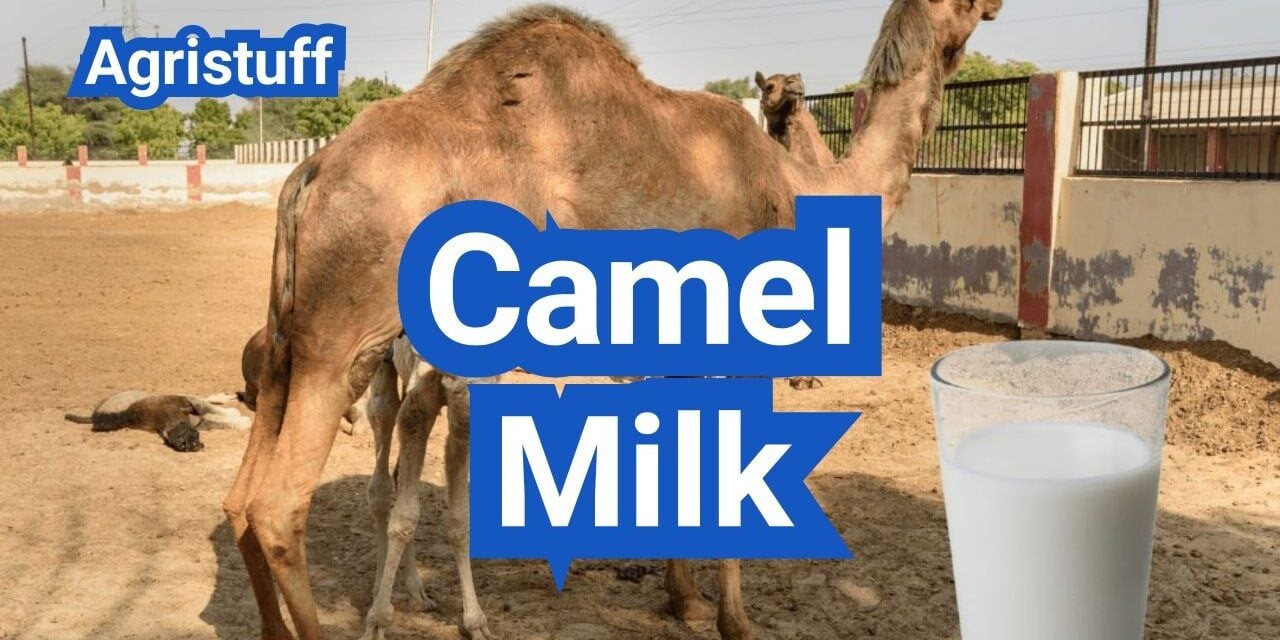
Historical nomadic tribes relied on a unique desert resource for survival in harsh climates for centuries. This ancient resource has recently moved from remote sands to become a trendy superfood in modern American cities. People enjoy its creamy texture and the way it sustains those in the most challenging environments on Earth.
Examining camel milk nutrition reveals high levels of vitamin C and essential iron compared to bovine options. This dromedary liquid offers impressive properties for daily wellness and immune support. Such natural advantages attract many people who are looking for healthy dairy alternatives in their diet.
This item is now appearing in local grocery shops across the United States. Consumers can find it at specialty retailers like Desert Farms or regional health markets. It provides a unique, slightly salty flavor that works well in a morning routine or as a post-workout snack. Producers are working hard to meet the growing demand while maintaining quality standards.
Every glass provides the natural goodness found in traditional settings. It serves as a fascinating bridge between ancient heritage and modern health trends. This beverage represents a nutrient-dense choice for anyone seeking to diversify their intake with high-quality ingredients.
Key Takeaways
- Rich source of vitamin C and iron for immune health.
- Naturally lower in lactose than traditional bovine products.
- Distinctive flavor profile that is creamy and slightly salty.
- Increasingly available at American specialty retailers like Desert Farms.
- Historically vital for nomadic cultures in arid environments.
- Provides unique proteins not found in common dairy sources.
Understanding the Basics of Camel Milk

As consumers become more health-conscious, camel milk is emerging as a sought-after alternative to traditional dairy products. This growing interest is largely due to its unique nutritional profile and potential health benefits. Camel milk has been consumed for centuries in various parts of the world, particularly in the Middle East and Africa, where camels are commonly found.
What is Camel Milk? and Why the Growing Interest?
Camel milk is the milk produced by camels, primarily dromedaries (one-humped camels) and Bactrian camels (two-humped camels). It is rich in nutrients and has been a staple in the diet of certain cultures for centuries. The growing interest in camel milk can be attributed to its nutritional benefits, which include high levels of vitamins, minerals, and proteins. Unlike cow’s milk, camel milk contains a different protein structure and lower lactose levels, making it a potential alternative for those with lactose intolerance or milk allergies.
The unique composition of camel milk has sparked scientific interest, with studies exploring its potential health benefits, including its effects on immunity and metabolism. As a result, camel milk is being increasingly sought after by health-conscious consumers looking for dairy alternatives.
Camel Milk vs. Cow Milk and Goat Milk: Key Differences
Camel milk differs significantly from cow’s milk and goat milk in terms of its sensory and biochemical characteristics. One of the notable differences is its slightly salty taste, which is distinct from the taste of cow or goat milk. Additionally, camel milk has a different protein profile and fat globule structure compared to cow’s milk.
When comparing camel milk to cow milk, several key differences emerge. Camel milk contains less lactose and has a different protein fraction, which may make it more tolerable for individuals with lactose intolerance or cow milk allergies. Goat milk, while also considered an alternative to cow milk, has a different nutritional profile compared to camel milk. For instance, goat milk contains a higher concentration of certain nutrients, but camel milk has its own set of unique benefits.
The differences between camel milk and other types of milk are not just limited to taste and nutritional content. The production process and availability of camel milk also vary significantly from cow and goat milk, affecting its market presence and consumer accessibility.
The Nutritional Profile of Camel Milk

Rich in essential nutrients, camel milk offers a compelling alternative to traditional dairy products. It is a rich source of nutrients, providing a unique combination of proteins, vitamins, and minerals.
Breaking Down Camel Milk Nutrition Facts
Camel milk is renowned for its high nutritional value. It contains high-quality protein and essential amino acids necessary for various bodily functions.
The milk is also a good source of key micronutrients such as calcium, potassium, zinc, and iron. Notably, camel milk contains vitamin C at concentrations approximately three to five times higher than cow’s milk, making it an excellent choice for those seeking to boost their vitamin C intake.
| Nutrient | Camel Milk (per 100ml) | Cow’s Milk (per 100ml) |
|---|---|---|
| Protein | 3.6g | 3.2g |
| Calcium | 120mg | 120mg |
| Potassium | 150mg | 140mg |
| Vitamin C | 5mg | 1-2mg |
| Iron | 0.2mg | 0.05mg |
Camel Milk Protein Profile and Bioactive Compounds
The protein profile of camel milk is unique and contains insulin-like proteins that may have antidiabetic activity. These bioactive compounds contribute to the potential health benefits associated with camel milk consumption.
The milk also contains other bioactive compounds that may have antimicrobial and anti-inflammatory properties.
The unique nutritional profile of camel milk, including its protein and bioactive compounds, positions it as a valuable dietary component for those seeking alternative nutritional sources.
Health Benefits of Camel Milk

Rich in nutrients and bioactive compounds, camel milk offers several health advantages. Camel milk has been traditionally consumed in various parts of the world for its nutritional and medicinal properties. Recent studies have begun to uncover the potential health benefits associated with its consumption.
Key Camel Milk Benefits for Immunity and Metabolism
Camel milk is rich in immunoglobulins and other immune-boosting compounds that may enhance the body’s defense against infections. The presence of lactoferrin, a protein with antimicrobial properties, further contributes to its immune-supporting effects. Additionally, camel milk contains a unique profile of fatty acids and other nutrients that can support metabolic health.
Immune System Support: Camel milk’s immunoglobulins and lactoferrin may help in fighting off pathogens and supporting overall immune function.
Potential Effects on Blood Sugar and Insulin Sensitivity
Research suggests that camel milk may have a positive impact on blood sugar levels and insulin sensitivity. Studies have indicated that camel milk consumption can lower blood sugar levels in individuals with type 1 and type 2 diabetes. The insulin-like proteins and other bioactive compounds in camel milk are thought to contribute to these effects.
| Study Group | Effect on Blood Sugar | Effect on Insulin Sensitivity |
|---|---|---|
| Type 1 Diabetes | Reduced blood sugar levels | Improved insulin sensitivity |
| Type 2 Diabetes | Lowered blood sugar levels | Enhanced insulin sensitivity |
Camel Milk and Autism Spectrum Disorder: What the Research Says
There is emerging evidence suggesting that camel milk may have a beneficial effect on individuals with Autism Spectrum Disorder (ASD). Some studies have reported improvements in behavioral symptoms and overall well-being among children with autism who consumed camel milk. The exact mechanisms are not fully understood, but it is hypothesized that the unique proteins and other compounds in camel milk may play a role.
While more research is needed to fully understand the potential benefits of camel milk for ASD, the existing evidence is promising. Parents and caregivers considering camel milk as a complementary therapy should consult with healthcare professionals to discuss the potential benefits and risks.
Addressing Common Myths and Misconceptions

As camel milk gains more attention, it’s crucial to separate fact from fiction regarding its benefits and characteristics. Camel milk has been the subject of various misconceptions that can impact consumer perceptions and decisions.
Myth Busting: Taste, Cost, and Scientific Backing
One common myth surrounding camel milk is its taste. Many believe it to be unpleasant or exotic, but in reality, camel milk has a distinctive taste, often described as slightly salty, smooth, and refreshing. The taste can vary depending on the camel’s diet, breed, and milking practices.
Another misconception is related to the cost. While it’s true that camel milk can be more expensive than traditional dairy milk due to factors like lower production volumes and higher production costs, its nutritional benefits and potential health advantages may justify the extra expense for some consumers.
The scientific backing for camel milk’s health benefits is another area where misconceptions exist. Some claims may be exaggerated or not supported by robust scientific evidence. However, there is a growing body of research that supports the potential health benefits of camel milk, including its nutritional profile and bioactive compounds.
Is Camel Milk Lactose-Free and Safe for Allergies?
A common question is whether camel milk is lactose-free. While it’s not entirely lactose-free, camel milk contains less lactose than cow’s milk, making it more tolerable for individuals with lactose intolerance. The lactose content can vary, but it generally ranges between 2.9% to 4.5%, which is lower than or comparable to cow’s milk.
Regarding allergy safety, camel milk is considered a novel protein that might be tolerated by some individuals with cow’s milk protein allergy. However, it’s essential for those with severe allergies to consult healthcare professionals before consuming camel milk.
In conclusion, understanding the facts about camel milk can help consumers make informed decisions. By addressing these common myths and misconceptions, we can better appreciate the value and potential benefits of camel milk.
How to Source and Buy Camel Milk in the U.S.

For those interested in trying camel milk, understanding where to source it in the U.S. is crucial. Camel milk is available in the U.S. through various online stores and specialty retailers, making it more accessible than ever before.
Navigating the Market: Where to Buy Camel Milk
Several online platforms and health food stores now stock camel milk, catering to the growing demand. Some of the popular places to buy camel milk include:
- Specialty health food stores
- Online retailers like Amazon
- Directly from camel dairy farms
- Some high-end grocery stores
When purchasing online, it’s essential to check the product’s origin, pasteurization status, and packaging to ensure quality.
Understanding Camel Milk Price and Availability
The price of camel milk is generally higher than that of cow’s milk due to several factors, including lower production volumes and the longer gestation period of camels. On average, a gallon of camel milk can cost between $25 to $40.
Availability can vary depending on the region, with some areas having more access to camel milk than others. Online shopping has made it easier for people across the U.S. to access camel milk, regardless of their location.
Camel Dairy Farms and Suppliers in the USA
There are several camel dairy farms and suppliers in the U.S. that produce and distribute camel milk. Some notable ones include:
- Desert Farms
- Aadvik Foods
- Summer Land Camel Milk
These farms not only provide high-quality camel milk but also contribute to the growing industry by promoting sustainable camel farming practices.
By understanding where to buy camel milk and what to expect in terms of price and availability, consumers can make informed decisions about incorporating this nutritious product into their diets.
Evaluating Different Forms of Camel Milk

From fresh to powdered, camel milk comes in multiple forms, each with its unique characteristics and benefits. The various forms cater to different consumer needs, whether it’s for nutritional purposes, taste preferences, or convenience.
Fresh vs. Frozen Camel Milk
Fresh camel milk is prized for its nutritional content and taste. It is often considered the most desirable form due to its minimal processing. However, its short shelf life can be a limitation. Frozen camel milk, on the other hand, offers a longer shelf life while retaining much of the nutritional value of fresh milk. The freezing process helps preserve the milk’s bioactive compounds.
Key differences between fresh and frozen camel milk:
- Fresh camel milk has a shorter shelf life compared to frozen.
- Frozen camel milk is more convenient for long-term storage.
- Both forms retain nutritional value, but freezing may slightly affect certain sensitive compounds.
Pros and Cons of Powdered Camel Milk
Powdered camel milk is a convenient and shelf-stable alternative to fresh or frozen milk. It is made by spray-drying or freeze-drying camel milk, which removes the water content and concentrates the nutrients. This form is ideal for storage and transportation.
Advantages of powdered camel milk include:
- Long shelf life without refrigeration.
- Ease of transportation and storage.
- Versatility in use, such as in recipes or as a supplement.
However, the processing involved in making powdered camel milk may affect its nutritional profile and taste compared to fresh or frozen forms.
Cultured Camel Milk and Camel Colostrum
Cultured camel milk is another form that offers unique benefits. The culturing process involves fermenting the milk with beneficial bacteria, which can enhance its nutritional profile and provide probiotic benefits. Camel colostrum, rich in antibodies and growth factors, is often used for its potential health benefits, particularly for immune system support.
Benefits of cultured camel milk and camel colostrum:
- Cultured camel milk provides probiotics and may aid digestion.
- Camel colostrum is rich in antibodies and can support immune function.
- Both forms offer additional nutritional benefits beyond regular camel milk.
Practical Tips for Consuming Camel Milk
As camel milk gains popularity in the U.S., understanding how to incorporate it into your diet is essential. Camel milk is a versatile and nutritious beverage that can be consumed in various ways, making it easy to add to your daily routine.
What Does Camel Milk Taste Like?
Camel milk has a unique taste that is often described as slightly salty and creamy. The flavor profile can vary depending on factors such as the camel’s diet and the processing method. Some people enjoy it plain, while others prefer it in recipes where its distinct taste can be masked or complemented.
“Camel milk has a rich, creamy texture that is quite different from cow’s milk,” notes a dairy expert. This unique taste makes it a fascinating addition to various culinary creations.
How to Incorporate Camel Milk into Your Diet
Incorporating camel milk into your diet can be straightforward. You can start by consuming it plain or chilled, similar to how you would drink cow’s milk. It’s also a great addition to smoothies and shakes, providing a nutritional boost.
- Use camel milk as a base for smoothies.
- Add it to your favorite cereal or oatmeal.
- Incorporate it into baked goods recipes.
Camel Milk Recipes and Culinary Uses
Camel milk is not just a healthy beverage; it’s also a versatile ingredient in cooking and baking. You can use it in place of cow’s milk in most recipes, including pancakes, muffins, and sauces. Its unique flavor can enhance a variety of dishes, from savory meals to sweet desserts.
Some popular camel milk recipes include:
- Camel milk pancakes with honey and fruit.
- Creamy camel milk soups.
- Camel milk-based ice cream.
Experimenting with camel milk in your kitchen can lead to the discovery of new flavors and recipes, making it a fun and nutritious addition to your culinary repertoire.
Safety Considerations and Potential Side Effects

As the popularity of camel milk grows in the U.S., it’s crucial to address the safety considerations and potential side effects associated with its consumption. While camel milk is touted for its nutritional benefits, like any other food product, it is not without risks.
Understanding Potential Risks of Camel Milk
Raw camel milk can pose health risks due to the presence of harmful organisms such as bacteria and viruses. These pathogens can cause serious illnesses, particularly in high-risk populations like pregnant women, children, and individuals with compromised immune systems.
Key risks associated with raw camel milk include:
- Bacterial infections: Such as Brucella, E. coli, and Salmonella.
- Viral infections: Including diseases caused by viruses that can be present in raw milk.
The Importance of Pasteurized Camel Milk
Pasteurization is a critical process that kills harmful bacteria and other pathogens, making camel milk safer for consumption. Pasteurized camel milk retains most of its nutritional benefits while significantly reducing the risk of illness.
Benefits of pasteurized camel milk:
- Reduced risk of bacterial and viral infections.
- Suitable for consumption by high-risk populations.
- Retains nutritional value.
When to Consult a Healthcare Professional
It’s essential to consult a healthcare professional before adding camel milk to your diet, especially if you have specific health conditions or concerns. They can provide personalized advice based on your health status and needs.
Individuals who should consult a healthcare professional include:
- Pregnant or breastfeeding women.
- Parents considering camel milk for their children.
- Individuals with weakened immune systems or chronic health conditions.
Camel Milk Products Beyond the Liquid
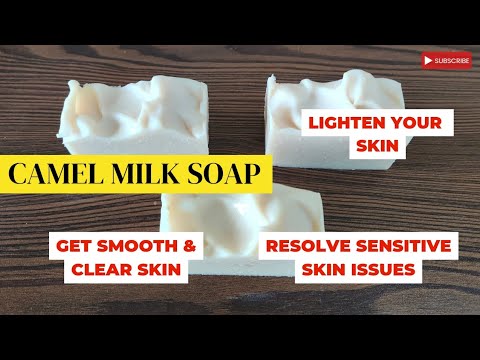
Beyond its liquid form, camel milk is being transformed into a variety of products that offer unique nutritional and cosmetic benefits. The diversity of these products caters to different consumer needs, from nutritional supplements to beauty care.
Camel Milk Cheese and Ghee
Camel milk is used to produce cheese and ghee, products that are rich in nutrients and have distinct flavors. Camel milk cheese is known for its high protein content and is considered a delicacy in many cultures. Camel milk ghee, on the other hand, is valued for its medicinal properties and is used in traditional medicine.
The process of making camel milk cheese involves fermenting the milk, which enhances its nutritional profile. Camel milk ghee is produced by clarifying butter made from camel milk, resulting in a product that is rich in vitamins and has anti-inflammatory properties.
| Product | Nutritional Highlights | Uses |
|---|---|---|
| Camel Milk Cheese | High in protein, rich in vitamins | Culinary, nutritional supplement |
| Camel Milk Ghee | Rich in vitamins, anti-inflammatory properties | Medicinal, cooking |
Camel Milk Skincare and Beauty Benefits
The moisturizing and nourishing properties of camel milk make it an ideal ingredient in skincare products. Camel milk skincare products are known for their ability to hydrate and protect the skin, making them popular among consumers looking for natural beauty solutions.
Camel milk contains vitamins and minerals that are beneficial for skin health, such as vitamin C and E, and lactic acid, which gently exfoliates and brightens the skin. These properties make camel milk an effective ingredient in creams, lotions, and soaps.
Camel Milk Chocolate and Other Specialty Items
For those with a sweet tooth, camel milk chocolate offers a unique taste experience. This product combines the nutritional benefits of camel milk with the pleasure of consuming chocolate, making it a sought-after treat.
Other specialty items made from camel milk include ice cream, yogurt, and butter, each offering a distinct flavor and nutritional profile. These products are not only delicious but also provide an alternative for those looking for dairy products with potential health benefits.
Top Brands and Suppliers to Consider
When it comes to sourcing high-quality camel milk, several top brands stand out in the U.S. market. These brands offer a range of products and have different production practices that cater to various consumer needs.
Desert Farms Camel Milk
Desert Farms is a prominent brand in the U.S. camel milk market, known for its high-quality products and sustainable practices. They source their camel milk from pasture-raised camels, ensuring a rich and nutritious product.
Desert Farms offers a variety of camel milk products, including fresh and frozen options, making it convenient for consumers to choose based on their preferences.
Aadvik Foods and Products
Aadvik Foods is another notable brand that specializes in camel milk products. They are committed to providing organic and non-GMO camel milk, catering to the growing demand for clean and sustainable food products.
Aadvik Foods offers a range of camel milk-based products, including powdered camel milk, which is ideal for those looking for a convenient and long-lasting option.
Summer Land Camel Milk and Dromedairy
Summer Land Camel Milk and Dromedairy are also significant players in the U.S. camel milk market. Summer Land Camel Milk is known for its grass-fed camel milk, which is rich in nutrients and has a unique taste profile.
Dromedairy, on the other hand, offers a variety of camel milk products, including camel milk cheese and other specialty items, providing consumers with a range of options to explore.
How to Store and Handle Camel Milk Properly

To maintain the quality and safety of camel milk, it’s crucial to follow the right storage and handling practices. Camel milk is a nutritious product that requires careful handling to preserve its nutritional value and ensure consumer safety.
Best Practices for Fresh and Frozen Storage
Fresh camel milk should be stored in the refrigerator at a temperature below 4°C (39°F) to slow down bacterial growth. It’s essential to consume or freeze it within a few days of purchase. For longer storage, freezing is a viable option. Frozen camel milk should be kept at -18°C (0°F) or below. When you’re ready to use it, simply thaw it in the refrigerator or thaw it quickly by submerging the container in cold water.
Storage Guidelines:
| Storage Method | Temperature | Duration |
|---|---|---|
| Refrigerated | Below 4°C (39°F) | 3-5 days |
| Frozen | -18°C (0°F) or below | Up to 6 months |
Handling Powdered Camel Milk for Longevity
Powdered camel milk is a convenient alternative that can be stored for longer periods. To maintain its quality, store it in a cool, dry place, away from direct sunlight and moisture. Once opened, it’s advisable to keep it in an airtight container to prevent exposure to air, which can cause it to degrade.
Tips for Powdered Camel Milk:
- Store in a cool, dry place.
- Keep away from direct sunlight.
- Use an airtight container after opening.
Tips for Boiling or Heating Camel Milk
When boiling or heating camel milk, it’s essential to do so gently to preserve its nutritional properties. Avoid boiling it vigorously or for extended periods, as this can destroy some of its beneficial compounds. If you need to heat it, use low heat and monitor the temperature closely.
By following these guidelines, you can enjoy camel milk while maintaining its nutritional value and safety.
Navigating Potential Downsides and Limitations
The increasing interest in camel milk is accompanied by a need to understand its potential drawbacks and research gaps. While it offers several health benefits, there are also limitations and potential downsides to its consumption.
Research Gaps and Therapeutic Claims
One of the significant limitations of camel milk is the existence of research gaps, particularly concerning its therapeutic claims. Many studies have suggested that camel milk has various health benefits, including improved immunity and insulin sensitivity, but more comprehensive research is needed to substantiate these claims fully.
Some of the therapeutic claims associated with camel milk include its potential effects on autism spectrum disorder and its role in managing blood sugar levels. However, the current body of research is not exhaustive, and more studies are required to understand its efficacy and safety for these conditions.
Why Camel Milk Might Not Be for Everyone
Camel milk, like any other food product, may not be suitable for everyone due to various reasons. Individual tolerance issues, allergic reactions, and lactose intolerance are some of the factors that could limit its consumption.
Here’s a comparison of the potential downsides of camel milk with other types of milk:
| Milk Type | Potential Downsides | Lactose Content | Allergy Concerns |
|---|---|---|---|
| Camel Milk | Research gaps, individual tolerance issues | Lower than cow milk | Potential allergen |
| Cow Milk | High lactose, allergy concerns | High | Common allergen |
| Goat Milk | Lactose intolerance, allergy concerns | Similar to cow milk | Potential allergen |
In conclusion, while camel milk offers several benefits, it’s crucial to be aware of its potential downsides and limitations. By understanding these factors, consumers can make informed decisions about incorporating camel milk into their diet.
At The End of: Camel Milk Guide
Camel milk offers a unique nutritional profile and various health benefits, making it a valuable alternative dairy source. The benefits of camel milk range from boosting immunity and metabolism to potentially aiding in the management of blood sugar levels and autism spectrum disorder.
Understanding the camel milk nutrition facts is crucial for those considering incorporating it into their diet. While it presents several advantages, it’s also important to be aware of its potential downsides and limitations, including variability in taste, cost, and availability.
As the market for camel milk continues to grow in the U.S., consumers have more options than ever. Brands like Desert Farms, Aadvik Foods, and Summer Land Camel Milk are leading the way in providing high-quality camel milk products. When sourcing camel milk, it’s essential to consider factors like pasteurization, storage, and handling to ensure safety and quality.
In conclusion camel milk is a nutritious and versatile dairy alternative that can be a great addition to a balanced diet for those who can access it. As research continues to uncover its benefits and potential therapeutic applications, camel milk is poised to become an increasingly popular choice among health-conscious consumers.
FAQ
What is camel milk? and why is it considered an important source of nutrition?
What is camel milk? It is a traditional dairy source consumed for centuries in desert cultures. It is an important source of nutrition because it is rich in nutrients such as Vitamin C, B vitamins, calcium, and iron. The camel milk nutrition facts reveal it has a unique camel milk protein profile lacking A1 beta-casein, making it a viable alternative for those who struggle with camel milk vs cow milk digestibility.
What are the key camel milk benefits for health and immunity?
Some of the key camel milk benefits include its ability to boost immunity and fight disease-causing organisms thanks to bioactive compounds like lactoferrin and immunoglobulins. Research suggests it may lower blood sugar and insulin levels, making camel milk and diabetes management a significant area of interest. Additionally, the antioxidant and immune-supporting components help protect the body from oxidative stress.
Is Camel Milk lactose-free?
Camel Milk is not lactose-free, but research reviews often report lower lactose than cow’s milk. Some people may find it easier to tolerate, yet anyone with significant lactose intolerance should still read the label, start cautiously, and avoid assuming universal tolerance. comparison review
What does Camel Milk taste like?
Camel Milk is usually described as mild and slightly sweet, though it can also seem a little salty or sharper than cow’s milk depending on feed, minerals, and water availability. The cleanest way to judge it is to try a plain pasteurized version before moving on to flavored or cultured products. taste review
Can you find Camel Milk easily in regular U.S. grocery stores?
Camel Milk is still a specialty item in the United States, so most shoppers will not find it as easily as cow’s milk in a standard supermarket dairy aisle. Availability is more likely through farm-direct shipping, premium natural-food channels, halal-focused retail, or regional specialty stores. availability example
Is raw Camel Milk safe to drink?
Camel Milk should be treated like any other milk from a food-safety perspective: raw versions carry a risk of harmful germs, and public health agencies recommend choosing pasteurized products. That recommendation is especially important for vulnerable consumers because pasteurization remains the clearest line of defense against avoidable dairy-borne illness.
Does Camel Milk work well for making cheese and yogurt?
Camel Milk can be used for cultured products, but it does not always behave like cow’s milk during processing. Its protein structure and coagulation behavior mean producers often need modified methods, which is one reason this category remains more specialized and less standardized than mainstream dairy manufacturing. cheesemaking review
Does camel milk help with brain conditions like autism spectrum disorder and ADHD?
Many parents explore camel milk for autism and camel milk adhd due to anecdotal evidence and emerging studies suggesting it may aid brain conditions and autism spectrum disorder. While more clinical trials are needed, families often report improvements in behavioral symptoms and camel milk for speech delay. Brands like Camel Culture and Desert Farms are frequently cited by the community for these specific uses.
What does camel milk taste like compared to other dairy?
If you are wondering what does camel milk taste like, it is generally described as slightly salty, creamy, and clean. Myth 1: camel milk tastes bad is a common misconception; while it has a distinct flavor, many find it similar to cow milk. In the camel milk vs goat milk debate, camel milk is often preferred because it lacks the “musky” or “tangy” flavor associated with goats.
Is camel milk lactose free and safe for those with milk allergies?
Is camel milk lactose free? Strictly speaking, no. However, it contains significantly less lactose than cow milk and a different nutrient profile, making it a better option for people with lactose intolerance. Because it lacks the beta-lactoglobulin protein, it is often safer for those with a cow milk allergy, though you should always consult a healthcare professional before trying it for food allergies.
Where can I buy camel milk in the U.S. and what is the typical camel milk price?
Finding camel milk in the u.s. is easier than ever. You can buy camel milk from specialty retailers like Camel Milk Whole Foods or online through Camel Milk Amazon. Leading suppliers include Desert Farms Camel Milk, Camelicious, and Camel Culture milk. The camel milk price is higher than cow milk, often ranging from $15 to $30 per pint, due to lower milk yields and the niche nature of the camel dairy farm industry.
What are the pros and cons of powdered camel milk versus fresh or frozen camel milk?
When looking at the pros and cons of powdered camel milk, the primary advantage is a longer shelf life and ease of shipping. Camel milk powder from brands like Aadvik Foods is convenient for travel. However, fresh camel milk or frozen camel milk may retain more active bioactive compounds. Camel milk delivery services often ship frozen bottles to maintain freshness from the farm to your door.
Are there any potential risks or side effects, such as Myth 6: camel milk causes diarrhea?
Regarding camel milk safety, the biggest risk involves raw camel milk, which may contain pathogens. It is highly recommended to consume pasteurized camel milk to avoid infections. As for possible side effects, some people may experience mild digestive changes as their gut adjusts. Myth 6: camel milk causes diarrhea is usually linked to consuming raw milk or overconsumption before the body is acclimated.
Can I use camel milk for skincare and beauty?
Yes, camel milk skincare is a growing trend. The milk is rich in alpha-hydroxy acids and vitamins, making it excellent for the skin. You can find products like camel milk soap or lotions from Summer Land Camel Milk and Dromedairy. Some users also apply it topically for camel milk eczema relief or to promote camel milk for hair growth.
What other camel milk products are available, such as ghee or chocolate?
The market has expanded to include camel milk cheese, camel milk ghee, and even sweets. Aadvik camel milk chocolate is a popular treat that combines the benefits of camel milk with cocoa. Camel ghee (or camel milk ghee) is a great lactose-free alternative for cooking, while camel colostrum is sought after as a concentrated supplement for gut health.
How should I store and handle my camel milk at home?
Fresh camel milk should be kept refrigerated and consumed within a few days. If you buy in bulk, frozen camel milk can last several months. When preparing the milk, boiling camel milk is possible, but gentle heating is preferred to preserve the delicate proteins. For powdered camel milk, store it in a cool, dry place and follow the instructions on how camel milk powder should be reconstituted for the best camel milk taste.
Conclusion of: Camel Milk
Camel Milk is no longer just a regional staple from desert and semi-arid cultures. In the United States, it is becoming a niche specialty dairy product for shoppers who want something different from cow’s milk, whether for taste, digestibility, cultural familiarity, or simple curiosity. Its growing visibility is driven by premium health-food demand, direct-to-consumer shipping, and a small but real regulated market for pasteurized and cultured products. NIH review
Camel Milk still remains hard to find compared with cow, goat, or sheep milk, but it is not outside the formal U.S. dairy system. The FDA’s Interstate Milk Shippers framework specifically lists categories for raw camel milk for pasteurization, pasteurized camel milk and milk products, and cultured camel milk and milk products, which shows that interstate commerce exists even though the category is still narrow and specialty-oriented. FDA interstate list
From a nutrition standpoint, Camel Milk is often described as broadly comparable to other milks in its core macronutrients, but different in meaningful details. Research reviews consistently note that composition can vary with breed, feed, climate, water access, and stage of lactation, so shoppers should think of it as a naturally variable food rather than a perfectly standardized beverage. composition review
Many consumers pay attention to Camel Milk because studies often report somewhat lower lactose than cow’s milk, along with a distinctive protein profile and notable levels of vitamin C, minerals, and bioactive compounds. That does not make it a miracle food, but it does explain why it attracts people who want a different dairy option and why it is frequently discussed in research on digestibility and functional foods. nutrition comparison
In flavor, Camel Milk is usually described as mild, clean, and slightly sweet, though some batches can taste sharper or faintly salty. Feed, mineral intake, hydration, and processing style all affect the sensory result, so one bottle may taste smoother and lighter than expected while another may lean more mineral-forward, especially when compared with the familiar creamy sweetness of cow’s milk. sensory overview
For households comparing alternatives, Camel Milk sits in an interesting middle ground: it is still an animal dairy product, but not simply a copy of cow’s milk in a new bottle. Some research points to lower cross-reactivity between camel and cow milk proteins, yet that should be treated as promising science rather than a guarantee of tolerance for every allergic consumer, especially for children or anyone with a diagnosed milk allergy. allergenicity study
Safety matters as much as nutrition, and Camel Milk should be approached with the same food-safety mindset used for any other dairy drink. Raw milk from any species can carry harmful pathogens, and pasteurization remains the most practical way to reduce that risk without meaningfully stripping away the basic nutritional value that people are buying the product for in the first place. FDA safety guidance
For U.S. buyers, the smartest rule is simple: choose pasteurized Camel Milk from a legitimate processor, keep it cold, and follow the label just as you would with any perishable dairy product. This is especially important for children, pregnant women, older adults, and anyone with a weakened immune system, because public health agencies continue to warn that raw milk poses avoidable illness risks. CDC raw milk guidance
When it comes to real-world U.S. availability, Camel Milk is usually found through specialty channels rather than mainstream supermarket coolers. University of Minnesota Extension has highlighted how demand exists in Somali and East African communities as well as among adventurous shoppers, but access remains limited and pricing remains much higher than conventional dairy, which is why many consumers encounter it first through specialty retail, halal markets, or direct ordering. Minnesota Extension article
Another practical point is that Camel Milk in the U.S. may reach customers frozen, shipped direct, or sold in cultured forms instead of fresh local bottles. University of Minnesota Extension described a Minnesota camel dairy producing pasteurized milk that is frozen and shipped nationally, which reflects the current reality of this market: demand exists, but distribution is still small-scale, regional, and logistically expensive compared with standard dairy supply chains. farm example
Product variety is also more limited because Camel Milk behaves differently in processing than cow’s milk. Reviews on dairy technology note that its protein structure, fat globules, and coagulation behavior can make standard cheesemaking and fermentation methods less predictable, which helps explain why drinkable milk, frozen milk, powders, and cultured products tend to appear more often than a broad shelf of everyday camel cheeses in U.S. stores. processing review
Quick checklist
- Look for pasteurized product, not raw product, when buying for household use.
- Check whether the bottle is fresh, frozen, or cultured before ordering.
- Read the ingredient list if you want plain milk rather than flavored or blended drinks.
- Compare serving size, protein, sugar, and calories on the label.
- Expect taste differences from batch to batch because animal diet and handling matter.
- Buy from a reputable farm, processor, or retailer with clear cold-chain practices.
- Keep the product refrigerated or frozen exactly as the label directs.
- Start with a small quantity if you are trying it for taste or tolerance reasons.
- Do not assume it is suitable for a diagnosed allergy without medical advice.
- Budget for premium pricing because it is a niche dairy product in the U.S.
Costs and ROI snapshot
Camel Milk has premium-price potential in the U.S., but premium price does not automatically mean easy profit. Minnesota Extension reported retail pricing around $12 to $15 per pint in one local-market context, which shows why the category attracts entrepreneurial interest, yet that same price point also reflects scarce supply, expensive handling, and a customer base that is still relatively narrow compared with cow’s milk buyers. pricing example
For U.S. farms and processors, Camel Milk economics depend on a handful of heavy cost drivers: animal acquisition, specialized handling and milking routines, housing and heat management, feed and water systems, raw milk cooling, transport efficiency, bottling or freezing, and regulatory compliance. Virginia Cooperative Extension notes that dairy grant programs in the Southeast now explicitly include camels and focus on storage, cooling, harvest modernization, housing, and precision management, which shows where real efficiency gains can improve return on investment over time. Virginia Cooperative Extension
A practical ROI view for Camel Milk is to treat it as a premium niche business, not a volume dairy play. Planning grants that include camel dairies can reimburse up to $30,000 for feasibility and business-planning work, while some infrastructure programs in the region reach up to $100,000, so returns improve most when farms build direct sales, cold-chain discipline, and value-added processing instead of relying only on raw fluid sales. grant program details
Common mistakes to avoid
- Assuming all products taste the same; flavor can shift with feed, season, and processing.
- Buying based on health hype instead of reading the label and safety information.
- Confusing lower lactose with completely lactose-free milk.
- Using it as a medical substitute without professional guidance.
- Ignoring pasteurization status when ordering online or from specialty sellers.
- Expecting cow-milk pricing in a niche market with higher logistics costs.
- Overlooking storage instructions, especially for frozen or thawed product.
- Assuming every U.S. grocery chain carries it regularly.
How to choose Camel Milk in the U.S.
If you are shopping for Camel Milk for the first time, begin with the format that best fits your household routine. Plain pasteurized milk works well for tasting the product on its own, while frozen bottles may make more sense when you are ordering from a distant farm, and cultured versions can be easier for some consumers who already enjoy tangier fermented dairy drinks. fermented products review
It is also worth matching Camel Milk to your reason for buying it. If your priority is everyday drinking, look for simple labeling and clean cold-chain handling; if your priority is storage and convenience, powders or frozen formats may be more practical; and if your priority is premium nutrition or niche retail sales, product consistency and trustworthy sourcing matter more than novelty alone. commercialization overview
Final thought
Camel Milk has real strengths in nutrition, novelty, cultural relevance, and premium-market appeal, but the smartest U.S. approach is balanced and practical. For consumers, that means buying pasteurized products from credible sellers and judging the milk on label facts, taste, and storage quality; for farms, it means treating the category as a carefully planned specialty dairy business built on compliance, cold-chain discipline, and premium positioning rather than mass-market volume. FAO overview
Sources & References
- NIH/PMC — Nutritional, Antimicrobial and Medicinal Properties of Camel’s Milk
- NIH/PMC — Comprehensive Review of Composition and Nutritional Value
- NIH/PMC — Camel Milk Composition and Techno-Functional Properties
- NIH/PMC — Camel Milk: Nutritional Composition and Therapeutic Properties
- NIH/PMC — Comparison of the Allergenicity and Immunogenicity of Camel and Cow Milk
- NIH/PMC — Overview of Probiotic Camel Milk as a Nutritional Beverage
- MDPI — Advancements in Camel Milk Drying Technology
- MDPI — Camel Milk: Antimicrobial Agents, Fermented Products, and Safety
- FAO — Camels and Dairy Production
- FDA — Interstate Milk Shippers List
- FDA — Pasteurized Milk Ordinance (PMO)
- CDC — Raw Milk Food Safety
- FDA — Keeping Your Milk Safe From the Grass to the Glass
- USDA APHIS — Milk, Dairy, and Egg Products
- University of Minnesota Extension — From the Desert Sand to Minnesota’s Dairyland
- University of Minnesota Extension — Halal Food Access and Camel Milk Demand
- Virginia Cooperative Extension — Dairy Pipeline 2026
- SDBII — Dairy Business Planning Grant