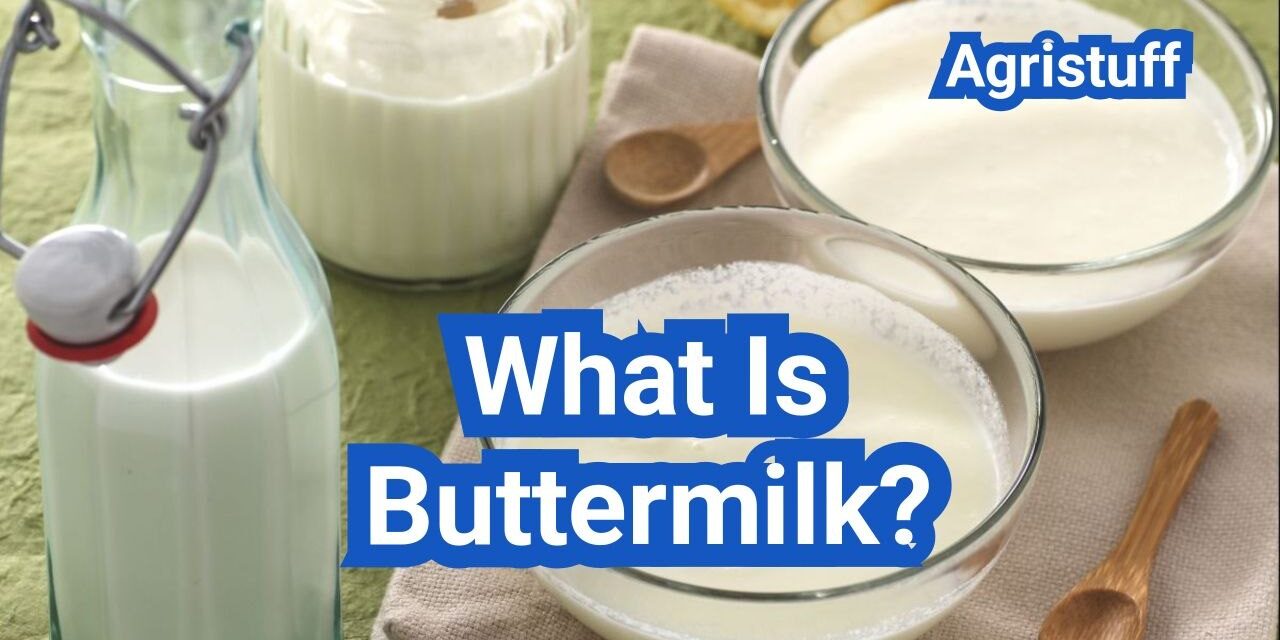
Many home cooks often wonder what is buttermilk and why it remains a staple in American kitchens. Historically, this liquid was the byproduct left behind after churning cream into solid fat. Today, the version found in the USA is quite different from that traditional buttermilk of the past.
Most modern grocery stores now stock cultured buttermilk. This product is created by adding specific bacterial cultures to low-fat liquid, which mimics the tangy flavor and thick texture of the original version. Understanding these differences is essential for achieving the best results when using buttermilk in baking.
Whether you are looking for the perfect rise in biscuits or a tender crumb in cakes, this ingredient provides necessary acidity. If you find yourself without any on hand, several buttermilk substitutes can help you finish your recipe successfully. Exploring these options ensures your kitchen projects always turn out delicious.
Key Takeaways
- Traditional versions were once the liquid byproduct of churning cream.
- Modern store-bought options are typically cultured with beneficial bacteria.
- The acidity in this ingredient is vital for activating leavening agents in recipes.
- You can easily create effective replacements using common pantry staples.
- Understanding the type of liquid used improves the texture of baked goods.
What is buttermilk? and how is it made?

Buttermilk’s origins date back to the early days of dairy farming and butter production. This tangy, creamy liquid has been a staple in many kitchens for centuries, serving not only as a baking essential but also as an ingredient in various recipes.
The history of traditional buttermilk
Traditionally, buttermilk was a byproduct of churning cream into butter. The process involved agitating cream until the butterfat globules separated from the liquid, leaving behind a sour, creamy liquid known as buttermilk. This traditional method was common in dairy farms where butter production was a regular practice.
Understanding modern cultured buttermilk
In contrast to traditional buttermilk, modern cultured buttermilk is made by fermenting milk with lactic acid bacteria. This process gives cultured buttermilk its characteristic tanginess and thickness. The bacteria used for fermentation are typically strains of Lactococcus lactis or Lactobacillus acidophilus, which are also found in yogurt and other fermented dairy products.
How is buttermilk made in the U.S.
In the United States, most buttermilk available in stores is cultured buttermilk. The production process involves adding bacterial cultures to low-fat or nonfat milk, which is then incubated at a warm temperature to encourage fermentation. After fermentation, the mixture is cooled and packaged for distribution. Some brands may also add thickeners or other ingredients to enhance the texture and shelf life.
| Characteristics | Traditional Buttermilk | Cultured Buttermilk |
|---|---|---|
| Production Method | Byproduct of churning cream into butter | Fermenting milk with lactic acid bacteria |
| Taste | Sour, slightly sweet | Tangy, slightly thick |
| Texture | Thin, watery | Thick, creamy |
| Availability | Rare, mostly homemade | Widely available in stores |
Nutritional profile and health benefits of buttermilk

Rich in vitamins and minerals, buttermilk is a healthy choice for many consumers. It is high in vitamins, potassium, and calcium, making it a nutritious addition to various diets.
Is Buttermilk Good for You
Buttermilk is considered a healthy option due to its high nutritional value. It contains probiotics that can aid digestion and overall health. The presence of calcium and potassium contributes to its health benefits, supporting bone health and potentially helping to manage blood pressure.
Key nutrients in buttermilk include:
- Calcium: Essential for bone health
- Potassium: Helps in managing blood pressure
- Probiotics: Supports gut health
- Vitamins: Contributes to overall nutritional intake
Comparing Buttermilk Nutrition to Regular Milk
When comparing buttermilk to regular milk, several differences emerge. Buttermilk generally has lower fat content and higher levels of certain nutrients. This comparison is crucial for understanding the nutritional advantages of buttermilk.
| Nutrient | Buttermilk | Regular Milk |
|---|---|---|
| Fat Content | Lower | Higher |
| Calcium | High | High |
| Probiotics | Present | Absent |
Potential Health Benefits and Downsides
Consuming buttermilk can have several health benefits, including improved digestion due to its probiotic content and stronger bones due to its high calcium content. However, individuals with dairy intolerance or sensitivity may experience adverse effects.
Potential health benefits:
- Improved digestion
- Stronger bones
- Supports healthy blood pressure
Potential downsides:
- Dairy intolerance issues
- High calorie count if not low-fat
Traditional vs cultured buttermilk

The distinction between traditional and cultured buttermilk is not just a matter of semantics; it affects the flavor, texture, and overall outcome of various dishes. While both types are used in cooking and baking, their differences are significant.
The Fermentation Process Explained
Cultured buttermilk is made by adding bacterial cultures to low-fat or nonfat milk, allowing it to ferment. This process thickens the milk and gives it a tangy flavor. The fermentation process involves the conversion of milk sugars into lactic acid, which acts as a natural preservative and contributes to the characteristic taste.
Flavor and Texture Differences
Cultured buttermilk has a thicker consistency and a tangier flavor compared to traditional buttermilk. The tanginess is a result of the lactic acid produced during fermentation. Traditional buttermilk, on the other hand, is the liquid left over after churning butter and has a thinner consistency and a milder flavor.
- Cultured buttermilk: thick, tangy, and widely available in supermarkets.
- Traditional buttermilk: thin, mild, and less commonly found.
Where to Buy Buttermilk in the USA?
Cultured buttermilk is widely available in most supermarkets across the United States. You can typically find it in the dairy section, often near the milk or yogurt. If you’re having trouble locating it, you can also check the refrigerated section where other cultured dairy products are kept.
For those looking for traditional buttermilk, it might be more challenging to find in stores. However, some specialty or local dairy farms might carry it. Alternatively, you can consider making a substitute or using cultured buttermilk as a replacement in most recipes.
How to make buttermilk at home

Creating buttermilk at home is a breeze, and it opens up a world of possibilities for your recipes. With just a few simple ingredients, you can have fresh buttermilk ready to use in your favorite dishes.
The 10-Minute Way to Make Buttermilk
For those in a hurry, making buttermilk at home can be done in just 10 minutes. Simply mix 1 cup of milk with 1 tablespoon of white vinegar or lemon juice in a bowl. Stir well and let it sit for 5-10 minutes to allow the mixture to curdle and thicken, creating a suitable substitute for buttermilk.
Ingredients Needed for Homemade Buttermilk
The ingredients needed for making buttermilk at home are straightforward. You will need:
- 1 cup of milk (whole, low-fat, or nonfat)
- 1 tablespoon of white vinegar or lemon juice
For a more traditional approach, you can also use buttermilk powder or active dry culture. These alternatives allow for a cultured buttermilk that’s closer to the store-bought version.
Making Buttermilk from Whole Milk
To make buttermilk from whole milk, you can follow the quick method mentioned earlier or opt for a culturing process. For the culturing method, you’ll need to mix whole milk with a buttermilk starter culture or active dry culture and let it sit at room temperature for 12-24 hours. This process allows the milk to ferment, giving it the characteristic tangy flavor of buttermilk.
By making buttermilk at home, you not only save a trip to the store but also have control over the ingredients and the final product’s consistency. Whether you’re baking, cooking, or just looking for a healthier alternative, homemade buttermilk is a versatile ingredient that can enhance a variety of dishes.
Best buttermilk substitutes for baking

Buttermilk adds a unique tanginess and tenderness to baked goods, but fortunately, there are several substitutes you can use when it’s not available. Whether you’re out of buttermilk or prefer not to use it, these alternatives can help you achieve similar results in your baking.
Using Lemon Juice or Vinegar as a Buttermilk Replacement
One of the simplest ways to substitute buttermilk is by mixing milk with lemon juice or vinegar. This method involves adding 1 tablespoon of lemon juice or white vinegar to 1 cup of milk. The acidity in the lemon juice or vinegar reacts with the milk, creating a similar consistency and tanginess to buttermilk. Let it sit for about 5-10 minutes before using it in your recipe.
Benefits: This method is quick, easy, and uses ingredients you likely already have in your kitchen.
Cream of Tartar and Milk Combinations
Another effective substitute for buttermilk is a mixture of milk and cream of tartar. To make this substitute, mix 1 cup of milk with 1 1/2 teaspoons of cream of tartar. The cream of tartar acts as an acid, similar to the lemon juice or vinegar, helping to curdle the milk and create a buttermilk-like texture.
Advantage: This method is particularly useful if you’re looking for a substitute that doesn’t add any additional flavor to your baked goods.
Non-Dairy and Vegan Buttermilk Alternatives
For those following a vegan diet or preferring non-dairy options, there are several alternatives to traditional buttermilk. You can make a non-dairy buttermilk by mixing non-dairy milk (such as almond, soy, or coconut milk) with lemon juice or vinegar, similar to the method described earlier. Another option is to use plain non-dairy yogurt or sour cream mixed with a little water or non-dairy milk to achieve the desired consistency.
Vegan Options: Experiment with different non-dairy milks to find the one that works best for you. Some may require adjusting the ratio of milk to acid or adding thickeners like cornstarch or tapioca flour to achieve the right consistency.
Using powdered buttermilk in your kitchen
Dehydrated buttermilk, or powdered buttermilk, is a pantry staple that can elevate your baking and cooking. It offers a convenient and shelf-stable alternative to fresh buttermilk, making it ideal for those who bake or cook frequently.
Benefits of Keeping Dehydrated Buttermilk on Hand
Keeping powdered buttermilk in your pantry can be incredibly beneficial. Here are some advantages:
- Long Shelf Life: Unlike fresh buttermilk, powdered buttermilk does not expire quickly, making it a convenient storage option.
- Easy to Use: Simply reconstitute with water when needed.
- Space-Saving: Powdered buttermilk takes up less space than cartons of fresh buttermilk.
- Versatile: Suitable for both baking and cooking recipes.
How to Reconstitute Buttermilk Powder
Reconstituting powdered buttermilk is straightforward. To make 1 cup of buttermilk, mix 1/4 cup of powdered buttermilk with 1 cup of water. Whisk until the powder is fully dissolved, and let it sit for a few minutes to thicken.
Comparing Fresh vs Powdered Buttermilk in Recipes
Both fresh and powdered buttermilk can be used in recipes, but there are some differences to consider:
- Flavor: Fresh buttermilk has a tangier, more pronounced flavor compared to reconstituted powdered buttermilk.
- Texture: Fresh buttermilk tends to have a thicker consistency, while reconstituted powdered buttermilk can be slightly thinner.
- Convenience: Powdered buttermilk is more convenient for storage and has a longer shelf life.
In conclusion, powdered buttermilk is a versatile and convenient ingredient that can be a valuable addition to your kitchen. Whether you’re baking or cooking, it provides a reliable alternative to fresh buttermilk.
Buttermilk in baking and its chemical role

The use of buttermilk in baking is more than just a tradition; it’s backed by chemistry. Buttermilk’s acidity reacts with baking soda to produce carbon dioxide, causing baked goods to rise. This reaction is crucial for achieving the right texture in many baked treats.
Why Buttermilk is Essential for Biscuits
Buttermilk is particularly important in biscuit recipes. The acidity in buttermilk helps to react with the baking soda, creating a light and flaky texture. Additionally, the moisture content in buttermilk contributes to the tenderness of biscuits.
Key benefits of using buttermilk in biscuits:
- Enhanced texture: Buttermilk helps create a flaky and tender crumb.
- Improved flavor: The tanginess of buttermilk adds depth to the biscuits.
- Better rise: The reaction between buttermilk and baking soda ensures biscuits rise properly.
The Science of Buttermilk in Pancakes
In pancake recipes, buttermilk serves a similar purpose. The acidity helps in leavening, making pancakes lighter. Moreover, the moisture content keeps the pancakes soft and fresh for longer.
The science behind buttermilk in pancakes involves:
- The acidic nature of buttermilk reacting with baking soda to produce carbon dioxide.
- The moisture content contributing to a tender texture.
Buttermilk vs Milk in Baking
When comparing buttermilk to regular milk in baking, buttermilk’s acidity and moisture content give it a distinct advantage. Regular milk lacks the acidity that is crucial for reacting with baking soda, which is necessary for the light and fluffy texture in many baked goods.
| Characteristics | Buttermilk | Regular Milk |
|---|---|---|
| Acidity | High | Low |
| Moisture Content | High | Moderate |
| Leavening Effect | Significant when combined with baking soda | Limited |
Mastering buttermilk biscuits
The art of making buttermilk biscuits is a delicate balance of ingredients and technique. To achieve bakery-style biscuits, it’s essential to understand the role of buttermilk and how to work with it effectively.
Tips for bakery style butter biscuits
To create flaky, tender biscuits, it’s crucial to keep your ingredients cold. This includes using cold buttermilk, cold butter, and even chilling your mixing bowl and utensils beforehand.
Another key factor is not overmixing the dough. Mix your dry ingredients and cold butter until the mixture resembles coarse crumbs, then gently fold in the buttermilk until the dough just comes together.
“The secret to tender biscuits lies in the gentle handling of the dough. Overworking will lead to tough, dense biscuits.”
Using the right type of buttermilk is also vital. Cultured buttermilk provides a tangier flavor and can help react with the baking soda to give your biscuits a light, airy texture.
Common mistakes when baking with buttermilk
One common mistake is using buttermilk that’s too thin or not acidic enough. This can affect the chemical reaction that helps biscuits rise.
Another mistake is overbaking. Buttermilk biscuits can go from perfectly golden to burnt quickly, so keep a close eye on them.
| Mistake | Effect | Solution |
|---|---|---|
| Using low-acidity buttermilk | Poor rise, dense biscuits | Use cultured buttermilk or add a splash of lemon juice/vinegar |
| Overmixing the dough | Tough, dense biscuits | Mix wet and dry ingredients separately, then gently combine |
| Overbaking | Burnt or dry biscuits | Bake until just golden, check frequently |
Achieving the perfect rise and texture
To achieve the perfect rise, ensure your baking powder is fresh and that you’re using the right ratio of buttermilk to dry ingredients.
The texture of your biscuits can be improved by using a light touch when rolling out the dough and cutting out the biscuits.
By following these tips and avoiding common mistakes, you can master the art of making delicious buttermilk biscuits that are sure to impress.
Savory cooking with buttermilk

Buttermilk is a versatile ingredient that can elevate various savory dishes. Its tangy flavor and creamy texture make it an excellent addition to many recipes.
Fried Chicken Perfection
Using buttermilk for fried chicken is a game-changer. The acidity in buttermilk helps to tenderize the chicken, while its moisture content ensures that the final product is juicy and flavorful. To make the perfect fried chicken, marinate the chicken pieces in buttermilk mixed with your favorite herbs and spices, then dredge them in a seasoned flour mixture before frying.
Cornbread Recipes
Buttermilk is also a crucial ingredient in traditional Southern cornbread recipes. It adds moisture and tenderness to the cornbread, making it a delicious accompaniment to many savory dishes. To make buttermilk cornbread, combine cornmeal, flour, sugar, baking powder, and salt with buttermilk, eggs, and melted butter. The result is a moist and flavorful cornbread that’s sure to please.
Dressings and Marinades
Incorporating buttermilk into dressings and marinades can add a rich, creamy texture and a tangy flavor. Use buttermilk as a base for creamy salad dressings, or as a marinade for chicken or fish before grilling or baking. You can also mix buttermilk with herbs and spices to create a delicious marinade for meats or vegetables.
Some ideas for using buttermilk in dressings and marinades include:
- Mixing buttermilk with ranch seasoning for a creamy salad dressing
- Using buttermilk as a marinade for chicken or fish before grilling or baking
- Combining buttermilk with herbs and spices to create a marinade for meats or vegetables
How to store and preserve buttermilk

Proper storage of buttermilk is crucial to maintaining its quality and extending its shelf life. Whether you’re using it for baking, cooking, or making dressings, knowing how to store buttermilk correctly can make a significant difference in its usability and freshness.
Fridge Storage and Shelf Life
Buttermilk can be stored in the refrigerator to prolong its freshness. When stored properly in a sealed container, it can last for up to a week. It’s essential to keep it away from strong-smelling foods, as buttermilk can absorb odors easily.
| Storage Method | Shelf Life |
|---|---|
| Fridge | Up to 1 week |
| Freezer | Up to 3 months |
Freezing Buttermilk
Yes, you can freeze buttermilk for later use. Freezing is a great way to extend its shelf life beyond a week. When freezing, it’s best to pour the buttermilk into an airtight container or freezer-safe bag, leaving some space for expansion. Frozen buttermilk is best used in recipes where it will be mixed with other ingredients, as its texture may change upon thawing.
Identifying Spoiled Buttermilk
It’s crucial to check buttermilk for signs of spoilage before using it. If your buttermilk has an off smell, a slimy texture, or visible mold, it’s best to discard it. Fresh buttermilk should have a tangy smell and a smooth texture.
By following these storage and handling tips, you can enjoy your buttermilk for a longer period while maintaining its quality.
Troubleshooting common buttermilk issues
Buttermilk can be a finicky ingredient, and troubleshooting common issues is essential for achieving the best results in baking and cooking. Whether you’re dealing with buttermilk that’s too thin, using a substitute, or encountering curdled buttermilk, there are solutions to these problems.
What to Do If Your Buttermilk Is Too Thin
If your buttermilk is too thin, it may not provide the desired texture in your recipes. One simple solution is to reduce the amount of liquid in the recipe. For instance, if a recipe calls for 1 cup of buttermilk, you can use 3/4 cup if your buttermilk is particularly thin. This adjustment can help maintain the right consistency in your final product.
Another approach is to add a thickening agent. You can mix a tablespoon of cornstarch or flour with a small amount of water until smooth, then add it to the buttermilk. Let it sit for a few minutes to allow the mixture to thicken before using it in your recipe.
Adjusting Recipes When Using a Buttermilk Substitute
When using a buttermilk substitute, such as a mixture of milk and lemon juice or vinegar, you may need to adjust the recipe accordingly. These substitutes can behave differently than real buttermilk, potentially affecting the final product’s texture and flavor.
- If using a lemon juice or vinegar mixture, reduce the amount used if you’re concerned about the flavor being too sour.
- For non-dairy buttermilk substitutes, check the brand’s instructions for any specific recommendations on using their product in recipes.
Handling Curdled Buttermilk in Recipes
Curdled buttermilk can still be used in many recipes, especially those where the texture won’t be a significant issue, such as in baked goods or cooked dishes. The acidity and moisture content of curdled buttermilk can still contribute positively to your recipe.
If you’re concerned about the appearance of curdled buttermilk, you can try whisking it vigorously before using. Sometimes, this can help re-emulsify the mixture, making it more suitable for recipes where texture is crucial.
By understanding how to troubleshoot common buttermilk issues, you can confidently use this versatile ingredient in your cooking and baking, achieving better results and reducing waste.
Exploring dairy-free and specialty buttermilk options

The world of buttermilk extends far beyond the conventional, with various dairy-free and specialty alternatives. These options cater to diverse dietary needs and preferences, ensuring that everyone can enjoy the benefits of buttermilk in their recipes.
Using oat milk or almond milk for vegan buttermilk
For those following a vegan diet, creating a vegan buttermilk substitute is straightforward. Non-dairy milks such as oat milk or almond milk can be used to make non-dairy buttermilk. To do this, mix 1 cup of non-dairy milk with 1 tablespoon of white vinegar or lemon juice. Let it sit for 5-10 minutes to curdle, mimicking the properties of traditional buttermilk.
Goat milk buttermilk and its unique properties
Goat milk buttermilk offers a different nutritional profile compared to cow’s milk buttermilk. It contains smaller fat molecules, making it easier to digest for some individuals. Additionally, goat milk buttermilk is rich in nutrients and has a distinct flavor that can enhance various recipes.
A2 milk and other specialty dairy considerations
A2 milk is another specialty option that has gained attention for its potential health benefits. Unlike regular milk, A2 milk contains only the A2 type of beta-casein protein, which some people find easier to digest. Using A2 milk to make buttermilk can be a good alternative for those sensitive to the A1 protein found in regular cow’s milk.
| Type of Buttermilk | Nutritional Profile | Flavor | Digestibility |
|---|---|---|---|
| Vegan (Oat/Almond Milk) | Lower in calories and fat; fortified with vitamins | Milder, slightly acidic | Easy to digest; lactose-free |
| Goat Milk | Rich in nutrients; smaller fat molecules | Distinct, slightly tangy | Easier for some to digest |
| A2 Milk | Similar to regular milk but with only A2 protein | Similar to regular buttermilk | Potentially easier for those sensitive to A1 protein |
These dairy-free and specialty buttermilk options provide a range of choices for consumers, whether they’re driven by dietary restrictions, preferences, or the pursuit of unique flavors.
Simple cooking hacks with buttermilk

Buttermilk is not just for baking; it’s a multifaceted ingredient that can enhance many recipes. Whether you’re looking to add a tangy flavor to your dishes or tenderize meats, buttermilk proves to be a versatile addition to your culinary arsenal.
Using Leftover Buttermilk in Smoothies
Don’t let leftover buttermilk go to waste. Incorporating it into your smoothies can add a creamy texture and a boost of nutrients. As Sarah Johnson, a nutritionist, notes, “Buttermilk can be a great addition to smoothies, providing a good source of protein and calcium.” To make a simple buttermilk smoothie, combine 1 cup of buttermilk, 1/2 cup of frozen berries, 1 tablespoon of honey, and a handful of ice. Blend until smooth and enjoy as a refreshing breakfast or snack.
Tenderizing Meats with Buttermilk
Buttermilk is renowned for its ability to tenderize meats, making it a staple in many recipes, particularly for fried chicken. The acidity in buttermilk breaks down the proteins in the meat, resulting in a tender and juicy final product. To tenderize chicken or pork, soak the meat in buttermilk for at least 30 minutes before cooking. You can also add herbs and spices to the buttermilk for extra flavor.
“The acidity in buttermilk is what makes it so effective at tenderizing meats. It’s a simple yet powerful technique that can elevate your cooking.” –
Chef Michael Smith
Quick Tips for Better Baking Results
When it comes to baking, buttermilk can be a game-changer. Here are a few quick tips to get the most out of your buttermilk:
- Always use cold buttermilk for the best results in baked goods.
- If you’re substituting buttermilk in a recipe, adjust the amount of baking soda accordingly to maintain the right chemical balance.
- For an extra-flaky crust on biscuits or scones, brush the tops with buttermilk before baking.
By incorporating these simple cooking hacks into your routine, you can unlock the full potential of buttermilk in your kitchen. Whether you’re making smoothies, tenderizing meats, or baking, buttermilk is sure to become a staple ingredient you can’t live without.
At The End of: Buttermilk Guide
Buttermilk is a versatile ingredient that has been a staple in many kitchens for centuries. From traditional buttermilk to cultured buttermilk, understanding the differences between these types can elevate your baking and cooking. Whether you’re making tender biscuits or crispy fried chicken, buttermilk plays a crucial role in achieving the perfect texture and flavor.
Baking with buttermilk can be a game-changer, as it adds moisture, tenderness, and a tangy flavor to baked goods. With its rich history and various uses, buttermilk is an essential ingredient in many recipes. By incorporating buttermilk into your cooking and baking, you can create delicious and authentic dishes that are sure to impress.
Whether you’re a seasoned chef or a beginner in the kitchen, experimenting with buttermilk can open up new possibilities in your culinary journey. With the knowledge of how to make buttermilk at home, use it in various recipes, and store it properly, you’re ready to get started and explore the world of buttermilk.
FAQ
Is cultured buttermilk the same as traditional buttermilk?
Not exactly. In current U.S. use, butter milk usually means the cultured version sold in cartons, while traditional buttermilk referred to the liquid left from churning butter. They overlap in flavor family, but they are not always the same in thickness, acidity, or baking behavior. review of fermented milks
Can I make a fast Buttermilk substitute at home?
Yes. A simple stand-in for butter milk is milk plus lemon juice or vinegar, and it can work well in many recipes. The main limit is that it copies acidity more than it copies the fuller cultured taste and body of a supermarket carton, so the result may be close rather than identical. buttermilk substitution method
Can I use Buttermilk in yeast baking?
Yes, but butter milk tends to shine most in quick breads where acidity and tenderness are central to the formula. In yeast doughs it can still add flavor and softness, but the recipe has to be built around its liquid balance and acidity rather than treating it as a casual swap with no other adjustments. Cooperative Extension guidance on acid and baking soda
Is powdered buttermilk worth keeping in the pantry?
For occasional bakers, butter milk powder can be a practical backup because it reduces refrigerator waste and lets you make a recipe without buying a full carton. It is especially useful when you bake in small batches or only need the ingredient once in a while, though you should still follow the manufacturer’s mixing directions for best performance. Purdue recipe substitutions
What is a quick 1 cup buttermilk substitute?
You can create a 1 cup buttermilk substitute by adding one tablespoon of white vinegar or lemon juice to a measuring cup, then filling the rest with milk. Let it sit for 5 to 10 minutes until it thickens slightly.
Can you freeze buttermilk if you don’t use the whole carton?
Yes, you can you freeze buttermilk for up to three months. It is best to freeze it in pre-measured amounts, like half-cup portions or ice cube trays, for easy use in future buttermilk baking uses. USDA dairy-storage guidance
Is there a difference between cultured buttermilk and traditional buttermilk?
Yes. Traditional buttermilk is the liquid left over after making butter from milk. Cultured buttermilk, which is what you find at Kroger or Safeway, is made by adding specific bacteria to milk to ferment and thicken it.
Where can I buy specialty buttermilk like goat or organic options?
You can find organic valley buttermilk at most major grocers like Publix or Whole Foods. For specialty options, Meyenberg goat milk butter and goat milk products are often available in the health food aisle or specialty dairy sections.
What are the benefits of using buttermilk for fried chicken?
Using buttermilk for fried chicken serves two purposes: the lactic acid tenderizes the meat, and the thick consistency allows the flour and spices to adhere better, creating a superior, crispy crust.
Is buttermilk good for you compared to regular milk?
Butter milk is good for health as it is typically lower in fat than whole milk and contains probiotics that support gut health. However, it still contains butter and lactose, so those with allergies should be cautious.
Can I make buttermilk from raw milk or whole milk at home?
Yes, making buttermilk from whole milk or making butter from raw milk is possible. If you churn cream into butter, the leftover liquid is traditional buttermilk. Alternatively, you can add an acid to whole milk to create an acidified buttermilk.
What is a good vegan substitute for buttermilk?
A popular vegan substitute for buttermilk is adding apple cider vinegar to soy or oat milk. Brands like Miyoko’s oat milk butter can also be used in recipes that require both butter and buttermilk flavors.
How long does buttermilk last in the refrigerator after opening?
Generally, how long does buttermilk last is about 14 days after opening. Because it is an acidic, cultured buttermilk, it tends to last slightly longer than regular milk, but you should always check for mold or a foul odor.
Why is buttermilk used in pancakes and biscuits?
In buttermilk pancakes and buttermilk biscuits, the acid in the milk reacts with baking soda to create carbon dioxide, which helps the dough or batter rise. It also helps break down gluten for a more tender texture.
Conclusion of: Buttermilk
What buttermilk means in a modern U.S. kitchen
For most American bakers, butter milk is not an old-fashioned leftover from home butter churning but a cultured dairy ingredient bought in a carton and used for flavor, tenderness, and reliable rise. That matters because many recipes assume a thicker, tangier, more acidic product than plain milk, especially in biscuits, pancakes, waffles, muffins, and snack cakes. Understanding that difference helps you choose the right carton, make smarter substitutions, and avoid dense or flat results when you bake. FDA cultured milk standard
Cultured vs traditional: the short answer
The easiest way to think about butter milk is this: traditional buttermilk came from the butter-making process, while cultured buttermilk is the standardized product sold in most U.S. supermarkets today. Traditional versions were usually thinner and tied closely to the cream or cultured milk used before churning, while commercial cultured versions are designed to deliver a more consistent texture, tang, and baking performance. For home cooks, that consistency is the real reason modern cartons are so useful in repeat recipes. USDA buttermilk definition for dairy processing
What traditional buttermilk really was
Historically, butter milk referred to the liquid left after butter was churned from cream, especially when the cream had already developed a natural fermented character. That older product could be lighter in body and less uniform from batch to batch because its flavor and acidity depended on the milk, the cream, the culture activity, and the butter-making method. In practical terms, traditional buttermilk had culinary value, but it was not always the same product modern U.S. recipe developers have in mind when they test baking formulas. peer-reviewed article on naturally fermented buttermilk
What cultured buttermilk is today
In today’s retail market, butter milk is usually a cultured product made by fermenting pasteurized or ultra-pasteurized dairy ingredients with selected microorganisms so the final product reaches a predictable tartness and structure. That predictability is why commercial bakers and home bakers can trust it in repeated batches of biscuits, cakes, and pancakes. When a recipe writer in the United States says “buttermilk,” this cultured version is almost always the form being assumed unless the recipe clearly says otherwise. Journal of Dairy Science review
Why bakers love it so much
The reason butter milk performs so well in baking is not only flavor but chemistry. Its acidity works with baking soda to create lift, while its dairy solids contribute tenderness and a pleasant crumb in quick breads and cakes. That combination is why the ingredient is a classic choice in biscuits, pancakes, and other batter-based products where you want a soft interior without a heavy texture. When the recipe is balanced correctly, the result is usually better rise, gentler tang, and more complexity than plain milk can offer on its own. N.C. State Extension baking substitution guidance
Best baking uses: biscuits, pancakes, and waffles
Some of the best uses for butter milk are recipes that depend on fast chemical leavening and a tender crumb, especially biscuits, pancakes, and waffles. In those foods, the ingredient supports fluffiness without making the texture cakey, and it adds enough tang to keep the flavor from tasting flat. It is particularly helpful in breakfast batters because it can make rich ingredients such as butter, eggs, or oil taste more balanced rather than heavy. Utah State University Extension buttermilk guide
Best baking uses: cornbread, muffins, and simple cakes
Another smart place to use butter milk is in cornbread, bran muffins, blueberry muffins, loaf cakes, and snack cakes, where moisture and a soft crumb matter as much as rise. It often gives cornbread a more rounded flavor, helps muffins stay tender, and makes simple cakes feel richer without necessarily adding extra fat. In recipes with baking soda, it can also help create the kind of balanced structure that makes homemade baked goods taste bakery-style instead of dry or chalky. Illinois Extension pancake and quick-bread reference
Texture depends on handling, not only the ingredient
Even the best butter milk cannot rescue a batter that has been overmixed or a biscuit dough that has been handled too aggressively. Quick breads stay tender when the wet and dry ingredients are combined only until moistened, because too much beating develops a coarse structure and can create tunnels or toughness. In other words, the ingredient helps, but technique still determines whether the final product is light and tender or heavy and disappointing. Mississippi State quick-breads guidance
Can you substitute it with milk and acid?
Yes, a common emergency substitute for butter milk is regular milk mixed with lemon juice or vinegar, and this works well enough for many everyday recipes. Still, it is not a perfect copy because it usually does not match the same thickness, cultured flavor, or body found in a commercial carton. If a recipe depends heavily on that tangy dairy character or on a thicker batter, the homemade version may bake slightly differently even when the rise is acceptable. Colorado State ingredient substitutions
How to choose the right carton in a U.S. grocery store
When you shop for butter milk in the United States, the safest move is to read the front label, the ingredient statement, and the date rather than assuming all brands behave exactly the same way. Most cartons on the shelf are cultured products, but fat level, thickness, and added stabilizing ingredients can vary by brand, which means one version may pour more easily while another may feel heavier in batter. If you bake often, buy the product that most closely matches the style used in your favorite tested recipes and stay consistent from one batch to the next. FDA ingredient-labeling rule
Storage, freezing, and food safety
After opening, butter milk should stay refrigerated and be treated like a perishable dairy product, not like a pantry ingredient. For best quality, use it within a reasonable refrigerator window, keep the carton cold, and avoid leaving it on the counter while mixing multiple batches. Freezing may be useful for later cooking or baking, but texture can change, so frozen-thawed product is usually better in pancakes, biscuits, or dressings than as a fresh pourable ingredient. Colorado State food-storage guide
It is useful beyond baking too
Although butter milk is famous in biscuits and pancakes, it also earns its place in savory cooking. Its tang works well in ranch-style dressings, slaws, dips, and chicken marinades, where it can help season the food evenly and support a pleasant coating or crust during cooking. For poultry, the smart rule is still food safety first: marinate under refrigeration, avoid cross-contamination, and discard used marinade unless you boil it properly for a sauce. USDA marinating guidance
Quick checklist
- Use cultured supermarket buttermilk unless a recipe specifically asks for a traditional version.
- Pair it with baking soda when the recipe depends on acidity for lift.
- Choose it for biscuits, pancakes, waffles, cornbread, muffins, and snack cakes.
- Keep ingredients cold for biscuits and similar doughs.
- Mix quick-bread batters only until the dry ingredients are moistened.
- Read the label so you know the fat level and whether the product is cultured.
- Refrigerate promptly after opening.
- Freeze leftovers only if you plan to use them later in cooked or baked recipes.
- Use a homemade milk-and-acid substitute only when you are willing to accept slight texture differences.
- For consistent results, stick with one brand once you find a product your recipes like.
Common mistakes to avoid
- Using plain milk 1:1 in a recipe built around buttermilk acidity.
- Overmixing muffin or pancake batter and creating a tough texture.
- Expecting a homemade substitute to taste exactly like a cultured product.
- Buying a large carton for one recipe and then letting the rest spoil.
- Leaving the carton out while you prep other ingredients.
- Using frozen-thawed product for applications where smooth pourable texture matters.
- Ignoring the recipe’s leavening balance when you swap between baking soda and baking powder.
- Assuming every brand has the same thickness and behavior in batter.
Costs and ROI snapshot
From a practical U.S. kitchen perspective, the real cost question with butter milk is not only the carton price but also waste, recipe reliability, and how often you bake. Frequent bakers usually get better value from keeping a fresh carton on hand because it improves consistency across biscuits, pancakes, cornbread, and snack cakes, which can reduce failed batches and recipe retesting. Occasional bakers may get better return from using a backup substitute or a shelf-stable powdered option, especially when a single recipe needs only a small amount. University of Kentucky quick-loaf guidance
Final thought
Butter milk is one of those ingredients that seems simple until you see how much it changes flavor, structure, tenderness, and consistency across baked goods. Once you understand the difference between traditional and cultured forms, you can shop more confidently, substitute more intelligently, and get better results from everything from weekday pancakes to serious weekend biscuits. USDA FoodData Central
Sources & References
- Buttermilk – Wikipedia
- How To Make Buttermilk in a Few Easy Steps – Food Network
- FDA Grade “A” Pasteurized Milk Ordinance
- 21 CFR Part 131 — Milk and Cream
- 7 CFR Part 246 — WIC food standards referencing cultured milks
- USDA FoodData Central Inventory and Update Log
- FDA Food Code
- Illinois Extension Recipe Substitutions
- Kansas State ingredient substitutions guide
- Utah State Extension tips on fermented foods and buttermilk
- Pacific Northwest food storage guide
- Systematic review on yogurt, cultured fermented milk, and health
- Journal of Dairy Research article on a fermented dairy beverage from buttermilk
- Study on a traditional fermented and dried buttermilk
- Texas A&M AgriLife safe home food storage guide