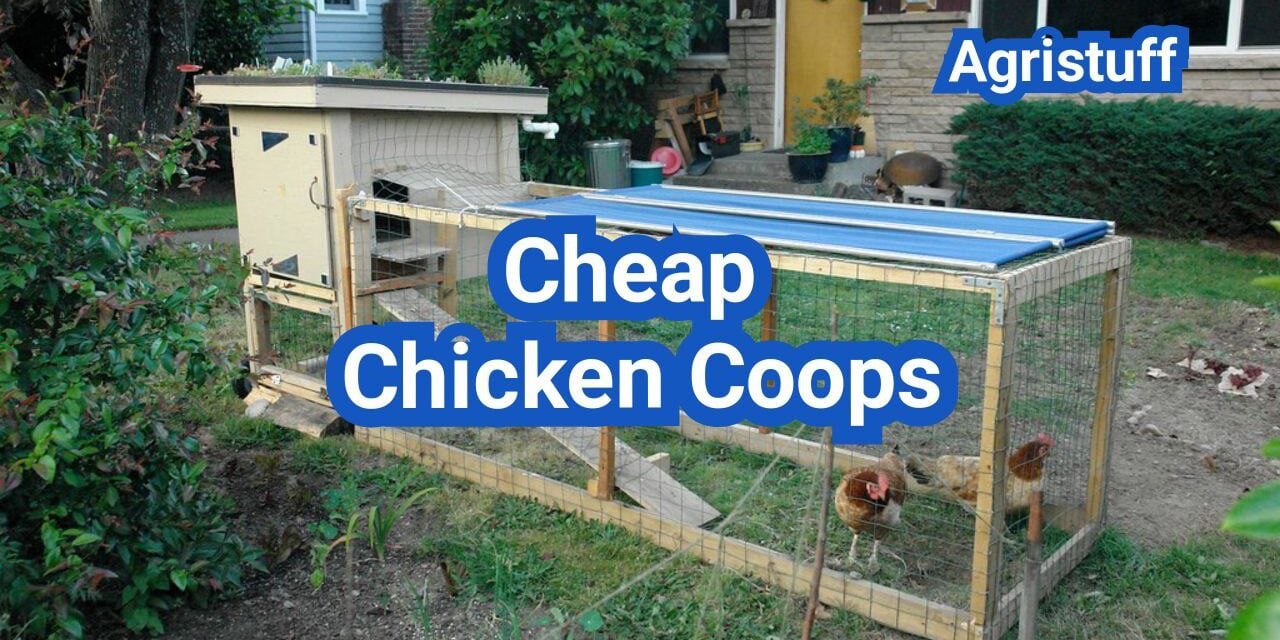
For many, backyard chicken keeping is a rewarding hobby, providing fresh eggs and a connection to nature. However, the joy can quickly turn sour with a poorly made coop ( Cheap Chicken Coops ).
Constant worries about predators, endless repairs, and back-breaking cleaning sessions are common complaints among those who have invested in subpar chicken coops. Investing in a quality coop is crucial for the well-being of your chickens and your peace of mind.
A well-made coop not only safeguards your chickens but also makes maintenance easier, ensuring that you can enjoy the benefits of backyard chicken keeping without the hassles.
Key Takeaways
- Investing in a quality coop is essential for backyard chicken keeping.
- A well-made coop protects chickens from predators and makes maintenance easier.
- Poorly made coops can lead to constant repairs and safety concerns.
- Choosing the right coop can enhance your overall chicken-keeping experience.
- Consider durability and ease of cleaning when selecting a coop.
Why Quality Matters Even in Budget Chicken Coops

The quest for an affordable chicken coop often leads to compromises, but understanding the essentials can help maintain quality. When building or purchasing a coop, it’s essential to strike a balance between cost and quality to ensure the health and safety of your chickens.
The Real Cost of Cutting Corners | Cheap Chicken Coops
Opting for the cheapest chicken coop available might save money upfront, but it can lead to costly repairs or replacements down the line. Investing in quality craftsmanship from the start can be more cost-effective in the long run. A well-built coop withstands various environmental conditions and predator threats, reducing the need for frequent repairs.
Balancing Affordability and Functionality | Cheap Chicken Coops
Finding a balance between affordability and functionality is key. While it’s possible to find budget-friendly chicken coops that are functional, it’s crucial to prioritize features that matter most, such as security, ventilation, and ease of cleaning. A coop that meets these basic needs can be both affordable and effective.
Space Requirements Per Chicken | Cheap Chicken Coops
Providing adequate space for your chickens is crucial for their health and well-being. A general rule of thumb is to provide at least 3-4 square feet per chicken inside the coop. Overcrowding can lead to stress and health issues among the flock.
Protection from Predators | Cheap Chicken Coops
Protecting your chickens from predators is a top priority. A quality chicken coop should be designed with predator-proofing in mind, including sturdy materials and secure locking mechanisms. This not only safeguards your chickens but also gives you peace of mind.
Weather Considerations | Cheap Chicken Coops
Weather conditions can significantly impact the longevity and effectiveness of a chicken coop. Proper insulation and ventilation are essential to keep the coop cool in the summer and warm in the winter. Choosing materials that can withstand various weather conditions is also vital.
Understanding Your Flock’s Basic Needs

Before investing in a chicken coop, it’s essential to grasp the basic necessities of your chickens. Understanding these needs will help you make informed decisions when selecting or building a coop that keeps your flock healthy and happy.
Space Requirements Per Chicken
Providing adequate space is crucial for the well-being of your chickens. A general rule of thumb is to allocate at least 3-4 square feet per chicken inside the coop. This space allows for comfortable movement and reduces stress among the flock.
| Number of Chickens | Minimum Coop Size (sq. ft.) |
|---|---|
| 2 | 6-8 |
| 4 | 12-16 |
| 6 | 18-24 |
Protection from Predators | Cheap Chicken Coops
Securing your coop is vital to protect your chickens from predators such as foxes, raccoons, and hawks. Using strong materials and secure locking mechanisms can significantly reduce the risk of predator attacks.
Weather Considerations | Cheap Chicken Coops
Your chicken coop should be designed to withstand various weather conditions. Ensuring proper ventilation and insulation can help maintain a comfortable temperature inside the coop, regardless of the outside weather.
Common Pitfalls of Cheap Chicken Coops

When it comes to cheap chicken coops, the old adage ‘you get what you pay for’ often rings true. While budget-friendly options may seem appealing, they can lead to a range of problems that may end up costing more in the long run.
Flimsy Construction Issues | Cheap Chicken Coops
One of the most significant issues with cheap chicken coops is their construction. Flimsy materials and poor build quality can result in a coop that is not durable, leading to frequent repairs or even replacement. For instance, a coop made from thin plywood or weak wire mesh may not withstand harsh weather conditions or predators.
Common construction issues include:
- Thin or weak materials
- Poorly designed or assembled structures
- Inadequate support or foundation
Inadequate Predator Protection | Cheap Chicken Coops
Another critical concern is the level of protection cheap chicken coops offer against predators. Many budget coops lack robust security features, leaving chickens vulnerable to attacks from raccoons, foxes, or other predators. A secure coop should have strong wire mesh, sturdy doors, and reliable locking mechanisms.
| Predator Protection Features | Importance Level | Common Issues in Cheap Coops |
|---|---|---|
| Strong Wire Mesh | High | Thin or weak mesh |
| Sturdy Doors | High | Poorly attached or weak doors |
| Reliable Locking Mechanisms | High | Simple or easily broken locks |
Poor Ventilation Problems | Cheap Chicken Coops
Poor ventilation is another issue commonly found in cheap chicken coops. Inadequate airflow can lead to moisture buildup, ammonia from chicken droppings, and increased risk of respiratory problems for the chickens. Proper ventilation is essential for maintaining a healthy environment.
Ensuring good airflow can be as simple as adding windows or vents to the coop. Regular cleaning and maintenance also play a crucial role in keeping the coop well-ventilated and healthy for the chickens.
Materials That Make a Difference

The choice of materials for a chicken coop significantly impacts its durability and functionality. When selecting a chicken coop, it’s essential to consider the materials used in its construction to ensure they meet the needs of your flock.
Affordable Yet Durable Wood Options | Cheap Chicken Coops
Wood is a popular choice for chicken coops due to its natural insulation properties and aesthetic appeal. Affordable yet durable wood options include:
- Pine: A cost-effective option that is widely available.
- Cedar: Naturally resistant to pests and decay.
- Cypress: Durable and resistant to moisture.
These woods offer a good balance between cost and durability.
Metal Components: Where to Invest | Cheap Chicken Coops
Metal components are crucial for the structural integrity and security of a chicken coop. Investing in high-quality metal parts, such as:
- Hardware cloth for predator protection.
- Sturdy hinges and latches.
can significantly enhance the coop’s durability and safety.
Plastic Elements: Pros and Cons | Cheap Chicken Coops
Plastic elements can be used in chicken coops for features like:
- Roofing: Lightweight and waterproof.
- Ventilation windows: Easy to clean and maintain.
However, plastic can be prone to damage from UV exposure and extreme temperatures. It’s essential to weigh these pros and cons when considering plastic components for your chicken coop.
Essential Features of Effective Cheap Chicken Coops

Building or buying a cheap chicken coop requires careful consideration of several critical elements. An effective chicken coop is one that balances affordability with functionality, ensuring the health and safety of your flock.
Proper Ventilation Systems | Cheap Chicken Coops
A proper ventilation system is crucial in a chicken coop to remove moisture and ammonia from the chickens’ droppings. This helps prevent respiratory issues and keeps the coop dry. Look for coops with adequate windows, vents, or mesh panels that allow for good airflow without creating drafts.
Secure Latches and Locks | Cheap Chicken Coops
Secure latches and locks are vital to protect your chickens from predators. Cheap coops often skimp on hardware, so it’s essential to inspect these features closely. Consider upgrading to predator-proof latches if necessary.
Easy Cleaning Access | Cheap Chicken Coops
A coop with easy cleaning access can save you time and effort in the long run. Features like removable panels, slide-out trays, or large doors make cleaning simpler and more efficient.
Nesting Box Requirements | Cheap Chicken Coops
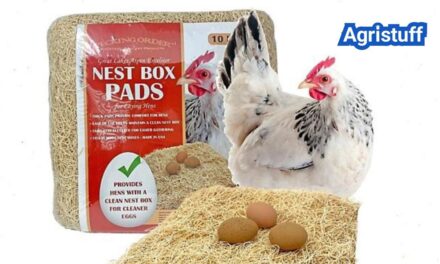
Nesting boxes should be safe, comfortable, and accessible for your hens. A general rule is to have one nesting box per 3-4 hens. Ensure they are well-ventilated, protected from the elements, and easy to clean.
By focusing on these essential features, you can create or purchase a cheap chicken coop that is both effective and safe for your chickens.
DIY vs. Pre-Made: Cost Comparison

Deciding between a DIY chicken coop and a pre-made one requires careful consideration of costs, time, and the needs of your flock. The total cost of ownership is a crucial factor that influences this decision.
Hidden Costs of DIY Projects | Cheap Chicken Coops
While building a DIY chicken coop might seem cost-effective initially, there are several hidden costs to consider. These include the cost of materials, tools, and your time. Additionally, mistakes made during construction can lead to unexpected expenses.
| Cost Component | Estimated Cost |
|---|---|
| Materials | $100-$300 |
| Tools | $50-$100 |
| Time (labor) | $0 (if DIY) or $100-$300 (if hired) |
| Mistakes/Corrections | $50-$100 |
Total Estimated Cost for DIY: $200-$800
When Pre-Made Makes Financial Sense
Pre-made chicken coops come with a fixed price tag, which can range from $100 to over $1,000, depending on size and features. While they might seem more expensive upfront, they often come with warranties and are built to last, potentially saving money in the long run.
- Initial cost is transparent and fixed
- Warranties and quality assurance can reduce long-term costs
- No additional cost for tools or labor
When considering the total cost of ownership, including potential repairs and maintenance, pre-made coops can be a financially sensible option for many backyard chicken keepers.
Best Cheap Chicken Coops Under $200

Several top-rated chicken coops are available for under $200, offering a range of features and benefits. When searching for an affordable chicken coop, it’s essential to consider factors like durability, predator protection, and ease of cleaning.
Two notable options in this price range are the OverEZ Small Chicken Coop and the Omitree Wooden Chicken Coop. Let’s take a closer look at what each has to offer.
OverEZ Small Chicken Coop | Cheap Chicken Coops
The OverEZ Small Chicken Coop is a compact and efficient option for small backyard flocks. It’s designed for easy assembly and features a sturdy construction that can withstand various weather conditions. This coop is ideal for those with limited space, providing a safe and comfortable environment for up to 3 chickens.
- Easy to assemble without special tools
- Durable materials for long-lasting use
- Compact design for small backyards
Omitree Wooden Chicken Coop | Cheap Chicken Coops
The Omitree Wooden Chicken Coop offers a more traditional wooden design with modern features. This coop is made from high-quality wood and includes features like easy cleaning access and secure locking mechanisms. It’s suitable for up to 6 chickens and provides ample ventilation.
- High-quality wooden construction
- Easy cleaning and maintenance
- Secure predator protection features
Both of these coops offer excellent value for their price, providing essential features for keeping chickens safe and healthy. When choosing between them, consider your specific needs, such as the number of chickens you plan to keep and the space available in your backyard.
Mid-Range Options: $200-$400 Worth Considering

When looking for a chicken coop that balances quality and affordability, mid-range options between $200 and $400 are worth considering. This price range offers a variety of features and materials that can enhance the health and safety of your flock.
Aivituvin Wooden Chicken Coop | Cheap Chicken Coops
The Aivituvin Wooden Chicken Coop is a popular choice among backyard chicken keepers. Made from high-quality wood, this coop is not only durable but also provides a natural aesthetic that can blend well with most backyard environments.
Key features include:
- Spacious interior for comfortable roosting
- Easy-to-clean design
- Secure locking mechanism
Petmate Chicken Coop | Cheap Chicken Coops
The Petmate Chicken Coop is another excellent option in the mid-range category. It boasts a sturdy construction and features that cater to the needs of both the chickens and their keepers.
| Feature | Description |
|---|---|
| Ventilation System | Provides excellent airflow to keep the coop dry and comfortable |
| Easy Access | Large door for simple cleaning and egg collection |
| Predator Protection | Secure latches and robust materials to protect against predators |
Both the Aivituvin Wooden Chicken Coop and the Petmate Chicken Coop offer great value for their price, providing essential features that can improve the living conditions of your chickens.
Modifying Affordable Coops for Better Performance

Maximizing the potential of your affordable chicken coop requires some strategic modifications. By making a few targeted upgrades, you can significantly enhance the performance and longevity of your coop.
Simple Predator-Proofing Upgrades | Cheap Chicken Coops
One of the most critical aspects of modifying your chicken coop is ensuring it’s secure from predators. Simple upgrades include installing stronger locks and reinforcing wire mesh with hardware cloth. “A secure coop is a happy coop,” as many seasoned chicken keepers say. These upgrades can be done on a budget and make a significant difference in protecting your flock.
Weatherproofing on a Budget | Cheap Chicken Coops
Weatherproofing your coop doesn’t have to be expensive. Using affordable materials like waterproof sealants and insulation can help regulate the internal temperature and keep your chickens dry. Consider adding extra ventilation to prevent moisture buildup, which can lead to health issues for your chickens.
Extending Coop Life with Basic Treatments | Cheap Chicken Coops
Regular maintenance is key to extending the life of your chicken coop. Basic treatments include applying a protective coat of paint or sealant to the wood to prevent rot and damage from the elements. As
“A well-maintained coop is a long-lasting coop,” a principle that underscores the importance of regular upkeep.
By dedicating a little time and resources to maintenance, you can significantly prolong the life of your coop.
Seasonal Considerations for Budget Coops
To keep your chickens healthy year-round, it’s essential to modify your coop according to the season. Different times of the year bring different challenges, from freezing temperatures to sweltering heat, and your coop needs to be able to adapt.
Winter Adaptations Without Breaking the Bank
During winter, it’s crucial to keep your chicken coop warm and draft-free. One cost-effective method is to use thick, insulating materials like straw or hay to line the coop. This natural insulation can help retain warmth. Additionally, ensuring that the coop is well-sealed against cold air and moisture can make a significant difference. Consider using plastic or rubber seals around any gaps or holes.
| Material | Insulation Effectiveness | Cost |
|---|---|---|
| Straw | High | Low |
| Hay | High | Low |
| Plastic Seals | Moderate | Moderate |
Summer Heat Management Solutions | Cheap Chicken Coops
Summer brings its own set of challenges, primarily heat stress. To keep your chickens cool, ensure your coop has proper ventilation. Installing windows or vents that can be opened to allow hot air to escape is a simple and effective solution. You can also use shading materials like tarps or shade cloths to block direct sunlight. Providing cool water and ensuring that your chickens have a cool place to rest is also crucial.
Space-Saving Designs for Small Backyards

Maximizing space is crucial when designing chicken coops for small backyards. Homeowners with limited space can still enjoy the benefits of raising chickens by opting for space-saving designs.
Vertical Coop Options | Cheap Chicken Coops
One effective way to save space is by going vertical with your chicken coop design. Vertical coop options make use of the often-underutilized vertical space in small backyards. These designs typically involve multi-level coops where chickens can roost on upper levels, and the lower levels are used for nesting boxes or storage. By stacking these elements, you can significantly reduce the footprint of your coop.
Vertical coops can be particularly beneficial in urban settings where yard space is at a premium. They also offer the advantage of being more secure from predators, as the chickens are higher off the ground.
Combination Coop and Run Designs
Another space-saving strategy is to combine the coop and run into a single, integrated unit. Combination coop and run designs are efficient because they eliminate the need for separate areas, thus saving space. These designs often feature a coop at one end, with a fenced run extending out from it, providing the chickens with a secure area to roam.
These combination units are not only space-efficient but also simplify the process of caring for your chickens, as everything they need is contained within one structure.
Mobile vs. Stationary Cheap Chicken Coops
When it comes to affordable chicken coops, one of the key decisions you’ll face is whether to opt for a mobile or stationary design. This decision can significantly impact the health, happiness, and productivity of your flock.
Benefits of Tractor-Style Coops | Cheap Chicken Coops
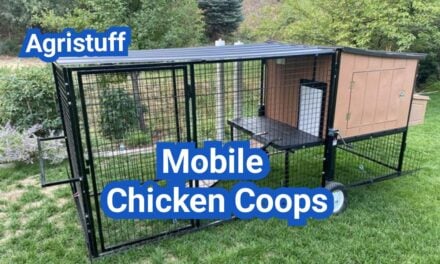
Mobile or tractor-style chicken coops offer several benefits, including the ability to move the coop to different locations, which can help with pest control and fertilization of the soil. This mobility allows you to rotate your chickens through various areas of your yard, promoting healthier pasture and reducing the risk of disease.
Additionally, tractor-style coops can be an excellent choice for those with limited space, as they can be moved to different areas as needed.
When Fixed Coops Make More Sense | Cheap Chicken Coops
On the other hand, stationary or fixed chicken coops can provide a more permanent solution and are often easier to secure against predators. They can be built or purchased with more robust materials, offering better protection for your flock.
Fixed coops are also generally easier to manage in terms of feeding and egg collection, as they remain in one location. This can be particularly beneficial for larger flocks or for those who prefer a more traditional chicken-keeping experience.
In conclusion, the choice between mobile and stationary chicken coops depends on your specific needs, available space, and the size of your flock. By considering these factors, you can make an informed decision that works best for you and your chickens.
Extending the Life of Your Budget Coop
Your budget chicken coop can last longer with the right maintenance and care. Extending its life not only saves you money but also ensures your chickens remain safe and healthy.
Maintenance Schedule for Longevity | Cheap Chicken Coops
Regular maintenance is key to a long-lasting coop. This includes:
- Weekly cleaning to remove soiled bedding and waste
- Monthly inspections for damage or wear
- Quarterly treatments to protect against pests and diseases
By following this schedule, you can identify and address issues before they become major problems.
| Maintenance Task | Frequency | Benefits |
|---|---|---|
| Cleaning | Weekly | Reduces disease risk |
| Inspections | Monthly | Early detection of damage |
| Treatments | Quarterly | Protects against pests |
Quick Repairs That Prevent Bigger Issues | Cheap Chicken Coops
Quick repairs are essential for preventing minor issues from becoming major problems. Focus on:
- Fixing broken boards or wires promptly
- Replacing worn-out bedding materials
- Ensuring all doors and windows are secure
Avoiding Online Shopping Mistakes

Online shopping for chicken coops can be a minefield, but with the right knowledge, you can avoid common pitfalls. When browsing online retailers, it’s crucial to be vigilant and not just focus on the price tag.
Red Flags in Product Descriptions | Cheap Chicken Coops
When reading product descriptions, watch out for vague language or overly promotional content. Look for specific details about the materials used, dimensions, and features of the chicken coop. Be wary of descriptions that seem too good to be true or lack concrete information. Check for mentions of durability, weather resistance, and predator protection. A well-written description should provide you with a clear understanding of what you’re buying.
Reading Between the Lines in Reviews | Cheap Chicken Coops
Customer reviews can be a valuable resource, but it’s essential to read between the lines. Look for patterns in the feedback, such as multiple reviewers mentioning the same issue. Be cautious of fake reviews that seem overly positive or use similar language. Check the date of the review to ensure it’s recent and relevant. Verified purchase reviews are generally more trustworthy than those without verification.
Where to Find Deals on Quality Chicken Coops

To get a quality chicken coop without overspending, it’s crucial to explore different shopping avenues. Savvy backyard chicken keepers can find excellent deals by being aware of seasonal sales patterns, considering second-hand options, and knowing the differences between agricultural supply stores and big box retailers.
Seasonal Sales Patterns | Cheap Chicken Coops
Many retailers offer discounts on chicken coops during off-peak seasons. For instance, late fall or early winter is often a good time to find sales as stores clear out inventory before the next spring’s demand. Keep an eye on seasonal sales to snag a quality coop at a lower price.
Second-Hand Options Worth Considering
Exploring second-hand marketplaces can yield great deals on gently used chicken coops. Websites like Craigslist, local farm supply stores, or online poultry communities often have listings for pre-owned coops. When purchasing second-hand, inspect the coop thoroughly for any signs of wear or potential predator vulnerabilities.
Agricultural Supply Stores vs. Big Box Retailers
Agricultural supply stores often carry higher-quality chicken coops designed with poultry keepers’ needs in mind. While big box retailers may offer lower prices, the quality might not be as high. Comparing both options can help you find the best value for your money. Consider the long-term durability and specific features that matter to you.
Making Smart Investments in Affordable Chicken Housing
Investing in a chicken coop is a significant decision for backyard farmers and poultry enthusiasts. As discussed, affordable chicken housing requires careful consideration of several factors, including quality, functionality, and durability.
When searching for the ideal coop, it’s essential to prioritize features that ensure the health and safety of your flock, such as proper ventilation, secure latches, and protection from predators. By doing so, you can make smart chicken coop investments that provide long-term benefits.
A well-designed chicken coop guide should take into account the specific needs of your flock, including space requirements, weather considerations, and seasonal adaptations. By balancing affordability with these essential features, you can create a safe and healthy environment for your chickens.
Ultimately, making smart investments in affordable chicken housing requires a thoughtful approach to coop design, materials, and maintenance. By following the guidelines outlined in this article, you can find or create a chicken coop that meets your needs and provides a happy home for your flock.
FAQ
What are the most important factors to consider when building or buying a cheap chicken coop?
When building or buying a cheap chicken coop, it’s essential to prioritize your flock’s basic needs, including space requirements per chicken, protection from predators, and weather considerations.
How can I ensure my chicken coop is predator-proof on a budget?
To make your chicken coop predator-proof on a budget, consider simple upgrades like hardware cloth, secure latches and locks, and burying the coop’s mesh or fencing to prevent digging.
What materials are best for building a durable and affordable chicken coop?
For a durable and affordable chicken coop, consider using affordable yet durable wood options like pine or cedar, metal components like wire mesh, and plastic elements like roofing materials.
How can I improve ventilation in my chicken coop?
To improve ventilation in your chicken coop, consider adding windows, vents, or a proper ventilation system to ensure airflow and reduce moisture buildup.
What are the benefits of a DIY chicken coop compared to a pre-made one?
A DIY chicken coop can be cost-effective, but it may require more time and labor. Pre-made coops, on the other hand, offer convenience and often come with warranties, but may be more expensive.
How can I modify an affordable coop for better performance?
To modify an affordable coop for better performance, consider simple upgrades like predator-proofing, weatherproofing, and adding nesting boxes or roosting bars.
What are some space-saving designs for small backyards?
For small backyards, consider vertical coop options or combination coop and run designs to maximize space and create a functional chicken coop.
How can I extend the life of my budget coop?
To extend the life of your budget coop, establish a regular maintenance schedule, perform quick repairs, and apply basic treatments to protect the coop from the elements.
What are some common online shopping mistakes to avoid when buying a chicken coop?
When buying a chicken coop online, be aware of red flags in product descriptions, read reviews carefully, and check the seller’s ratings to avoid potential pitfalls.
Where can I find deals on quality chicken coops?
To find deals on quality chicken coops, look for seasonal sales patterns, consider second-hand options, and compare prices at agricultural supply stores and big box retailers.
What are the benefits of mobile chicken coops compared to stationary ones?
Mobile chicken coops, also known as tractor-style coops, offer flexibility and can be moved to different areas of your yard, while stationary coops provide stability and often come with more features.
How can I adapt my coop to different seasons and climates?
To adapt your coop to different seasons and climates, consider winter adaptations like insulation and ventilation, and summer heat management solutions like shading and ventilation.
Conclusion of: Cheap Chicken Coops
Buying or building cheap chicken coops can be a smart move if you focus on bird needs first and “extras” second, because the coop’s real job is to keep hens safe, dry, and easy for you to care for every day. A good budget coop prevents stress, reduces mess, and protects eggs, while a bad one turns into a repair project (or a predator problem) within weeks. The goal of this guide is to help you spend less without “buying twice.” Backyard chicken basics from University of Minnesota Extension.
When people get burned by cheap chicken coops, it’s usually not because “cheap” is impossible—it’s because the coop is too small, hard to clean, or built with weak materials where it matters. If you treat the coop like simple infrastructure (space, airflow, dry bedding, secure doors) and skip pricey cosmetic features, you can end up with housing that performs like a premium setup. Start with the must-haves and you’ll know exactly what to avoid on the store shelf. Coop design fundamentals from Oregon State University Extension.
Start with the one thing you can’t “upgrade later”: space
The first filter for cheap chicken coops is whether the floor space is realistic for your flock size, because cramped birds fight more, soil bedding faster, and lay eggs in inconvenient places. Extension guidance commonly recommends planning indoor and outdoor room based on bird type, and it’s wise to treat those numbers as minimums for comfort. If a coop claims it fits 6 hens but looks like a doghouse, believe the square footage—not the marketing label. Recommended space allowances for small/backyard flocks.
Next, check the “furnishings math” in cheap chicken coops: roost space, nest boxes, and headroom. Roosts should be long enough that birds aren’t stacked on top of each other, and nest boxes should be sized and separated so hens don’t sleep in them and foul eggs. Even if your coop is basic, these interior features are what keep eggs cleaner and chores faster, especially when weather forces birds indoors more often. Nest box and roost guidance from University of Maryland Extension.
What to avoid: the most common “budget coop failures”
One big red flag in cheap chicken coops is a design that only works if everything goes perfectly—no rain splash, no wind-driven moisture, no mud, and no predators. Look for tiny doors, low ceilings, and awkward roof angles that prevent you from raking out bedding or reaching corners, because anything hard to clean will stay dirty. A budget coop should be simple, but it should never make routine tasks feel like a gym workout. Cleaning and layout considerations in coop design.
Another common failure in cheap chicken coops is weak wire and weak hardware, because predators don’t need much time if the mesh bends, staples pull out, or latches can be opened by clever paws. If a coop uses thin, wide-mesh wire on windows or runs, plan to replace it, because the cost savings disappear fast after one nighttime break-in. Also check hinges, screws, and door frames—flimsy joinery is where “cheap” turns into “unsafe.” Predator prevention principles for backyard poultry.
What to buy: budget construction that holds up in real weather
Durability in cheap chicken coops comes from a few boring details: solid framing, a roof that sheds water, and exterior surfaces that resist swelling and rot. Thin, rough-cut boards may look fine on day one but can warp and create gaps, while a slightly better roof panel or shingle line prevents leaks that turn bedding into a damp ammonia factory. If you’re shopping, favor simple shapes with fewer seams, and if you’re DIYing, spend your “upgrade money” on the roof and fasteners. Backyard chicken housing notes from UC Agriculture and Natural Resources.
You can also win on price by choosing cheap chicken coops that are easy to reinforce, because a coop that accepts upgrades (better wire, better latches, better ventilation openings) is worth far more than a “pretty” coop that can’t be improved. Many extension-style designs focus on basic geometry and function, which makes them easier to repair with common lumber and hardware-store parts. A coop that’s easy to maintain stays in service longer, which is the real definition of affordability. Practical coop features that improve long-term value.
Predator-proofing on a budget: spend where it counts
Predator-proofing is the difference between cheap chicken coops that “work” and cheap coops that become a sad lesson, so prioritize secure doors and predictable nighttime routine. Birds should be shut into a secure area at night, and every access point should close tightly without gaps a raccoon can pry wider. If you can shake a panel and see movement, assume a predator can exploit it, then reinforce that point before you ever move birds in. Backyard flock predator management strategies.
For runs and openings, cheap chicken coops become much safer when you prevent digging and tearing, which is why many poultry resources recommend using strong wire barriers and addressing the “under the fence” problem. Instead of deep trenching, many owners use an apron/skirt approach with wire laid outward from the run edge and secured, which can discourage diggers while saving labor. Covering the top of a run can also help in areas with climbing predators or raptors. Guidance that addresses digging predators and run security.
Ventilation is non-negotiable, even in winter
Ventilation is where cheap chicken coops often go wrong because manufacturers confuse “no drafts” with “no airflow,” but birds need fresh air exchange to remove moisture, dust, and odors. Good ventilation is placed high to let warm, humid air escape while avoiding direct wind at roost level, and it’s especially important when birds are confined indoors during wet or cold spells. A budget coop can ventilate well with simple high vents and thoughtful placement—no fancy fans required for most backyard setups. Ventilation basics for small and backyard poultry housing.
In cold weather, cheap chicken coops should be tightened against drafts while still allowing humidity to escape, because damp air is harder on birds than clean cold air. Many winter problems are really moisture problems: wet litter, condensation, and frosty combs. If you plan to add any supplemental heat, do it cautiously and prioritize safe water access and airflow first, because overheating or poor ventilation can create its own risks. Winter ventilation reminders from University of Arkansas Extension.
Choose designs that make cleaning fast and boring
The best cheap chicken coops are the ones you’ll actually clean, and “cleanable” is mostly about access: wide doors, removable panels, and a floor you can scrape without disassembly. Coop filth isn’t just unpleasant—it’s tied to egg cleanliness and the amount of germs that build up where birds live. If a coop forces you to crawl inside or work through a tiny hatch, your maintenance schedule will slip, and small problems become big ones. CDC guidance on keeping hands and coop clean.
Bedding is another place cheap chicken coops can either shine or fail, because litter that stays dry keeps odors down and reduces irritation for birds and people. Moisture control depends on ventilation, leak prevention, and the right bedding depth, and once litter cakes it becomes harder to reverse without a full clean-out. Even though some litter guidance comes from larger-scale poultry, the core idea is the same: keep it dry, break up wet spots, and prevent chronic moisture from building up. Why dry litter matters (Mississippi State University Extension).
Don’t ignore the run: it’s half the housing system
A run can make cheap chicken coops feel “bigger” for birds, but only if the run stays usable instead of turning into a muddy pen. Drainage matters: low spots become mud holes, mud tracks back into the coop, and dampness drives odor and fly pressure. If you’re short on space, you can still manage a smaller run by rotating ground cover, adding dry footing, and keeping the area well-drained so it remains an exercise yard rather than a mess. Outdoor access notes and run management considerations.
Enrichment also matters in cheap chicken coops because boredom is expensive in hidden ways—feather pecking, stress, and egg-eating habits can follow. Simple options like a stable roost setup, dry dust-bath area, and occasional safe “busy work” (like hanging greens) can improve flock behavior without adding much cost. The key is to create spaces where lower-ranking birds can escape bullying and where manure doesn’t spread evenly across every surface. How perches support behavior and welfare.
Make a bargain coop safer with a short upgrade plan
If you already own cheap chicken coops (or you’re eyeing a deep discount), treat the purchase like a “starter frame” and budget for upgrades that improve safety and labor efficiency. The smartest upgrades are the ones that reduce daily friction: stronger latches, better wire on openings, and easier cleaning access. Do these before birds move in, because reinforcing an empty coop is always cheaper and easier than emergency repairs after a problem shows up. Common coop improvements that boost function without luxury costs.
- Replace weak mesh on windows and runs with stronger, smaller-opening wire where needed.
- Add a digging deterrent (apron/skirt) around the run perimeter if predators are common in your area.
- Upgrade door latches to models that can’t be flipped open by a raccoon’s dexterous paws.
- Add high vents (covered with sturdy wire) to improve airflow without creating drafts on roosts.
- Seal roof seams, add drip edges, and fix leak points before the first heavy rain.
- Improve access: widen doors, add removable panels, or install a droppings board under roosts.
A practical shopping checklist: “cheap” should still meet these standards
When you’re comparing cheap chicken coops, ignore the “hen capacity” sticker until you confirm space, ventilation openings, and predator resistance in your own terms. Look for simple, stable geometry, solid hinges, and doors that close tightly, then confirm that roost and nest layout make sense for how birds behave. If a coop meets basic standards, it can be a good deal; if it fails them, it’s not a bargain regardless of price. Space and housing reference from Virginia Tech Extension.
- Indoor space and run space that match your flock size realistically.
- High ventilation openings that exhaust humid air without blasting birds with wind.
- Secure doors, tight seams, and hardware you can confidently lock at night.
- Roosts and nest boxes sized and placed to reduce dirty eggs and sleeping in nests.
- Materials that won’t swell, delaminate, or warp after repeated wet/dry cycles.
- Cleaning access that lets you remove wet litter and scrape surfaces without crawling.
Egg handling and human safety: don’t let “budget” create a health risk
Even with cheap chicken coops, egg safety is mostly about clean nests, fast collection, and proper storage, because shells can pick up contamination from droppings and dirty bedding. Collect eggs frequently, discard cracked eggs, and keep eggs cold soon after collection, especially during hot weather. If eggs are dirty, use careful cleaning methods that don’t push contamination into the shell, and keep your egg-handling tools separate from household food prep items. Egg safety practices for backyard flocks (University of Arizona Extension).
Cooking and refrigeration practices matter too, and cheap chicken coops don’t change the fact that undercooked eggs and improper storage increase food safety risk. Use clear rules: keep eggs refrigerated, avoid leaving egg dishes out too long, and cook egg dishes to safe internal temperatures when appropriate. If your household includes higher-risk individuals, consider pasteurized egg products for recipes that call for raw or lightly cooked eggs. Egg cooking and storage guidance from the U.S. FDA.
Biosecurity basics: protect your flock and your household
Because backyard birds can carry germs, cheap chicken coops should be paired with simple hygiene habits like dedicated coop footwear, handwashing after contact, and keeping poultry equipment out of the kitchen. It’s also smart to supervise young children closely, because they’re more likely to touch faces and mouths after touching birds or their environment. These habits reduce the chance of illness without adding cost, and they’re especially important during seasons when new chicks are popular and outbreaks get attention. CDC reminders for staying healthy around backyard poultry.
Finally, cheap chicken coops should fit into a basic biosecurity routine: limit unnecessary visitors to your birds, avoid sharing equipment with other flocks, watch for signs of illness, and be extra cautious during periods of heightened avian disease risk. Biosecurity doesn’t require expensive gear—it’s mostly about consistent habits and having a plan before you need it. If you want a simple, credible checklist to follow, use the national resources built for backyard owners as well as commercial producers. USDA APHIS “Defend the Flock” biosecurity resources.
Final thought
Cheap chicken coops that actually work are the ones that respect the basics: enough space, high ventilation, dry bedding, and predator-resistant construction—plus a setup you can clean without dread. If your budget coop meets those requirements (or can meet them with a short upgrade plan), you can keep birds healthy and chores simple while spending far less than a “designer” coop. Use checklists, verify dimensions, and build your habits around everyday biosecurity, and your coop will feel like a smart purchase for years. USDA biosecurity checklists and toolkits for flock owners.
Sources & References
- University of Minnesota Extension: Raising chickens for eggs
- Oregon State University Extension: Backyard chicken coop design
- Poultry Extension: Space allowances for small/backyard flocks
- Poultry Extension: Ventilation in small/backyard flock housing
- Poultry Extension: Predator management for small/backyard flocks
- Poultry Extension: Perches in small/backyard poultry housing
- University of Maryland Extension: Construction requirements (roosts/nests)
- UC Agriculture and Natural Resources: Housing backyard chickens (PDF)
- Virginia Tech Extension: Small-scale poultry housing
- University of Arkansas Extension: Winter ventilation and safety
- Mississippi State University Extension: Poultry litter management
- University of Arizona Extension: Egg safety for backyard chicken owners
- CDC: Backyard poultry (Healthy Pets, Healthy People)
- CDC Newsroom: Salmonella outbreak linked to backyard poultry (2025)
- FDA: Egg safety (storage and cooking)
- USDA APHIS: Defend the Flock