The concept of a “chicken tractor” has undergone significant evolution, transforming from a simple, temporary cage into sophisticated mobile chicken coops that prioritize the safety and well-being of the flock.
These innovative structures are designed to be easily moved around the farm or backyard, providing chickens with fresh pasture and reducing the risk of disease.
By exploring the best designs for portable chicken coops, we can better understand how they benefit both the chickens and their keepers, enhancing the overall efficiency of backyard farming.
Key Takeaways
- Understanding the evolution of chicken tractors into modern mobile coops.
- Recognizing the benefits of portable coops for chicken health and safety.
- Exploring design options for mobile chicken coops.
- Learning how to choose the right coop for your flock’s needs.
- Discovering the advantages of using portable chicken coops in backyard farming.
Why Choose a Portable Chicken Coop
For many backyard chicken keepers, the decision to use a portable chicken coop is driven by the desire to improve chicken health and happiness. Moving your coop gives chickens access to fresh forage and keeps their living space clean.
Portable chicken coops offer numerous benefits that can enhance your backyard farming experience. Let’s explore some of the key advantages.
Benefits for Chicken Health and Happiness
One of the primary benefits of portable chicken coops is the positive impact on chicken health. By regularly moving the coop, chickens have access to fresh pasture, reducing the risk of disease and parasites associated with static coops.
Advantages for Land Management
Portable coops also aid in land management by distributing chicken manure evenly across the land, acting as a natural fertilizer. This can improve soil health and reduce the need for synthetic fertilizers.
| Land Management Benefit | Description |
|---|---|
| Even Manure Distribution | Chicken manure acts as a natural fertilizer, improving soil health. |
| Reduced Soil Erosion | Regular movement of coops prevents overgrazing and soil erosion. |
| Pest Control | Chickens help control pests by foraging, reducing the need for pesticides. |
Flexibility for Small-Scale Farmers
For small-scale farmers, portable chicken coops provide the flexibility to manage their flock and land effectively. This mobility allows farmers to rotate their chickens across different areas, maximizing forage utilization and minimizing land degradation.
By choosing a portable chicken coop, backyard farmers can create a more sustainable and healthy environment for their chickens, while also contributing to better land management practices.
Understanding Portable Chicken Coops

Understanding the intricacies of portable chicken coops is essential for any poultry keeper looking to enhance their flock’s living conditions. Portable chicken coops are designed to provide a safe and healthy environment for chickens while allowing the keeper to manage the flock’s movement and grazing patterns effectively.
What Makes a Coop “Portable”
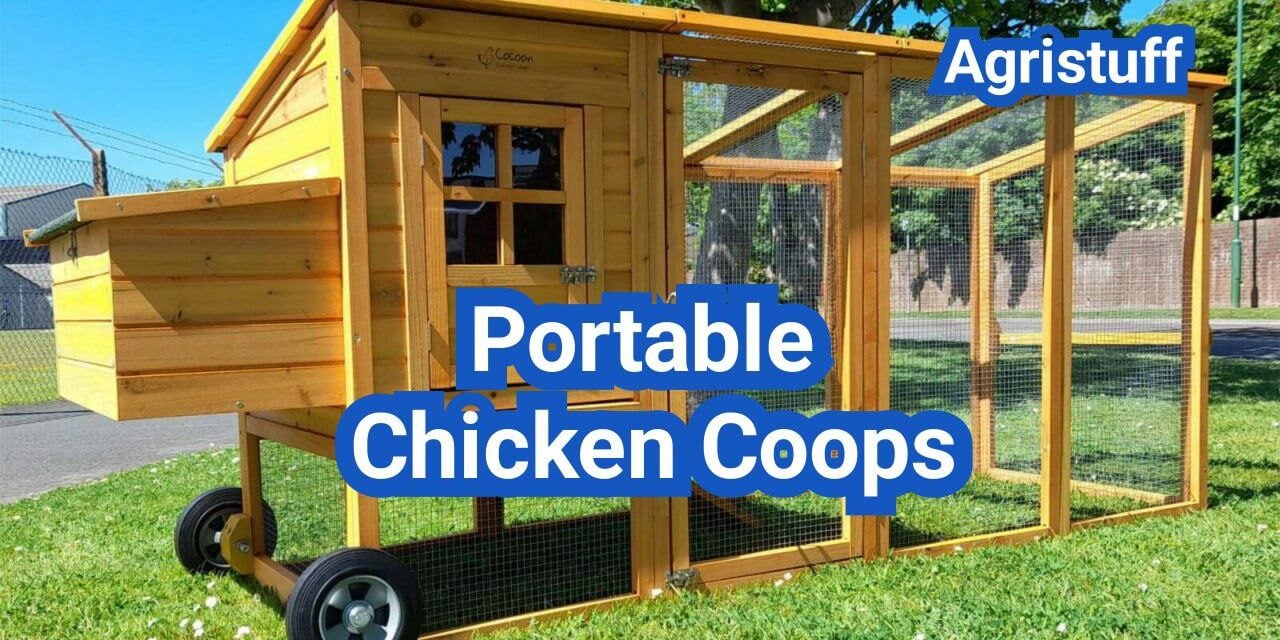
A coop is considered “portable” if it is designed to be moved easily, either by one person or with minimal assistance. This portability is achieved through specific design features such as lightweight materials, wheels, or handles that facilitate easy relocation.
The use of materials like aluminum or PVC in the construction of the coop can significantly reduce its weight, making it more portable. Additionally, the incorporation of wheels or a skid system can enhance the coop’s mobility.
Different Levels of Mobility
Portable chicken coops come with varying mobility levels, ranging from coops that can be moved daily to those that are more stationary but still relocatable. The level of mobility required depends on the size of the flock, the available land, and the keeper’s management strategy.
Size Considerations for Your Flock
Determining the right coop size is crucial and depends on the number of chickens and their breed. A general rule of thumb is to provide at least 2-4 square feet per chicken inside the coop. The coop should also be spacious enough to accommodate nesting boxes and roosting bars comfortably.
Essential Features of Quality Portable Chicken Coops
Quality portable chicken coops are defined by their ability to provide a safe and healthy environment for chickens. As emphasized by experts, “A great coop’s value lies in its design, including essential features like excellent ventilation and predator-proof latches.” This underscores the importance of incorporating critical design elements that prioritize chicken welfare.
Durability and Weather Resistance
A durable portable chicken coop is crucial for withstanding various weather conditions. The use of high-quality materials such as treated wood, durable plastics, and rust-resistant metals ensures longevity. Weather resistance is also vital, with features like waterproof roofing and secure door closures protecting the flock from the elements.
Predator Protection Systems
Protecting chickens from predators is a top priority. Effective predator protection systems include sturdy wire mesh, secure latches, and robust door designs. These features prevent predators like foxes, raccoons, and hawks from accessing the coop.
Ventilation and Temperature Control
Adequate ventilation is essential for maintaining a healthy environment inside the coop. Proper airflow helps regulate temperature and remove moisture, reducing the risk of respiratory issues. Features like windows, vents, and adjustable openings facilitate optimal ventilation.
Nesting Boxes and Roosting Bars
Nesting boxes and roosting bars are vital for chicken comfort and egg production. Nesting boxes provide a safe space for hens to lay eggs, while roosting bars allow chickens to roost comfortably at night. These features contribute to the overall well-being of the flock.
In conclusion, the essential features of quality portable chicken coops revolve around durability, predator protection, ventilation, and chicken comfort. By incorporating these elements, coop owners can ensure a safe, healthy, and productive environment for their chickens.
Top Portable Chicken Coop Designs for Safe Transport

Portable chicken coops come in several designs, each with its unique benefits for safe transport. The term “portable coop” encompasses a wide range of structures, from small, lightweight cages to larger, more substantial homes. When choosing a design, it’s essential to consider the specific needs of your flock and your land management goals.
A-Frame Chicken Tractors
A-frame chicken tractors are a popular choice for small flocks. Their triangular shape provides excellent stability and protection from predators. These coops are often lightweight and easy to move, making them ideal for backyard chicken keepers.
- Easy to assemble and disassemble
- Provides good ventilation and sunlight
- Can be made from various materials, including wood and metal
Hoop-Style Coops
Hoop-style coops, also known as hoop houses or tunnel coops, offer a spacious and well-ventilated environment for chickens. They are typically made from a metal or PVC frame covered with durable plastic or fabric.
Key benefits include:
- Large interior space for chickens to move
- Good airflow and natural light
- Can be easily moved with the right equipment
Wagon and Wheeled Designs
Wagon and wheeled designs are perfect for those who need to frequently move their chicken coops. These coops are mounted on wheels, making it easy to relocate them to different areas of your property.
Advantages:
- Easy to move, even with a large flock
- Can be designed with predator protection in mind
- Suitable for a variety of terrains
Modular and Expandable Systems
Modular and expandable systems offer flexibility as your flock grows or your needs change. These designs allow you to add or remove sections as necessary, making them highly adaptable.
Features to consider:
- Ease of expansion or reconfiguration
- Compatibility with different materials and accessories
- Potential for customization
By choosing the right portable chicken coop design, you can ensure the safe transport of your flock while also benefiting from improved land management and chicken health.
Lightweight Materials for Easy Transport
Lightweight materials play a vital role in the construction of portable chicken coops, facilitating easy movement and reducing labor. The choice of materials directly impacts the coop’s durability, weight, and overall performance.
Aluminum vs. Wood Construction
Aluminum and wood are two popular materials used in building portable chicken coops. Aluminum is lightweight, resistant to rust, and easy to clean, making it an excellent choice for coop frames. On the other hand, wood provides natural insulation and can be more aesthetically pleasing. However, wood requires more maintenance than aluminum, as it can rot or be damaged by pests.
PVC and Plastic Options
PVC and plastic materials offer additional benefits, including being lightweight and easy to clean. PVC pipes are often used for framing, while plastic sheets can be used for roofing and walls. These materials are also resistant to rot and insect damage, enhancing the coop’s durability.
Combining Materials for Optimal Results
Many portable chicken coop designs combine different materials to achieve optimal results. For example, using aluminum frames with wooden nesting boxes or plastic roofing can provide a balance between durability, weight, and cost. The key is to select materials that complement each other in terms of functionality and longevity.
When choosing materials, consider factors such as climate, predator protection, and the size of your flock. By selecting the right combination of lightweight and durable materials, you can create a portable chicken coop that is both functional and easy to manage.
Mobility Solutions: Wheels, Skids, and Handles
Effective mobility solutions are crucial for the safe and efficient relocation of portable chicken coops. The ability to easily move your flock to different areas can significantly impact their health and the overall management of your land.
Wheel Types and Placement
The type and placement of wheels are critical for the smooth operation of portable chicken coops. Sturdy, well-placed wheels can make a significant difference in how easily you can move your coop. There are various wheel types, including pneumatic, solid rubber, and plastic wheels, each with its own advantages.
| Wheel Type | Advantages | Disadvantages |
|---|---|---|
| Pneumatic Wheels | Smooth ride, good for rough terrain | May puncture, requires maintenance |
| Solid Rubber Wheels | Durable, puncture-resistant | Can be heavy, less shock absorption |
| Plastic Wheels | Lightweight, easy to clean | May crack, less durable |
Handle Designs for One-Person Moving
Handle designs play a crucial role in facilitating one-person operation of portable chicken coops. A well-designed handle can make it easier to maneuver the coop, reducing strain on the person moving it. Handles can be made from various materials, including metal and durable plastics.
Skid Systems for Rough Terrain
For areas with rough terrain, skid systems can be particularly useful. Skids allow the coop to be pulled or dragged across uneven ground without causing damage to the coop or the terrain. Skid systems can be made from durable materials like metal or hardwood.
By incorporating effective mobility solutions such as appropriate wheels, handle designs, and skid systems, you can ensure that your portable chicken coop remains functional and easy to move, regardless of the terrain.
DIY Portable Chicken Coop Plans
For those looking to take the DIY route, building a portable chicken coop can be a fulfilling experience. It allows you to customize the coop according to your specific needs and can be a cost-effective solution.
Simple Weekend Projects
Many DIY portable chicken coop plans are designed to be completed over a weekend. These projects are ideal for those who want to quickly set up a coop for their flock. Simple designs often feature A-frame or hoop-style structures, which are easy to construct and provide adequate space for chickens.
Materials Shopping List
Before starting your project, it’s essential to gather all the necessary materials. A typical shopping list for a DIY portable chicken coop includes:
- Lumber for the frame
- Wire mesh for ventilation and protection
- Roofing materials (e.g., corrugated metal or asphalt shingles)
- Wheels or skids for mobility
- Nails, screws, and other hardware
Step-by-Step Building Instructions
Building a portable chicken coop involves several key steps:
Frame Construction
The frame is the foundation of your coop. Use sturdy lumber to create a rectangular or A-frame structure. Ensure it’s well-supported and can withstand outdoor conditions.
Adding Mobility Features
To make your coop portable, you’ll need to add wheels or skids. Wheels are ideal for smooth terrain, while skids can help with rough ground. Attaching handles can also make it easier to move the coop.
Finishing Touches
Once the basic structure is complete, add nesting boxes, roosting bars, and adequate ventilation. Ensure the coop is predator-proof by using strong wire mesh and secure latches.
| Material | Quantity | Purpose |
|---|---|---|
| Lumber | 10 pieces | Frame construction |
| Wire mesh | 1 roll | Ventilation and protection |
| Roofing material | 1 bundle | Roofing |
By following these steps and using the right materials, you can create a functional and mobile chicken coop that meets your needs. Whether you’re a seasoned DIY enthusiast or a beginner, building your own portable chicken coop can be a rewarding project.
Best Commercial Portable Chicken Coops on the Market

With the increasing popularity of backyard chickens and small-scale farming, the demand for high-quality, portable chicken coops has led to a diverse market. Today, farmers and chicken enthusiasts can choose from a wide range of commercial portable chicken coops designed to meet different needs and budgets.
Top Models for Small Flocks
For small flocks of 2-6 chickens, there are several excellent commercial coop options. These coops are designed to be compact, lightweight, and easy to move. They often feature durable materials and predator protection systems. One popular choice is the A-Frame chicken tractor, known for its simplicity and effectiveness.
Options for Medium to Large Flocks
For larger flocks of 8-12+ chickens, more spacious coops are necessary. These larger coops often come with additional features such as nesting boxes, roosting bars, and enhanced ventilation systems. Hoop-style coops are a popular choice for larger flocks due to their spacious interior and ease of movement.
Budget-Friendly Choices Under $300
For those on a budget, there are several affordable commercial portable chicken coops available for under $300. These coops may be made from lighter materials or have simpler designs, but they still offer the benefits of portability and protection for your flock.
Premium and Luxury Designs
At the higher end of the market, premium and luxury commercial portable chicken coops offer advanced features such as high-quality materials, sophisticated predator protection, and integrated feeding and watering systems. For example, some models feature modular designs that allow for easy expansion or customization.
When choosing a commercial portable chicken coop, it’s essential to consider factors such as flock size, budget, and specific needs like predator protection or ease of movement. By selecting the right coop, you can ensure the health and happiness of your chickens while also managing your land effectively.
Setting Up Your Portable Chicken Coop
Setting up a portable chicken coop is a crucial step in ensuring the health and happiness of your flock. A well-planned setup provides a safe environment for your chickens and makes managing them easier.
Choosing the Right Location
Choosing the right location for your coop is crucial. The area should be well-drained and protected from strong winds. Consider the proximity to your home for easy access and monitoring.
- Ensure the location is safe from predators.
- Choose a spot with good sunlight and shade.
- Avoid low-lying areas where water may collect.
Preparing the Ground | Portable Chicken Coops
Preparing the ground before placing your coop is essential. Clear the area of debris, rocks, and weeds. If the ground is uneven, consider leveling it to prevent the coop from tilting.
Initial Setup Checklist | Portable Chicken Coops
Before introducing your chickens to their new coop, follow this checklist:
- Ensure all doors and windows are secure.
- Check that nesting boxes are clean and ready for use.
- Verify that feeding and watering systems are in place and functional.
By following these steps, you’ll create a safe and healthy environment for your chickens, making the most of your portable chicken coop.
How to Move Your Flock Safely
When it’s time to move your portable chicken coop, a well-thought-out plan is crucial for the well-being of your flock. Moving the coop allows your flock to access fresh grass and forage for tasty bugs and seeds, which is essential for their health and happiness.
Preparing Your Chickens for Relocation
Before moving the coop, it’s essential to prepare your chickens for the relocation. This involves ensuring they are healthy and stress-free. Remove any food and water a few hours prior to the move to prevent spills and mess during transport. Checking the coop for any damage or weak spots is also crucial to prevent escape or predator entry.
Best Times of Day to Move Coops
The best time to move the coop depends on your chickens’ routine and the weather. Generally, early morning or late afternoon are considered optimal as they avoid the peak heat of the day. Moving during these times reduces stress on the chickens and makes the process easier for you.
Step-by-Step Moving Process
To move your flock safely, follow these steps:
- Secure the chickens inside the coop.
- Disconnect any attachments or accessories.
- Lift or pull the coop to the new location.
- Reattach any accessories and ensure the coop is secure.
- Release the chickens and monitor their behavior.
Post-Move Chicken Care | Portable Chicken Coops
After the move, it’s crucial to provide your chickens with a stress-free environment. Ensure they have access to fresh water and food immediately. Monitor their behavior and health closely for any signs of stress or illness. Providing a familiar environment, such as the same nesting boxes and roosting bars, can help reduce stress.
Safety Considerations When Relocating Chicken Coops

When moving your chicken coop, safety considerations are crucial to prevent stress and injury to your chickens. Relocating a chicken coop is a significant task that requires careful planning to ensure the well-being of your flock.
Preventing Chicken Stress and Injury
To minimize chicken stress during relocation, it’s essential to move the coop slowly and carefully. Sudden movements can frighten the chickens, potentially causing them to injure themselves or become stressed. Handling chickens gently and avoiding overcrowding within the coop are also critical.
- Move the coop slowly to avoid sudden jolts.
- Ensure chickens have enough space to move around comfortably.
- Minimize noise levels during the relocation process.
Secure Transport Techniques | Portable Chicken Coops
Securing the coop during transport is vital to prevent damage and ensure the chickens’ safety. This involves securing any loose parts and ensuring the coop is stable on its wheels or skid system. Regular checks on the coop’s structure before and during the move can help identify any potential issues.
Dealing with Nervous or Flighty Birds
Some chickens may be more nervous or flighty than others, requiring extra care during relocation. Providing a calm environment by covering the coop or reducing noise can help soothe these birds. It’s also beneficial to acclimate chickens to the coop’s movements before the actual relocation by gently rocking the coop or moving it short distances.
By following these safety considerations, you can significantly reduce the risk of injury and stress to your chickens during coop relocation.
Rotational Grazing with Portable Coops
By utilizing portable coops, farmers can implement rotational grazing, significantly improving soil health and overall land productivity. This practice involves moving the chicken coop to different areas of the land at regular intervals.
Planning Your Rotation Schedule
To effectively implement rotational grazing, it’s crucial to plan a rotation schedule. This involves dividing the land into sections and determining how often to move the coop based on factors like grass health and chicken population.
Benefits for Soil Health | Portable Chicken Coops
Rotational grazing offers numerous benefits for soil health. Chicken manure acts as a natural fertilizer, rich in nitrogen and other essential nutrients. By rotating the coop, the manure is distributed evenly across the land, enhancing soil fertility.
Managing Chicken Impact on Land
Managing the chicken impact on the land is vital to prevent overgrazing and soil degradation. By moving the coop regularly, farmers can ensure that the chickens have a constant supply of fresh forage while maintaining the health of the land.
Seasonal Adaptations for Portable Chicken Coops

As the seasons change, it’s crucial to adapt your portable chicken coop to ensure the health and comfort of your flock. Excellent ventilation is non-negotiable for a healthy flock, and this becomes even more critical with seasonal changes.
Different seasons bring different challenges for chicken keepers. In the winter, the focus is on keeping the coop warm and protected from harsh weather. In the summer, it’s about keeping the coop cool and well-ventilated.
Winter Insulation and Protection | Portable Chicken Coops
During the winter months, it’s essential to insulate your portable chicken coop to keep it warm. This can be achieved by adding insulation materials such as straw or foam board to the coop’s walls and floor. Additionally, consider using a waterproof cover to protect the coop from snow and rain.
As one expert notes, “Keeping your chickens warm and dry is crucial for their health during the winter.”
“Chickens can tolerate cold temperatures, but drafts and dampness can be detrimental to their health.”
Summer Cooling Strategies | Portable Chicken Coops
In the summer, the focus shifts to keeping the coop cool. This can be achieved by providing adequate ventilation, using shading materials, and ensuring access to cool water. Consider adding windows or vents to the coop to improve airflow.
A well-ventilated coop is essential for preventing heat stress in chickens. A simple yet effective strategy is to use a coop with a removable or adjustable roof to allow for maximum airflow.
| Season | Adaptation | Benefits |
|---|---|---|
| Winter | Insulation, waterproof cover | Keeps coop warm, protects from weather |
| Summer | Adequate ventilation, shading | Prevents heat stress, keeps coop cool |
Spring and Fall Adjustments
During the spring and fall, it’s essential to adjust the coop to accommodate the changing weather conditions. This may involve cleaning out the coop more frequently, checking for drafts, and ensuring that the coop is secure from predators.
By making these seasonal adaptations, you can ensure that your portable chicken coop remains a safe and healthy environment for your flock throughout the year.
Maintenance Tips for Long-Lasting Portable Coops

Proper maintenance is key to extending the life of your portable chicken coop. Regular upkeep not only ensures the health and safety of your flock but also protects your investment.
Keeping your coop clean is vital for your flock’s health. A regular cleaning schedule helps prevent the buildup of harmful bacteria and parasites. This includes daily removal of soiled bedding, weekly disinfection of feeding and watering areas, and monthly deep cleaning of the entire coop.
Regular Cleaning Schedule | Portable Chicken Coops
Establishing a routine cleaning schedule is crucial. Here are some key tasks to include:
- Daily: Remove soiled bedding and waste
- Weekly: Disinfect feeding and watering areas
- Monthly: Deep clean the entire coop, including nesting boxes and roosting bars
Structural Inspections | Portable Chicken Coops
Regular structural inspections are necessary to identify any damage or wear. Check for signs of predator damage, weather-related wear, and ensure all parts are secure and functioning properly.
Mobility System Maintenance
The mobility system of your coop is critical for its portability. Regularly inspect wheels, axles, and handles for damage or wear. Lubricate moving parts as needed to ensure smooth operation.
By following these maintenance tips, you can extend the life of your portable chicken coop and keep your flock safe and healthy.
Troubleshooting Common Portable Coop Problems
Troubleshooting is an essential skill for any portable chicken coop owner to master. Despite the many benefits of portable coops, issues can arise that require prompt attention to ensure the health and safety of your flock.
Dealing with Stuck or Broken Wheels | Portable Chicken Coops
One common issue with portable chicken coops is stuck or broken wheels. Regularly inspect your coop’s wheels and axles for signs of wear or damage. To prevent wheels from getting stuck, ensure the ground is clear of debris and mud. If a wheel does get stuck, try lifting the coop slightly or applying a lubricant to the axle.
Fixing Weather Damage
Weather conditions can significantly impact the integrity of your portable coop. Inspect your coop regularly for signs of weather damage, such as rotting wood or rusty metal. Apply protective coatings or sealants as needed to prevent further damage. In areas with extreme weather, consider using weather-resistant materials for your coop.
Addressing Predator Vulnerabilities | Portable Chicken Coops
Predators are incredibly resourceful, and securing your coop is one area where you can’t afford to cut corners. Regularly inspect your coop for vulnerabilities, such as weak points in the wiring or gaps in the structure. Use strong materials and consider adding a second layer of protection, like hardware cloth, to deter predators.
By addressing these common issues, you can ensure your portable chicken coop remains a safe and healthy environment for your chickens.
Making the Most of Your Portable Chicken Housing
A portable coop, often called a chicken tractor, can be a fantastic addition to your backyard farm, offering flexibility and numerous benefits for your flock.
By understanding the different designs, features, and maintenance requirements of portable chicken housing, you can create a healthy and happy environment for your chickens. This conclusion highlights the importance of choosing the right portable chicken coop that suits your needs.
With the knowledge gained from this article, you’re now equipped to make informed decisions about your portable chicken housing, ensuring a thriving flock and a successful backyard farming experience.
FAQ
What are the benefits of using a portable chicken coop?
Portable chicken coops offer numerous benefits, including improved chicken health and happiness due to access to fresh forage and clean living conditions. They also aid in land management by distributing chicken manure evenly, acting as a natural fertilizer.
What makes a chicken coop “portable”?
Understanding what makes a coop portable involves looking at its design, materials, and mobility features. Different coops offer varying levels of mobility, from those that can be moved daily to larger, more stationary designs.
What are the essential features of a quality portable chicken coop?
Quality portable chicken coops must be durable, weather-resistant, and secure against predators. They should also provide adequate ventilation and temperature control for the chickens’ comfort, as well as features like nesting boxes and roosting bars.
What types of portable chicken coop designs are available?
Various designs cater to different needs and preferences, including A-frame chicken tractors, hoop-style coops, wagon and wheeled designs, and modular systems.
What materials are commonly used for portable chicken coops?
The choice of materials affects the weight, durability, and overall performance of the coop. Common materials include aluminum, wood, PVC, and plastic, each with their pros and cons.
How do I move my flock safely using a portable chicken coop?
Moving your flock safely involves preparing the chickens, choosing the right time, and following a step-by-step process. It’s also important to provide appropriate care after the move to minimize stress and ensure the chickens adjust well to their new surroundings.
How often should I clean and maintain my portable chicken coop?
Regular maintenance is crucial for the longevity of portable chicken coops, including adhering to a regular cleaning schedule, conducting structural inspections, and maintaining the mobility system.
What are some common problems with portable chicken coops, and how can I troubleshoot them?
Common issues include stuck or broken wheels, weather damage, and predator vulnerabilities. Troubleshooting involves addressing these problems through repairs, adjustments, and enhanced security measures.
Can I build my own portable chicken coop?
Yes, there are various DIY plans available for building a portable chicken coop, ranging from simple weekend projects to more complex constructions.
How do I choose the right location for my portable chicken coop?
Choosing the right location involves considering factors such as safety, accessibility, and suitability for the chickens, as well as preparing the ground and following an initial setup checklist.
What are the benefits of rotational grazing with portable coops?
Rotational grazing with portable coops involves planning a rotation schedule, understanding the benefits for soil health, and managing the impact of chickens on the land, which can significantly improve soil fertility and overall land health.
How do I adapt my portable chicken coop for different seasons?
Seasonal adaptations include providing winter insulation, implementing summer cooling strategies, and making adjustments for spring and fall to ensure the chickens’ comfort and health.
Conclusion of: Portable Chicken Coops
Portable chicken coops are one of the simplest upgrades you can make if you want healthier ground, cleaner birds, and a routine that fits real life—because a movable shelter lets you “reset” manure, shade, and scratching pressure without rebuilding your yard. The key is choosing a design that matches how often you’ll move it, what predators you face, and how much time you can commit each day. ATTRA: pastured poultry mobile housing.
How portability changes flock management
Portable chicken coops help you manage the land as much as the flock: by shifting birds to fresh areas, you can reduce bare spots, spread fertility more evenly, and give plants time to recover instead of being pecked down to dirt. Think of it like “micro-rotations” that make small spaces act bigger, especially when you pair moves with a simple rest schedule. USDA Climate Hubs: rotational grazing basics.
Portable chicken coops can also turn chicken behavior into a practical tool—scratching for seeds and insects, breaking up thatch, and helping with weed pressure—so your birds contribute to the property instead of concentrating damage in one run. If you garden or maintain fruit trees, controlled foraging can be a feature rather than a headache when you plan where the birds go next. Oregon State Extension: chicken tractors and foraging benefits.
Pick your move schedule and site layout first
Portable chicken coops work best when the movement plan is realistic: daily moves can be fast but require lightweight builds, while weekly moves can handle sturdier structures if you have skids or a tow point. Before you buy or build, map water access, gates, slopes, muddy zones, and where you can store feed so you’re not dragging supplies across the yard every evening. USDA NRCS: rotational grazing planning (PDF).
Portable chicken coops are often part of a broader “pastured poultry” setup, and the biggest mistake beginners make is underestimating predator pressure and overestimating pasture growth—so your layout should include safe lanes for moving, backup areas for wet weeks, and a rotation that prevents birds from camping the same shady corner. A simple paddock-style plan (even temporary) helps you avoid overuse. NC State Extension: pastured poultry systems and movement terms (PDF).
Space, weight, and comfort (the “right-size” checklist)
Portable chicken coops should be sized for bird comfort first and convenience second, because overcrowding increases stress, mess, and moisture—then you’re fighting odors and disease instead of enjoying your flock. As a starting point, aim for reasonable indoor space per bird and ensure the design still allows easy access for cleaning, egg collection, and ventilation openings that don’t become predator entry points. Oregon State Extension: coop sizing and ventilation.
Portable chicken coops also need to match the birds you actually keep: large breeds, heavy layers, and mixed-age flocks need more room and calmer traffic flow around roosts and nest areas. If you see bullying at doorways or crowding near feed, that’s a space-and-layout signal—not just a “mean hen” problem—so build wider openings and reduce pinch points. Cornell Cooperative Extension: space guidance and management notes.
Mobility hardware that prevents injuries and escapes
Portable chicken coops should move smoothly without jolting birds or twisting the frame, which is why balance matters as much as strength: place heavier elements (nest box, feed storage, roof overhang) so the center of gravity stays low and predictable when you lift or tow. Handles, tow ropes, or a hitch point should be built into the structure—not improvised from wire at the last minute. University of Kentucky: lightweight hoop pen design principles (PDF).
Portable chicken coops should include “move-day locks” that you can secure in seconds—like a reliable latch system and a door that can’t swing open when the frame flexes—because most escapes happen during transitions. Design for your hands: big latches you can operate with gloves, hinges you can reach without crawling, and panels that don’t require tools for routine access. Poultry Extension: portable hoop house construction overview.
Predator protection that still lets you move fast
Portable chicken coops must be predator-aware by design, not by hope: use strong wire coverage on openings, protect corners, and choose closures raccoons can’t manipulate. A movable setup is only “portable” if it’s also secure—because the first nighttime loss usually ends the whole project for beginners. UConn Extension: predator protection and housing basics.
Portable chicken coops benefit from a simple rule—tight at night, flexible by day—so you can let birds graze while still being able to lock down quickly when hawks, dogs, or raccoons show up. If you’re using a floorless design, the edges matter: close gaps, overlap panels, and avoid weak spots around doors where predators test repeatedly. Cornell Cooperative Extension: poultry predator control.
Ventilation and air quality without drafts
Portable chicken coops need consistent air exchange because moisture and manure gases build up faster in small spaces, and “smells fine to me” is not a measurement—if you notice damp bedding or condensation, you’re already behind. Prioritize high vents, protected openings, and airflow that refreshes air without blowing directly on roosting birds. University of Minnesota Extension: ventilation and moisture control.
Portable chicken coops should be designed so bedding stays dry, since wet litter drives ammonia formation and increases respiratory irritation for birds and caretakers. Make cleaning easy (removable trays under roosts, accessible corners, doorways that don’t trap you), and treat dryness as a daily KPI—not a seasonal chore. University of Kentucky: ventilation, bedding moisture, and facility maintenance (PDF).
Weather-proofing for U.S. seasons (heat, rain, and cold)
Portable chicken coops in hot weather should focus on shade and airflow rather than sealing birds into a “mini-oven,” so use reflective or light roofing, add adjustable shade panels, and ensure water stays available when temperatures spike. On extreme days, the best design is the one you can position under safe shade quickly without dragging it through mud. Mississippi State Extension: ventilation and air-quality factors.
Portable chicken coops in cold snaps still need ventilation—because warm, damp air condenses and can contribute to frostbite and ammonia problems—so winterizing is about blocking drafts while keeping air exchange high and protected. Avoid risky heating setups, keep birds off cold floors with solid roosts, and plan a sheltered “storm parking spot” for severe weather weeks. University of Arkansas Extension: cold-weather coop ventilation guidance.
Designs that work: chicken tractor vs hoop coop
Portable chicken coops in the “chicken tractor” style (floorless pen) are best when you want frequent moves and direct pasture access, because birds can graze and scratch while manure drops where it’s produced. The tradeoff is weight and edge security: tractors must be light enough to move easily but tight enough at the base to prevent predators and escapes during the day. Oregon State Extension: chicken tractor use and considerations (PDF).
Portable chicken coops in “hoop” styles (cattle panel arch with tarp coverage) often hit the sweet spot for DIY builders because they provide roomy headspace, adjustable ventilation, and a footprint that moves well with a simple tow rope. If you want a design that’s forgiving to build and easy to repair, hoop structures are popular—but you still need strong wire, reliable anchors, and a weather-ready cover system. University of Kentucky: building a hoop pen (PDF).
Designs that scale: skids, netting systems, and trailer coops
Portable chicken coops on skids work well for layers when you want a sturdier shelter that moves less often, especially if birds spend daylight hours in a larger area protected by portable fencing. This approach reduces daily labor compared with tiny tractors, but it requires disciplined rotation so birds don’t overwork the same ground near the pop door. NC State Extension: net-range and portable shelter concepts (PDF).
Portable chicken coops built on wagons or small trailers can serve larger flocks because the structure can include real nest-box banks, more headroom, and better weather protection—while the wheels do the heavy lifting. If you go this route, prioritize stability (no tipping), safe towing speeds on your property, and interior layouts that keep birds from piling up during transport. ATTRA: mobile coops for pasture systems.
Daily routine, biosecurity, and egg safety
Portable chicken coops are easiest to manage when your chores are standardized: check water first, collect eggs next, then do a quick “structure scan” (latches, wire, wheels, shade) before you move anything. Just as important, keep a written biosecurity habit—dedicated footwear, controlled visitors, clean tools—because moving equipment across your property can also move germs. USDA APHIS: biosecurity workbook (PDF).
Portable chicken coops should support safe egg handling by keeping nests clean, encouraging frequent collection, and making it easy to discard cracked eggs—because shells can pick up contamination from the coop environment. Refrigerate promptly, cook thoroughly, and teach kids “look, don’t kiss” when interacting with birds, since public health guidance links backyard poultry contact to Salmonella risk. CDC: backyard poultry and health guidance.
Final thought
Portable chicken coops are worth it when the design fits your real schedule: choose a move frequency you can maintain, build for secure lock-down at night, and prioritize ventilation and dry bedding so the flock stays comfortable in every season. If you treat mobility as a management system—not just a clever coop—you’ll protect your birds, your family, and your property at the same time. USDA APHIS: Defend the Flock biosecurity resources.
Sources & References
- ATTRA – Pastured Poultry: Egg Production (mobile housing)
- USDA Climate Hubs – Rotational Grazing for Climate Resilience
- USDA NRCS – Rotational Grazing: Small Scale Solutions (PDF)
- Oregon State Extension – Backyard chicken coop design
- Oregon State Extension – Chicken Tractors: Moveable Flocks Help Manage Orchard Pests (PDF)
- University of Kentucky – Making a Hoop Pen for Pasture Poultry (PDF)
- UConn Extension – Backyard poultry healthy birds (housing & predator protection)
- University of Minnesota Extension – Caring for chickens in cold weather (ventilation/moisture)
- University of Arkansas Extension – Cold weather prep with ventilation
- USDA APHIS – Defend the Flock
- USDA APHIS – Biosecurity Workbook (PDF)
- CDC – Backyard poultry and healthy pets guidance
- FDA – What You Need to Know About Egg Safety
- FoodSafety.gov – Salmonella and Eggs