
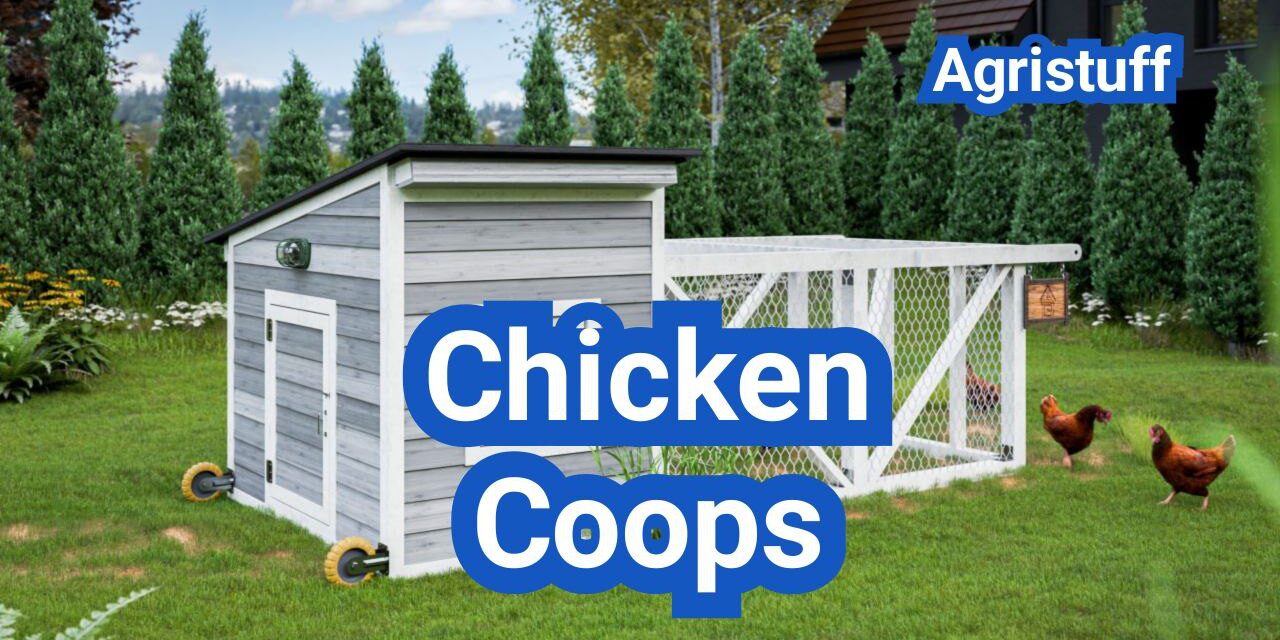
A well-designed chicken coop is crucial for the health and well-being of your flock. When building or purchasing a coop, several key factors must be considered.
These include the size of the coop, ventilation, materials used, and essential features that ensure the safety and comfort of your birds. A coop that is too small can lead to stress and health issues, while proper ventilation is vital for maintaining a healthy environment.
Key Takeaways
- Consider the size of your flock when choosing a coop size.
- Proper ventilation is crucial for a healthy environment.
- Durable materials are essential for withstanding various weather conditions.
- Must-have features include nesting boxes, roosting bars, and secure locking mechanisms.
- Research different designs and plans to find the best fit for your needs.
Understanding the Basics of Chicken Coops
The foundation of a happy and healthy flock lies in understanding the basics of chicken coops. A chicken coop is more than just a shelter for your chickens; it’s a crucial element in their overall health and productivity.
What Makes a Quality Chicken Coop
A quality chicken coop is designed with the health and safety of the chickens in mind. It should provide adequate ventilation, protection from predators, and enough space for the chickens to move comfortably. Ventilation is particularly important as it helps to remove moisture and ammonia from the coop, reducing the risk of respiratory problems in chickens.
When considering chicken coops ideas, it’s essential to think about the materials used. Durable, weather-resistant materials such as treated wood or high-quality plastic are preferable. The coop should also be easy to clean and maintain, with features like removable nesting boxes and easy-to-clean flooring.
Benefits of Keeping Backyard Chickens
Keeping backyard chickens has numerous benefits. Not only do chickens provide a steady supply of fresh eggs, but they also serve as a natural pest control, consuming insects and other small pests that might otherwise damage your garden. Additionally, raising chickens can be a rewarding hobby, teaching children and adults alike about responsibility and sustainability.
| Benefits | Description |
|---|---|
| Fresh Eggs | A steady supply of eggs right from your backyard. |
| Pest Control | Chickens consume insects and small pests. |
| Educational | Raising chickens teaches responsibility and sustainability. |
Planning Your First Coop
Planning chicken coops requires careful consideration of several factors, including the size of your flock, the space available in your yard, and local regulations regarding backyard chickens. It’s crucial to research and understand these factors before building or purchasing a coop.
When planning your first coop, start by determining how many chickens you want to keep. This will help you decide on the size of the coop. Consider the layout of your yard and the location of the coop to ensure it is well-ventilated and protected from the elements.
Types of Chicken Coops for Every Need

Different types of chicken coops are available to suit different backyard setups and chicken-keeping goals. Whether you’re a seasoned chicken keeper or just starting out, understanding the various coop options is crucial for providing a safe and healthy environment for your chickens.
Stationary Backyard Coops
Stationary backyard coops are a popular choice for many chicken keepers. These coops are typically placed in a fixed location within the yard and can be customized to fit the available space. They offer a secure and stable environment for chickens, protecting them from predators.
Benefits of Stationary Coops:
- Customizable to fit yard space
- Provides a secure environment
- Can be integrated with existing yard features
Portable and Mobile Chicken Coops
Portable and mobile chicken coops offer flexibility, allowing chicken keepers to move the coop to different locations within the yard. This can help with pest control and fertilization of the lawn.
Advantages of Portable Coops:
- Easy to relocate for lawn management
- Can be used to fertilize different areas
- Helps in pest control by moving chickens to fresh areas
Chicken Tractors: Design and Benefits
Chicken tractors are a type of portable coop that allows chickens to forage on fresh grass while being protected from predators. They are typically lightweight and easy to move.
Key Features of Chicken Tractors:
- Allows chickens to forage on fresh grass
- Protects chickens from predators
- Lightweight and easy to move
Plastic vs. Wooden Chicken Coops
The choice between plastic and wooden chicken coops depends on several factors, including durability, maintenance, and cost. Here’s a comparison:
| Feature | Plastic Coops | Wooden Coops |
|---|---|---|
| Durability | High, resistant to weather | Moderate, can rot if not treated |
| Maintenance | Easy to clean | Requires periodic treatment |
| Cost | Generally more expensive | Can be more affordable |
Ultimately, the choice between plastic and wooden coops depends on your specific needs and preferences. Both materials have their advantages and can provide a safe and healthy environment for your chickens.
Essential Size Requirements for Healthy Chickens
Determining the ideal size for your chicken coop is crucial for the health and well-being of your flock. A coop that is too small can lead to stress and health issues among chickens, while one that is too large can be inefficient and costly.
Space Requirements Per Chicken
The general rule of thumb is to provide at least 3-4 square feet per chicken inside the coop. However, this can vary depending on breed, size, and whether the chickens have access to a run or not. For example, larger breeds require more space than smaller ones.
As Backyard Chickens magazine suggests, “The coop should be spacious enough to allow chickens to stand up, turn around, and flap their wings comfortably.” Ensuring adequate space is key to reducing stress and promoting healthy living conditions.
Sizing Your Coop Based on Flock Size
When planning your coop, it’s essential to consider the size of your flock. A good starting point is to calculate the total space required based on the number of chickens you plan to keep. For instance, a flock of 5 chickens would require a coop of at least 15-20 square feet.
- For small flocks (1-5 chickens), a coop size of 4×4 feet or slightly larger is often sufficient.
- For medium flocks (6-10 chickens), consider a coop size of 6×8 feet or larger.
- For larger flocks, you’ll need to scale up accordingly, ensuring at least 3-4 square feet per chicken.
Large Chicken Coops: When and Why You Need Them
Large chicken coops are necessary for bigger flocks or for those who want to give their chickens ample space to roam inside the coop. They are particularly useful if you have limited outdoor space for a run.
A quote from
“The Chicken Whisperer” by Andy Schneider states, “A spacious coop is not just a luxury, it’s a necessity for keeping your chickens happy and healthy.”
This emphasizes the importance of considering size when building or buying a coop.
Small Coops for Limited Spaces
For those with limited backyard space, small coops can be an effective solution. These coops are designed to be compact while still providing the necessary space for a small number of chickens.
When opting for a small coop, it’s crucial to ensure that your chickens have access to a secure outdoor run where they can exercise and engage in natural behaviors.
Choosing the Right Materials for Your Chicken Coop

The right materials can make a significant difference in the longevity and functionality of your chicken coop. When it comes to building or purchasing a coop, the choice of materials is crucial for ensuring the health, safety, and comfort of your chickens.
Wood: Types and Treatments
Wood is a popular choice for chicken coops due to its natural insulation properties and aesthetic appeal. Cedar and redwood are often preferred for their natural resistance to rot and pests. However, it’s essential to avoid using treated wood that may contain harmful chemicals like arsenic, which can be toxic to chickens.
Untreated wood, while safer, requires more maintenance as it can rot or become infested with pests over time. Regular inspections and treatments with non-toxic sealants can help extend its lifespan.
Plastic and Metal Options
Plastic and metal coops offer durability and ease of cleaning, making them attractive alternatives to wood. Plastic coops are lightweight, resistant to rot and pests, and can be easily disinfected. However, they may not provide adequate insulation against extreme temperatures.
Metal coops, particularly those made from galvanized steel, are strong and predator-resistant. They can be more expensive and may require additional insulation to keep the coop warm in colder climates.
Budget-Friendly and Sustainable Materials
For those on a budget or looking for eco-friendly options, materials like reclaimed wood and recycled plastic can be viable choices. Reclaimed wood adds character to your coop and reduces waste, while recycled plastic is durable and environmentally friendly.
Other sustainable options include using locally sourced materials, which reduce transportation costs and support local economies.
Weather-Resistant Considerations
Regardless of the material chosen, ensuring that your chicken coop is weather-resistant is crucial. This involves using materials that can withstand local climate conditions, whether it’s heavy rain, intense sunlight, or freezing temperatures.
Applying waterproof coatings, ensuring proper ventilation, and using materials that naturally resist weathering can help maintain a dry, comfortable environment for your chickens.
Proper Ventilation: The Key to a Healthy Chicken Coop
One of the most critical aspects of chicken coop design is ensuring adequate ventilation. Proper airflow is essential for maintaining a healthy environment for your chickens, regulating temperature, and reducing moisture and ammonia levels.
Why Ventilation Matters
Ventilation is crucial because it helps remove moisture and ammonia from the coop, which can lead to respiratory problems in chickens. It also aids in regulating the temperature inside the coop, keeping it cooler in summer and warmer in winter.
Poor ventilation can lead to a buildup of harmful gases and moisture, creating an unhealthy environment for your flock. This can result in health issues such as respiratory infections and reduced egg production.
Designing Effective Ventilation Systems
To design an effective ventilation system, consider the size of your coop, the number of chickens, and the climate you live in. Windows, vents, and fans can all be used to improve airflow.
- Windows should be placed high on the walls to allow warm air to escape.
- Vents can be added near the roof to enhance airflow.
- Fans can be used in larger coops or in warmer climates to circulate air.
Seasonal Ventilation Adjustments
Ventilation needs can change with the seasons. In the winter, it’s essential to balance ventilation with the need to keep the coop warm. In the summer, maximizing airflow is crucial to keep the coop cool.
| Season | Ventilation Needs | Actions |
|---|---|---|
| Winter | Balance ventilation with warmth | Adjust vents, use insulation |
| Summer | Maximize airflow | Open windows, use fans |
| Spring/Autumn | Adjust ventilation according to temperature | Monitor temperature, adjust vents |
Common Ventilation Mistakes to Avoid
Common mistakes include not providing enough vents, blocking airflow with nesting boxes or roosts, and failing to clean vents regularly.
To avoid these mistakes, ensure your coop design includes adequate ventilation openings and that these are kept clear and clean.
Must-Have Features for Functional Chicken Coops

When building or buying a chicken coop, there are several essential features to consider for optimal functionality. A well-designed coop not only ensures the health and happiness of your chickens but also makes maintenance easier for you.
Nest Boxes: Design and Placement
Nest boxes are a crucial feature in any chicken coop, providing a safe and comfortable place for your hens to lay their eggs. The general rule of thumb is to have one nest box per 3-4 hens. The design should be such that it is easy to clean and access eggs. Placement is also important; nest boxes should be positioned in a quiet, dark area of the coop to encourage hens to use them.
Consider placing nest boxes at a comfortable height to prevent strain on your back when collecting eggs. Some designs even include external access for egg collection, making the process even more convenient.
Roost Bars: Height and Spacing
Roost bars are where your chickens will spend most of their night, so it’s essential to get the height and spacing right. Roost bars should be positioned higher than the nest boxes to encourage chickens to roost on them rather than in the nest boxes. The height should be such that you can comfortably clean underneath.
The spacing between roost bars is critical to prevent overcrowding and to ensure that chickens have enough space to roost comfortably. A general guideline is to space them about 12-18 inches apart.
Doors and Access Panels
Doors and access panels are vital for the easy maintenance and management of your chicken coop. Ensure that the doors are large enough to allow you to clean the coop thoroughly and access all areas. Consider adding multiple access points for convenience.
Secure doors are also crucial for protecting your chickens from predators. Look for designs that incorporate strong hinges and secure locking mechanisms.
Feeders and Waterers Integration
Integrating feeders and waterers into your chicken coop design can significantly enhance functionality. These should be placed in an area that is easy to access for refilling but protected from the elements and potential predators.
Consider using feeders and waterers that are designed to minimize waste and prevent chickens from getting their feet wet. Some designs include anti-roost bars to prevent chickens from roosting on them.
Predator-Proofing Your Chicken Coop
One of the most critical aspects of keeping chickens safe is securing their coop against predators. Predators can range from raccoons and foxes to hawks and coyotes, each with their own methods of attempting to gain access to your flock.
Common Predators and Their Entry Methods
Understanding the types of predators and how they operate is crucial in predator-proofing your chicken coop. Raccoons, for example, are known for their dexterous hands and ability to open simple latches, while foxes can chew through weak points in the coop’s structure.
Common entry methods include:
- Digging under the coop
- Chewing through walls or doors
- Opening latches or doors
Hardware Cloth vs. Chicken Wire
When it comes to protecting your coop, the material you choose for enclosure is critical. Hardware cloth is a more secure option compared to chicken wire due to its heavier gauge wire and smaller mesh size, making it difficult for predators to chew through.
Chicken wire, on the other hand, is easier for predators to breach and should be avoided for coop security.
Secure Locks and Latches
Using secure locks and latches is vital to prevent predators from gaining easy access to your coop. Consider using:
- Sliding bolt locks
- Padlocks
- Spring-loaded latches
These options are more difficult for predators to manipulate, thereby enhancing the security of your coop.
Predator-Proof Flooring Options
Predators often try to dig under the coop to gain access. To prevent this, consider using:
- Hardware cloth buried at least 12 inches underground
- Concrete flooring that extends below ground level
These measures can effectively deter digging predators and protect your flock.
Designing Chicken Coops for Different Climates

The climate in your area is a key factor in designing a chicken coop that keeps your chickens safe and healthy. Different climates present unique challenges, from freezing temperatures to sweltering heat, and your coop design must adapt to these conditions to ensure the well-being of your flock.
Chicken Coops for Cold Weather
In colder climates, insulation and draft protection are crucial. A well-insulated coop keeps the cold out and the warmth in, ensuring that your chickens remain comfortable. “Adequate ventilation is also essential to prevent moisture buildup, which can lead to frostbite and other health issues,” as noted by poultry experts.
Key considerations for cold weather coops include:
- Insulation materials like straw or foam board
- Draft-free design
- Adequate ventilation systems
Chicken Coops for Hot Climates
In hot climates, the focus shifts to keeping the coop cool and providing adequate shade and ventilation. Light-colored materials can help reflect sunlight, while shading devices can protect the coop from direct sun exposure.
Effective strategies for hot weather coops include:
- Using light-colored, heat-reflective materials
- Installing shading devices like awnings or trees
- Ensuring proper ventilation to reduce heat buildup
As
“The health and productivity of chickens are directly influenced by their living conditions, making climate-responsive coop design vital.”
By considering the specific climate challenges in your area, you can design a chicken coop that not only protects your chickens but also enhances their health and productivity.
Flooring and Bedding Options for Chicken Coops
The flooring and bedding in your chicken coop play a significant role in maintaining a clean and healthy environment for your chickens. A well-designed coop with appropriate flooring and bedding can reduce the risk of disease and parasites, making it easier to keep your flock healthy.
Comparing Flooring Materials
When it comes to chicken coop flooring, there are several materials to choose from, each with its pros and cons. Common options include:
- Wood: Wood is a popular choice for chicken coop flooring due to its availability and ease of installation. However, it can be prone to rot and may require additional treatments.
- Concrete: Concrete floors are durable and easy to clean but can be cold and hard on the chickens’ feet.
- Dirt or Sand: Dirt or sand floors are easy to install and can be a good option for chicken tractors. However, they may require more frequent cleaning.
Choosing the right flooring material depends on your specific needs, climate, and the size of your coop.
The Deep Litter Method Explained
The deep litter method involves maintaining a thick layer of bedding material, such as straw or wood shavings, on the floor of the coop. This method can help to:
- Reduce odors by composting waste
- Keep the coop dry by absorbing moisture
- Provide insulation during cold weather
To implement the deep litter method effectively, it’s essential to:
- Start with a clean coop
- Use a sufficient amount of bedding material
- Regularly turn and aerate the litter
Concrete Floors: Pros and Cons
Concrete floors are a popular choice for chicken coops due to their durability and ease of cleaning. However, they can be cold and may require additional insulation to keep the coop warm. To mitigate this, you can:
- Use bedding materials to insulate the floor
- Install a raised coop to improve airflow and reduce moisture
Drainage and Cleaning Considerations
Proper drainage and cleaning are crucial for maintaining a healthy chicken coop. When designing your coop, consider:
- A slight slope to the floor to improve drainage
- Easy access to the coop for regular cleaning
- The use of bedding materials that are easy to clean and compost
Regular cleaning and maintenance can help to reduce the risk of disease and parasites, keeping your flock healthy and happy.
Chicken Runs: Design and Integration

The design and integration of chicken runs with coops play a vital role in maintaining a healthy flock. A chicken run is an outdoor enclosure that provides chickens with a safe space to exercise and engage with their surroundings.
Covered vs. Open Runs
One of the primary considerations when designing a chicken run is whether it should be covered or open. Covered runs offer protection from predators and harsh weather conditions, while open runs provide chickens with a more natural environment and better sunlight penetration.
The choice between covered and open runs depends on several factors, including climate, predator presence, and the owner’s preference. A covered run can be particularly beneficial in areas with heavy rainfall or intense sunlight.
Sizing Your Run Appropriately
Sizing the chicken run appropriately is crucial to ensure the health and well-being of the chickens. A general rule of thumb is to provide at least 2-4 square feet of outdoor space per chicken inside the run.
The size of the run will also depend on the number of chickens and their breed. Larger breeds require more space to move around comfortably.
Enrichment Features for Chicken Runs
Incorporating enrichment features into the chicken run can significantly enhance the chickens’ quality of life. Examples include dust baths, perches, and foraging toys.
- Dust baths help keep chickens clean and free from parasites.
- Perches provide chickens with a place to roost and observe their surroundings.
- Foraging toys stimulate the chickens’ natural foraging behavior.
Integrating Runs with Coops
Integrating the chicken run with the coop is essential for creating a seamless and safe transition between the two areas. The run should be securely attached to the coop to prevent predators from gaining access.
A well-designed chicken run that is integrated with the coop not only enhances the chickens’ living conditions but also makes it easier for the owner to manage the flock.
Pre-Made Chicken Coops: What to Look For

Pre-made chicken coops offer a convenient and efficient way to start or enhance your backyard flock. When considering a pre-made coop, several factors come into play to ensure you make the right choice for your chickens and your backyard.
Evaluating Chicken Coops at Tractor Supply
Tractor Supply is a well-known retailer that offers a variety of pre-made chicken coops. When evaluating coops at Tractor Supply or any other retailer, consider the size, material, and features. Look for coops that are well-ventilated, predator-proof, and easy to clean. Tractor Supply coops are often designed with the backyard chicken keeper in mind, offering practical solutions for flock management.
Popular Brands and Models
Several brands stand out in the market for their quality and design. Popular models often feature durable materials, spacious interiors, and innovative designs that simplify chicken keeping. Researching popular brands and reading customer reviews can provide valuable insights into the performance and durability of a coop.
Cost vs. Quality Considerations
When purchasing a pre-made chicken coop, one of the key considerations is the balance between cost and quality. While it might be tempting to opt for the cheapest option, investing in a higher-quality coop can pay off in the long run through reduced maintenance and improved health for your chickens. Consider the materials used, the construction quality, and any additional features that may enhance the coop’s functionality.
Amish-Built Chicken Coops
Amish-built chicken coops are renowned for their durability and craftsmanship. These coops are often made from high-quality wood and are designed to last. The Amish emphasis on manual craftsmanship means that each coop is carefully constructed, paying attention to details that can make a significant difference in the coop’s performance and longevity.
How to Build Your Own Chicken Coop: Step-by-Step Guide

Constructing a chicken coop from scratch can seem daunting, but with a step-by-step guide, it becomes manageable. Building your own chicken coop allows you to customize it according to your needs and ensures that it is well-ventilated, secure, and comfortable for your chickens.
Planning Your DIY Chicken Coop
Before you start building, it’s crucial to plan your chicken coop carefully. Consider the size based on the number of chickens you plan to keep, the space available in your backyard, and the local building regulations. A well-planned coop will be more efficient to build and maintain.
Key considerations include:
- Space per chicken
- Ventilation requirements
- Protection from predators
- Ease of cleaning
Tools and Materials Needed
Gathering the right tools and materials is essential for a smooth construction process. You’ll need lumber for the frame, wire mesh for ventilation, and roofing materials to keep the coop dry.
| Materials | Tools |
|---|---|
| Lumber (2x4s, 2x6s) | Hammer |
| Wire mesh | Saw (circular or handheld) |
| Roofing materials (shingles or corrugated metal) | Drill |
| Nails and screws | Tape measure |
| Hardware cloth | Level |
Foundation and Framing
The foundation and frame are the backbone of your chicken coop. Ensure the foundation is level and secure to prevent any structural issues. Use treated lumber to protect against rot and pests.
Walls, Roof, and Interior Features
Once the frame is up, you can start adding walls, a roof, and interior features like nesting boxes and roosting bars. Ensure the walls are well-ventilated and the roof is watertight. The interior should be designed for comfort and ease of use.
Interior features to consider:
- Nesting boxes
- Roosting bars
- Feeders and waterers
- Egg collection door
Maintenance and Cleaning of Chicken Coops

Proper maintenance and cleaning of chicken coops are crucial for the health and well-being of your flock. A clean coop not only ensures the health of your chickens but also makes the overall experience of keeping backyard chickens more enjoyable.
Daily, Weekly, and Monthly Maintenance Tasks
To keep your chicken coop in top condition, it’s essential to establish a routine maintenance schedule. Daily tasks include checking and refilling feeders and waterers, as well as collecting eggs. Weekly tasks involve cleaning the coop’s interior, removing soiled bedding, and inspecting for any signs of pests or disease. Monthly tasks are more thorough and include disinfecting all surfaces, inspecting the coop’s structure for any damage, and replacing bedding material entirely.
Daily Tasks:
- Check and refill feeders and waterers
- Collect eggs
- Quickly inspect the coop for any signs of issues
Weekly Tasks:
- Clean the coop’s interior
- Remove soiled bedding
- Inspect for pests or disease
Monthly Tasks:
- Disinfect all surfaces
- Inspect the coop’s structure for damage
- Replace bedding material entirely
Cleaning Products Safe for Chickens
When it comes to cleaning your chicken coop, it’s vital to use products that are safe for your chickens. Avoid harsh chemicals that can leave toxic residues. Instead, opt for natural cleaning agents like vinegar or baking soda. A solution of water and vinegar can be effective for cleaning surfaces, while baking soda can help absorb odors.
“Using natural cleaning products not only ensures the health and safety of your chickens but also contributes to a more sustainable and environmentally friendly backyard chicken-keeping practice.”
Seasonal Coop Maintenance
Seasonal changes bring different challenges for chicken coop maintenance. In the winter, ensure the coop is well-insulated and draft-free. In the summer, provide adequate ventilation to keep the coop cool. Regularly inspect the coop’s roof for damage or leaks, especially after heavy rainfall or snow.
Managing Pests and Parasites
Pests and parasites can be a significant issue in chicken coops. Regularly inspect your coop for signs of mites, lice, or rodents. Use diatomaceous earth or other safe treatments to control pests. Keeping the coop clean and dry is also crucial in preventing parasite infestations.
Regular monitoring and proactive measures can significantly reduce the risk of pest and parasite issues in your chicken coop.
Creating the Perfect Home for Your Flock
Creating the perfect chicken coop is crucial for maintaining a healthy flock and enjoying the benefits of backyard chickens. By understanding the basics of chicken coops, selecting the right materials, and incorporating essential features, you can ensure your chickens thrive.
A well-designed coop provides adequate space, proper ventilation, and protection from predators. Whether you choose a pre-made coop or decide to build your own, considering factors like climate, flooring, and bedding is vital.
Regular maintenance and cleaning are also essential to keep your flock healthy. By following the guidelines outlined in this article, you can create a safe and comfortable home for your backyard chickens, enjoying the rewards of fresh eggs and a thriving flock.
Investing time and effort into creating the perfect chicken coop will pay off in the long run, providing a happy and healthy environment for your chickens to flourish.
FAQ
Is it cheaper to buy or build a chicken coop?
Building a chicken coop can be more cost-effective than buying a pre-made one, depending on the materials and design chosen. However, buying a pre-made coop can save time and effort.
How much space do chickens need in a coop?
The general rule of thumb is to provide at least 2-4 square feet of space per chicken inside the coop, depending on the breed and size of the chickens.
What is the best material for a chicken coop?
The best material for a chicken coop depends on factors such as durability, weather resistance, and predator protection. Wood, metal, and plastic are popular options, each with their pros and cons.
How often should I clean my chicken coop?
Daily, weekly, and monthly cleaning tasks are necessary to keep the coop clean and healthy. Daily tasks include removing soiled bedding and feeding debris, while weekly tasks involve cleaning the coop and run, and monthly tasks include deep cleaning and disinfecting.
What are the must-have features for a functional chicken coop?
Must-have features include nest boxes, roost bars, doors and access panels, feeders, and waterers. These features provide a comfortable and safe environment for the chickens.
How can I predator-proof my chicken coop?
Predator-proofing involves using hardware cloth, secure locks, and sturdy materials to prevent predators from entering the coop. Regular inspections and maintenance are also crucial.
What are the benefits of keeping backyard chickens?
Keeping backyard chickens provides fresh eggs, entertainment, and a connection to nature. It also promotes sustainable living and can be a fun and educational hobby.
How do I design a chicken coop for different climates?
Designing a chicken coop for different climates involves considering factors such as ventilation, insulation, and weather resistance. For example, coops in hot climates require more ventilation, while coops in cold climates require more insulation.
What is the deep litter method, and how does it work?
The deep litter method involves layering bedding material, such as straw or wood shavings, to create a dry and comfortable environment for the chickens. This method reduces waste and odor.
Can I use a plastic chicken coop, or is wood better?
Both plastic and wood chicken coops have their pros and cons. Plastic coops are durable and easy to clean, while wood coops provide better insulation and a natural look.
How do I integrate a chicken run with the coop?
Integrating a chicken run with the coop involves designing a safe and secure enclosure that provides adequate space for the chickens to exercise and roam.
What are the most common predators of chickens, and how can I protect against them?
Common predators include foxes, raccoons, and hawks. Protecting against them involves using hardware cloth, secure locks, and covering the run.
Can I build a chicken coop on a concrete floor?
Yes, building a chicken coop on a concrete floor is a viable option. Concrete floors are durable and easy to clean, but may require additional insulation.
Conclusion of: Chicken Coops
Why Chicken Coops matter more than most people think
Chicken Coops are not just shelters; they are the “health system” of a backyard flock or a small farm setup because they control exposure to predators, moisture, disease, and stress. When Chicken Coops are planned well, birds rest better, eggs stay cleaner, and daily chores become simpler and faster, which matters a lot for long-term consistency. A coop that stays dry, ventilated, and easy to clean reduces common problems like ammonia smell, respiratory irritation, and parasite pressure, especially when weather swings between hot summers and cold winters in many U.S. regions.
Chicken Coops sizing basics: start with your real flock goals
Chicken Coops should be sized for the flock you intend to keep most of the year, not only for the number of chicks you bought this spring. Crowding creates competition for roost space, pushes birds to lay outside nest boxes, and increases wet bedding and odors, which can quickly turn into health issues. Bigger breeds and mixed flocks (standard + bantam) often need more room to avoid bullying and feather damage. If you are unsure, a slightly larger footprint for Chicken Coops is usually cheaper than rebuilding later—and it improves airflow and cleanliness from day one.
Indoor space vs outdoor space: how Chicken Coops connect to runs and yards
Chicken Coops are only one part of the system, because most problems show up when outdoor space is muddy, overcrowded, or poorly protected. If birds spend much of the day in a run, then run design and drainage become just as important as coop size. If birds rotate on pasture, you can sometimes run smaller Chicken Coops, but you must plan safe moves, predator control, and recovery time for grass. The best approach is to design Chicken Coops and outdoor space together so you do not “fix the coop” while the run stays a disease-prone mud pit. ATTRA/NCAT pastured poultry guidance
Chicken Coops layout: the simple “sleep, lay, eat” workflow
Chicken Coops run smoother when the interior has clear zones: roosts for sleeping, nest boxes for laying, and a feed/water area that is easy to access and hard to spill into bedding. Nest boxes work best when they feel private and slightly dim, while roosts should be higher than nests so hens do not sleep where they lay. Smart layout in Chicken Coops also means you can collect eggs, refill water, and check birds without stepping in manure or bumping into tight corners. This “workflow thinking” is what separates a cute coop from a coop you enjoy using every day.
Ventilation in Chicken Coops: fresh air without creating drafts
Ventilation is the number-one must-have feature in Chicken Coops because birds produce moisture and manure gases nonstop, even in winter. The goal is steady air exchange above roost height so humid air escapes while birds stay out of direct drafts. A common mistake is sealing Chicken Coops “to keep them warm,” which traps moisture and can increase respiratory irritation and frostbite risk on combs in cold climates. Ridge vents, high wall vents, and adjustable openings that you can fine-tune with the seasons are usually better than one big opening that blasts air onto roosting birds.
Moisture and ammonia control: the hidden enemy in Chicken Coops
Chicken Coops can look clean and still be unhealthy if the air is damp and ammonia builds up from wet bedding. If you smell ammonia when you step inside, your coop needs better ventilation, faster wet-spot removal, or improved waterer placement to reduce spills. Many flock owners solve chronic odor in Chicken Coops by elevating waterers, using wider clean-out access, and keeping bedding deep enough to absorb moisture while staying fluffy and dry. When moisture stays low, parasites and flies also struggle to reproduce, which is a big long-term win. Merck Veterinary Manual: poultry health reference
Climate planning for Chicken Coops: cold winters vs hot summers
Chicken Coops in cold areas need wind protection and dry interiors more than heat, while Chicken Coops in hot areas need shade and airflow above almost everything else. In winter, focus on blocking wind at roost level, maintaining ventilation, and keeping bedding dry so birds can handle cold safely. In summer, use cross-ventilation, reflective roofing, shaded runs, and plenty of cool water to reduce heat stress. The best Chicken Coops are designed for your “worst week” of weather, not your average day, and small design choices—like roof overhangs—can significantly improve comfort.
Materials for Chicken Coops: wood vs metal vs plastic in real life
Chicken Coops can be built from wood, metal, or plastic, and each material has tradeoffs. Wood is easy to customize and insulate, but it can rot if water management is poor and can hide mites in cracks if maintenance is neglected. Metal structures can be durable but may need insulation or shade to prevent overheating, and plastic Chicken Coops are often easier to wash and resist rot, but they must be sturdy enough for wind and predators. Whatever you choose, prioritize durability, cleanability, and secure attachment points for wire and doors rather than choosing purely on looks.
Roof design and drainage: keep Chicken Coops dry on the outside and inside
Water management is a high-impact upgrade because Chicken Coops fail fast when rain and runoff keep bedding damp. A roof with overhangs helps keep walls dry, and gutters can direct water away from traffic areas where mud builds up. If the ground around Chicken Coops stays wet, consider raising the coop slightly, improving grading, and adding gravel or other footing solutions near doors and runs. Dry surroundings reduce flies, reduce odor, and lower the disease pressure that comes from birds walking through wet manure daily.
Flooring in Chicken Coops: raised floors, solid floors, and what to avoid
Chicken Coops typically use raised floors, solid floors, or managed bedding systems, and your best choice depends on how you clean and what predators you face. Raised floors can stay drier and help with airflow, but they need safe ramps and strong construction. Solid floors are simple and can block digging predators, but they require good bedding and regular cleaning to prevent moisture buildup. Avoid flimsy flooring that warps, gaps, or allows rodents to nest under Chicken Coops, because feed smell and warmth attract pests quickly.
Bedding choices for Chicken Coops: absorption, dust, and long-term cost
Bedding is the “maintenance engine” inside Chicken Coops because it controls odor, dryness, and how easy it is to remove manure. Pine shavings are common, but any bedding must stay dry and be replaced or managed before it compacts into wet mats. Some keepers use a deep-litter approach in Chicken Coops to reduce frequent full clean-outs, but it requires strong ventilation and attention to moisture so the litter stays aerobic and not sour-smelling. Choose bedding based on your climate, your cleaning style, and how sensitive your flock is to dust.
Nest boxes in Chicken Coops: sizing, number, and egg cleanliness
Nest boxes are essential because Chicken Coops produce cleaner eggs when birds lay in designated, comfortable spaces instead of on the floor. A practical setup provides enough boxes so hens do not fight for a favorite spot, and it places boxes off the floor but below roost height to reduce sleeping in nests. Keep nesting material clean and replace it promptly when it gets damp or dirty, because dirty nests create dirty eggs and can increase bacteria risk. The more you prioritize nest hygiene in Chicken Coops, the more consistent your egg quality becomes. USDA FSIS egg safety guidance
Roost bars in Chicken Coops: comfort, spacing, and keeping birds out of nests
Roost design is a major comfort factor because Chickens spend many hours on roosts inside Chicken Coops every night. Provide enough linear roost space so birds can settle without pushing and pecking, and use roost materials that support the foot comfortably without sharp edges. Place roosts higher than nest boxes to prevent hens from sleeping in nests, and consider adding a droppings board or easy-clean area beneath roosts to simplify maintenance. When roosting is comfortable in Chicken Coops, stress goes down and flock behavior improves.
Doors and access panels: a must-have feature for “easy” Chicken Coops
Chicken Coops should be designed for the person doing the work, which means wide clean-out access, simple egg collection access, and doors that close securely every time. A clean-out door that allows you to shovel bedding without twisting your body can save your back over years of ownership. An egg access panel can let you collect eggs without stepping into the coop, which keeps Chicken Coops cleaner and reduces disturbance to the flock. Durable hinges, weather sealing, and strong latches matter more than fancy trim because daily use exposes weak hardware quickly. Oklahoma State University Extension resources
Lighting and electricity in Chicken Coops: safety first, productivity second
Lighting can be helpful for inspections and winter routines, but Chicken Coops should never rely on risky heat lamps or exposed wiring. If you add electricity, protect cords from pecking, keep outlets dry, and use fixtures rated for damp locations. Some flock owners use supplemental light to support egg-laying schedules, but bird welfare and good nutrition should remain the foundation. A safer approach is to make Chicken Coops naturally bright enough for chores, while still keeping nest boxes slightly dim, and then add light only if you can do it safely and consistently.
Predator-proofing Chicken Coops: wire choice, latches, and “dig defense”
Predators are persistent, and Chicken Coops must defend against climbing, digging, and prying animals such as raccoons, foxes, dogs, rats, and sometimes hawks at access points. Use strong mesh for vents and windows, cover every opening, and avoid relying on light “chicken wire” in areas where predators can reach or chew. Install latches that require more than a simple pull, because raccoons can open basic hooks. Add a dig barrier or apron around Chicken Coops so predators cannot tunnel under walls and runs.
Rodent control and feed storage: protect Chicken Coops from a silent invasion
Rodents thrive anywhere Chicken Coops provide warmth, spilled feed, and hidden nesting areas, and once they move in, they can spread parasites and contaminate feed. Store feed in sealed, rodent-resistant containers and avoid leaving feed scattered overnight. Keep vegetation trimmed around Chicken Coops, seal gaps where rodents can squeeze through, and clean up spilled grain quickly. If you have recurring rodent issues, rethink feeder design and placement, because many problems begin with easy access to food rather than with the coop structure itself.
Sanitation routines for Chicken Coops: simple habits that prevent big problems
Consistent cleaning keeps Chicken Coops healthier than occasional “big clean-outs” because moisture and manure gases build up daily. Remove wet bedding spots, refresh nesting material, and wash waterers often, since waterers can become bacteria hotspots. Schedule periodic deeper cleaning where you remove old litter, scrape surfaces, and allow the coop to dry thoroughly before adding fresh bedding. Chicken Coops that are easy to clean encourage you to keep up with routine, and routine is what prevents many disease cycles from starting in the first place.
Biosecurity for Chicken Coops: quarantine, visitors, and new birds
Biosecurity is practical for backyard Chicken Coops, especially if you buy birds from multiple sources, visit poultry swaps, or share equipment with neighbors. Quarantine new birds before mixing them into your flock, and avoid letting visitors step directly from other poultry yards into your Chicken Coops without cleaning footwear. Keep a simple “dirty-to-clean” workflow where tools used in the run do not touch feed storage areas. When you treat Chicken Coops as a controlled environment, you lower the risk of introducing contagious respiratory diseases and other problems that can spread fast through flocks.
Buying vs building Chicken Coops: how to avoid expensive regret
Some store-bought Chicken Coops are convenient, but many are undersized, under-ventilated, or built with thin materials that fail in U.S. weather extremes. If you buy, verify that ventilation openings are high and protected, doors close tightly, and the structure can handle wind, rain, and predators. If you build, plan ventilation, predator-proofing, and cleaning access before you cut lumber, because retrofitting Chicken Coops later is harder than getting it right up front. Either way, prioritize function: airflow, dry bedding, and secure hardware are more valuable than decorative features.
Seasonal maintenance checklist for Chicken Coops
Chicken Coops perform best when you maintain them like a small piece of farm equipment: inspect, repair, and upgrade before problems become emergencies. Before winter, check for roof leaks, tighten latches, and make sure ventilation still works while blocking direct wind at roost height. Before summer, increase shade, confirm airflow, and verify that Chicken Coops do not trap hot air in the afternoons. Year-round, repair holes in mesh, replace cracked boards, and keep drainage working around the coop. These simple habits keep Chicken Coops safer and cheaper to operate long-term.
Upgrades that deliver the biggest return in Chicken Coops
If you want the highest-impact upgrades for Chicken Coops, start with ventilation improvements, better predator-proof latches, and easier cleaning access. Adding a droppings board under roosts can reduce odor and reduce bedding use, while improving nest box design can raise egg cleanliness quickly. Many flock owners also benefit from better feed storage and improved run footing so birds are not walking through mud. The best upgrades to Chicken Coops are the ones that reduce daily friction—because when chores are easier, you care for the flock better and more consistently. ATTRA/NCAT practical poultry management guidance
Final thought
Chicken Coops that succeed are built around four priorities: correct sizing, reliable ventilation, durable materials, and must-have features that make care easy—like secure doors, clean nest boxes, and predator-proof openings. If you focus on dryness and airflow, your coop will smell better, birds will stay healthier, and egg quality will improve naturally over time. Keep it simple, build for your climate, and design Chicken Coops so you can clean and inspect without hassle, because the easiest coop to maintain is the coop that stays healthy year after year.
Sources & References
Chicken Coops planning is strongest when you use university Extension guidance and U.S. public-health and agriculture agencies, especially for biosecurity, hygiene, and food safety topics.