The U.S. beef industry is a significant sector, with consumers eating 24.1 billion pounds of beef each year. The average price per pound of choice beef is $5.57, making it a substantial market for buyers and sellers.
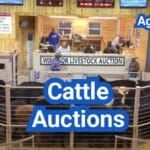
Cattle auctions are a crucial part of this industry, providing a platform for livestock transactions. Understanding how to navigate these auctions is essential for both buyers and sellers.
Whether you’re looking to purchase feeder cattle or sell your livestock at a sale barn, knowing the process and associated fees is vital.
Key Takeaways
- Understanding the cattle auction process is crucial for buyers and sellers.
- Cattle auctions in the U.S. involve various fees that need to be considered.
- Sale day tips can significantly impact the success of buying or selling cattle.
- Livestock auctions provide a platform for transactions across different regions.
- Regional differences in cattle markets can affect prices and demand.
Understanding the U.S. Cattle Auction System
Understanding the intricacies of the U.S. cattle auction system is essential for anyone involved in the cattle industry. The system is complex, involving various stakeholders and processes that facilitate the buying and selling of cattle across different regions.
“The cattle auction system is the backbone of the livestock industry,” as noted by industry experts. It provides a platform for buyers and sellers to interact, negotiate prices, and conduct transactions efficiently.
Types of Cattle Auctions in America
Livestock auctions in the U.S. generally fall into two categories: regular weekly sales and special sales. Regular weekly sales are held at a specific date and time each week, providing a consistent marketplace for cattle transactions. Special sales, on the other hand, are organized for specific purposes, such as selling particular breeds or types of cattle.
The distinction between these auction types is crucial for both buyers and sellers, as it affects the cattle they can purchase or sell, the prices they can expect, and the overall dynamics of the market.
The Role of Sale Barns in the Cattle Industry
Sale barns play a pivotal role in the cattle auction system, serving as the physical or virtual locations where cattle are sold. These facilities are equipped to handle the cattle, provide necessary services, and facilitate the auction process. Sale barns often have experienced staff who manage the logistics, ensuring that transactions are conducted smoothly and efficiently.
The role of sale barns extends beyond just hosting auctions; they also provide a hub for industry networking, market information dissemination, and support services for buyers and sellers.
Regional Differences in Cattle Markets
Cattle markets across the U.S. exhibit regional differences influenced by factors such as climate, geography, and local demand. For instance, certain regions may specialize in specific types of cattle or production methods, affecting the types of auctions held and the cattle available.
Understanding these regional differences is vital for participants in the cattle auction system, as it helps them make informed decisions about where and when to buy or sell cattle.
How Cattle Auctions Work: A Step-by-Step Overview

To succeed in cattle auctions, it’s essential to comprehend the step-by-step process involved. The cattle auction process is a complex series of events that requires careful preparation and understanding. Whether you’re buying or selling cattle, knowing what to expect can make a significant difference in your experience and outcome.
Pre-Sale Activities
Before the auction takes place, several pre-sale activities are crucial for both buyers and sellers. Sellers need to prepare their cattle by ensuring they are healthy and well-conditioned. This may involve implementing preconditioning programs that include vaccinations and nutritional programs to improve the cattle’s health and marketability.
Buyers, on the other hand, should research the market to understand current prices and trends. They should also inspect the cattle before the auction, if possible, to assess their quality and condition. It’s also important for buyers to set a budget and stick to it to avoid getting caught up in the excitement of bidding.
The Bidding Process
The bidding process is the core of the cattle auction. It begins with the auctioneer presenting the cattle for sale, often with a detailed description of their characteristics, such as breed, age, and weight. Bidders then participate by signaling their willingness to buy at the current price, which is gradually increased until only one bidder remains.
Effective bidding requires a combination of strategy and nerves of steel. Buyers should be prepared to bid confidently but avoid getting into a bidding war that could drive the price too high. It’s also crucial to understand the auction terminology used by the auctioneer to avoid confusion.
Post-Sale Procedures
After the bidding is concluded and the sale is made, several post-sale procedures must be followed. The buyer is typically required to pay for the cattle immediately or according to the agreed-upon terms. Sellers, on the other hand, need to ensure that the cattle are transferred to the buyer in a timely manner and that all necessary documentation is completed.
Both parties should also be aware of any additional costs associated with the sale, such as commission fees and yardage charges. Understanding these costs upfront can help prevent surprises and ensure a smooth transaction.
Finding Cattle Auctions Near You
Cattle auctions are scattered across the United States, and finding one near you requires knowledge of where to look. Whether you’re a seasoned cattle farmer or just starting out, locating the right auction is crucial for buying or selling cattle efficiently.
Online Resources for Locating Auctions
The internet has made it easier than ever to find cattle auctions in your area. Most auction houses today have websites where you can find information on both regular and special sales. Some key online resources include:
- Official websites of local sale barns and auction houses
- Cattle industry websites and online forums
- Agricultural event calendars
- Social media platforms and online cattle communities
Utilizing these resources can help you stay updated on upcoming auctions and plan your participation accordingly.
Major Cattle Auction Markets by Region
The United States is home to numerous significant cattle auction markets, each serving different regions. Some of the major markets include:
| Region | Notable Auction Markets |
|---|---|
| Midwest | Top livestock auctions in Illinois, Iowa, and Nebraska |
| South | Major cattle auctions in Texas, Oklahoma, and Georgia |
| West | Significant livestock markets in California and Colorado |
These regional markets play a vital role in the cattle industry, providing a platform for buyers and sellers to transact.
“The cattle auction system is a critical component of the livestock industry, facilitating the buying and selling of cattle across different regions.”
— Cattle Industry Expert
Notable Florida Livestock Markets
Florida is known for its thriving cattle industry, with several notable livestock markets throughout the state. Some of the prominent ones include:
- The Ocala Breeders’ Sales Company
- Fort Pierce Livestock Auction
- Moore Brothers Cattle Company
These markets offer opportunities for both local and out-of-state buyers to purchase high-quality cattle.
Finding the right cattle auction near you involves a combination of online research, understanding regional markets, and knowing about specific livestock markets in your state or area. By leveraging these resources and insights, you can navigate the cattle auction landscape more effectively.
Preparing to Buy Cattle at Auction

Before stepping into a cattle auction, it’s crucial to prepare yourself financially and strategically. Buying cattle at auction can be a complex process, but with the right preparation, you can make informed decisions and achieve your goals.
Setting Your Budget and Goals
Establishing a clear budget is the first step in preparing to buy cattle at auction. Determine how much you are willing to spend per head and overall, considering factors like the cattle’s quality, breed, and your operational needs. It’s also essential to set clear goals for your purchase, whether it’s expanding your herd, improving genetics, or entering the cattle market for the first time.
Budget Considerations:
- Initial purchase price
- Transportation costs
- Veterinary care and potential health issues
- Feed and operational expenses
Researching Current Market Prices
Understanding current market prices is vital for making informed bidding decisions. Utilize resources like the USDA’s livestock reports to stay updated on average sales prices for the type of cattle you’re interested in. Market reports can provide insights into price trends, helping you determine a fair price range for your purchase.
The USDA’s feeder cattle auction reports are a valuable resource for buyers, offering detailed information on prices and market trends. By analyzing these reports, you can better understand the factors influencing cattle prices and make more strategic bidding decisions.
Pre-Auction Inspection Strategies
Inspecting cattle before the auction is a critical step in the buying process. Look for signs of health issues, assess the cattle’s condition, and evaluate their overall quality. Pre-auction inspections can help you identify potential problems and avoid costly surprises after the purchase.
| Inspection Criteria | What to Look For |
|---|---|
| Health | Signs of illness, injury, or stress |
| Condition | Body condition score, weight, and overall appearance |
| Quality | Breed characteristics, conformation, and muscling |
How to Bid at a Cattle Auction: Beginner’s Guide
For those new to cattle auctions, understanding how to bid effectively is crucial for a successful experience. Cattle auctions provide a platform for buyers and sellers to transact livestock, but the bidding process can be daunting without proper knowledge.
Understanding Auction Terminology
Before diving into the bidding process, it’s essential to familiarize yourself with common auction terminology. Terms like “hammer price,” “reserve price,” and “bid increment” are frequently used during auctions. The hammer price is the final price at which the cattle are sold, determined by the auctioneer’s hammer drop. The reserve price is the minimum price a seller is willing to accept, though it’s not always disclosed to bidders.
Understanding these terms can help you navigate the auction more confidently. For instance, knowing the bid increment (the amount by which the bidding price is increased) can help you plan your bidding strategy.
Effective Bidding Techniques
Effective bidding at a cattle auction requires a combination of preparation, strategy, and composure. Here are some techniques to enhance your bidding experience:
- Watch the Bidding First: Observe how the bidding progresses before making your move. This allows you to gauge the competition and understand the bidding increments.
- Let Someone Else Start: Allowing another bidder to make the first bid can provide insight into the level of competition and the starting price.
- Set a Maximum Bid: Determine your maximum bid before the auction starts to avoid getting caught up in the excitement and overspending.
| Bidding Technique | Description | Benefit |
|---|---|---|
| Watch and Wait | Observe the bidding process before participating. | Understand the competition and bidding increments. |
| Let Others Start | Allow another bidder to make the first bid. | Gauge the competition and starting price. |
| Set a Budget | Determine your maximum bid before the auction. | Avoid overspending due to auction excitement. |
Common Bidding Mistakes to Avoid
Avoiding common mistakes can significantly improve your bidding experience. Some of the most frequent errors include:
- Not Researching the Market: Failing to understand current market prices can lead to overpaying for cattle.
- Getting Caught Up in the Excitement: Bidding more than you intended due to the auction’s fast-paced environment.
- Not Inspecting the Cattle: Failing to assess the health and condition of the cattle before bidding.
By being aware of these potential pitfalls, you can develop strategies to mitigate them, such as thorough market research and pre-auction inspections.
Expert Tips for Buying Cattle at Auction

When it comes to purchasing cattle at auction, having expert advice can make all the difference. Buying cattle at auction requires a combination of knowledge, strategy, and experience. To succeed, buyers must be well-prepared and informed.
Evaluating Cattle Health and Condition
One of the most critical aspects of buying cattle at auction is evaluating their health and condition. Look for signs of disease or stress, such as labored breathing, lethargy, or visible injuries. It’s also essential to assess the cattle’s body condition score (BCS) to ensure they are well-nourished and healthy. A healthy animal is more likely to be productive and profitable in the long run.
Inspect the cattle’s overall appearance, paying attention to their coat condition, eyes, and gait. Check for any visible health issues, such as signs of parasites, infections, or injuries. It’s also a good idea to ask the seller or auctioneer about the cattle’s health history and any vaccinations or treatments they have received.
Assessing Value Beyond Price
While the price of the cattle is a significant factor, it’s not the only consideration. Buyers should also assess the value of the cattle based on factors such as their breed, age, and genetics. High-quality cattle may be more expensive upfront but can provide better returns in the long run through improved productivity and fertility.
Consider the cattle’s potential for growth, their suitability for your operation, and any additional costs associated with purchasing, such as transportation and feed. It’s also crucial to factor in the potential risks, such as disease or market fluctuations.
Building Relationships with Sellers and Auctioneers
Building strong relationships with sellers and auctioneers can be beneficial when buying cattle at auction. These relationships can provide valuable insights into the cattle being sold, as well as the market trends and conditions. Networking with other buyers and industry professionals can also help you stay informed and make more informed purchasing decisions.
Take the time to engage with sellers and auctioneers, asking questions and seeking their advice. By doing so, you can build trust and establish a reputation as a serious and knowledgeable buyer.
Preparing Cattle for Sale at Auction
Preparing your cattle for sale at auction is a crucial step that can significantly impact the final sale price. The process involves several key strategies, including preconditioning programs, optimal timing for taking cattle to market, and effective presentation techniques.
Preconditioning Programs and Their Benefits
Preconditioning programs are designed to prepare cattle for the stresses of transportation and handling, thereby improving their health and marketability. These programs typically involve a series of vaccinations, parasite control measures, and nutritional management practices.
Benefits of Preconditioning Programs:
- Improved health and vigor
- Reduced risk of disease transmission
- Enhanced buyer confidence
- Potential for higher sale prices
According to a study by the University of Illinois, preconditioning can increase the value of calves by up to $50 per head.
“Preconditioning is a critical step in adding value to your cattle. By investing in the health and well-being of your animals, you can significantly enhance their marketability and sale price.” – Dr. John Smith, Livestock Expert
Optimal Timing for Taking Cattle to Market
Timing is everything when it comes to selling cattle at auction. The optimal timing for taking cattle to market depends on various factors, including breed, age, and market demand.
| Factor | Optimal Timing |
|---|---|
| Breed | Consider selling during peak demand seasons for specific breeds |
| Age | Sell cattle when they are at the optimal age for their intended use |
| Market Demand | Monitor market trends and sell when demand is high |
Presentation Strategies That Increase Value
Effective presentation is crucial for showcasing your cattle in the best possible light. This includes ensuring they are well-groomed, properly halter-broken, and presented in a clean and attractive manner.
By focusing on these key areas, you can significantly enhance the value of your cattle and attract more buyers at the auction.
Cattle Auction Fees and Commissions Explained
When participating in cattle auctions, it’s essential to be aware of the fees and commissions involved. These costs can significantly impact the overall expense of buying or selling cattle.
Standard Commission Rates Across Markets
Cattle auction commission rates vary across different markets. Typically, these rates range from 3% to 5% of the sale price. For instance, if a cattle sale goes for $10,000, the commission could be between $300 and $500.
Some auction houses may charge a flat fee instead of a percentage-based commission. It’s crucial for buyers and sellers to understand the commission structure before participating in an auction.
Key Factors Influencing Commission Rates:
- Market conditions
- Auction house policies
- Type of cattle being sold
- Volume of cattle
Understanding Yardage Fees
Yardage fees are another cost associated with cattle auctions. These fees cover the cost of handling and caring for the cattle while they are at the auction yard. Yardage fees are usually charged per head of cattle and can vary depending on the auction facility.
For example, an auction yard might charge $3 per head per day. If cattle are held for three days, the total yardage fee would be $9 per head.
Additional Costs to Consider
Beyond commissions and yardage fees, there are other costs to consider when buying or selling cattle at auction. These may include:
- Transportation costs to and from the auction yard
- Veterinary checks or health certificates
- Feed and care costs while the cattle are at the auction yard
- Any additional services required, such as weighing or sorting
Being aware of these potential costs can help buyers and sellers budget more effectively and avoid unexpected expenses.
Understanding the full scope of cattle auction fees and commissions is vital for successful participation in the cattle market. By being informed about standard commission rates, yardage fees, and additional costs, buyers and sellers can make more strategic decisions.
Managing Shrink at Cattle Auctions
Understanding and managing shrink is crucial for buyers and sellers in cattle auctions. Shrink refers to the weight loss that occurs when cattle are transported or held at the auction site. This loss can significantly impact the profitability of the transaction.
Shrink can result from various factors, including the distance cattle are transported, the conditions under which they are held, and the time spent at the auction yard. Managing these factors effectively is key to minimizing shrink.
Types of Shrink: Pencil vs. Actual
There are two primary types of shrink: pencil shrink and actual shrink. Pencil shrink refers to the percentage of weight deducted from the sale weight of the cattle, typically to account for anticipated weight loss during transportation. Actual shrink, on the other hand, is the real weight loss that occurs.
Understanding the difference between these two types is essential for both buyers and sellers to accurately assess the value of the cattle being sold.
Strategies to Minimize Weight Loss
Several strategies can be employed to minimize weight loss in cattle:
- Ensure cattle are well-hydrated before transport.
- Minimize the distance and time cattle are in transit.
- Provide adequate feed and rest during extended transports.
- Handle cattle gently to reduce stress.
Implementing these strategies can help reduce the actual shrink, thereby potentially increasing the profitability of the sale.
How Shrink Affects Your Bottom Line
The impact of shrink on the bottom line can be substantial. For buyers, excessive shrink can mean paying more for less product. For sellers, it can result in lower sale weights and thus lower revenues.
| Scenario | Sale Weight (lbs) | Shrink (%) | Actual Weight (lbs) | Revenue ($) |
|---|---|---|---|---|
| No Shrink | 1000 | 0% | 1000 | 1500 |
| Average Shrink | 1000 | 4% | 960 | 1440 |
| High Shrink | 1000 | 8% | 920 | 1380 |
This table illustrates how different levels of shrink can affect the actual weight of cattle sold and the resulting revenue. Effective shrink management is thus critical for maximizing profitability.
By understanding the types of shrink, implementing strategies to minimize weight loss, and recognizing the impact of shrink on the bottom line, both buyers and sellers can make more informed decisions at cattle auctions.
Understanding Cattle Auction Market Reports

Cattle auction market reports offer valuable information on price trends and patterns, helping buyers and sellers make informed decisions. These reports are crucial for understanding the dynamics of the cattle market and for strategic planning.
How to Read USDA Feeder Cattle Auction Reports
The USDA provides comprehensive feeder cattle auction reports that detail the prices of cattle at various auctions across the country. To read these reports effectively, one must understand the different sections and the information they provide.
USDA reports typically include details such as the number of head sold, average weight, and price per hundredweight. They may also provide information on the breed, sex, and condition of the cattle.
Key Components of USDA Feeder Cattle Auction Reports:
- Number of head sold
- Average weight of cattle
- Price per hundredweight
- Breed and sex of cattle
- Condition of cattle
Interpreting Price Trends and Patterns
Interpreting price trends and patterns is essential for making informed decisions in the cattle market. By analyzing historical data and current market reports, buyers and sellers can identify trends that may impact future prices.
For instance, a steady increase in prices over several months may indicate a growing demand for cattle, while a decline could signal a surplus.
Using Market Reports for Strategic Planning
Market reports can be used for strategic planning by providing insights into current market conditions and future trends. Buyers can use these reports to determine the best times to purchase cattle, while sellers can identify optimal times to sell.
| Market Condition | Buyer Strategy | Seller Strategy |
|---|---|---|
| High Demand | Consider purchasing in advance | Take advantage of high prices |
| Low Demand | Negotiate lower prices | Consider holding until demand increases |
By understanding and utilizing cattle auction market reports, buyers and sellers can make more informed decisions and navigate the complexities of the cattle market more effectively.
Sale Day Tips for Successful Cattle Auction Experiences

As you prepare for a cattle auction, having the right strategies in place can make all the difference in achieving a successful outcome. Whether you’re buying or selling, being well-prepared is crucial for maximizing your results.
What to Bring to the Auction
To ensure a smooth transaction, it’s essential to come prepared with the necessary items. Bring a truck and stock trailer, or have a friend or neighbor on call to pick up your animals. Additionally, consider bringing:
- A copy of your registration papers and health certificates
- A pen and paper for notes
- A calculator for quick calculations
- Comfortable clothing and appropriate footwear
Being prepared with the right equipment and documents will help you navigate the auction with confidence.
Timing Your Arrival and Departure
Planning your arrival and departure times is vital for a successful cattle auction experience. Arrive early to inspect the cattle and get settled before the auction begins. Consider the following tips:
- Plan your route in advance to avoid any last-minute delays
- Arrive at least an hour before the auction starts
- Have a clear plan for loading and transporting your cattle after the sale
By timing your arrival and departure strategically, you can minimize stress and maximize your chances of success.
Networking Opportunities at Sale Barns
Cattle auctions offer valuable opportunities for networking with other industry professionals. Building relationships with sellers, buyers, and auctioneers can lead to future business opportunities and provide access to valuable insights and advice.
Take the time to:
- Introduce yourself to other attendees
- Ask questions and seek advice from experienced professionals
- Exchange contact information with potential future partners
By being open to networking opportunities, you can enhance your cattle auction experience and build a stronger presence within the industry.
Online and Video Cattle Auctions: The Digital Alternative

Online cattle auctions are revolutionizing the way farmers and ranchers buy and sell livestock. This digital shift is transforming the cattle industry by providing a more accessible and efficient platform for transactions.
Major Online Auction Platforms
Several major online auction platforms have emerged, catering to the needs of cattle buyers and sellers. These platforms offer a range of services, including live video auctions, online bidding, and market analysis.
- DVO Ranch: Known for its comprehensive online auction services, DVO Ranch provides a user-friendly platform for buying and selling cattle.
- Cattlemen’s Livestock Auction: This platform offers live video auctions, allowing bidders to participate remotely.
- RanchMarkets: Specializing in online cattle auctions, RanchMarkets connects buyers and sellers across the country.
Advantages and Disadvantages of Virtual Bidding
Virtual bidding offers several advantages, including increased accessibility, reduced costs, and a wider market reach. However, it also has its drawbacks, such as the inability to physically inspect the cattle and potential technical issues.
| Advantages | Disadvantages |
|---|---|
| Increased accessibility for remote buyers | Limited ability to inspect cattle physically |
| Reduced costs for transportation and travel | Potential technical issues during auctions |
| Wider market reach and more competitive pricing | Dependence on internet connectivity |
“The digital age has brought about a significant change in how cattle auctions are conducted. Online platforms have made it easier for buyers and sellers to connect.”
— John Smith, Cattle Rancher
Tips for Success in Digital Auctions
To succeed in digital auctions, buyers and sellers should be well-prepared. This includes researching the market, understanding the auction process, and having a clear budget in mind.
- Research the Market: Understand current market prices and trends to make informed decisions.
- Understand the Auction Process: Familiarize yourself with the online auction platform and its rules.
- Set a Clear Budget: Determine your maximum bid and stick to it to avoid overspending.
By embracing online cattle auctions, buyers and sellers can benefit from a more efficient, accessible, and competitive market.
Specialized Cattle Auctions: Beyond the Regular Sale

Beyond regular sales, the cattle auction landscape includes several specialized categories that cater to the diverse needs of farmers and ranchers. These auctions provide opportunities for buyers to acquire specific types of cattle that suit their operational requirements.
Replacement Cattle Auctions
Replacement cattle auctions are designed for farmers looking to replenish or upgrade their herds. These auctions feature cattle that are bred for specific purposes, such as milk production or beef.
According to the USDA, replacement cattle auctions have seen a steady increase in participation over the past decade, reflecting the growing demand for high-quality livestock.
“The rise in replacement cattle auctions indicates a shift towards more specialized farming practices, where producers are seeking specific genetic lines to enhance their operations.”
John Smith, Livestock Expert
Breeding Stock Sales
Breeding stock sales are another critical component of specialized cattle auctions. These sales focus on cattle with superior genetics, ideal for breeding purposes.
Breeding stock sales attract a niche audience of serious breeders who are willing to pay a premium for high-quality animals.
| Category | Auction Type | Average Price |
|---|---|---|
| Breeding Stock | Specialized | $2,500 |
| Replacement Cattle | Specialized | $1,800 |
| Dairy Cattle | Specialized | $2,000 |
Dairy Cattle Auctions
Dairy cattle auctions are tailored to dairy farmers, offering cattle bred for milk production. These auctions are crucial for dairy operations looking to expand or improve their herds.
The quality of dairy cattle is a significant factor in these auctions, with buyers seeking animals that will enhance their milk production capabilities.
In conclusion, specialized cattle auctions play a vital role in the U.S. cattle industry, providing a platform for farmers and ranchers to acquire the specific types of cattle they need. Whether it’s for replacement cattle, breeding stock, or dairy cattle, these auctions offer a range of opportunities for buyers to enhance their operations.
Navigating the Cattle Auction Settlement Process
The cattle auction settlement process is a critical phase that requires attention to detail and understanding of the procedures involved. After the bidding has concluded, both buyers and sellers must navigate this process to finalize the transaction.
Understanding Settlement Sheets
A settlement sheet is a detailed document that outlines the terms of the sale, including the sale price, commission fees, and any other expenses. It’s essential for both parties to review this document carefully to ensure accuracy.
Key components of a settlement sheet include:
- The sale price of the cattle
- Commission fees charged by the auction house
- Any additional costs such as yardage fees or inspection fees
- The total amount due to the seller
Buyers should verify that the information on the settlement sheet matches the details of their purchase, including the number and type of cattle bought.
Payment Methods and Timing
Understanding the payment methods and timing is crucial for a smooth settlement process. Most cattle auctions require immediate payment or a deposit upon completion of the sale, with the balance due within a specified timeframe.
Common payment methods include:
- Cash
- Check
- Wire transfer
- Credit arrangements with the auction house
Buyers should be aware of the payment terms and ensure they have the necessary funds available. Sellers, on the other hand, should understand when they can expect to receive payment.
Resolving Disputes and Issues
Despite the best efforts of all parties, disputes or issues can arise during the settlement process. It’s essential to have a clear understanding of how to resolve these problems.
Common issues that may arise include:
- Discrepancies in the settlement sheet
- Disputes over the condition or number of cattle
- Payment delays
Both buyers and sellers should be prepared to address these issues promptly and work with the auction house to find a resolution.
By understanding the cattle auction settlement process, including settlement sheets, payment methods, and how to resolve disputes, both buyers and sellers can navigate this critical phase with confidence.
Maximizing Your Success at Cattle Auctions
By following the tips and guidance provided in this article, you can maximize your success at cattle auctions. Whether you’re buying or selling cattle, understanding the auction process and being prepared is key to achieving your goals.
Effective cattle auction tips include researching current market prices, evaluating cattle health and condition, and understanding auction terminology. By applying these strategies, you can make informed decisions and navigate the auction process with confidence.
To further enhance your success, consider building relationships with sellers and auctioneers, and stay up-to-date with market trends and reports. This will help you make the most of your cattle auction experience, whether you’re buying cattle at auction or selling calves at auction.
By implementing these strategies and staying focused on your goals, you can achieve success in the cattle auction market and maximize your returns on buying and selling cattle.
FAQ
What are the different types of cattle auctions in the U.S.?
The U.S. cattle auction system includes various types of auctions, such as feeder cattle auctions, breeding stock sales, and dairy cattle auctions. These auctions can be held in-person at sale barns or online through digital platforms.
How do cattle auctions work?
Cattle auctions involve pre-sale activities, such as cattle inspection and registration, followed by the bidding process, where buyers compete to purchase cattle. After the sale, post-sale procedures, including payment and cattle transfer, are completed.
What are the fees associated with cattle auctions?
Cattle auction fees include commission rates, yardage fees, and other additional costs. Commission rates vary across markets, while yardage fees cover the costs of handling and caring for the cattle during the auction.
How can I prepare my cattle for sale at auction?
To prepare cattle for sale, consider preconditioning programs to improve health and condition, optimize timing for taking cattle to market, and use presentation strategies that increase value, such as proper grooming and documentation.
What is shrink, and how does it affect cattle auctions?
Shrink refers to the weight loss that occurs when cattle are transported or held in a new environment. There are two types of shrink: pencil shrink and actual shrink. Minimizing shrink is crucial, as it directly affects the sale price and the seller’s bottom line.
How do I read USDA feeder cattle auction reports?
USDA feeder cattle auction reports provide detailed information on market trends, prices, and cattle condition. To read these reports, understand the different sections, including price summaries, cattle descriptions, and market analysis.
What are the benefits of online cattle auctions?
Online cattle auctions offer several advantages, including increased market access, convenience, and the ability to reach a broader audience. However, they also have disadvantages, such as the lack of in-person inspection and potential technical issues.
How do I navigate the cattle auction settlement process?
The cattle auction settlement process involves understanding settlement sheets, payment methods, and timing. It’s essential to review the settlement sheet carefully, ensure timely payment, and be prepared to resolve any disputes or issues that may arise.
What are some tips for successful cattle auction experiences?
To have a successful cattle auction experience, arrive early, inspect cattle thoroughly, and understand the bidding process. Additionally, building relationships with sellers and auctioneers, and being prepared to adapt to market conditions, can help maximize your success.
How can I find cattle auctions near me?
To find cattle auctions near you, utilize online resources, such as auction listings and market reports, and contact local sale barns or livestock markets directly. You can also network with other cattle buyers and sellers to gather information on upcoming auctions.
Conclusion of: Cattle Auctions in the U.S.
What a cattle auction does in U.S. cattle marketing
A cattle auction is one of the most common “price discovery” places in the U.S. cattle industry, where buyers and sellers meet on a scheduled sale day and bids determine value in real time. Even if you primarily do private treaty sales, local cattle auction results often influence what people consider “fair market” that week. Because auction barns serve everyone from small cow-calf producers to professional order buyers, the ring can reflect local feed conditions, trucking costs, and demand from backgrounders and feedyards all at once. Livestock Marketing Association (LMA)
Types of cattle auction sales you’ll see across the U.S.
Not every cattle auction looks the same, and choosing the right type can change your outcome. Many barns run weekly sales (mixed calves, feeders, cows, bulls), while others host special sales for weaned calves, preconditioned calves, replacement heifers, bred cows, or feeder specials with larger, more uniform lots. Some markets also livestream ring sales or run internet/video programs, which can reduce hauling but increase the importance of accurate descriptions and solid documentation. USDA AMS feeder & replacement cattle auctions
How a cattle auction sale day actually flows
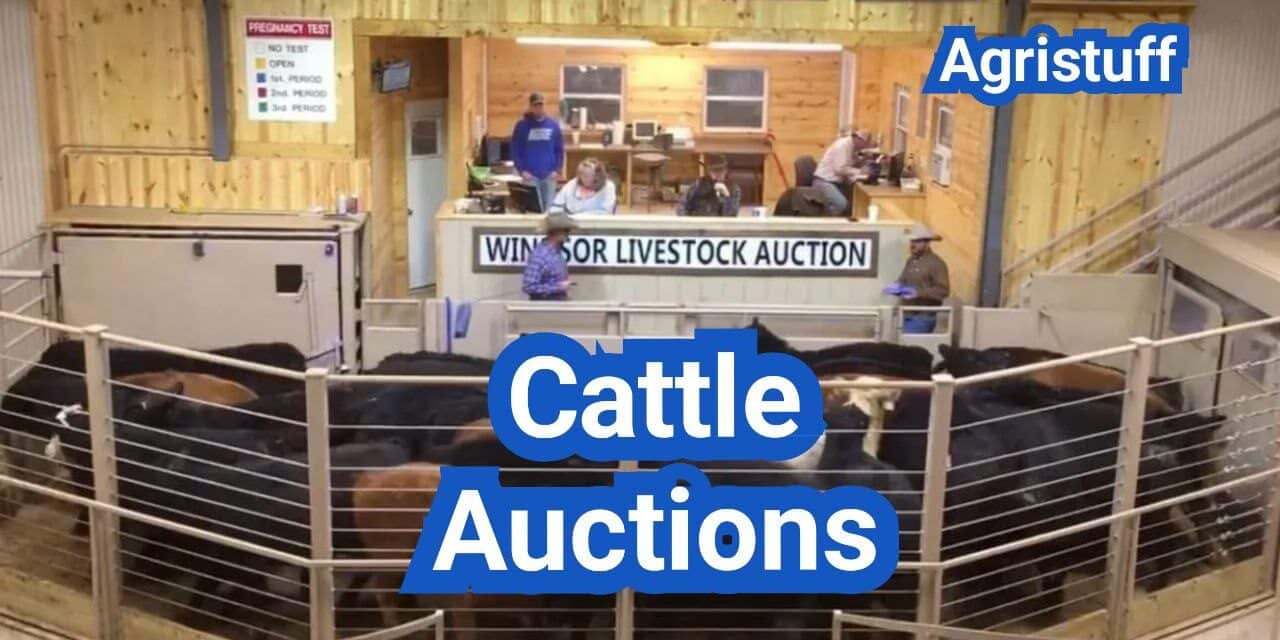
A typical cattle auction day starts with receiving and penning, then sorting into lots, weighing (individual or group), and selling through the ring in an order set by the market. The auctioneer calls bids, ring staff watch for signals, and office staff record buyer numbers, head count, and final price. After the sale, the barn issues paperwork showing weights, price, and fees, and buyers settle payment before loading out. Understanding these steps helps you move calmly and avoid mistakes when the pace gets fast in a cattle auction. USDA AMS: Market agency basics
Buyer vs seller roles at a cattle auction (and why order buyers matter)
In a cattle auction, you’ll see different buyer types with different goals: local producers filling a pasture, stocker operators looking for gain potential, order buyers purchasing for specific feedyards, and sometimes packer buyers in cow/bull markets. Order buyers can be influential because they may be shopping for large numbers that must match a spec (weight range, type, program status). As a seller, that’s a reason to build uniform lots; as a buyer, it’s a reason to know your ceiling price so you don’t chase a pen that fits someone else’s order perfectly. USDA AMS: Livestock market news terms
How to register, get a bidder number, and understand payment expectations
Most barns will issue a bidder number after you show ID and provide basic contact information, and some markets require additional steps if you want to buy on credit. Whether you’re buying or selling, the money rules matter because a cattle auction is a regulated marketing channel in the U.S. livestock system. Federal guidance explains prompt payment expectations and outlines how payment protection works in livestock transactions, which is helpful context if you’re new or working with a market for the first time. USDA AMS: Payment protection overview
How cattle auction pricing works: $/cwt, weight brackets, and lot comparisons
Most feeder and calf trades at a cattle auction are quoted in dollars per hundredweight ($/cwt), so your total cost depends on both price and weight. Small differences in weight class can create big swings in $/cwt because buyers think in “cost of gain,” pen uniformity, and expected performance. The best habit is comparing like-with-like: same weight bracket, similar condition, similar type, and similar health/program status. Using official market reporting helps you frame what “normal” looks like before you step into the cattle auction ring. USDA AMS: Market News
Use USDA auction reports to set a realistic bid limit
Before you buy at a cattle auction, pull recent sales for your region and weight class, then decide what you can afford based on your feed cost, expected daily gain, and risk tolerance. Many producers also watch broader benchmarks to understand the national tone, especially when feeder prices are moving quickly. A well-known example is the Feeder Cattle Index explanation, which shows how auction and cash trade data can feed into widely watched market measures, reinforcing how central cattle auction results can be to price discovery. CME Group: Feeder cattle market info
How to evaluate cattle in the ring: type, condition, fill, and risk signals
In a cattle auction, you often have seconds to judge a lot, so focus on big-ticket risk factors: uniformity, thriftiness, sound feet and legs, calm movement, and reasonable body condition. Watch for signs of stress or poor doing, and remember “fill” can distort weight—cattle that are overfilled may shrink hard after you haul them home. If you’re new, spend a few sales just watching, taking notes, and comparing what you see to the final bid so you build an internal “value map” for cattle auction cattle types. Oklahoma State University Extension
Health reality at a cattle auction: commingling and receiving risk
Because a cattle auction brings cattle from many sources into shared pens and shared airspace, buyers should assume commingling risk and plan accordingly. A smart receiving program is not “optional”—it’s how you protect performance, reduce sickness, and manage treatment costs. Quarantine space (even short-term), clean water, good hay, and close observation in the first week can make a huge difference. Extension resources on farm biosecurity emphasize practical steps to reduce disease introduction and spread when bringing new cattle home from a cattle auction. Michigan State University Extension: Biosecurity
Transport and handling: protect performance and reduce shrink after a cattle auction
Hauling is where many cattle auction wins turn into losses if you rush or overload. Aim for safe stocking density, avoid sharp corners and sudden braking, and minimize wait times in hot weather. Plan your route and load-out so cattle don’t stand on a trailer for hours. Once home, give cattle time to settle with calm handling, clean water, and feed they recognize. Best-practice handling and transportation guidelines are compiled in well-known quality assurance resources that support responsible cattle care tied to cattle auction movement. Beef Quality Assurance (BQA)
Seller prep that pays: sorting, uniform lots, and honest descriptions
For sellers, the easiest way to help buyers bid confidently at a cattle auction is making the cattle easy to understand. Sort into uniform groups by weight and type, provide accurate information (weaning, vaccination, implant status, age/source, program claims), and avoid “surprises” that create buyer doubt. Clean, sound cattle with calm temperament usually get more bidders than cattle that look stressed or uneven. If your barn hosts special sales, consider them for uniform, documented groups because they often attract targeted cattle auction buyers. Iowa State Ag Decision Maker
Common cattle auction fees sellers should expect (and how to read the settlement)
Cattle auction charges vary by market, but many sellers will see some mix of commission, yardage, insurance/coverage options, brand inspection or state fees (where applicable), and administrative costs. You might also see standard national assessments and other line items depending on how cattle are sold and paid for. The key is focusing on “net,” not just the high bid—because the best market for your cattle auction cattle is the one that delivers the best check after all deductions. Understanding the livestock marketing framework and typical documentation makes the settlement easier to audit. USDA AMS: Packers & Stockyards Act resources
The $1 Beef Checkoff and other standard deductions you may see at a cattle auction
Many U.S. producers notice the Beef Checkoff when it appears as a deduction on a cattle auction settlement sheet. The national Beef Checkoff assesses $1 per head at the sale of live cattle, and some states also have additional assessments or inspection-related fees depending on the state and transaction type. These items are usually routine, so the best strategy is to treat them as predictable marketing costs and focus on what you can control—lot quality, documentation, timing, shrink, and choosing the right cattle auction channel. Cattlemen’s Beef Board: About the Beef Checkoff
Documents and movement rules: what can matter after a cattle auction purchase
When cattle move across state lines after a cattle auction, you may need animal health documentation depending on origin, destination, class of cattle, and state requirements. It’s smart to confirm rules before you buy, especially if you’re shipping replacements, breeding animals, or cattle going into certain programs. Federal reference guidance on interstate movement is a useful starting point before you talk with a veterinarian or your state animal health office, and it keeps your cattle auction plan from getting stuck at the last minute.
Brand inspection: a cattle auction detail that can change your timeline in western states
In many western regions, brand inspection is part of the ownership and movement system, and it can be required around change of ownership or movement out of a county or state—rules differ by state. If you buy at a cattle auction in a brand-inspection state, you may need an inspection before you can legally move cattle, and that can affect load-out timing and travel plans. Always ask the barn office what applies where you are buying, and review your state’s official brand guidance so your cattle auction logistics stay smooth. Montana Livestock: Brands Enforcement
Sale day tips for buyers: a simple cattle auction checklist that prevents costly mistakes
On cattle auction day, show up early, walk pens, confirm your target weight/type, and watch a few lots sell before you bid so you understand the day’s tone. Keep a notebook with your ceiling price, expected shrink, and receiving plan so you don’t get pulled into “ring fever.” Ask office staff about payment methods and load-out rules before bidding, and make sure your trailer, help, and pens are ready before you buy. Practical buyer and seller pointers are widely shared in industry publications that focus on everyday cattle auction success habits. Beef Magazine
Sale day tips for sellers: maximize bids at the cattle auction without gimmicks
Sellers can improve cattle auction results by controlling the controllables: deliver cattle on time, keep them clean, provide accurate descriptions, and sort into uniform lots that buyers can confidently place into a program. If you can, sell weaned and properly managed calves with clear health information because buyers often price risk into their bids. Also consider the calendar: local demand can shift with forage, weather, and feed costs, so watch receipts and trends rather than guessing. Market reporting tools help sellers understand what buyers are paying for similar cattle auction cattle. USDA AMS: Livestock market reporting
Final thought
The best cattle auction outcomes usually come from repeatable systems, not lucky days. Buyers do well when they set a firm ceiling price, use real market data, and execute a consistent receiving and transport plan. Sellers do well when they sort for uniformity, document management honestly, and focus on net returns after fees and shrink. Treat every cattle auction as a process you can refine—before the sale, during the ring, and after load-out—and your decisions will get calmer and more profitable over time.
Sources & References
- For official context that applies to many cattle auction transactions, review federal livestock marketing rules and guidance that explain market agencies, payment expectations, and protections. USDA AMS: Packers & Stockyards Act
- To understand how cattle auction payments and protections are handled at a high level, start with USDA’s payment protection overview and related resources. USDA AMS: Payment protection
- To track real cattle auction prices in your area and compare weight brackets and classes, use USDA’s feeder and replacement cattle auction reporting hub. USDA AMS: Auction reports
- To decode the language you’ll see in a cattle auction report (terms like receipts, fleshy, gaunt, unweaned, fancy, etc.), use USDA’s market news terms glossary. USDA AMS: Market terms
- To understand cattle auction-related deductions that include national programs, review the Beef Checkoff explanation and how the $1 per head assessment works. Cattlemen’s Beef Board: Beef Checkoff
- To strengthen cattle auction transport and handling practices that protect cattle and performance, use Beef Quality Assurance guidance as a practical reference. BQA: Resources
- For broader livestock marketing education and cattle auction industry context, the Livestock Marketing Association provides market-focused information and updates. Livestock Marketing Association