Lameness in cattle is a significant issue affecting both beef and dairy herds, leading to reduced productivity and welfare concerns. One major cause of this lameness is foot rot, a bacterial infection that impacts the tissue between the toes, resulting in swelling, pain, and difficulty in movement.
The impact of foot rot on cattle health and productivity cannot be overstated. It not only causes discomfort to the animals but also leads to significant economic losses for farmers due to reduced milk production, weight loss, and the cost of treatment.
Key Takeaways
- Foot rot is a major cause of lameness in cattle.
- It is a bacterial infection affecting the tissue between the toes.
- Symptoms include swelling, pain, and difficulty in movement.
- Foot rot significantly impacts cattle health and productivity.
- Effective treatment and prevention protocols are crucial.
What Is Foot Rot in Cattle?
Foot rot in cattle is characterized by a bacterial infection that necessitates prompt treatment to prevent further complications. It is a contagious condition affecting the soft tissue between the toes, caused primarily by bacteria such as Fusobacterium necrophorum.
Definition and Clinical Description
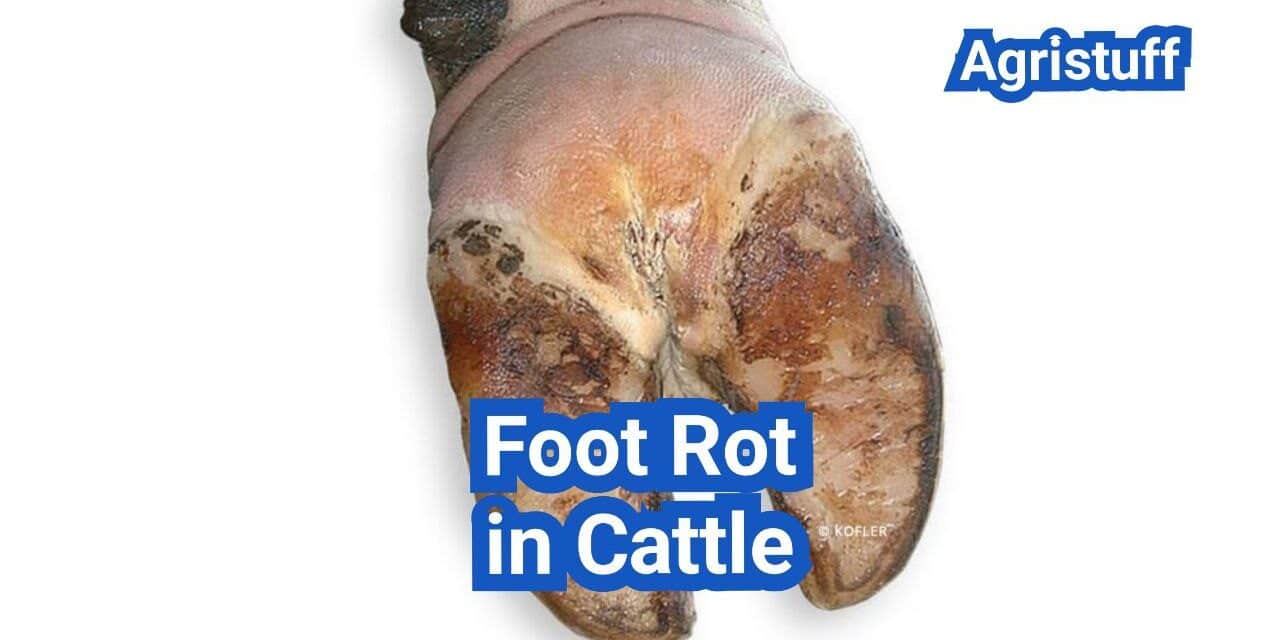
Foot rot, also known as interdigital necrobacillosis, is defined by its clinical signs, which include lameness, swelling between the claws, and a foul odor due to the necrotic tissue. The infection occurs when bacteria invade the soft tissue through a wound or crack in the skin, leading to inflammation and necrosis.
Interdigital Phlegmon Explained
Interdigital phlegmon is another term associated with foot rot, describing the acute inflammatory reaction in the interdigital skin and deeper tissues. This condition is often a result of the bacterial infection progressing to involve more tissue, causing severe lameness and pain.
Economic Impact on Cattle Operations
The economic impact of foot rot on cattle operations can be significant. It affects animal welfare, reduces productivity, and increases veterinary and labor costs. The table below summarizes the key economic impacts.
| Economic Factor | Description | Impact Level |
|---|---|---|
| Productivity Loss | Reduced weight gain and milk production | High |
| Veterinary Costs | Treatment and management expenses | Medium to High |
| Labor Costs | Increased time for hoof trimming and treatment | Medium |
Causes of Foot Rot in Cattle

The development of foot rot in cattle involves a combination of bacterial infection and environmental conditions. Understanding these causes is crucial for implementing effective prevention and treatment strategies.
Primary Bacterial Pathogens
Foot rot in cattle is primarily caused by the bacterium Fusobacterium necrophorum, often in conjunction with other pathogens like Dichelobacter nodosus. These bacteria thrive in moist environments and can lead to severe lameness if not addressed promptly.
Environmental Factors Contributing to Infection
Environmental conditions play a significant role in the development of foot rot. Wet and muddy conditions, common in poorly drained pastures or feedlots, create an ideal environment for the bacteria to thrive. Poor hoof care and hygiene can also exacerbate the condition.
Seasonal Patterns and Risk Factors
Foot rot incidence can vary with seasonal changes, typically increasing during wet seasons or in regions with high rainfall. Managing risk factors such as muddy conditions and ensuring proper drainage can help mitigate the risk of foot rot.
| Risk Factor | Description | Mitigation Strategy |
|---|---|---|
| Wet Conditions | Moisture facilitates bacterial growth. | Improve drainage, provide dry areas. |
| Poor Hoof Care | Lack of regular trimming and inspection. | Regular hoof trimming and inspection. |
| Seasonal Variations | Increased incidence during wet seasons. | Adjust management practices seasonally. |
Recognizing Foot Rot Symptoms in Cattle
Early detection of foot rot is vital for implementing appropriate treatment protocols and minimizing the risk of complications. Farmers and veterinarians must be aware of the signs that indicate the onset of this condition.
Early Warning Signs
The initial signs of foot rot in cattle often include lameness and a noticeable change in gait. Affected animals may exhibit reluctance to bear weight on the affected foot, leading to a characteristic “limping” or “favoring” of one leg over the others. As the condition progresses, the area between the claws becomes swollen and painful.
“The earliest sign of foot rot is often a subtle lameness,” notes a veterinary expert. “Farmers should be vigilant in monitoring their herds for these early indicators to prevent the condition from worsening.”
Advanced Clinical Symptoms
As foot rot advances, the symptoms become more pronounced. The interdigital space becomes increasingly swollen, and a foul odor may be noticeable due to the necrotic tissue. In severe cases, the swelling can extend to the coronary band and even the fetlock, significantly impacting the animal’s mobility and overall well-being.
Cattle Foot Swelling Between Claws
One of the hallmark signs of foot rot is the swelling that occurs between the claws of the affected animal. This swelling is a result of the infection causing inflammation and tissue damage. It’s crucial to inspect the feet of lame cattle carefully to identify this symptom.
Behavioral Changes in Affected Animals
Affected animals often exhibit behavioral changes due to the pain and discomfort caused by foot rot. These changes can include reduced grazing, decreased milk production in dairy cows, and a general reluctance to move. In some cases, animals may stand with their backs arched or show signs of restlessness, indicating their discomfort.
By recognizing these symptoms early, farmers can take prompt action to treat the condition and prevent its spread to other animals in the herd.
Diagnosing Foot Rot vs. Other Hoof Conditions
The diagnosis of foot rot involves distinguishing it from other hoof diseases that cause lameness in cattle. Accurate diagnosis is crucial for effective treatment and prevention of further complications.
Foot Rot vs. Digital Dermatitis
Foot rot and digital dermatitis are two distinct hoof conditions in cattle. While both can cause lameness, their causes and symptoms differ. Digital dermatitis is a bacterial infection that affects the skin of the hoof, causing lesions and pain. In contrast, foot rot is primarily caused by bacterial infection between the claws.
Key differences:
- Location: Digital dermatitis affects the skin, while foot rot occurs between the claws.
- Causes: Digital dermatitis is caused by bacteria such as Treponema spp., whereas foot rot is typically caused by Fusobacterium necrophorum and Dichelobacter nodosus.
- Symptoms: Digital dermatitis presents with skin lesions, while foot rot is characterized by swelling and necrosis between the claws.
Differentiating from Other Causes of Lameness
Lameness in cattle can be caused by various hoof conditions, including sole ulcers, white line disease, and interdigital hyperplasia. Each condition requires a different treatment approach.
| Condition | Causes | Symptoms |
|---|---|---|
| Sole Ulcer | Pressure on the sole, often due to hard surfaces | Pain, lameness, and a visible ulcer on the sole |
| White Line Disease | Separation of the white line, often due to hoof cracks | Lameness, and a visible separation or abscess |
| Interdigital Hyperplasia | Chronic irritation or infection between the claws | Swelling, pain, and sometimes a visible growth between the claws |
Diagnostic Approaches for Accurate Identification
Accurate diagnosis involves a combination of clinical examination, history, and sometimes laboratory tests. A thorough inspection of the hoof, including between the claws and the sole, is essential.
“A thorough clinical examination is crucial for diagnosing hoof conditions in cattle. It involves inspecting the hoof, assessing the animal’s gait, and considering the herd’s history and management practices.” – Dr. John Smith, Veterinarian
Diagnostic approaches may include:
- Visual inspection of the hoof
- Hoof testing with a hoof tester
- Laboratory analysis of swabs or biopsies
By combining these approaches, farmers and veterinarians can accurately diagnose foot rot and differentiate it from other hoof conditions, ensuring effective treatment and management.
Step-by-Step Treatment Protocols for Cattle Foot Rot
Treating foot rot in cattle involves a systematic protocol that encompasses containment, cleaning, trimming, and topical treatments. Effective management of foot rot requires a comprehensive approach to prevent the spread of infection and promote healing.
Initial Response and Containment
The first step in treating foot rot is to isolate the affected animal to prevent the spread of the infection to other cattle. This initial response is crucial in containing the disease.
Proper Cleaning and Hoof Trimming Procedures
Cleaning and trimming the affected hoof is a critical step in the treatment process. This involves removing dirt, debris, and infected tissue to promote healing.
Hoof Trimming Steps:
- Clean the hoof thoroughly
- Trim away dead or infected tissue
- Shape the hoof to prevent further irritation
Topical Treatment Applications
After cleaning and trimming, topical treatments are applied to the affected area. These treatments can include antibiotics and disinfectants to combat the infection.
Bandaging Techniques and Follow-up Care
Bandaging the affected hoof helps protect it from further irritation and infection. Regular follow-up care is essential to monitor the healing process and adjust the treatment as necessary.
| Treatment Step | Purpose | Frequency |
|---|---|---|
| Initial Isolation | Prevent spread of infection | Once |
| Hoof Cleaning and Trimming | Remove infected tissue, promote healing | As needed |
| Topical Treatments | Combat infection | Daily/As prescribed |
| Bandaging | Protect the hoof | Regularly |
Antibiotic Treatment Options for Foot Rot
Antibiotic treatment is a crucial component in managing foot rot in cattle. Effective use of antibiotics can significantly reduce the severity of the infection and promote recovery.
Best Antibiotics for Cattle Foot Rot (Label-Guided)
The choice of antibiotic for treating foot rot in cattle depends on several factors, including the severity of the infection, the causative pathogens, and local veterinary guidelines. Commonly used antibiotics include:
- Oxytetracycline: A broad-spectrum antibiotic effective against a wide range of bacteria, including those causing foot rot.
- Penicillin: Often used for treating bacterial infections, penicillin can be effective against foot rot, especially when combined with other treatments.
- Florfenicol: Known for its efficacy against respiratory pathogens, florfenicol is also used in some foot rot treatment protocols.
It’s essential to follow label instructions and consult with a veterinarian to determine the most appropriate antibiotic and treatment regimen.
Administration Methods and Dosages
Antibiotics can be administered through various routes, including intramuscular injection, subcutaneous injection, or oral administration. The choice of administration method depends on the specific antibiotic, the severity of the infection, and the animal’s condition.
| Antibiotic | Administration Route | Dosage |
|---|---|---|
| Oxytetracycline | Intramuscular | 9 mg/lb body weight |
| Penicillin | Intramuscular | 3,000-6,000 units/lb body weight |
| Florfenicol | Subcutaneous | 40 mg/kg body weight |
Treatment Duration and Withdrawal Periods
The duration of antibiotic treatment varies depending on the severity of the infection and the response to therapy. It’s crucial to complete the full treatment course as prescribed to ensure effective resolution of the infection.
Withdrawal periods must be observed to ensure that antibiotic residues do not contaminate milk or meat products. The specific withdrawal periods will depend on the antibiotic used and should be determined in consultation with a veterinarian.
“The judicious use of antibiotics in veterinary medicine is critical to maintaining their efficacy and minimizing the risk of antibiotic resistance.”
Veterinary Guidelines
Monitoring Treatment Effectiveness
Regular monitoring of treated animals is essential to assess the effectiveness of the treatment and to identify any potential complications early. This includes observing for improvements in clinical signs, such as reduced lameness and swelling.
By carefully selecting and monitoring antibiotic treatment, cattle producers can effectively manage foot rot and reduce its impact on their operations.
Home Remedies and Alternative Treatments
In addition to traditional veterinary care, several home remedies and alternative treatments can provide relief and support healing for cattle suffering from foot rot.
Effective Home Treatment Options
Some farmers have found success with various home remedies to treat foot rot. Foot bathing in solutions containing copper sulfate or zinc sulfate can help reduce bacterial load and promote healing. Another approach is applying topical treatments like tea tree oil or honey, which have antimicrobial properties.
It’s essential to note that while these remedies can be beneficial, they should not replace veterinary care but rather complement it.
Pain Management Strategies
Managing pain is crucial for the welfare of cattle with foot rot. Non-steroidal anti-inflammatory drugs (NSAIDs) can be used under veterinary guidance to reduce pain and inflammation. Additionally, providing a comfortable environment, such as soft bedding and easy access to food and water, can help alleviate discomfort.
Supportive Care During Recovery
Supportive care plays a vital role in the recovery of cattle from foot rot. Ensuring the animals have a clean, dry living environment can prevent further irritation and infection. Regular hoof trimming and inspection are also crucial to remove any necrotic tissue and to monitor healing progress.
By combining these home remedies and alternative treatments with proper veterinary care, cattle farmers can effectively manage foot rot and support the overall health and well-being of their animals.
Treating Foot Rot in Beef Cattle
Treating foot rot in beef cattle requires a comprehensive approach that considers the specific needs of different production systems. Beef cattle operations vary widely, from extensive range operations to intensive feedlot settings, each presenting unique challenges in managing foot rot.
Special Considerations for Range Cattle
Range cattle often present a challenge due to the difficulty in detecting early signs of foot rot. Regular inspection is crucial, especially during gathering operations. Producers should be vigilant for signs of lameness or swelling between the claws. In range settings, treatment protocols may need to be adapted to accommodate the challenges of handling cattle in open areas.
For instance, using long-acting antibiotics can be beneficial as they reduce the need for repeated handling of the cattle. Additionally, providing adequate nutrition and ensuring access to clean water can help in the overall recovery and health of the cattle.
Handling and Restraint Methods
Effective handling and restraint are critical when treating foot rot in beef cattle. Squeeze chutes or other restraint devices are essential for safely trimming hooves and applying treatments. Proper handling minimizes stress and reduces the risk of injury to both the cattle and the handlers.
Training staff on gentle handling techniques can significantly improve the efficiency and safety of treatment procedures. It’s also important to ensure that all equipment is well-maintained to prevent complications during treatment.
Treatment Protocols for Feedlot Settings
In feedlot settings, foot rot can spread quickly due to the close proximity of the animals. Prompt identification and isolation of affected cattle are crucial to prevent the spread of the disease.
Treatment protocols in feedlots often involve a combination of antibiotic therapy and hoof trimming. Feedlots may also implement footbathing as a preventive measure for the rest of the herd. Regular monitoring of the herd’s health and maintaining clean living conditions are key components of an effective foot rot management plan.
Follow-up Procedures for Beef Operations
After initial treatment, follow-up care is essential to ensure that the infection is fully cleared and to prevent recurrence. This may involve repeated inspections, continued antibiotic treatment as prescribed by a veterinarian, and maintaining a clean environment.
Record-keeping is also a vital part of follow-up procedures, allowing producers to track the effectiveness of their treatment protocols and make necessary adjustments. By integrating these practices into their operations, beef producers can effectively manage foot rot and maintain the health and productivity of their herds.
Treating Foot Rot in Dairy Cows
Foot rot in dairy cattle presents a significant challenge for dairy farmers, affecting not only the health of the cattle but also milk production and quality. Effective treatment is crucial to minimize losses and ensure the well-being of the animals.
Impact on Milk Production and Quality
Foot rot can significantly impact milk production in dairy cows. The pain and discomfort caused by the infection can lead to a decrease in milk yield. Moreover, the systemic effects of the infection can affect the quality of the milk produced. Prompt treatment is essential to mitigate these effects and ensure that milk production returns to normal levels.
Treatment Protocols During Lactation
Treating foot rot in dairy cows during lactation requires careful consideration of the cow’s health and the potential impact on milk production. Antibiotic treatments are often necessary, but they must be used judically to avoid residue in the milk. Farmers should work closely with their veterinarians to develop a treatment plan that balances the need to cure the infection with the need to maintain milk quality and safety.
Milking Procedures for Affected Cows
Cows being treated for foot rot should be milked separately to prevent the spread of infection. Milking machines and equipment should be thoroughly cleaned and disinfected. Regular monitoring of the cow’s condition and milk quality is crucial during this period.
Return-to-Production Guidelines
After treatment, cows should be gradually returned to full production. This involves monitoring their health and milk production closely. Guidelines for return-to-production should be developed in consultation with a veterinarian to ensure that the cows are fully recovered and that milk quality is not compromised.
By following these guidelines and working closely with veterinary professionals, dairy farmers can effectively manage foot rot in their herds, minimize the impact on milk production, and ensure the overall health and well-being of their cows.
Prevention Strategies for Foot Rot
Preventing foot rot requires a multi-faceted approach that includes vaccination, nutritional management, and regular hoof care. By implementing these strategies, cattle operations can significantly reduce the incidence of foot rot and maintain the health and productivity of their herds.
Vaccination Programs and Timing
Vaccination is a critical component of foot rot prevention. Autogenous vaccines tailored to the specific pathogens present on a farm can be highly effective. The timing of vaccination is also crucial, with initial vaccinations typically administered to calves at a young age and booster shots given as needed based on risk assessment.
A well-planned vaccination program can help reduce the incidence of foot rot. The following table outlines a sample vaccination schedule:
| Age/Production Stage | Vaccination Type | Booster Interval |
|---|---|---|
| Calves (2-4 months) | Initial Vaccination | N/A |
| Weaning | Booster | 3-4 months |
| Pre-breeding | Booster | 6 months |
Nutritional Management for Hoof Health
Nutritional management plays a vital role in maintaining hoof health and preventing foot rot. Ensuring that cattle receive a balanced diet rich in essential nutrients, such as biotin, zinc, and copper, is crucial. These nutrients support hoof integrity and resilience.
A diet lacking in these essential nutrients can lead to hoof health issues, including foot rot. The following nutrients are key to hoof health:
- Biotin: Essential for hoof growth and integrity
- Zinc: Important for wound healing and immune function
- Copper: Crucial for connective tissue health
Regular Hoof Inspection and Maintenance Schedules
Regular hoof inspection and maintenance are essential for early detection and treatment of hoof issues, including foot rot. Implementing a routine hoof trimming schedule can help identify problems before they become severe.
Hoof trimming should be performed by trained professionals to avoid causing further damage. The frequency of trimming depends on factors such as breed, age, and environmental conditions.
Environmental Management for Prevention

Effective environmental management is crucial in preventing foot rot in cattle. By focusing on key aspects such as facility design, drainage, and managing high-risk areas, cattle operations can significantly reduce the incidence of this costly condition.
Facility Design and Drainage Considerations
The design of cattle facilities plays a critical role in preventing foot rot. Proper drainage is essential to keep areas where cattle stand or walk dry. Facilities should be designed to minimize standing water and reduce moisture accumulation. This can be achieved by:
- Ensuring adequate slope and drainage in holding areas and walkways
- Using materials that are easy to clean and dry
- Implementing regular cleaning schedules to remove manure and reduce bacterial load
Managing Muddy Lots and High-Risk Areas
Muddy lots are a significant risk factor for foot rot due to the increased moisture and bacterial load. Managing these areas effectively involves:
- Rotating pastures to reduce soil compaction and allow areas to dry out
- Using gravel or other surfacing materials to improve drainage in high-traffic areas
- Implementing temporary measures during wet conditions, such as providing dry bedding or alternative routes
Footbath Protocols for Dairy Operations
Footbaths are a critical component of foot rot prevention in dairy operations. Effective footbath protocols include:
- Using copper sulfate or other proven footbath solutions
- Ensuring the correct concentration of the footbath solution
- Regularly changing the footbath solution to maintain efficacy
- Strategically locating footbaths in high-traffic areas to maximize exposure
Seasonal Adjustments to Prevention Plans
Seasonal changes can significantly impact the risk of foot rot. Adjusting prevention plans seasonally involves:
- Increasing vigilance during wet seasons when the risk of foot rot is higher
- Adjusting facility management practices, such as more frequent cleaning during wet periods
- Reviewing and updating footbath protocols as needed based on seasonal conditions
When to Call the Veterinarian
The decision to call a veterinarian should be based on clear signs of severe or non-responsive foot rot cases. Foot rot, if not managed properly, can lead to significant economic losses in cattle operations.
Signs of Severe or Non-Responsive Cases
Identifying severe or non-responsive cases of foot rot is critical for determining when veterinary intervention is necessary. Some key indicators include:
- Severe lameness that persists despite initial treatment
- Swelling and pain that is not alleviated by standard care
- Presence of pus or discharge indicating a severe infection
- Fever or other systemic signs of illness
Developing a Comprehensive Herd Health Plan
A comprehensive herd health plan is essential for preventing and managing foot rot. This plan should include:
- Regular hoof inspections and maintenance
- Vaccination programs tailored to the herd’s specific needs
- Nutritional management to support hoof health
- Environmental management strategies to reduce risk factors
Working with Your Vet on Long-Term Prevention
Collaboration with a veterinarian is key to developing effective long-term prevention strategies. This includes:
- Regular consultations to review herd health and adjust plans as necessary
- Monitoring of foot rot incidence and prevalence
- Adjusting prevention strategies based on feedback and outcomes
Documentation and Record-Keeping
Accurate documentation and record-keeping are vital for tracking the effectiveness of treatment and prevention strategies. This includes:
- Records of individual animal treatments and outcomes
- Documentation of herd health plan implementation and adjustments
- Tracking of foot rot incidence and prevalence over time
By working closely with a veterinarian and maintaining detailed records, cattle producers can develop effective strategies for managing and preventing foot rot.
Implementing a Comprehensive Foot Rot Management Plan
A comprehensive foot rot management plan is crucial for maintaining cattle health and preventing the economic impact of this condition on cattle operations. Effective management involves a multi-faceted approach that includes treatment, prevention, and environmental management.
By understanding the causes of foot rot, recognizing its symptoms, and implementing appropriate treatment protocols, cattle producers can reduce the incidence of this condition. Regular hoof care and inspection are essential components of a comprehensive plan, as is environmental management to reduce the risk factors associated with foot rot.
Prevention strategies, including vaccination programs, nutritional management for hoof health, and regular hoof inspection and maintenance schedules, play a critical role in maintaining cattle hoof health. By combining these elements, producers can develop a robust foot rot management plan that protects their cattle and supports the overall health and productivity of their operation.
Implementing such a plan requires ongoing commitment and attention to detail, but the benefits in terms of improved cattle health and reduced economic losses make it a worthwhile investment for any cattle operation.
FAQ
What is foot rot in cattle?
Foot rot in cattle is a necrotic infectious disease that affects the hooves, causing lameness, pain, and discomfort. It is a bacterial infection that can lead to significant economic losses in cattle operations.
What are the symptoms of foot rot in cattle?
The symptoms of foot rot in cattle include lameness, swelling between the claws, and a foul odor. Affected animals may also exhibit behavioral changes, such as reduced appetite and decreased milk production.
What causes foot rot in cattle?
Foot rot in cattle is caused by a bacterial infection, typically involving Fusobacterium necrophorum and Dichelobacter nodosus. Environmental factors, such as wet and muddy conditions, can contribute to the development of the disease.
How is foot rot diagnosed in cattle?
Diagnosing foot rot involves a physical examination of the affected animal, including a visual inspection of the hooves and a review of the animal’s clinical history. Diagnostic approaches may also include laboratory tests to confirm the presence of the bacteria.
What is the treatment for foot rot in cattle?
Treatment for foot rot in cattle typically involves a combination of antibiotics, hoof trimming, and topical treatments. The goal is to eliminate the infection, reduce pain and discomfort, and promote healing.
What antibiotics are used to treat foot rot in cattle?
The best antibiotics for treating foot rot in cattle include those that are label-guided for this specific condition. Commonly used antibiotics include penicillin, oxytetracycline, and florfenicol. It’s essential to follow the recommended dosage and administration guidelines.
Can foot rot be prevented in cattle?
Yes, foot rot can be prevented in cattle through a combination of strategies, including vaccination programs, nutritional management, regular hoof inspection, and environmental management. Implementing a comprehensive prevention plan can help reduce the risk of foot rot.
How can environmental management help prevent foot rot?
Environmental management plays a crucial role in preventing foot rot. This includes designing facilities with proper drainage, managing muddy lots, and implementing footbath protocols. Seasonal adjustments to prevention plans can also help mitigate the risk of foot rot.
When should a veterinarian be called for foot rot cases?
A veterinarian should be called for foot rot cases that are severe, non-responsive to treatment, or suspected to be complicated by other conditions. Developing a comprehensive herd health plan with the guidance of a veterinarian can help prevent and manage foot rot.
What is the economic impact of foot rot on cattle operations?
Foot rot can have a significant economic impact on cattle operations, resulting in losses due to reduced productivity, treatment costs, and increased veterinary care. Implementing effective prevention and treatment strategies can help minimize these losses.
How can hoof care contribute to preventing foot rot?
Regular hoof inspection and maintenance are essential for preventing foot rot. Proper hoof trimming and care can help identify early warning signs and prevent the development of the disease.
Conclusion of: Foot Rot in Cattle
What Foot Rot in Cattle Is (and Why It Spreads Fast)
Foot Rot in Cattle is an acute bacterial infection of the soft tissue between the claws (the interdigital space) that commonly shows up after wet, muddy conditions or any situation that damages the skin barrier, leading to rapid-onset lameness and swelling. Foot Rot in Cattle matters because it can reduce feed intake, daily gain, milk production, and fertility—and because early treatment usually works well, while delayed treatment can allow deeper structures (tendons/joints) to become involved. Iowa State Extension: Foot rot after wet conditions
What Causes Foot Rot in Cattle
Foot Rot in Cattle is typically caused by anaerobic bacteria that enter through small cuts, punctures, abrasions, or softened interdigital skin; once inside, they trigger inflammation, tissue damage, and the characteristic foul odor and swelling. Foot Rot in Cattle is often associated with organisms such as Fusobacterium necrophorum and others that thrive in manure-contaminated, oxygen-poor tissue, which is why pens, lots, and muddy gateways can become “perfect storm” environments when the skin is compromised. Iowa Beef Center: Infectious footrot overview (PDF)
Risk Factors That Make Foot Rot in Cattle More Likely
Foot Rot in Cattle becomes more common when the interdigital skin is repeatedly damaged (rocks, sharp bedding, frozen ruts, stubble, rough concrete edges) or chronically wet and dirty (mud, slurry, manure packs), because these conditions soften the skin and make micro-injuries easier. Foot Rot in Cattle also shows up more when cattle traffic patterns force animals through wet bottlenecks (waterers, feedbunks, gates) or when lots lack drainage, since constant moisture keeps bacterial pressure high and slows healing even after treatment. Merck Vet Manual: Hoof-origin lameness & foot rot prevention notes
How Foot Rot in Cattle Develops Inside the Foot
Foot Rot in Cattle often starts with a small break in the skin, then bacteria multiply in deeper tissues where oxygen is limited, producing toxins and enzymes that drive swelling, pain, and tissue necrosis; the swelling can force the toes apart and make the entire foot look “puffy” above the claws. Foot Rot in Cattle can progress beyond superficial soft tissue if not addressed quickly, potentially reaching deeper structures and causing prolonged, severe lameness that is harder and more expensive to resolve. Kansas State Vet: Footrot in cattle and sheep (PDF)
Early Symptoms of Foot Rot in Cattle You Can Catch in the Pen
Foot Rot in Cattle commonly presents as sudden, often severe lameness (frequently in one foot), symmetrical swelling just above the claws, heat and pain on palpation, and sometimes necrotic skin with a strong foul smell in the interdigital space. Foot Rot in Cattle may also include a mild fever and reluctance to bear weight, and it’s often more common in rear feet—so watching cattle walk to feed or water can be your first “screening tool” before you ever bring an animal to the chute. Cornell Vet: Foot health & foot rot signs
How to Confirm Foot Rot in Cattle in the Chute (Fast, Practical Steps)
Foot Rot in Cattle is a diagnosis you should confirm by safely restraining the animal, cleaning the foot, and inspecting the interdigital area for classic swelling, redness, necrosis, odor, and pain—while also checking for foreign bodies, sole abscesses, toe cracks, or injuries that can mimic it. Foot Rot in Cattle treatment works best when you’re confident it’s truly foot rot, because “guess-and-treat” can waste time, increase suffering, and lead to avoidable antibiotic use if the real cause is a non-infectious lesion. Oklahoma State Extension: Diagnosis and first steps
Look-Alikes: What Foot Rot in Cattle Is Not
Foot Rot in Cattle can be confused with sole abscesses, white line disease, toe tip necrosis, digital dermatitis (hairy heel warts), interdigital dermatitis, laminitis-related claw lesions, or traumatic injuries—each of which may need a different approach than classic foot rot. Foot Rot in Cattle is especially suspected when swelling is rapid and centered above the claws with interdigital involvement, whereas some other claw-horn lesions localize pain to the sole and may not produce the same diffuse swelling pattern. MSD Vet Manual: Differentials within hoof-origin lameness
Immediate Actions When You Suspect Foot Rot in Cattle
Foot Rot in Cattle should trigger a “treat-and-protect” response: pull the animal early, reduce walking distance, provide a dry resting area, and clean the foot so you can confirm signs and rule out penetrating injuries or abscesses. Foot Rot in Cattle spreads risk through shared wet environments, so moving the animal off muddy lots (even temporarily) can lower reinfection pressure and improve comfort while you coordinate appropriate therapy with your veterinarian, especially for lactating dairy cows or animals near slaughter where withdrawal times matter. UC Davis Vet Med: Treating and preventing footrot (PDF)
Treatment Protocols for Foot Rot in Cattle (Core Principle)
Foot Rot in Cattle is typically treated with systemic (injectable) antimicrobials according to label directions, and you should expect visible improvement within a few days when treatment begins early; routine aggressive trimming, bandaging, or “digging” is often unnecessary and can delay healing if it creates more tissue trauma. Foot Rot in Cattle that fails to improve promptly should be re-evaluated for an incorrect diagnosis, deeper infection, or complicating lesions, and that’s where timely veterinary involvement protects both animal welfare and antibiotic stewardship. MSD Vet Manual: Foot rot treatment overview
Which Antibiotics Are Commonly Labeled for Foot Rot in Cattle
Foot Rot in Cattle often responds to products that are specifically labeled for bovine foot rot (interdigital phlegmon), but the right choice depends on class, label indication, production class (beef vs dairy), and veterinary guidance—so focus on using labeled options and following label directions and withdrawal times rather than improvising. Foot Rot in Cattle is one of the few hoof-area conditions where systemic antibiotics are commonly indicated, which is another reason correct diagnosis and recordkeeping are important for responsible use. University of Minnesota: Foot rot treatment notes
Supportive Care That Speeds Recovery From Foot Rot in Cattle
Foot Rot in Cattle recovery improves when you pair antibiotics (as directed) with supportive care: keep the animal as dry as possible, reduce walking on rough surfaces, provide clean bedding, and consider pain control under veterinary guidance to support normal eating and resting. Foot Rot in Cattle is painful, and pain can be the difference between an animal that returns to feed quickly and one that continues to lose condition—so comfort, footing, and clean housing are not “extras,” they’re part of the protocol. Oklahoma State Extension: Supportive care and reassessment timing
How Long Foot Rot in Cattle Should Take to Improve
Foot Rot in Cattle should show noticeable improvement in gait and swelling within roughly 2–4 days when treated early and correctly; if there’s no improvement, assume you may be dealing with a wrong diagnosis (like a sole abscess), inadequate dry-time, a penetrating wound, or infection extension into deeper structures. Foot Rot in Cattle that lingers is a signal to re-check the foot carefully (and often to involve your veterinarian), because delayed correction increases costs and increases the chance of chronic lameness. MSD Vet Manual: Expected response window and escalation
When Foot Rot in Cattle Becomes a Veterinary Emergency
Foot Rot in Cattle deserves urgent veterinary attention if you see extreme swelling traveling up the leg, severe systemic illness (high fever, depressed appetite), repeated non-response to labeled therapy, or suspicion of joint/tendon involvement, because advanced cases may require more intensive management and can threaten long-term soundness. Foot Rot in Cattle can also be complicated by “super” or unusually severe cases reported in some settings, which is another reason not to delay professional assessment when the animal is not turning the corner quickly. Cornell Vet: Treatment window and “super foot rot” note
Prevention Strategy 1: Fix the Environment That Triggers Foot Rot in Cattle
Foot Rot in Cattle prevention starts with removing the triggers: improve drainage, reduce mud in high-traffic areas, scrape/manure-manage regularly, maintain lanes, and eliminate sharp debris or rough edges that cut interdigital skin. Foot Rot in Cattle often follows patterns—certain gates, water points, shaded wet corners, or feedbunk approaches—so walking your pens/pastures after rain and correcting the “injury zones” is often more effective than any single product. Merck Vet Manual: Prevention emphasis on preventing skin damage
Prevention Strategy 2: Footbaths and Hygiene for Foot Rot in Cattle (Where Appropriate)
Foot Rot in Cattle control on some operations—especially dairies—may include footbaths as an aid to clean and disinfect interdigital skin, but footbaths work best as part of a larger hygiene system (scraping, dry walking surfaces, correct concentration changes, and avoiding turning the footbath into “dirty soup”). Foot Rot in Cattle is not prevented by footbaths alone, yet consistent hygiene programs can reduce bacterial pressure and lower the odds that small skin defects turn into outbreaks. Iowa Beef Center: Footbaths, FR vs digital dermatitis (PDF)
Prevention Strategy 3: Minerals and Skin Integrity to Reduce Foot Rot in Cattle
Foot Rot in Cattle risk is tied to skin integrity, so a balanced mineral program (often emphasizing trace minerals that support hoof/skin health) and avoiding chronically wet or sharp conditions can be a practical layer of prevention—especially in seasons when mud is unavoidable. Foot Rot in Cattle prevention is most realistic when nutrition supports tissue resilience while facility management reduces the injuries that let bacteria enter in the first place. UF/IFAS: Mineral support and prevention summary
Herd-Level Playbook: What to Do During a Foot Rot in Cattle Spike
Foot Rot in Cattle spikes should be handled like a system problem: treat early cases promptly, move affected animals to dry footing, identify the environmental hotspot(s), and review handling routes that force cattle through mud or sharp ground; then track cases to see whether changes actually reduce incidence. Foot Rot in Cattle also benefits from clear treatment records (product, date, animal ID, withdrawal times) and a written protocol with your veterinarian so employees don’t guess under pressure during a weather-driven outbreak. AABP: Foot rot fact sheet (PDF)
Final thought
Foot Rot in Cattle is one of those conditions where speed and basics win: catch it early, confirm the diagnosis, use labeled systemic therapy under veterinary guidance, and give the animal dry footing and comfort—then fix the pen or pasture problem that caused the skin damage in the first place. Foot Rot in Cattle doesn’t have to become a chronic herd headache when your team treats promptly and your facility design and hygiene reduce the “wet + injury” cycle that keeps outbreaks coming back. Oklahoma State Extension: Practical prevention and follow-up
Sources & References
These sources & references support the guidance in this article on Foot Rot in Cattle and provide deeper, veterinarian-reviewed details for producers and herd managers.
- Iowa State University Extension: Foot rot following wet conditions
- Oklahoma State University Extension: Foot Rot in Cattle
- Cornell University: Foot health (includes foot rot)
- American Association of Bovine Practitioners (AABP): Foot rot fact sheet (PDF)
- Iowa Beef Center: Infectious Footrot of Cattle (PDF)
- UC Davis Vet Med: Treating and Preventing Footrot in Cattle (PDF)
- University of Minnesota (Open Textbook): Foot Rot chapter
- Merck Veterinary Manual: Prevention notes for foot rot/hoof lameness
- Kansas State University Vet: Footrot in Cattle and Sheep (PDF)
- Iowa Beef Center: Foot Rot and Digital Dermatitis (PDF)
- University of Florida IFAS: Foot rot prevention and treatment