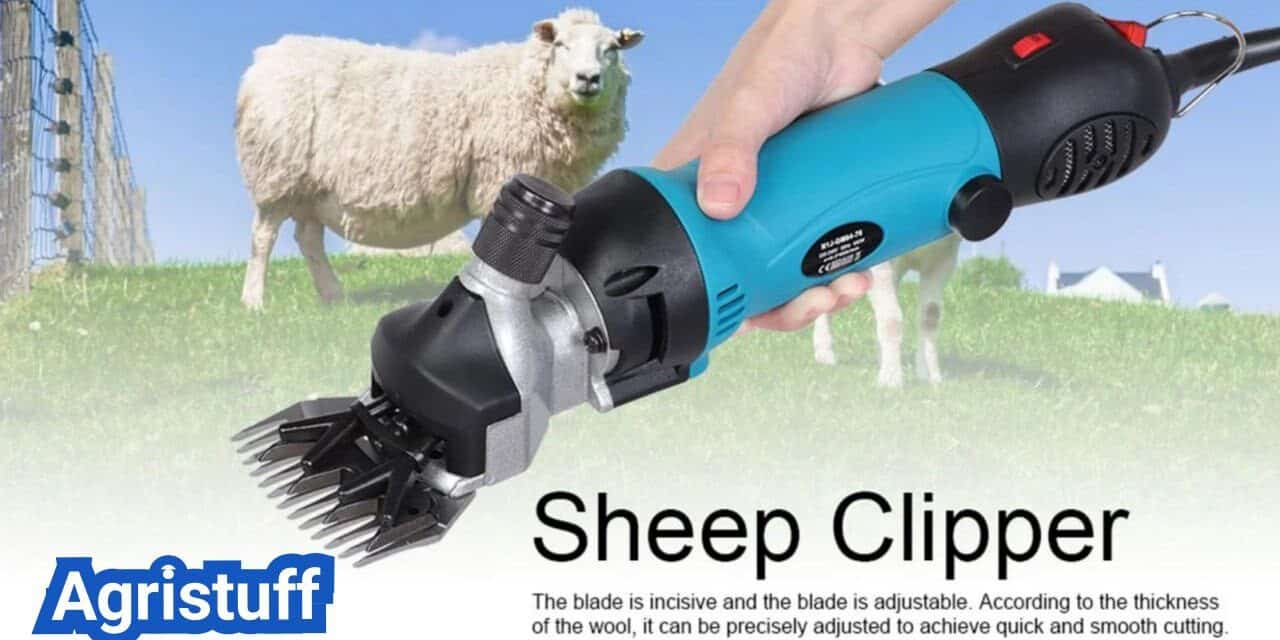
Grooming livestock is a crucial task for farmers and shepherds, promoting the health of animals and enhancing fleece quality for commercial purposes. Effective grooming requires the right tools, and sheep clippers are among the most essential.
The quality of sheep shearing clippers can significantly impact the grooming process. Various factors, including blade types and speeds, play a critical role in determining the efficiency and safety of the shearing process.
This article will explore the best sheep clippers available, examining their blade types, operational speeds, and techniques for safe shearing.
Key Takeaways
- Understanding the importance of sheep clippers in livestock grooming.
- Exploring different blade types for sheep shearing clippers.
- Learning about various operational speeds and their impact.
- Discovering techniques for safe and efficient shearing.
- Identifying the best sheep clippers for your needs.
Understanding Sheep Clippers and Their Importance
Understanding the nuances of sheep clippers is crucial for both professional shearers and hobbyists. Sheep clippers are not just any ordinary clippers; they are specialized tools designed to efficiently shear sheep while ensuring the animal’s comfort and safety.
Sheep clippers are composed of various materials that contribute to their efficiency and durability. The quality of these clippers can significantly impact the shearing experience, making it easier or more challenging depending on their design and functionality.
What Makes Sheep Clippers Different from Other Animal Clippers
Sheep clippers are distinct from other animal clippers due to their specific design features. For instance, they are typically more powerful and have wider blades to accommodate the thick fleece of sheep.
Key differences include:
- Higher power motors to handle dense wool
- Wider range of blade options for different shearing needs
- Ergonomic design for reduced operator fatigue
Benefits of Using Quality Sheep Clippers
Investing in quality sheep clippers can have several benefits, including improved shearing efficiency, reduced operator fatigue, and better results.
| Feature | Benefit |
|---|---|
| High-quality blades | Cleaner cuts, less pulling on wool |
| Powerful motors | Efficient shearing, less strain on operator |
| Ergonomic design | Reduced fatigue, improved handling |
By choosing the right sheep clippers, shearers can enhance their overall shearing experience, achieving professional-grade results with less effort.
Types of Sheep Clipper Machines Available Today

The choice of sheep clipper machine can greatly impact the efficiency and quality of sheep shearing. With various options available, it’s essential to understand the differences between them to make an informed decision.
Electric Sheep Clippers
Electric sheep clippers are a popular choice among sheep farmers and professionals. They offer a reliable and consistent performance, making them suitable for large-scale shearing operations. Key benefits include:
- Reliable performance
- Consistent cutting
- Suitable for large flocks
When choosing electric sheep clippers, consider the power source and ensure it meets your operational needs.
Cordless Sheep Clippers
Cordless sheep clippers offer greater flexibility and convenience, especially in situations where mobility is crucial. Advantages include:
- Enhanced mobility
- Reduced fatigue
- Ease of use in confined spaces
Cordless clippers are ideal for smaller to medium-sized flocks or for shearers who need to move around frequently.
Professional Heavy-Duty Sheep Clippers
Professional heavy-duty sheep clippers are designed for high-volume shearing operations. They are built to withstand the rigors of frequent use and provide exceptional performance. Key features include:
- High-torque motors
- Durable construction
- Advanced blade systems
These clippers are ideal for professional shearers who require a reliable and efficient tool for their daily operations.
In conclusion, the type of sheep clipper machine chosen depends on the specific needs of the user, including the size of the flock, the frequency of shearing, and personal preference. By understanding the characteristics of each type, sheep farmers and professionals can make informed decisions to optimize their shearing operations.
Essential Components of a Quality Sheep Clipper
Understanding the parts of a sheep clipper is vital for efficient shearing. A quality sheep clipper is made up of several critical components that work together to provide a smooth shearing experience.
Motor and Power Systems
The motor and power system is the heart of any sheep clipper. A robust motor ensures consistent performance, even in demanding conditions. When choosing a sheep clipper, consider the type of motor used. Some clippers utilize universal motors, known for their high power output, while others employ more modern brushless designs, which offer durability and reduced maintenance.
The power system, whether it’s corded or cordless, also plays a significant role in the clipper’s overall performance and usability.
Comb and Cutter Mechanisms
The comb and cutter mechanisms are crucial for the actual shearing process. These parts work in tandem to cut the wool efficiently. The comb acts as a guide, while the cutter moves back and forth to trim the wool. Regular maintenance of these parts is essential to prevent wear and tear, ensuring a clean cut and reducing the risk of damaging the sheep’s skin.
The material and design of the comb and cutter can significantly impact the clipper’s performance, with high-carbon steel being a popular choice for its durability.
Housing and Ergonomic Design
The housing and ergonomic design of a sheep clipper greatly affect its usability and the operator’s comfort during extended use. A well-designed clipper should have a sturdy yet lightweight construction, allowing for easy maneuverability.
Ergonomic grips and balanced design help reduce operator fatigue, making the shearing process less strenuous. The housing should also be durable, protecting the internal components from damage.
By understanding these essential components, sheep farmers and shearers can make informed decisions when selecting a sheep clipper, ensuring they choose a model that meets their needs and provides reliable performance.
Understanding Sheep Clipper Blade Types and Options

The right sheep clipper blade can make all the difference in achieving a clean, even cut, and reducing the risk of injuring the animal. “A good shearer is only as good as their blades,” is a common saying among professional shearers, highlighting the importance of understanding the different types of blades available.
Wide-Variety of Blades for Different Purposes
Sheep clipper blades come in a wide variety of types, each designed for specific purposes. Some blades are designed for fine wool sheep, while others are better suited for coarse wool or even for specific stages of the shearing process. For instance, coarse blades are often used for initial shearing or for sheep with matted or dirty fleece, whereas fine blades are used for finishing cuts or for sheep with finer wool.
The variety in blade types ensures that shearers can achieve the best possible results for their specific needs. Whether you’re shearing a small flock or working on a commercial scale, understanding the different blade options is crucial.
Blade Materials and Durability
Our clipper blades for sheep are made from high-quality material and are impressively robust. The durability of sheep clipper blades is largely dependent on their material composition. High-carbon steel blades are known for their durability and ability to hold a sharp edge, making them a popular choice among shearers. Some blades also feature specialized coatings to reduce friction and improve their lifespan.
The choice of blade material can significantly impact the shearing experience. Durable blades not only reduce the need for frequent replacements but also contribute to a smoother, more efficient shearing process.
Choosing the Right Blade for Your Sheep
Selecting the appropriate blade for your sheep involves considering several factors, including the type of wool, the sheep’s size, and the stage of the shearing process. It’s also important to consider the clipper’s compatibility with different blade types. Always refer to the manufacturer’s guidelines for recommendations on blade usage.
As emphasized by experienced shearers, “The key to successful shearing lies in the details, such as choosing the right blade.” By understanding the different blade types and their applications, you can optimize your shearing technique and achieve better results.
The Importance of Clipper Speed and Strokes Per Minute (SPM)
Understanding the importance of clipper speed and strokes per minute is vital for effective sheep shearing. The efficiency and effectiveness of sheep shearing operations are significantly influenced by the clipper’s speed, measured in strokes per minute (SPM).
How SPM Affects Shearing Efficiency
The SPM of a sheep clipper directly impacts the shearing process. A higher SPM typically results in a faster shearing process, as the blades cut through the wool more quickly. However, the ideal SPM can vary depending on the type of sheep, the density of the fleece, and the experience of the shearer.
A powerful motor with adjustable speed settings allows you to tailor the clipper’s performance to different fleece types and densities. For instance, a higher SPM might be more suitable for dense fleeces, while a lower SPM could be adequate for finer or less dense wool.
Single-Speed vs. Variable-Speed Clippers
Sheep clippers come in two primary configurations: single-speed and variable-speed. Single-speed clippers are designed to operate at a fixed SPM, which can be limiting if you’re shearing different types of sheep or dealing with varying fleece densities.
Variable-speed clippers, on the other hand, offer the flexibility to adjust the SPM according to the shearing requirements. This adaptability can significantly enhance shearing efficiency and reduce fatigue, as the operator can adjust the speed to suit the task at hand.
| Clipper Type | SPM Range | Shearing Efficiency | Flexibility |
|---|---|---|---|
| Single-Speed | Fixed | Moderate | Limited |
| Variable-Speed | Adjustable | High | High |
In conclusion, understanding and utilizing the appropriate clipper speed and SPM is crucial for optimizing sheep shearing operations. Whether you opt for a single-speed or variable-speed clipper, being aware of how SPM affects shearing efficiency will help you make informed decisions and improve your overall shearing experience.
Selecting the Best Sheep Clipper for Your Needs
With numerous sheep clippers available, selecting the best one for your specific needs requires careful consideration of several key factors. Whether you’re a small flock owner or a professional shearer, the right clipper can significantly impact your shearing efficiency and overall experience.
Considerations for Small Flock Owners
For small flock owners, the ideal sheep clipper should balance quality, ease of use, and affordability. A good quality clipper designed for small flocks should be able to handle your sheep with ease, potentially accommodating some additional tasks like shearing cattle if needed.
Key considerations include:
- Ease of handling and maneuverability
- Sufficient power for your flock size
- Durability and low maintenance requirements
- Affordability and value for money
Professional Shearing Requirements
Professional shearers require clippers that can withstand heavy use while maintaining high performance and efficiency. These clippers need to be robust, reliable, and capable of handling large flocks without compromising on the quality of the shear.
Key features for professional shearing clippers include:
- High-speed motors for faster shearing
- Ergonomic design to reduce operator fatigue
- High-quality blades for precise cutting
- Durable construction to withstand heavy-duty use
Budget Considerations and Value Assessment
Budget is a critical factor when selecting a sheep clipper. It’s essential to assess the value offered by different models, considering both the initial cost and long-term expenses such as maintenance and blade replacement.
| Clipper Type | Initial Cost | Maintenance Cost | Overall Value |
|---|---|---|---|
| Basic Electric Clipper | $100-$300 | $20-$50/year | Good for small flocks |
| Professional Clipper | $500-$1000 | $50-$100/year | Excellent for large flocks or professional use |
For smallholders, a good quality, good value shearing kit that can handle a flock of sheep and some dirty cattle is a fantastic starter kit. Assessing your specific needs and comparing different models will help you find the best sheep clipper that offers good value for your investment.
Top Sheep Clippers in the USA Market

The USA market offers a diverse range of sheep clippers, catering to both professional shearers and small flock owners. With numerous brands available, selecting the right clippers can be a daunting task.
Oster Clipmaster and Shearmaster Models
Oster is a well-known brand in the animal grooming sector, and their Clipmaster and Shearmaster models are popular among sheep shearers. The Oster Clipmaster is praised for its powerful motor and durable construction, making it suitable for heavy-duty shearing. The Shearmaster models, on the other hand, are designed for precision and ease of use.
Heiniger Sheep Shearing Clippers
Heiniger is another reputable brand that specializes in sheep shearing equipment. Their clippers are known for their high-quality blades and ergonomic design, which reduce fatigue during prolonged shearing sessions. Heiniger clippers are available in various models to suit different shearing needs.
Lister and Premier Sheep Clippers
Lister and Premier are brands that have been trusted by sheep shearers for decades. Lister clippers are renowned for their robust construction and efficient cooling systems, which prevent overheating during extended use. Premier clippers, meanwhile, offer a balance of power and precision, making them ideal for both professional and amateur shearers.
Andis and Wahl Professional Models
Andis and Wahl are well-established brands in the grooming industry, and their professional models are designed to meet the demands of heavy-duty sheep shearing. Andis clippers are known for their powerful motors and durable blades, while Wahl clippers offer advanced technology for efficient shearing.
For those looking to purchase sheep clippers or shearing blades, websites like agrarzone.co.uk offer a wide selection of products from leading manufacturers. When choosing the best sheep clippers, it’s essential to consider factors such as the size of your flock, the frequency of shearing, and your budget.
| Brand | Model | Key Features |
|---|---|---|
| Oster | Clipmaster | Powerful motor, durable construction |
| Heiniger | Sheep Shearing Clippers | High-quality blades, ergonomic design |
| Lister | Sheep Clippers | Robust construction, efficient cooling |
| Andis | Professional Clippers | Powerful motors, durable blades |
Proper Sheep Clipper Blade Tension Adjustment

Maintaining the correct blade tension is vital for the longevity and effectiveness of your sheep clipper. Proper adjustment ensures smooth operation and prevents damage to the blades and the machine itself.
Signs of Incorrect Blade Tension
Incorrect blade tension can lead to a range of issues, including uneven cutting, increased wear on the blades, and overheating of the clipper. Signs that your blade tension needs adjustment include:
- Excessive vibration during use
- Uneven or patchy cutting
- Increased noise or grinding sounds
- Overheating or burning of the blades
Recognizing these signs early can help prevent more serious problems from developing.
Step-by-Step Guide to Adjusting Blade Tension
Adjusting the blade tension on your sheep clipper is a straightforward process that requires attention to detail. Here’s a step-by-step guide:
- Turn off the clipper and unplug it from the power source.
- Inspect the blades for any debris or hair accumulation and clean them thoroughly.
- Locate the tension adjustment screw or mechanism, usually found near the blade assembly.
- Turn the adjustment screw clockwise to increase tension or counterclockwise to decrease it.
- Check the tension by gently pulling on the blade; it should move slightly but not excessively.
- Plug in the clipper and test it on a small area to ensure the tension is correct.
| Tension Level | Characteristics | Adjustment |
|---|---|---|
| Too Loose | Excessive vibration, uneven cutting | Turn adjustment screw clockwise |
| Too Tight | Overheating, increased wear | Turn adjustment screw counterclockwise |
| Optimal | Smooth operation, even cutting | Adjust as needed to maintain optimal tension |
To prolong the life of your clipper blades, it’s essential to clean them thoroughly after each use and remove all hair and dirt before oiling the blades. Regular maintenance, including blade tension adjustment, is crucial for optimal performance.
Sheep Clipper Blade Sharpening Techniques

The effectiveness of sheep shearing largely depends on the sharpness of the clipper blades. Dull blades not only slow down the process but can also cause injury to the sheep and the operator.
When to Sharpen Your Blades
It’s essential to monitor the condition of your sheep clipper blades regularly. Signs that your blades need sharpening include uneven cutting, pulling of wool, and increased vibration or noise during operation. Typically, blades should be sharpened after every 10 to 15 sheep, depending on the quality of the blades and the shearing conditions.
DIY Blade Sharpening Methods
Sharpening your sheep clipper blades can be done at home with the right tools and techniques. Here are some steps to follow:
- Clean the blades thoroughly before sharpening to remove any debris.
- Use a sharpening stone or a diamond file to sharpen the blades. Hold the stone or file at the same angle as the bevel on the blade.
- Sharpen in a smooth, consistent motion, following the edge of the blade.
- Check the sharpness regularly by cutting a piece of paper or a thin piece of wood.
For more detailed guidance, refer to the manufacturer’s instructions or online tutorials.
Professional Sharpening Services
If you’re not comfortable sharpening your blades yourself, or if they require complex maintenance, consider using professional sharpening services. These services have the expertise and specialized equipment to restore your blades to optimal condition.
| Sharpening Method | Pros | Cons |
|---|---|---|
| DIY Sharpening | Cost-effective, immediate results | Requires skill and practice, risk of damaging blades |
| Professional Sharpening | Expertise, high-quality results, saves time | Cost, turnaround time |
By maintaining sharp sheep clipper blades, you can ensure a more efficient and safe shearing experience for both you and your sheep.
Proper Oil and Lubrication for Sheep Clippers

Using the correct oil for your sheep clippers can significantly enhance their durability and shearing quality. Proper lubrication is essential for maintaining the performance and longevity of your clippers.
Types of Oils Recommended for Sheep Clippers
There are several types of oils that are suitable for lubricating sheep clippers. The most commonly recommended include:
- Clipper oil: Specifically designed for clippers, this oil is formulated to reduce friction and prevent overheating.
- Synthetic oil: Offers superior lubrication and can withstand high temperatures, making it ideal for heavy-duty shearing.
- White oil or mineral oil: These are often used for their lubricating properties and are generally safe for use with clipper blades.
It’s crucial to avoid using household oils like WD-40 or motor oil, as they can damage the clippers or leave residues that affect shearing quality.
Lubrication Schedule and Technique
Regular lubrication is vital for the smooth operation of sheep clippers. The frequency of lubrication depends on usage, but a general guideline is to lubricate after every 4-6 hours of use.
| Usage Hours | Lubrication Frequency |
|---|---|
| 0-4 hours | Lubricate before next use |
| 4-6 hours | Lubricate after current use |
| More than 6 hours | Lubricate every 4 hours |
To lubricate, apply a few drops of the recommended oil to the clipper blades and other moving parts. Ensure to wipe off any excess oil to prevent attracting dirt or debris.
By following the proper lubrication techniques and using the right type of oil, you can significantly extend the life of your sheep clippers and maintain their efficiency.
Preventing Sheep Clipper Overheating and Blade Burn
Sheep clipper overheating and blade burn are common issues that can be mitigated with proper care. Maintaining your clippers is crucial to prevent these problems, ensuring efficient shearing and prolonging the life of your equipment.
Causes of Clipper Overheating
Clipper overheating can be caused by several factors, including excessive use, poor maintenance, and inadequate lubrication. When clippers are used continuously without adequate breaks, the motor can overheat, leading to reduced performance and potentially causing damage.
Inadequate lubrication is another significant cause of overheating. Without proper lubrication, the blades and motor work harder, generating more heat. Ensuring that your clippers are well-lubricated according to the manufacturer’s instructions can help prevent overheating.
How to Recognize Blade Burn
Blade burn occurs when the blades become overheated and damaged, often due to friction or improper tension. Signs of blade burn include discoloration, a burning smell, and poor cutting performance. If you notice any of these symptoms, it’s essential to stop using the clippers immediately to prevent further damage.
Preventative Measures and Solutions
To prevent sheep clipper overheating and blade burn, regular maintenance is key. This includes cleaning the clippers after each use, lubricating the blades and motor, and checking blade tension regularly.
| Preventative Measure | Description | Frequency |
|---|---|---|
| Cleaning | Remove wool and debris from clippers | After each use |
| Lubrication | Apply lubricant to blades and motor | Daily/After 5-8 hours of use |
| Blade Tension Check | Ensure proper blade tension | Before each use |
By following these preventative measures, you can significantly reduce the risk of clipper overheating and blade burn, ensuring your sheep shearing process is efficient and effective.
Safe Sheep Shearing Techniques (Blow Pattern)
The art of sheep shearing involves more than just clipping wool; it’s about doing so safely and humanely. Shearing can be intimidating at first, both for the shearer and the sheep. However, with the right techniques and preparation, the process can be made significantly safer and more efficient.
Preparing the Sheep for Shearing
Before the actual shearing begins, it’s crucial to prepare the sheep. This involves ensuring the sheep are clean and dry, as dirty or wet sheep can be challenging to shear and may lead to health issues. Proper handling is also key; sheep should be gently restrained to minimize stress and prevent injury.
It’s also essential to inspect the sheep for any signs of illness or skin conditions that could complicate the shearing process. Preparing the shearing area by removing any debris or obstacles is equally important for a smooth operation.
Standard Shearing Pattern Step-by-Step
Following a standard shearing pattern, often referred to as the “blow pattern,” helps in achieving an efficient shear while minimizing the risk of injury to both the sheep and the shearer. The process typically starts with the sheep in a specific position to allow easy access to the areas to be sheared.
- Begin by shearing the belly area, carefully working your way around the sheep.
- Next, shear the legs, taking care not to nick the skin.
- Proceed to shear the back and sides, following the natural contours of the sheep’s body.
- Finally, complete the shear by attending to any remaining areas.
Handling Difficult or Nervous Sheep
Some sheep may be more difficult or nervous during shearing, requiring extra care and patience. It’s essential to move slowly and calmly around these sheep, avoiding sudden movements that could startle them. In some cases, additional support or a different handling technique may be necessary.
| Handling Technique | Description | Benefit |
|---|---|---|
| Gentle Restraint | Holding the sheep firmly but gently | Reduces stress and prevents escape |
| Calm Movement | Moving slowly around the sheep | Minimizes startling the sheep |
| Supportive Handling | Providing additional support for nervous sheep | Enhances safety and reduces anxiety |
By following these safe sheep shearing techniques and being mindful of the sheep’s comfort and well-being, shearers can ensure a successful and stress-free shearing experience for both themselves and the sheep.
Sheep Clipper Safety Tips for Operators
To minimize risks associated with sheep clipping, operators must adhere to strict safety guidelines. Sheep clipping is a task that requires precision, patience, and attention to safety protocols to prevent injuries and ensure the well-being of both the operator and the sheep.
Personal Protective Equipment (PPE)
Using the right personal protective equipment (PPE) is crucial when operating sheep clippers. PPE includes gloves, safety glasses, and protective clothing that help protect the operator from potential hazards such as cuts, eye injuries, and exposure to dirt and debris.
- Gloves: Provide grip and protection against cuts and abrasions.
- Safety Glasses: Protect eyes from debris and clippings.
- Protective Clothing: Cover skin to prevent cuts and exposure to dirt.
Safe Handling Practices
Safe handling practices are essential for preventing accidents and ensuring efficient shearing. Operators should always ensure their clippers are well-maintained and properly sanitized before use.
| Safe Handling Practice | Description | Benefit |
|---|---|---|
| Regular Maintenance | Check and maintain clippers regularly | Prevents overheating and damage |
| Proper Sanitization | Sanitize clippers before and after use | Prevents the spread of disease |
| Correct Handling | Hold clippers correctly and maintain control | Reduces risk of accidents and injuries |
By following these sheep clipper safety tips, operators can significantly reduce the risk of injury and improve the efficiency of their shearing operations. Always remember to stay alert and focused during the shearing process to ensure a safe and successful outcome.
Comprehensive Sheep Clipper Maintenance Checklist
To keep your sheep clippers in top condition, a routine maintenance schedule is essential. Regular upkeep not only extends the life of your clippers but also ensures they continue to perform at their best.
Daily Maintenance Tasks
Daily maintenance is crucial for the smooth operation of your sheep clippers. After each use, clean the clippers thoroughly to remove any dirt, debris, or wool fibers that may have accumulated. This includes brushing off the exterior and cleaning between the blades and comb.
Check the blade tension daily to ensure it’s not too loose or too tight, as improper tension can lead to uneven cutting or damage to the clippers.
Weekly Maintenance Procedures
On a weekly basis, lubricate the clippers according to the manufacturer’s instructions. Proper lubrication reduces wear on moving parts and helps prevent overheating.
Inspect the blades for signs of wear, such as dulling or chipping. Sharpen or replace them as necessary to maintain cutting efficiency.
Monthly and Seasonal Maintenance
Monthly, perform a more thorough inspection of your sheep clippers. Check for any signs of wear on the motor, housing, and other components. Address any issues promptly to prevent them from becoming major problems.
Seasonally, consider having your clippers professionally serviced. This can include deep cleaning, blade sharpening, and any necessary repairs to ensure your clippers are ready for the next shearing season.
By following this comprehensive maintenance checklist, you can significantly extend the life of your sheep clippers and ensure they continue to perform optimally.
Troubleshooting Common Sheep Clipper Issues
Sheep clippers, like any other machinery, can encounter issues that need to be addressed. Understanding how to troubleshoot these problems can help maintain shearing efficiency and reduce downtime.
Clipper Not Starting or Running Slowly
When a sheep clipper fails to start or runs slowly, it can be frustrating and disrupt the shearing process. Several factors could be contributing to this issue.
- Check the power source: Ensure that the clipper is properly plugged in or that the battery is fully charged.
- Inspect the cord or battery connections: Look for any signs of wear or damage that might be preventing the clipper from functioning correctly.
- Examine the motor: Dust or debris accumulation can cause the motor to malfunction. Clean the motor and surrounding areas.
Uneven Cutting or Pulling Wool
Uneven cutting or pulling wool can lead to poor shearing results and potentially harm the sheep. To address this issue:
- Check blade alignment: Ensure that the blades are properly aligned and adjusted according to the manufacturer’s instructions.
- Inspect blade condition: Dull or damaged blades can cause uneven cutting. Consider sharpening or replacing the blades as needed.
- Adjust the clipper’s stroke: Incorrect stroke settings can lead to uneven cutting. Refer to the user manual for guidance on adjusting the stroke.
| Issue | Cause | Solution |
|---|---|---|
| Uneven Cutting | Dull Blades | Sharpen or Replace Blades |
| Pulling Wool | Incorrect Blade Alignment | Adjust Blade Alignment |
Excessive Noise or Vibration
Excessive noise or vibration during operation can indicate a problem with the clipper. To troubleshoot:
- Check for loose parts: Ensure that all parts are securely tightened.
- Inspect the blades: Worn or damaged blades can cause excessive noise or vibration. Sharpen or replace them as necessary.
- Lubricate moving parts: Regular lubrication can help reduce noise and vibration.
By addressing these common issues, you can keep your sheep clippers in good working condition and ensure efficient shearing operations.
Getting the Most from Your Sheep Clippers
Choosing the right sheep shearing clippers is crucial for efficient and safe shearing. By considering factors such as material, usage needs, and personal comfort, you can select the best equipment for your needs.
To get the most from your sheep clippers, regular sheep clipper maintenance is essential. This includes proper blade tension adjustment, sharpening, and lubrication. By following these steps, you can extend the life of your clippers and ensure optimal performance.
Effective sheep shearing techniques also play a significant role in achieving a successful shearing experience. By mastering the standard shearing pattern and handling difficult or nervous sheep, you can minimize stress and maximize efficiency.
By combining the right equipment with proper technique and maintenance, you can achieve professional-grade results and improve your overall shearing experience. Whether you’re a small flock owner or a professional shearer, getting the most from your sheep clippers is key to a successful shearing operation.
FAQ
What motor power do I need for sheep shearing clippers as a beginner?
As a beginner, it’s recommended to start with a motor power between 200-400 watts. This range provides a good balance between performance and ease of handling.
Are sheep shearing clippers heavy to use for extended periods?
Sheep shearing clippers can vary in weight, but most modern models are designed to be ergonomic and comfortable to use. Look for clippers with a balanced design and consider using a harness or support to reduce fatigue.
How often should I oil my sheep shearing clipper blades?
It’s recommended to oil your sheep shearing clipper blades after every use. Regular lubrication helps maintain performance, reduces wear, and prevents rust.
What’s the difference between A5 and surgical blade systems?
A5 and surgical blade systems differ in their design, compatibility, and application. A5 blades are commonly used for sheep shearing, while surgical blades are designed for medical procedures. Ensure you choose the correct type for your needs.
Can beginners use professional-grade sheep shearing clippers?
While professional-grade sheep shearing clippers are designed for experienced shearers, beginners can still use them with proper training and caution. Start with lower speeds and practice handling the clippers before moving to more complex shearing tasks.
How much should I expect to spend on quality beginner sheep shearing clippers?
The cost of quality beginner sheep shearing clippers can vary widely, ranging from a few hundred to several thousand dollars. Consider your budget, the size of your flock, and your shearing needs when selecting a clipper.
What safety precautions should beginners take when shearing sheep?
Beginners should always wear personal protective equipment (PPE) such as gloves, safety glasses, and a dust mask. Ensure the sheep is securely restrained, and follow proper shearing techniques to avoid accidents.
What are the pros and cons of the Oster Clipmaster sheep clippers?
Oster Clipmaster sheep clippers are known for their durability and performance. Pros include ease of use, adjustable speed, and a wide range of blade options. Cons may include higher cost and potential maintenance requirements.
What are the pros and cons of Takekit sheep grooming clippers?
Takekit sheep grooming clippers are often more affordable and suitable for smaller flocks. Pros include ease of handling and lower cost, while cons may include reduced performance and limited durability.
What are the pros and cons of Beetro electric professional shears?
Beetro electric professional shears are designed for heavy-duty use and offer high performance. Pros include powerful motor, ergonomic design, and durability. Cons may include higher cost and potential complexity.
What type of sheep clippers are best for small flocks?
For small flocks, consider using cordless or electric sheep clippers with adjustable speed. These models are often more portable, easier to handle, and suitable for smaller shearing tasks.
How do I choose the right blade for my sheep clippers?
Choosing the right blade depends on the type of sheep, their coat, and the desired shearing outcome. Consider factors such as blade material, tooth count, and compatibility with your clipper model.
Conclusion of: Best Sheep Clippers
Sheep clipper essentials: why the right tool matters
A quality sheep clipper is more than a convenience—it’s a welfare and management tool that helps you remove a full fleece efficiently, reduce stress during handling, and set your flock up for cleaner, healthier living conditions. In the U.S., many producers shear at least annually and often hire professional shearers until they build skill, because good technique and safe equipment use make a big difference in outcomes. Extension Sheboygan County Guide to Raising Healthy Sheep (University of Wisconsin Extension)
What “best sheep clipper” really means for your flock size and goals
The “best” sheep clipper isn’t always the most expensive—it’s the one that matches your flock size, wool type, and how often you shear. For a small flock, you may prioritize a dependable motor-in-handpiece unit, easy tension adjustment, and low hand fatigue; for bigger numbers, you’ll care more about speed consistency, cooling airflow, and service support. Multi-speed units can help you slow down for sensitive areas and speed up on long body blows, which is useful when you’re learning. Heiniger XPERT 2-SPEED specs (2500/2800 double strokes)
How sheep clipper blades work: comb + cutter (and why it matters)
Most modern sheep clipper heads use a comb (the larger, lower blade) plus a cutter (the smaller, moving top blade). This system is fast, but it only performs well when the comb and cutter are sharp, aligned, and set with correct pressure—too much pressure increases friction and heat, while too little can cause poor cutting and “tracks.” Learning the parts (comb, cutter, tension, fork, drive) makes troubleshooting far easier than guessing mid-shear. Aesculap shearer manual (comb/cutter system & adjustment)
Blade types for a sheep clipper: teeth patterns, widths, and practical selection
Choosing sheep clipper blades usually comes down to the comb tooth pattern (coarse vs. finer), the cutter style (often a 4-point cutter in many kits), and the job you’re doing: full shearing, crutching/crotching, or dagging. Coarser combs tend to feed heavy wool more aggressively, while finer options can leave a cleaner finish in some conditions—provided the wool is clean and dry and your technique is steady. If you’re unsure, start with the standard comb/cutter set your machine is designed for, then expand once you can recognize how tooth pattern changes feed and finish. Oster ShearMaster details (standard shearing head and tension adjustment)
Sheep clipper speeds: what strokes per minute (SPM) tells you (and what it doesn’t)
A sheep clipper spec sheet often highlights strokes per minute, but speed is only helpful when paired with torque and good cooling. For example, some professional shearing machines run up to around 3000 strokes per minute, while other heavy-duty shears may list ranges like ~2250–2500 SPM depending on load and design. Faster isn’t automatically better for beginners—steady control, correct comb angle, and sharp blades usually improve results more than chasing maximum speed. Oster ShearMaster (up to 3000 SPM)
Single-speed vs two-speed sheep clipper: when each option makes sense
A two-speed sheep clipper can be easier to learn on because you can slow down for bellies, inside legs, and around the udder/scrotum, then speed up for long blows on the body. A solid single-speed machine can still be excellent—especially when it’s built for continuous work and has a reliable tension system—so the real decision is whether you value the extra control of two speeds enough to justify cost and complexity. If you shear only a few sheep each year, consistency and comfort may matter more than multiple speed settings. Heiniger XPERT 2-SPEED (2’500/2’800 dbs/min)
Heat control with a sheep clipper: airflow, oil, and avoiding “blade burn”
A sheep clipper generates heat through friction at the comb/cutter interface, and that heat can build quickly if blades are dull, dry, or over-tightened. Better machines often manage airflow intentionally, but your habits still matter: keep blades oiled, check tension frequently, and swap to a cool, sharp set when temperature rises. This isn’t just about performance—overheated blades can irritate skin and increase the chance of mistakes when you rush. Heiniger “controlled air flow” design notes
Corded power and electrical safety for sheep clipper setups
Most flock shearing still relies on corded sheep clipper power, so treat electrical safety as part of your shearing checklist. Use cords rated for the environment, keep connections away from damp areas, avoid running cords where people and sheep will step on them, and replace damaged flexible cords instead of taping them. In practical terms: fewer trips, fewer shocks, fewer sudden stops mid-shear—especially important in a busy barn or shed. OSHA guidance on flexible cords
Timing matters: when to shear with a sheep clipper in U.S. conditions
Season and weather affect sheep clipper planning more than many beginners expect. Michigan State University Extension notes that wool can protect sheep from heat and cold, and recommends shearing woolly animals before hot weather while avoiding shearing in extreme heat; spring shearing can also help reduce overheating risk later while still leaving enough wool for comfort. Use local climate patterns, shade access, and your handling facilities to decide the safest window. Agri College MSU Extension: avoiding heat stress (shearing timing)
Pre-lambing shearing and crotching: why some U.S. producers do it
Many producers use a sheep clipper a few weeks before lambing—either full shearing or quick crotching—to reduce humidity in lambing areas and remove wool/mud near the udder that could confuse newborn lambs looking for a teat. Kansas State University Extension also notes that sheared ewes may need more feed and extra protection from cold right after shearing, so your shelter and nutrition plan should be ready before you start clipping. K-State Extension Coffey County K-State: Pre-Lambing Management of Ewes (shearing/crotching)
Prep the sheep before the sheep clipper turns on: dryness, crutching, and comfort
Good sheep clipper work starts before the first blow: shear only dry sheep, keep wool as clean as possible, and plan crutching where needed (especially for animals shorn annually). Many shearing guides also recommend holding sheep off feed and water for a period before shearing so they “empty out,” which can make handling safer and more comfortable for both you and the animal. Fibershed+1 Sheep Shearing Handbook (sheep preparation)
Prep the shed for sheep clipper efficiency: space, lighting, and a safer workflow
A safe sheep clipper workflow depends on your environment: clean floor, non-slip surface, good lighting, and a layout that reduces twisting and awkward pulls. Formal shed checklists emphasize board safety, clear exits for shorn sheep, and minimizing obstacles that cause strain or slips—small details that can prevent injuries when you’re moving fast. Even if you’re shearing in a simple barn, copy the same logic: reduce clutter, plan sheep flow, and keep first-aid supplies ready. Wool.com Shearing Shed Assessment Manual (SafeSheds program)
Safe sheep clipper technique: control, positioning, and steady “blows”
The safest sheep clipper technique is calm, repeatable, and focused on control rather than speed. Learn a standard blow pattern (belly first, then body sections) and keep the comb flat to the skin with light, even pressure—most cuts happen when the comb points dig in during turns or when you rush through tight spots. Good restraint and correct positioning reduce struggling, which protects you, your blades, and the sheep. Shearing basics overview (machine handpiece use)
High-risk areas and shearing cuts: prevention and first response with a sheep clipper
Even with a careful sheep clipper operator, cuts can happen—so plan for them. AWI’s shearing cut guidance highlights that some areas (like scrotum/udder and other high-risk zones) need immediate assessment, and larger cuts may require veterinary attention; having antiseptic spray (often with fly repellent where appropriate) and knowing when to escalate care is part of responsible shearing. Your “best clipper” is the one you can control well enough to avoid repeat injuries. AWI: Dealing with shearing cuts (factsheet)
Sheep clipper maintenance that protects performance: tension, oiling, cleaning, and storage
A reliable sheep clipper depends on routine maintenance: set correct cutter/comb pressure, oil frequently during use, and clean properly after shearing. Manufacturer guidance commonly warns against over-tightening (heat + wear) and recommends cleaning and disinfection steps that don’t damage internal parts—meaning you should follow the manual for your exact head style, lubricants, and cleaning method. Off-season storage also matters: dry, dust-free, and protected so your next shearing day doesn’t start with rust or clogged vents. aesculap-schermaschinen.de Aesculap manual (pressure setting, lubrication, cleaning/disinfection)
Buying checklist: picking the best sheep clipper without wasting money
When you shop for a sheep clipper, use a checklist: (1) intended workload (few sheep vs many), (2) speed/torque balance (not just SPM), (3) cooling and noise/vibration, (4) easy blade tension control, (5) blade availability (standard comb/cutter compatibility), (6) service parts (brushes, filters, switches), and (7) handling comfort (weight, grip, cord length). If you’re new, budget for extra blades and a sharpening plan—because a sharp, well-set clipper beats a “faster” clipper with dull gear every time. Extension Sheboygan County+1 Andis Xpedition specs (SPM, power format)
Final thought
A well-chosen sheep clipper plus a calm, consistent technique is the real “best sheep clippers” formula: sharp blades, correct tension, smart timing, safe setup, and a welfare-first mindset. If you’re building skill, don’t hesitate to learn alongside an experienced shearer—your sheep, your hands, and your wool clip will all benefit from fewer mistakes and cleaner results.
Sources & References
- Sheep Shearing Equipment and Animal Clippers | Lister Shearing
- 4 Best Sheep Shearing Clippers for Beginners That Prevent Mistak
- Clipping and Shearing Tools for Livestock
- Sheep Shears, Clippers & Sheep Shearing Equipment — Jeffers
- Sheep Shears in Farm Animals (248) – Walmart.com
- Sheep clipper, Sheep shears – All the agricultural manufacturers
- Xpert Heavy-Duty Sheep Shear Clipper – Valley Vet
- The Best Sheep Shears You’ll Actually Want to Use
- 380W Pro Electric Sheep Shears Animal Clippers – Pet Control HQ
- Sheep clipper annual shearing guidance (Wisconsin Extension) Guide to Raising Healthy Sheep (PDF)
- Sheep clipper timing for heat stress prevention (MSU Extension) Avoid heat stress in your sheep and goats
- Sheep clipper pre-lambing shearing/crotching benefits (K-State) Pre-Lambing Management of Ewes (PDF)
- Sheep clipper sheep-handling & preparation notes (Fibershed) Sheep Shearing Handbook (PDF)
- Sheep clipper shed safety and workflow benchmarks (SafeSheds/AWI) Shearing Shed Assessment Manual (PDF)
- Sheep clipper preparation checklist context (AWI) Prepare your sheep for shearing (PDF)
- Sheep clipper cut prevention and response (AWI) Dealing with shearing cuts (PDF)
- Sheep clipper electrical safety basics (OSHA) Flexible cords – electrical hazards