The dairy sheep industry is gaining momentum in the United States, with a growing demand for sheep milk and sheep cheese products. Most dairy sheep farms are located in the Upper Midwest and New England states, where the climate and geography are suitable for sheep farming.
The industry’s growth is driven by the increasing popularity of artisanal dairy products, including cheese and yogurt made from sheep milk. As the industry continues to expand, understanding the different aspects of dairy sheep farming becomes crucial.
This includes knowledge of various dairy sheep breeds, milking systems, and cheese production techniques. By exploring these aspects, farmers and producers can capitalize on the growing demand for sheep milk products.
Key Takeaways
- The dairy sheep industry is growing in the United States.
- Dairy sheep farms are primarily located in the Upper Midwest and New England states.
- The demand for sheep milk and cheese products is increasing.
- Understanding dairy sheep breeds, milking systems, and cheese production is crucial for the industry’s growth.
- The industry is driven by the popularity of artisanal dairy products.
The Growing Dairy Sheep Industry in America
As the U.S. dairy landscape evolves, dairy sheep farming is emerging as a promising niche within the agricultural sector. The dairy sheep industry, though relatively small, is gaining traction due to its unique products and the potential for sustainable farming practices.
Current State of Sheep Dairy Farming in the U.S.
The current state of sheep dairy farming in the United States is characterized by a growing number of farms, primarily located in the Upper Midwest and New England states. These regions offer favorable climates and pastures that support the dairy sheep industry.
Dairy sheep farms in the U.S. are typically small to medium-sized operations, often focusing on producing high-quality milk for artisanal cheese production. The industry is supported by advancements in breeding, nutrition, and milking technology, which have improved milk yield and quality.
| Region | Number of Dairy Sheep Farms | Average Milk Production per Farm |
|---|---|---|
| Upper Midwest | 120 | 15,000 liters/year |
| New England | 90 | 12,000 liters/year |
| Other Regions | 50 | 10,000 liters/year |
Historical Development of the Industry
The dairy sheep industry in the United States has a relatively short history, with the first commercial dairy sheep farms established in the late 20th century. The industry has evolved significantly over the past few decades, driven by consumer demand for specialty dairy products and the adaptability of dairy sheep to various farming systems.
Key milestones in the development of the U.S. dairy sheep industry include:
- Introduction of European dairy sheep breeds, such as the East Friesian and Lacaune, which have improved milk production characteristics.
- Advancements in milking technology, allowing for more efficient and hygienic milking practices.
- Growing consumer awareness and demand for artisanal and specialty dairy products made from sheep milk.
The historical development and current state of the dairy sheep industry in the U.S. demonstrate its potential for growth and its contribution to the diversity of the country’s dairy sector.
Why Consider Dairy Sheep Farming?

For farmers looking to diversify their operations, dairy sheep farming presents a lucrative opportunity. As the demand for specialty dairy products continues to grow, dairy sheep farming offers a profitable alternative to traditional dairy farming.
Economic Benefits and Market Opportunities
Dairy sheep farming provides several economic benefits, including the potential for high-value milk and cheese production. Sheep milk is rich in nutrients and has a unique composition that makes it ideal for producing high-quality cheese and other dairy products. The growing demand for these specialty products in the United States creates a favorable market environment for dairy sheep farmers.
The economic advantages of dairy sheep farming also include the ability to capitalize on niche markets. By focusing on the production of artisanal cheeses and other value-added products, farmers can differentiate their offerings and command premium prices.
Sustainability Advantages
In addition to its economic benefits, dairy sheep farming offers several sustainability advantages. Dairy sheep are often more efficient in their feed conversion and can thrive on pasture-based systems, reducing the need for intensive grain feeding. This approach not only lowers production costs but also contributes to more sustainable land use practices.
Dairy sheep farming can also promote biodiversity and improve soil health through rotational grazing. By integrating dairy sheep into their operations, farmers can create more resilient and diverse farming systems that are better equipped to withstand environmental challenges.
Dairy Sheep vs. Dairy Goats: Key Differences
Understanding the differences between dairy sheep and dairy goats is crucial for making informed decisions in dairy farming. Both have their unique characteristics, advantages, and challenges.
Production Comparisons
Dairy sheep and dairy goats have different production profiles. Dairy sheep generally produce less milk than dairy goats, but the milk is richer in fat and protein, making it ideal for cheese production.
| Characteristics | Dairy Sheep | Dairy Goats |
|---|---|---|
| Milk Production (liters per lactation) | 150-300 | 600-800 |
| Fat Content (%) | 6-8 | 3-4 |
| Protein Content (%) | 5-6 | 3-4 |
Dairy sheep milk is particularly valued for its high fat and protein content, making it suitable for producing high-quality cheese and other dairy products.
Management Requirements
Managing dairy sheep and dairy goats requires different approaches. Dairy sheep are often more docile and easier to handle, while dairy goats can be more demanding in terms of nutrition and health care.
- Dairy sheep require less space and can thrive in pastures with less vegetation.
- Dairy goats need more nutritional supplements and regular health checks.
Market Considerations
The market demand for dairy sheep and dairy goat products varies. Dairy sheep products, such as cheese and yogurt, are often marketed as premium products due to their unique nutritional profile.
Marketers can capitalize on the distinct characteristics of dairy sheep and dairy goat products to target specific consumer segments.
Understanding Dairy Sheep Characteristics

Understanding the unique traits of dairy sheep is crucial for successful dairy farming. Dairy sheep have several distinct characteristics that influence their milk production potential, including their milk composition, lactation cycles, and behavioral traits.
Milk Composition and Nutritional Profile
Dairy sheep produce milk that is rich in nutrients and has a unique composition compared to cow or goat milk. Sheep milk contains a higher percentage of fat and protein, making it ideal for cheese production. The nutritional profile of sheep milk is characterized by its high content of conjugated linoleic acid (CLA), vitamins, and minerals.
Nutritional Components of Sheep Milk:
| Nutrient | Average Content (%) |
|---|---|
| Fat | 7.5 |
| Protein | 5.5 |
| Lactose | 4.8 |
| Total Solids | 18.5 |
Lactation Cycles and Seasonality
Dairy sheep typically follow a seasonal lactation pattern, with milk production peaking after lambing. The length of the lactation period can vary depending on factors such as breed, nutrition, and management practices. Understanding the lactation cycles is essential for optimizing milk production and planning dairy operations.
Behavioral Traits for Dairy Production
The behavioral characteristics of dairy sheep can significantly impact their milk production and overall farm management. Dairy sheep are social animals and thrive in flock environments. Their behavior is influenced by factors such as breed, handling practices, and living conditions. Understanding these traits can help farmers manage their flocks more effectively.
Key Behavioral Traits:
- Flocking behavior
- Response to handling and milking routines
- Grazing patterns
By understanding and managing these characteristics, dairy sheep farmers can improve milk production, enhance animal welfare, and maintain a sustainable dairy operation.
Top Dairy Sheep Breeds in the United States
Among the top dairy sheep breeds in the United States, East Friesian, Lacaune, and Awassi stand out for their exceptional dairy production. These breeds have been introduced to the U.S. dairy sheep industry due to their high milk yield and quality, making them ideal for cheese production and other dairy products.
East Friesian Characteristics and Performance
The East Friesian breed is renowned for its high milk production. Originating from Europe, this breed has been widely adopted in the U.S. for its dairy capabilities. East Friesian sheep are known for their ability to produce large quantities of milk, making them a popular choice among dairy sheep farmers.
Their milk is rich in fat and protein, ideal for cheese production. However, East Friesians are considered to be somewhat delicate and require careful management to maintain their health and productivity.
Lacaune Sheep Benefits
The Lacaune breed is another highly regarded dairy sheep breed in the United States. Lacaune sheep are prized for their robust nature and high milk production, making them suitable for a variety of dairy farming systems.
Lacaune sheep are known for their hardiness and adaptability, thriving in different environments. Their milk is of high quality, with a good balance of fat and protein, making it suitable for a range of dairy products.
Awassi Sheep Potential
Awassi sheep, originally from the Middle East, have been introduced to the U.S. dairy sheep industry for their dairy potential. Awassi sheep are recognized for their resistance to diseases and their ability to produce milk under challenging conditions.
Their milk production is not as high as some other breeds, but Awassi sheep are valued for their hardiness and the quality of their milk. They are often used in crossbreeding programs to improve the resilience of dairy sheep flocks.
Other Notable Dairy Breeds
While East Friesian, Lacaune, and Awassi are among the most prominent dairy sheep breeds, other breeds such as Sarda and British Milk Sheep are also gaining recognition in the U.S. dairy sheep industry.
These breeds offer a range of characteristics that can be beneficial depending on the specific needs and goals of dairy sheep farmers. Exploring different breeds and their crossbreeds can help farmers optimize their dairy production and improve the overall resilience of their flocks.
Selecting the Right Dairy Sheep Breed for Your Farm
Dairy sheep breed selection is a multifaceted process that requires careful evaluation of various factors. Farmers must consider their farm’s specific conditions, production goals, and the availability of different breeds in the United States.
Climate Considerations
The climate of your farm plays a significant role in determining the most suitable dairy sheep breed. Different breeds have varying levels of tolerance to heat, cold, and humidity. For instance, breeds like the Awassi are known for their heat tolerance, making them ideal for warmer climates. In contrast, breeds such as the East Friesian are more suited to cooler, temperate climates.
Production Goals Assessment
Your production goals are another critical factor in selecting a dairy sheep breed. If your primary goal is high milk production, breeds like the Lacaune are renowned for their high milk yield. However, if you’re interested in producing cheese or other dairy products, you may want to consider breeds with milk that is rich in fat and protein.
Breed Availability in the U.S.
The availability of specific dairy sheep breeds in the United States can vary. While some breeds like the East Friesian and Lacaune are relatively well-established, others may be less common or available through specific breeding programs. Farmers should research local breeders and consider the logistics of acquiring their chosen breed.
By carefully evaluating these factors, farmers can make an informed decision when selecting a dairy sheep breed that best suits their farm’s needs and goals.
Setting Up Your Dairy Sheep Operation

Establishing a dairy sheep operation requires meticulous planning and preparation. A well-structured setup is crucial for the health and productivity of the sheep, as well as the overall profitability of the farm.
Land and Housing Requirements
The land and housing for dairy sheep are critical components that directly impact the health and productivity of the flock. Dairy sheep require adequate space for grazing and exercise. The recommended stocking rate varies depending on the breed, climate, and pasture quality, but a general guideline is to allow at least 1-2 acres per 5-10 ewes.
The housing should provide protection from extreme weather conditions and predators. A well-ventilated barn with adequate bedding is essential. The design should allow for easy cleaning and milking procedures. Fencing is also a crucial aspect, as it needs to be secure enough to prevent escape and predator entry.
Essential Equipment
The right equipment is vital for efficient dairy sheep operation. This includes milking machines or hand milking equipment, depending on the scale of the operation. Other essential items are feeding troughs, waterers, and health management tools like hoof trimming equipment and vaccination supplies.
A reliable fencing system is necessary to manage grazing and protect the flock. Additionally, equipment for manure management and pasture maintenance, such as tractors or ATVs, is important for maintaining a healthy environment.
Initial Investment Considerations
The initial investment for a dairy sheep operation includes the cost of land preparation, housing construction, equipment purchase, and acquiring the initial flock. The cost can vary widely depending on the scale and location of the operation.
| Category | Estimated Cost | Notes |
|---|---|---|
| Land Preparation | $1,000 – $5,000 per acre | Includes fencing, pasture improvement |
| Housing and Equipment | $5,000 – $20,000 | Barn construction, milking equipment |
| Initial Flock | $1,000 – $3,000 per ewe | Depends on breed and quality |
Understanding these initial investment considerations is crucial for developing a viable business plan for a dairy sheep operation.
Dairy Sheep Milking Systems Explained
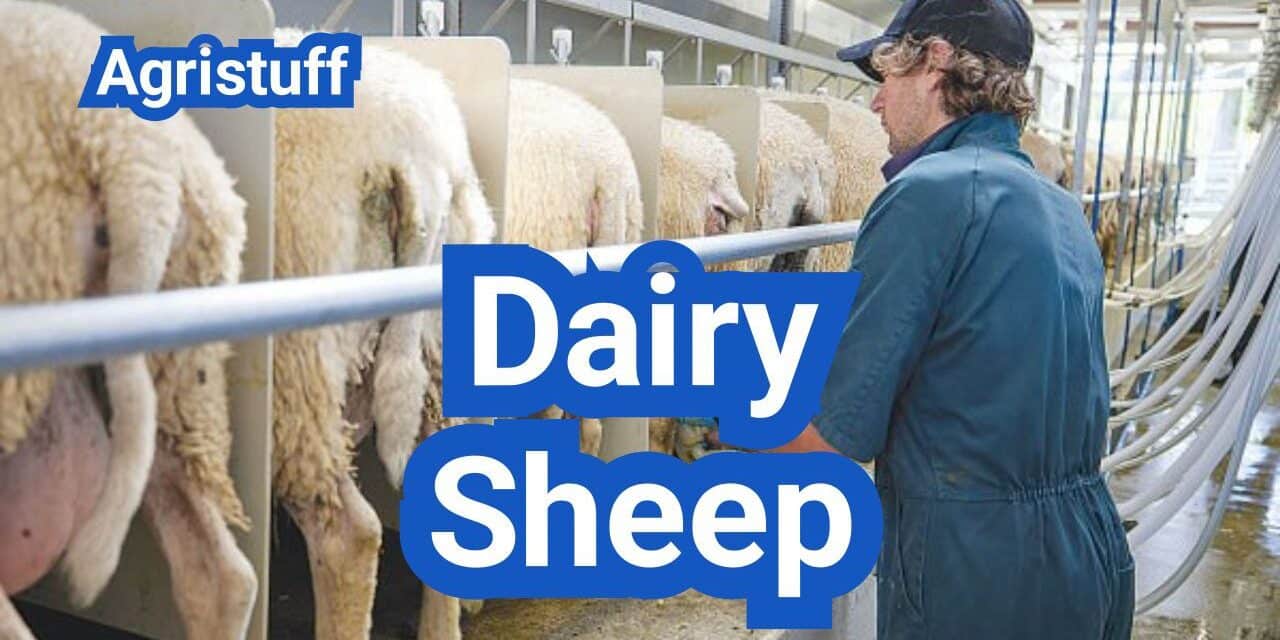
Understanding dairy sheep milking systems is essential for farmers to optimize milk production and ensure the well-being of their flock. The milking system is a critical component of dairy sheep farming, impacting both the quality and quantity of milk produced.
Parlor Design Options for Sheep
The design of the milking parlor is a crucial aspect of dairy sheep milking systems. Parlors can be configured in various ways to suit the needs of the farm and the flock. Common configurations include:
- Parallel parlors, which allow for efficient milking and easy access to the udders.
- Herringbone parlors, which provide a good view of the sheep and can improve milking efficiency.
- Rotary parlors, which can increase milking capacity and reduce labor requirements.
The choice of parlor design depends on factors such as the size of the flock, available labor, and the farmer’s experience with different milking systems.
Hand vs. Machine Milking
Dairy sheep can be milked either by hand or using machines. Each method has its advantages and disadvantages.
| Milking Method | Advantages | Disadvantages |
|---|---|---|
| Hand Milking | Lower initial investment, flexibility in milking schedule | Labor-intensive, potential for inconsistent milking |
| Machine Milking | Increased efficiency, reduced labor, consistent milking | Higher initial investment, requires regular maintenance |
The decision between hand and machine milking depends on the farm’s resources, the size of the flock, and the farmer’s preference.
“The choice between hand and machine milking is not just about efficiency; it’s also about the welfare of the sheep and the quality of the milk produced.”
— Expert in Dairy Sheep Farming
Milking Equipment Specifications
For farms that opt for machine milking, the specifications of the milking equipment are crucial. Key considerations include:
- Pulsation rate and ratio, which affect the comfort and milking efficiency of the sheep.
- Vacuum level, which must be appropriate for sheep milking to avoid udder damage.
- Cluster design, which should be suitable for sheep udder anatomy.
Selecting the right milking equipment is vital for optimizing milk production and maintaining the health of the dairy sheep.
Milk Production Management
Effective milk production management is the backbone of a successful dairy sheep operation. It encompasses various aspects, including understanding lactation cycles, optimizing milk yield, and maintaining accurate records.
Lactation Cycles in Dairy Sheep
Dairy sheep typically follow a specific lactation cycle that influences their milk production. Understanding these cycles is crucial for managing the flock effectively. Lactation in dairy sheep usually lasts around 210 to 240 days, with milk production peaking in the early stages and gradually declining as the lactation progresses.
Factors influencing lactation cycles include breed, nutrition, and management practices. For instance, breeds like the East Friesian are known for their extended lactation periods, making them suitable for dairy operations.
Maximizing Milk Yield
To maximize milk yield, dairy sheep farmers must focus on providing optimal nutrition, ensuring proper milking practices, and maintaining the health of the flock. Nutritional strategies play a significant role in enhancing milk production.
- Providing high-quality forage and appropriate concentrates
- Ensuring access to clean water at all times
- Implementing rotational grazing to optimize pasture utilization
Regular health checks and preventative care are also vital to prevent diseases that could impact milk production.
Record Keeping Best Practices
Accurate record keeping is essential for effective milk production management. It helps in tracking lactation cycles, monitoring milk yield, and identifying areas for improvement.
Best practices include:
- Maintaining detailed records of individual ewes’ lactation cycles and milk production
- Recording nutritional inputs and adjusting feeding strategies as needed
- Documenting health interventions and monitoring their impact on milk production
By implementing these strategies, dairy sheep farmers can enhance their milk production management, leading to improved yields and profitability.
Feeding Dairy Ewes for Optimal Milk Production
To achieve optimal milk production, dairy ewes must be fed according to their specific nutritional requirements. The diet of dairy ewes plays a critical role in determining both the quantity and quality of milk produced.
Nutritional Requirements
Dairy ewes have unique nutritional needs that must be met to support milk production. Their diet should be rich in high-quality forages and supplemented with concentrates as necessary to ensure they receive adequate energy, protein, and minerals.
The nutritional requirements of dairy ewes vary depending on their stage of lactation, with higher energy and protein needs during peak lactation. A well-balanced diet is crucial for maintaining the health of the ewes and maximizing milk yield.
Rotational Grazing Systems
Rotational grazing is an effective management strategy for dairy ewes, allowing for optimal use of pasture resources while maintaining pasture health. This system involves rotating the ewes through different paddocks to ensure they have access to fresh, high-quality forage.
Implementing rotational grazing can help improve milk production by providing dairy ewes with a consistent supply of nutritious feed. It also aids in maintaining soil fertility and reducing the environmental impact of dairy farming.
Supplemental Feeding Strategies
In addition to grazing, supplemental feeding strategies can be employed to ensure dairy ewes receive a balanced diet. This may include providing concentrates or other nutrient-rich feeds, particularly during periods of high milk production or when pasture quality is poor.
The key to successful supplemental feeding is to provide the right balance of nutrients without overfeeding, which can lead to unnecessary costs and potential health issues for the ewes.
| Feed Type | Nutritional Content | Benefits for Dairy Ewes |
|---|---|---|
| High-quality hay | Rich in fiber and nutrients | Supports digestive health and milk production |
| Concentrates | High in energy and protein | Boosts milk yield and supports lactation |
| Mineral supplements | Provides essential minerals | Supports overall health and reproductive efficiency |
Sheep Milk Quality Standards and Regulations
Sheep milk quality standards are essential for maintaining the integrity of dairy products in the U.S. market. Dairy sheep farmers and processors must adhere to these standards to ensure the production of high-quality milk.
USDA Requirements
The United States Department of Agriculture (USDA) sets forth regulations governing the quality of sheep milk. These regulations include standards for bacterial count, temperature, and handling practices. Compliance with USDA requirements is crucial for dairy sheep farmers to market their milk and dairy products.
Key USDA Requirements:
- Proper sanitation and hygiene practices during milking
- Regular testing for bacterial count and somatic cell count
- Maintenance of appropriate milk cooling and storage facilities
Somatic Cell Count Guidelines
Somatic cell count (SCC) is a critical indicator of milk quality. High SCC levels can indicate mastitis or other health issues in dairy ewes. The USDA has established guidelines for SCC in sheep milk to ensure quality and safety.
| SCC Level (cells/mL) | Milk Quality Classification |
|---|---|
| <500,000 | High Quality |
| 500,000-1,000,000 | Acceptable |
| >1,000,000 | Low Quality |
Cooling and Storage Requirements
Proper cooling and storage of sheep milk are vital to maintaining its quality. The USDA mandates that milk be cooled to a certain temperature within a specified timeframe after milking.
Cooling and Storage Guidelines:
- Cool milk to 40°F (4°C) within 2 hours of milking
- Store milk in a refrigerated environment at or below 40°F (4°C)
- Use clean, sanitized equipment for milk handling and storage
By adhering to these regulations and guidelines, dairy sheep farmers can ensure the production of high-quality sheep milk that meets USDA standards.
Health Management for Dairy Sheep

Healthy dairy sheep are the backbone of a successful dairy sheep operation, ensuring high-quality milk and dairy products. Effective health management is crucial for maintaining a productive and profitable dairy sheep flock.
Preventative Care Protocols
Preventative care is a cornerstone of dairy sheep health management. This includes regular vaccinations, parasite control measures, and hoof care. Implementing a robust preventative care program can significantly reduce the incidence of disease and improve overall flock health.
Vaccination programs should be tailored to the specific needs of the flock, taking into account factors such as disease prevalence in the region and the flock’s history of disease. Regular parasite control is also vital, as internal parasites can have a significant impact on the health and productivity of dairy sheep.
Mastitis Prevention and Treatment
Mastitis is one of the most significant health challenges facing dairy sheep farmers. It can lead to reduced milk yield, lower milk quality, and increased veterinary costs. Mastitis prevention involves good milking hygiene practices, regular udder health checks, and dry period management.
- Good milking hygiene includes practices such as teat dipping and the use of clean milking equipment.
- Regular udder health checks can help identify mastitis early, allowing for prompt treatment.
- Dry period management is critical for preventing mastitis, as it allows the udder to rest and recover between lactations.
Common Health Challenges
Dairy sheep face a range of health challenges, including mastitis, parasites, and foot health issues. Foot health is particularly important, as lame sheep can suffer reduced productivity and may require costly veterinary interventions.
Effective health management involves monitoring the flock for signs of illness, implementing preventative care measures, and having a plan in place for responding to health issues when they arise. By prioritizing dairy sheep health, farmers can improve productivity, reduce veterinary costs, and enhance the overall sustainability of their operations.
Sheep Milk Cheese Production Potential
The production of sheep milk cheese presents a lucrative opportunity for dairy farmers looking to diversify their product offerings. Sheep milk cheese is rich in nutrients and has a unique flavor profile that is gaining popularity among cheese connoisseurs. This growing demand creates a promising market for dairy sheep farmers who are willing to explore cheese production.
Farmstead Cheese Opportunities
Farmstead cheese production allows dairy sheep farmers to add value to their milk by creating artisanal cheeses that can be sold directly to consumers. This direct-to-consumer sales model can significantly increase profit margins. Farmstead cheese making also enables farmers to differentiate their products in a crowded market, potentially leading to brand loyalty and customer retention.
Regulations and licensing vary by state, so farmers should check local laws regarding farmstead cheese production. Typically, farmers need to obtain a license and adhere to specific guidelines to ensure the quality and safety of their products.
Sheep Milk Cheese Yield Factors
The yield of sheep milk cheese is influenced by several factors, including the breed of sheep, milk composition, and cheese-making techniques. Milk fat content is a critical factor, as higher fat content generally results in higher cheese yields. The efficiency of the cheese-making process also plays a significant role in determining the final yield.
Popular Sheep Milk Cheese Varieties
Several types of cheese can be made from sheep milk, each with its unique characteristics. Roquefort, Feta, and Manchego are popular varieties that are highly regarded for their flavor and texture. These cheeses are often produced using traditional methods and can command premium prices due to their quality and authenticity.
- Roquefort: A French blue cheese known for its pungent flavor.
- Feta: A Greek cheese, often used in salads and pastries.
- Manchego: A Spanish cheese, appreciated for its nutty flavor.
Raw Milk Regulations and the 60-Day Rule
The production of cheese from raw sheep milk is subject to regulations to ensure consumer safety. In the United States, the 60-day rule is a critical regulation that requires raw milk cheese to be aged for at least 60 days to allow for the reduction of potential pathogens. Understanding and complying with these regulations is essential for farmers who wish to produce raw milk cheese.
Value-Added Sheep Milk Products Beyond Cheese
Sheep milk is a versatile ingredient that can be transformed into various high-value products. While cheese remains a staple product for many dairy sheep farmers, exploring other value-added opportunities can significantly enhance profitability and diversify revenue streams.
Yogurt and Kefir Production
Sheep milk yogurt and kefir are gaining popularity due to their unique nutritional profiles and taste. Yogurt production involves fermenting sheep milk with specific bacterial cultures, resulting in a product rich in probiotics and protein. Kefir, on the other hand, uses a broader range of microbial cultures, offering additional health benefits.
The production process for both yogurt and kefir requires careful handling and quality control to ensure the final product meets consumer expectations. Temperature control and cleanliness are crucial during the fermentation process.
| Product | Nutritional Highlights | Production Considerations |
|---|---|---|
| Sheep Milk Yogurt | High in protein, calcium, and probiotics | Requires specific bacterial cultures, temperature control |
| Sheep Milk Kefir | Rich in probiotics, protein, and various minerals | Uses kefir grains, broader microbial culture |
Sheep Milk Soap and Cosmetics
Sheep milk is also used in the production of soap and cosmetics due to its moisturizing properties and richness in vitamins and minerals. Sheep milk soap is known for its gentle cleansing and moisturizing abilities, making it suitable for sensitive skin.
Cosmetic products, such as creams and lotions, benefit from the nourishing properties of sheep milk. The presence of vitamin E and fatty acids contributes to skin health and hydration.
Specialty Products and Market Niches
Beyond yogurt, kefir, soap, and cosmetics, sheep milk can be used to create other specialty products. These include ice cream, butter, and various dairy-based beverages. Identifying specific market niches, such as organic or artisanal products, can further enhance the appeal of these value-added products.
Farmers can capitalize on the growing demand for premium and health-oriented products by diversifying their offerings. Marketing strategies that highlight the unique qualities of sheep milk products can help capture niche markets.
Creating a Viable Dairy Sheep Business Plan
To establish a thriving dairy sheep farm, farmers must create a detailed business plan that encompasses financial, marketing, and operational strategies. A comprehensive business plan serves as a roadmap for the farm’s success, helping farmers make informed decisions and navigate challenges.
Financial Projections
Financial projections are a critical component of any dairy sheep business plan. These projections should include detailed estimates of startup costs, ongoing expenses, and projected revenue. Farmers should consider factors such as the cost of purchasing dairy sheep, constructing or renovating facilities, and acquiring necessary equipment. Additionally, they should account for ongoing expenses like feed, veterinary care, and labor.
Key financial metrics to consider:
- Initial investment costs
- Monthly operational expenses
- Projected milk sales revenue
- Break-even analysis
By carefully analyzing these financial projections, farmers can better understand the economic viability of their dairy sheep operation and make informed decisions about scaling their business.
Marketing Strategies
Effective marketing strategies are essential for dairy sheep farmers to differentiate their products and attract customers. Farmers should identify their target market, whether it’s local consumers, specialty cheese producers, or larger dairy processors. They should also develop a brand identity and create promotional materials to showcase their products.
Key marketing considerations:
- Identifying target customer segments
- Developing a brand identity
- Creating promotional materials (e.g., website, social media, brochures)
- Participating in farmers’ markets and industry events
By implementing a well-thought-out marketing strategy, dairy sheep farmers can increase their visibility, attract new customers, and ultimately drive sales.
USDA Value-Added Producer Grants
The USDA offers Value-Added Producer Grants (VAPG) to support dairy sheep farmers in developing value-added products and expanding their market reach. These grants can be used to fund business development, marketing, and product development activities.
Benefits of VAPG:
- Funding for business planning and development
- Support for marketing and advertising initiatives
- Assistance with product development and diversification
By leveraging USDA grants, dairy sheep farmers can access the resources they need to grow their businesses and increase their competitiveness in the market.
Dairy Sheep Association Resources
Dairy sheep farmers can also benefit from resources provided by dairy sheep associations. These organizations offer a range of services, including educational programs, networking opportunities, and advocacy support.
Key resources available through dairy sheep associations:
- Educational workshops and conferences
- Networking events and industry conferences
- Access to industry publications and research
- Advocacy and policy support
By engaging with dairy sheep associations, farmers can stay informed about industry developments, connect with other professionals, and access valuable resources to support their business.
The Future of Dairy Sheep in America
The dairy sheep industry in the United States is poised for continued growth, driven by rising demand for sheep milk and its derivatives. As consumers increasingly seek unique, high-quality dairy products, dairy sheep farmers and processors are well-positioned to capitalize on this trend.
Future prospects for the industry are promising, with opportunities for expansion in dairy sheep farming, milk processing, and value-added product development. The potential for farmstead cheese production, yogurt, and other specialty products is vast, offering dairy sheep farmers a chance to diversify their operations and increase revenue.
To realize these opportunities, the industry must address challenges such as improving milk production efficiency, enhancing product quality, and developing effective marketing strategies. By doing so, the dairy sheep industry can continue to grow and thrive, contributing to the diversity and richness of America’s dairy landscape.
FAQ
What are the most common dairy sheep breeds in the United States?
The most common dairy sheep breeds in the United States are East Friesian, Lacaune, and Awassi, known for their high milk production and quality.
How does dairy sheep farming compare to dairy goat farming?
Dairy sheep farming and dairy goat farming have different production characteristics, management requirements, and market considerations, making dairy sheep a unique and potentially more profitable option.
What are the key factors in selecting a dairy sheep breed for my farm?
Climate considerations, production goals assessment, and breed availability in the U.S. are crucial factors in selecting the right dairy sheep breed for your farm.
What are the essential components of a dairy sheep milking system?
A dairy sheep milking system includes parlor design options, hand or machine milking, and milking equipment specifications, all of which impact milk quality and production efficiency.
How can I maximize milk yield in my dairy sheep flock?
Maximizing milk yield involves understanding lactation cycles, providing optimal nutrition, and implementing effective milking management practices.
What are the USDA requirements for sheep milk quality?
The USDA has specific requirements for sheep milk quality, including somatic cell count guidelines and cooling and storage requirements, to ensure safe and high-quality milk production.
How can I prevent mastitis in my dairy sheep flock?
Preventing mastitis involves implementing preventative care protocols, maintaining proper milking hygiene, and monitoring flock health regularly.
What are the potential value-added products beyond cheese that I can produce from sheep milk?
Sheep milk can be used to produce a variety of value-added products, including yogurt, kefir, soap, and cosmetics, offering additional revenue streams for dairy sheep farmers.
How do I create a viable dairy sheep business plan?
Creating a viable dairy sheep business plan involves financial projections, marketing strategies, and exploring USDA value-added producer grants and dairy sheep association resources.
What are the benefits of rotational grazing for dairy sheep?
Rotational grazing systems can improve pasture productivity, reduce erosion, and enhance the overall health and well-being of dairy sheep, leading to more efficient and sustainable milk production.
What are the popular sheep milk cheese varieties?
Popular sheep milk cheese varieties include Idiazabal, Manchego, and Roquefort, among others, offering a range of flavors and textures that are highly valued by consumers.
How does sheep milk cheese production compare to other types of cheese production?
Sheep milk cheese production has unique characteristics, including higher fat content and richer flavor profiles, making it a distinct and valuable niche within the dairy industry.
Conclusion of: Dairy Sheep in the U.S.
why Dairy Sheep are getting more attention in America
Dairy Sheep are still a niche livestock choice in the United States, but interest keeps rising because sheep milk can be turned into high-value products (especially specialty cheeses) on farms that may be too small for conventional dairy cows. Dairy Sheep also fit well into diversified operations where producers want multiple income streams—milk, lambs, and sometimes agritourism—while using pasture effectively and building a recognizable farm brand. If you’re exploring Dairy Sheep, the smartest first step is understanding the U.S. market reality, the main breed options, and the practical demands of milking, sanitation, and processing. MSU Extension overview of sheep as dairy animals
The U.S. market snapshot: specialty cheese demand drives most Dairy Sheep growth
Dairy Sheep enterprises in the U.S. are often built around cheese because sheep milk’s higher solids can translate into strong cheese yield and premium pricing when the product quality is consistent. Research reviews of U.S. Dairy Sheep development note that commercial milking of sheep is relatively new in the country (measured in decades, not centuries), and that most sheep milk is directed into specialty cheeses—an important clue for producers planning their route to profitability. For many new Dairy Sheep farms, the biggest “make-or-break” factor is securing a buyer or building a processing plan before expanding the milking flock. University of Wisconsin review on U.S. Dairy Sheep industry development
Regulatory reality: Dairy Sheep milk is still “milk,” so the rules matter
Dairy Sheep producers in the U.S. must treat sheep milk like any other dairy product: sanitation, cooling, testing, labeling, and facility licensing all apply, and details can vary by state. Even if you plan to make farmstead cheese, you’ll still operate within state dairy regulations that often align with national Grade A standards used across the country. A sustainable Dairy Sheep plan should include early conversations with your state dairy regulator and (if applicable) a licensed processor, so your milking routines and facility layout don’t need expensive redesigns later. FDA background on the Pasteurized Milk Ordinance framework
How Dairy Sheep farms typically sell milk in the U.S.
Dairy Sheep businesses usually choose one of three paths: (1) sell milk to a cheesemaker, (2) process milk into cheese/yogurt on-farm, or (3) use a hybrid model (selling some milk while value-adding the rest). In several U.S. regions, Dairy Sheep farms also freeze milk for shipment when local processing capacity is limited, but that approach requires disciplined cooling, storage, and logistics. The most important point is that Dairy Sheep milk sales depend on consistent volume and consistent quality, so your marketing plan has to match your production reality—not your best week of the season. ATTRA tips for marketing sheep dairy products
Choosing breeds: what “good Dairy Sheep genetics” usually means in U.S. herds
Dairy Sheep breed decisions are never just about milk volume; they also involve milk components (fat/protein), udder structure, temperament in the parlor, parasite resilience, and whether the animals fit your climate. In U.S. flocks, you’ll often see specialized dairy genetics (like East Friesian and Lacaune) used purebred or as crossbreeding tools, because many traditional meat-wool breeds weren’t selected for commercial milking. If your goal is cheese, Dairy Sheep with strong components and easy-to-milk udders can outperform “higher volume” animals that struggle with mastitis or parlor behavior. Oklahoma State University breed reference library
East Friesian: the classic Dairy Sheep choice for milk volume
East Friesian Dairy Sheep are widely recognized for strong milk production potential, which is why they often appear in U.S. commercial and starter flocks either as purebreds or crosses. On many farms, East Friesian genetics are used to “lift” milk yield in a flock that still needs to maintain hardiness and lamb production, especially when the farm depends on both milk and lamb revenue. The practical challenge is that higher-producing Dairy Sheep may require tighter management (nutrition, hoof care, parasite control, and udder health) to keep production profitable instead of stressful. Oklahoma State University profile: Friesian Milk Sheep
Lacaune: Dairy Sheep valued for components, udder traits, and modern selection
Lacaune Dairy Sheep are famous globally because they have been shaped by organized performance recording and modern selection for milk quantity, milk richness, udder traits, and somatic cell performance—traits that matter directly to cheesemaking and milking efficiency. Many U.S. operations like Lacaune or Lacaune-cross Dairy Sheep because the milk can be notably rich and the animals can fit commercial milking routines. If your farm is building around cheese yield and processing consistency, Lacaune Dairy Sheep genetics can be a strategic choice—especially when paired with strong records and culling discipline. Official Lacaune dairy breed facts (UPRA Lacaune)
Awassi and adaptable dairy genetics: when environment drives Dairy Sheep decisions
Not every U.S. region feels like Wisconsin or Vermont, and Dairy Sheep that perform well in humid heat or semi-arid conditions can be valuable where parasite pressure and heat stress punish high-output animals. Awassi Dairy Sheep are often discussed for adaptability and milk capability in tougher environments, and some U.S. producers consider Awassi or Awassi-cross genetics as part of a resilience strategy. The key is to evaluate Dairy Sheep on your farm realities: forage base, water availability, summer heat, housing style, and how intensively you can manage nutrition and health through the lactation curve. Oklahoma State University profile: Awassi sheep
Records and selection: the fastest way to improve Dairy Sheep performance over time
Dairy Sheep farms that grow successfully usually treat genetics like a system, not a shopping trip—meaning they track milk yield, lactation length, health events, and reasons for culling, then use that data to keep the best daughters and buy or lease rams that improve weaknesses. In the U.S., organized tools for Dairy Sheep genetic evaluation help producers compare animals more fairly across time and management conditions. Even basic records (milk weights, SCC trends, mastitis cases, lambing outcomes) can rapidly raise your flock’s average performance if you make selection decisions consistently. DSANA Genetic Evaluation Program information for Dairy Sheep
Feeding Dairy Sheep for lactation: milk is made from energy, protein, and water
Dairy Sheep nutrition is where “good intentions” often collide with biology, because lactation demands dense energy and adequate digestible protein—especially early and mid-lactation when peak milk is built. For Dairy Sheep, the best ration is the one that matches stage of production, body condition goals, and the quality of your forage, not the one that looks best on paper. Mineral balance, clean water access, and gradual ration changes matter more than many beginners expect, and a small mistake in feeding can show up as a permanent drop in Dairy Sheep milk production for that lactation. New Mexico State University circular: Sheep Nutrition
Pasture strategy for Dairy Sheep: rotational grazing protects both forage and animals
Well-managed pasture can be a major cost advantage for Dairy Sheep, but only if you protect regrowth and control parasite exposure. Rotational grazing—moving Dairy Sheep through paddocks with rest periods—helps keep forage productive, reduces selective overgrazing, and can support more consistent intake over the season. Many farms pair rotational grazing with strategic supplementation so Dairy Sheep don’t “fall off” in milk when pasture quality drops during summer heat or drought. Strong fencing, water access, and a realistic grazing plan are often as important as choosing a milking parlor style. USDA NRCS guidance on livestock and rotational grazing
Housing, lambing, and labor: the hidden workload behind Dairy Sheep milk
Dairy Sheep are not “easy dairy” once milking begins, because the labor rhythm is daily and time-sensitive: milking schedules, cleaning routines, lamb management, and health checks all stack up quickly. Good housing for Dairy Sheep focuses on dry bedding, ventilation that reduces moisture, safe footing, and pen designs that make sorting and handling efficient. Lambing decisions also affect milk harvest, because Dairy Sheep systems vary: some leave lambs on the ewe for a period, while others move toward early separation and controlled feeding to stabilize milking routines. ATTRA resources on sustainable dairy systems (including sheep)
Milking systems for Dairy Sheep: hand milking, bucket milkers, and parlors
Dairy Sheep milking can range from simple hand milking for very small herds to bucket milkers and fully designed parlors for larger flocks. The right system depends on herd size, labor availability, udder conformation, and how strict your quality requirements are for a cheese buyer. Many U.S. Dairy Sheep operations eventually aim for a parlor workflow that minimizes stress on animals and people, because calm routines improve milk let-down, reduce liner slips, and support consistent milk quality. Planning the system early helps you avoid expensive rework as your Dairy Sheep numbers grow. University of Wisconsin guide to raising Dairy Sheep (includes milking system basics)
Milk quality for Dairy Sheep: cooling, testing, and residue prevention
Dairy Sheep milk quality is protected by disciplined routine: clean udder prep, clean equipment, rapid cooling, and clear protocols for animals treated with antibiotics. For most buyers, Dairy Sheep milk is evaluated not only by taste, but by bacterial counts, somatic cell trends, and the confidence that the farm can deliver safely every week of the season. Rapid cooling is especially important because it slows bacterial growth and supports consistent cheese performance. If you want to be taken seriously as a Dairy Sheep supplier, your quality program must be written down and followed the same way every day. Wisconsin Extension overview of milk testing and cooling expectations
Udder health and mastitis prevention in Dairy Sheep
Mastitis is one of the fastest ways Dairy Sheep profits disappear, because it reduces yield, damages udder tissue, and can create milk quality problems that buyers will not tolerate. Practical mastitis prevention starts with fast but thorough udder prep, correct unit attachment, avoiding over-milking, and post-dipping routines that match your pathogens and environment. Dairy Sheep also benefit from clear milking order rules (healthy animals first, chronic cases last) and from simple on-farm monitoring like strip cups and records of clinical cases. Clean, dry bedding and fly control support udder health just as much as what happens inside the parlor. Ontario Sheep guide: milking management and udder health for Dairy Sheep
Identification and flock health: traceability matters for Dairy Sheep
Dairy Sheep farms that plan to scale should treat identification, traceability, and biosecurity as part of the business—not paperwork to handle later. Official identification programs help protect the industry and support disease response, and they also make your farm more credible to buyers and regulators. For Dairy Sheep, a practical health plan typically includes quarantine for new animals, parasite monitoring, vaccination protocols based on veterinary guidance, and clear culling rules for chronic udder infections. Strong ID and health documentation also helps when selling breeding stock from your Dairy Sheep program. USDA APHIS: sheep and goat identification (scrapie program)
From milk to cheese: what Dairy Sheep producers should know about processing
Many Dairy Sheep farms are drawn to farmstead cheese because value-added processing can turn limited milk volume into premium products—but only when the facility, paperwork, and food-safety plan are done correctly. Whether you process on-farm or use a co-packer, you should understand facility expectations (sanitary design, process controls, cleaning, records, and inspections). Dairy Sheep milk also behaves differently in the vat than cow milk, so cheesemaking trials and technical support can be important before you build a brand around a single style. Treat processing as a regulated manufacturing process, not a kitchen project, and your Dairy Sheep enterprise will be far more stable. Maryland guideline for on-farm/small milk processing plants
Cheese potential: why Dairy Sheep milk can be a “high-value” milk
Dairy Sheep milk is often prized by cheesemakers because it can be naturally rich, supporting texture, flavor development, and yield—key reasons sheep milk cheeses can command premium pricing. For producers, that means Dairy Sheep can sometimes deliver strong revenue per pound of milk when the market is right, even if total milk volume is lower than a cow dairy. The practical takeaway is that your farm’s “cheese potential” is not only about breed; it’s also about feed consistency, udder health, cooling, and how reliably you can deliver Dairy Sheep milk that performs predictably in the cheesemaking process. MSU Extension notes on sheep milk and dairy product uses
Raw milk cheese rules and risk management for Dairy Sheep products
Some Dairy Sheep producers aim to make raw milk cheeses, but doing that safely requires real discipline, not just tradition. In U.S. standards of identity for certain cheeses, when milk is not pasteurized the product is cured under defined time/temperature conditions (commonly referenced as “aged at least 60 days at not less than 35°F” for certain categories), and regulators also focus on sanitation and pathogen control. Even when you follow the legal framework, raw milk cheese can carry additional risk, so Dairy Sheep farms should work with regulators, use robust testing and hygiene, and avoid shortcuts that put consumers and the business at risk. 21 CFR § 133.182 reference (includes 60-day curing condition when not pasteurized)
Scaling a Dairy Sheep business: funding and marketing support
Dairy Sheep growth often requires capital—milking equipment, bulk tanks, facility upgrades, and sometimes processing buildouts—so it’s worth knowing what support exists. Some producers explore grants or cost-share programs and pair them with strong business planning that proves demand and profitability. If your Dairy Sheep model includes value-added products like cheese, you may also consider programs designed to help agricultural producers expand marketing and processing opportunities. No matter the path, keep your Dairy Sheep plan grounded: secure buyers, standardize milk quality, and scale only when your labor and systems can handle it. USDA Rural Development: Value-Added Producer Grants
Final thought
Dairy Sheep can be an excellent U.S. farm enterprise when the plan matches the realities: disciplined milking hygiene, strong nutrition, realistic labor scheduling, and a clear route to market—usually through specialty cheese or a committed buyer. If you treat Dairy Sheep as a true dairy business (not a hobby with a milk pail), build records early, and invest in quality systems before expansion, you give yourself the best chance to turn sheep milk into dependable income and a brand customers trust. American Sheep Industry Association resource on Dairy Sheep
Sources & References
- 16 Dairy Sheep Breeds (A to Z List with Pictures) – Fauna Facts
- 10 Best Dairy Sheep Breeds for Milk Production
- North America Dairy Sheep Association | Dairy Sheep Registry
- American Milksheep Association – americanmilksheep
- Dairy Sheep: A Beginner’s Guide – Hobby Farms
- Dairy Sheep Breeds
- Best Sheep for Milk: 7 Best Sheep Breeds for Milk – Savvy Farm Life
- Dairy sheep production research at the University of Wisconsin-Madison (open access review)
- Cornell LII: 21 CFR § 133.182 (soft ripened cheese standard)
- FDA: FY14–16 raw milk cheese aged 60 days sampling summary
- New Mexico State University: Sheep Nutrition (Circular 685)
- Oklahoma State University: Breeds of Livestock
- Oklahoma State University: Friesian Milk Sheep
- Oklahoma State University: Awassi sheep
- UPRA Lacaune: The Lacaune Dairy breed facts
- Dairy Sheep Association of North America (DSANA)
- USDA NRCS: Livestock and pasture management
- USDA APHIS: Sheep and goat identification
- Maryland: guideline for on-farm/small milk processing plants
- Wisconsin Extension: milk testing and regulation overview
- Ontario Sheep: Dairy Sheep udder health and milking management guide
- ATTRA: Dairy topic hub (includes dairy sheep)
- ATTRA: marketing tips for sheep/goat dairy products
- USDA: Value-Added Producer Grants
- MSU Extension: dairy animals (sheep)
- American Sheep Industry Association: Dairy Sheep PDF