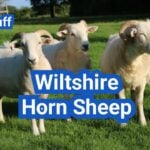
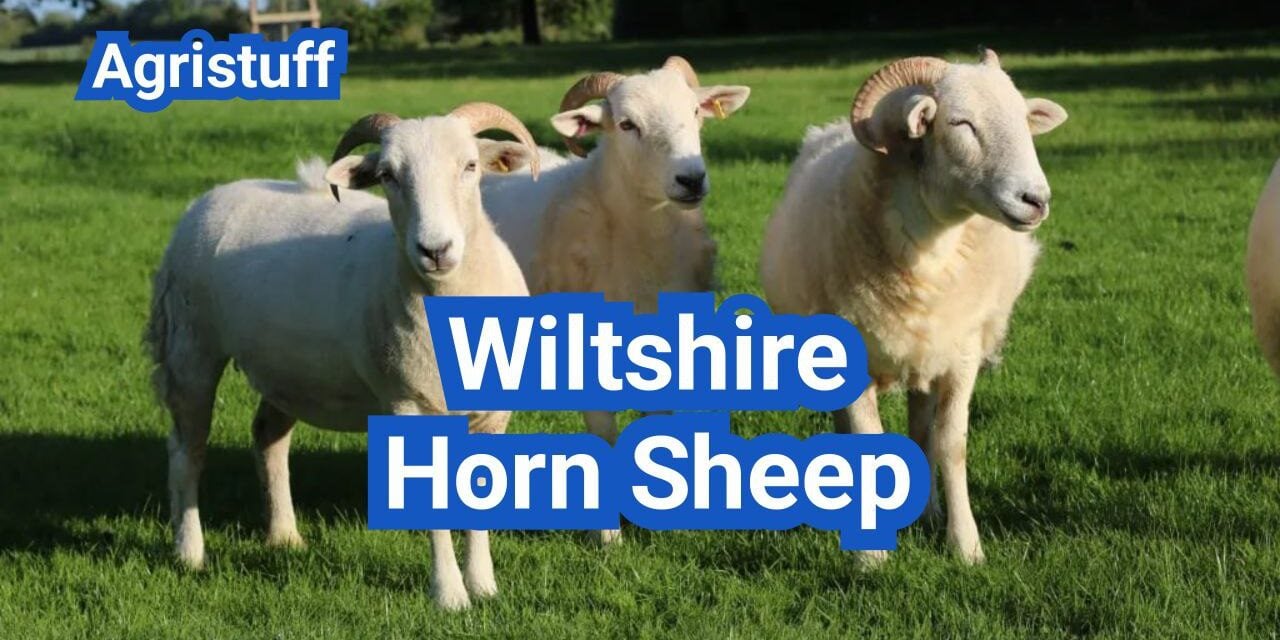
The Wiltshire Horn Sheep is an ancient breed with a rich history tracing back to the Romans. This native British sheep breed has been a significant part of agricultural heritage.
Originating in the UK, the Wiltshire Horn is known for its distinctive characteristics, including its hardiness and quality fleece. The breed’s history and adaptability make it a valuable asset for farmers.
The breed’s unique characteristics and breeding practices have contributed to its enduring presence in the agricultural sector.
Key Takeaways
- Ancient breed with Roman origins
- Native to the UK
- Known for hardiness and quality fleece
- Significant in agricultural heritage
- Valued for its adaptability
The Wiltshire Horn Sheep: An Overview
Known for their hardiness and self-shedding coat, Wiltshire Horn Sheep offer numerous benefits for farmers. This ancient breed has been a part of agricultural landscapes for centuries, particularly in Southern England where it originated.
The Wiltshire Horn Sheep is distinguished by several unique features that make it an attractive choice for both traditional and modern farming practices. Its ability to shed its coat naturally eliminates the need for shearing, a significant advantage in terms of labor and cost savings.
What Makes Wiltshire Horn Sheep Unique
One of the most distinctive characteristics of the Wiltshire Horn Sheep is its self-shedding coat. This feature not only reduces the need for shearing but also indicates the breed’s hardiness and adaptability to various environmental conditions.
Additionally, Wiltshire Horn Sheep are known for their robust health and resilience to diseases, making them a low-maintenance option for farmers. Their hardiness is complemented by their ability to thrive on a variety of grazing conditions, contributing to their suitability for sustainable agriculture practices.
Key Benefits of Raising Wiltshire Horn Sheep
Raising Wiltshire Horn Sheep can offer several benefits, including reduced labor costs due to their self-shedding coat and hardiness. Their ability to adapt to different grazing conditions and thrive with minimal intervention makes them an attractive choice for farmers looking to adopt more sustainable practices.
- Reduced shearing costs due to their self-shedding coat
- Hardiness and resilience to diseases
- Adaptability to various grazing conditions
- Suitability for sustainable agriculture practices
By incorporating Wiltshire Horn Sheep into their farming operations, farmers can potentially improve their bottom line while contributing to more environmentally friendly agricultural practices.
History and Origin of Wiltshire Horn Sheep

With roots tracing back to the Roman era, the Wiltshire Horn Sheep has a fascinating origin story. The breed’s history is deeply connected to the agricultural practices of southern England, where it was developed over centuries.
Ancient Origins in Southern England
The Wiltshire Horn Sheep is believed to have originated in the southern counties of England, where its hardiness and adaptability made it an ideal choice for local farmers. The influence of the ancient Romans on the breed is evident in its characteristics, which were shaped by Roman agricultural practices.
The breed’s ability to thrive in various conditions contributed to its popularity among farmers in southern England. Over time, the Wiltshire Horn Sheep became known for its distinctive features, including its horns and self-shedding coat.
Development Through the Centuries
Throughout the centuries, the Wiltshire Horn Sheep has undergone significant development, driven by selective breeding practices aimed at enhancing its desirable traits. The breed’s history is marked by its ability to adapt to changing agricultural needs and practices.
By understanding the history and origin of the Wiltshire Horn Sheep, breeders and farmers can appreciate the breed’s unique characteristics and its value in modern agriculture. The breed’s rich history and resilience make it a valuable asset for those interested in heritage breeds.
Physical Characteristics of Wiltshire Horn Sheep
The physical characteristics of Wiltshire Horn Sheep make them a standout in any flock. Their robust build, impressive horns, and unique coat properties distinguish them from other breeds.
Body Structure and Size
Wiltshire Horn Sheep are known for their muscular build and agile physique. They typically have a compact body with a deep chest and well-sprung ribs. The breed is characterized by its medium size, with rams generally being larger than ewes.
On average, mature rams weigh between 150-200 pounds, while ewes typically range from 100-150 pounds. Their compact size makes them suitable for various farming conditions.
Horn Development in Rams and Ewes
One of the most distinctive features of Wiltshire Horn Sheep is their impressive horn growth. Both rams and ewes develop horns, although those of rams are typically larger and more robust.
The horns of rams can grow quite large, serving as a natural defense mechanism and playing a role in establishing dominance within the flock. Ewes also develop horns, though they are generally smaller and less curved than those of rams.
Coat and Fleece Properties
Wiltshire Horn Sheep are known for their self-shedding coat, a characteristic that sets them apart from many other sheep breeds. This unique feature eliminates the need for shearing, as the fleece naturally sheds in the spring.
The coat of Wiltshire Horn Sheep is typically short and dense, providing them with protection against various weather conditions. The fleece is often described as having a coarse outer coat and a softer undercoat, contributing to their overall hardiness.
The Self-Shedding Coat: A Distinctive Feature
The self-shedding coat of the Wiltshire Horn Sheep is a remarkable trait that eliminates the need for shearing. This characteristic is particularly beneficial for farmers as it reduces labor costs associated with sheep maintenance.
How the Shedding Process Works
The Wiltshire Horn Sheep’s shedding process is a natural phenomenon where the sheep sheds its coat as the weather warms up, typically in spring. This process is influenced by factors such as daylight hours, temperature, and genetics.
Key factors influencing the shedding process:
- Daylight hours
- Temperature fluctuations
- Genetic predisposition
Benefits of a Self-Shedding Breed
The self-shedding coat of Wiltshire Horn Sheep offers several advantages, including reduced labor for shearing, lower costs for equipment and maintenance, and less stress on the animals.
| Benefits | Description |
|---|---|
| Reduced Labor | No need for shearing, saving time and labor costs. |
| Lower Costs | Less expenditure on shearing equipment and maintenance. |
| Less Stress on Animals | Avoids the stress and potential injury associated with shearing. |
The self-shedding characteristic also makes Wiltshire Horn Sheep an attractive choice for farmers looking to diversify their flock or adopt more sustainable farming practices. By understanding and leveraging this trait, farmers can improve their overall farming efficiency and reduce their environmental footprint.
Wiltshire Horn Sheep Temperament and Behavior

Understanding the behavior and temperament of Wiltshire Horn Sheep is crucial for effective management. Their hardiness and independent nature make them a unique breed that requires specific handling and care.
General Disposition
Wiltshire Horn Sheep are known for their robust nature and strong will. They are intelligent and resourceful, often displaying a keen sense of awareness of their surroundings. This intelligence, combined with their independent nature, means they can be challenging to manage if not handled correctly.
Their general disposition is characterized by a mix of curiosity and caution. When approached, they may initially be wary, but with consistent, gentle handling, they can become more trusting. It’s essential to establish a calm and assertive presence when interacting with Wiltshire Horn Sheep to build trust and avoid any potential aggression.
Handling Considerations for Horned Sheep
One of the critical aspects of managing Wiltshire Horn Sheep is handling them safely due to their horns. Both rams and ewes are horned, which requires careful consideration when designing handling facilities and procedures. It’s crucial to use well-designed handling equipment that minimizes the risk of injury to both the sheep and the handler.
When handling horned sheep, it’s essential to move calmly and deliberately, avoiding sudden movements that could startle them. Training handlers to be aware of the sheep’s body language and to recognize signs of stress or aggression is vital. This includes understanding that a threatened or scared horned sheep can be dangerous, and handlers should always be prepared to respond appropriately.
Effective handling also involves regular checks and maintenance of the sheep’s living conditions to reduce stress and prevent health issues. By understanding and respecting the unique characteristics of Wiltshire Horn Sheep, farmers can create a safer and more productive environment for both the animals and the people caring for them.
Breed Standards and Organizations
The Wiltshire Horn Sheep Society plays a crucial role in maintaining the breed standards for Wiltshire Horn Sheep. These standards are essential for ensuring the breed’s integrity and consistency across different flocks.
Wiltshire Horn Sheep Society Standards
The Wiltshire Horn Sheep Society has established detailed breed standards that cover various aspects of the Wiltshire Horn Sheep. These include:
- Physical Characteristics: The breed standards specify the ideal body structure, size, and horn development for both rams and ewes.
- Coat and Fleece: The self-shedding coat is a key feature, and the standards outline the expected fleece properties.
- Temperament: The breed is known for its hardiness and strong constitution, which is also reflected in the breed standards.
These standards help breeders identify and breed high-quality Wiltshire Horn Sheep that conform to the breed’s traditional characteristics.
Registration and Identification Requirements
To maintain the breed’s purity and ensure accurate record-keeping, the Wiltshire Horn Sheep Society has registration and identification requirements in place. These include:
- Registration Process: Breeders must register their sheep with the Society, providing detailed information about the animal’s pedigree, breeding, and physical characteristics.
- Identification Methods: Sheep are typically identified using ear tags or other approved methods to prevent mix-ups and ensure traceability.
- Record-Keeping: Accurate record-keeping is essential for maintaining the breed’s integrity and for selective breeding programs.
By adhering to these registration and identification requirements, breeders can contribute to the overall quality and consistency of the Wiltshire Horn Sheep breed.
For more information on the Wiltshire Horn Sheep Society and the breed standards, breeders can consult the Society’s official resources and breeders’ directory. This ensures that breeders have access to the most current and accurate information.
How to Start Breeding Wiltshire Horn Sheep
To successfully breed Wiltshire Horn Sheep, farmers must first understand the importance of selecting high-quality foundation stock. This breed is known for its hardiness and unique characteristics, making the selection process crucial for a thriving breeding program.
Selecting Foundation Stock
When selecting foundation stock for your Wiltshire Horn Sheep breeding program, several factors should be considered:
- Pedigree: Look for animals with a strong pedigree that reflects the breed’s characteristics.
- Health: Ensure that the animals are healthy and free from genetic disorders.
- Conformation: Select animals that conform to the breed standard.
- Fertility: Choose animals with proven fertility records.
By focusing on these aspects, you can establish a robust foundation for your breeding program.
Reproductive Cycle and Breeding Season
Understanding the reproductive cycle of Wiltshire Horn Sheep is vital for successful breeding. The breed is known for its seasonal breeding pattern, typically breeding in the fall. Key aspects to consider include:
- Ewe Estrus Cycle: Ewes are typically in estrus for a limited period, requiring careful planning.
- Ram to Ewe Ratio: Maintaining an appropriate ram to ewe ratio is crucial for successful breeding.
- Breeding Season Length: The breeding season can vary, but it’s essential to monitor and adjust as necessary.
By managing these factors, farmers can optimize their breeding program’s success.
Lambing Percentage and Management
Lambing percentage is a critical metric for any sheep breeding operation. For Wiltshire Horn Sheep, a high lambing percentage is achievable with proper management. Considerations include:
- Nutrition: Ensuring ewes are well-nourished before and during breeding.
- Health Checks: Regular health checks for both ewes and rams.
- Lambing Management: Proper care during lambing, including monitoring and assistance as needed.
By focusing on these areas, farmers can improve their lambing percentage and overall flock health.
Developing an Effective Breeding Program
To develop an effective breeding program, farmers must consider various strategies, including purebred breeding and crossbreeding. A well-designed breeding program is crucial for improving the quality and productivity of Wiltshire Horn Sheep.
Purebred Breeding Strategies
Purebred breeding involves selecting and breeding animals within the same breed to maintain its characteristic traits. For Wiltshire Horn Sheep, this means preserving their hardiness, self-shedding coat, and horned characteristics. Selection for desirable traits such as growth rate, fertility, and resistance to diseases is critical in purebred breeding programs.
To implement a successful purebred breeding program, farmers should:
- Maintain accurate breeding records to track lineage and performance.
- Select breeding stock based on genetic merit and physical characteristics.
- Implement a selection program to improve desired traits over generations.
Crossbreeding with Other Breeds
Crossbreeding involves mating Wiltshire Horn Sheep with animals from other breeds to combine desirable traits. This strategy can enhance characteristics such as growth rate, meat quality, or hardiness. Crossbreeding programs require careful planning to ensure the offspring inherit the best traits from both parent breeds.
Some benefits of crossbreeding Wiltshire Horn Sheep include:
- Improved heterosis or hybrid vigor, leading to healthier and more robust offspring.
- Introduction of new traits, such as improved meat quality or increased fertility.
- Enhanced adaptability to different environments or production systems.
When crossbreeding, it’s essential to choose breeds that complement the Wiltshire Horn Sheep’s characteristics and to monitor the outcomes to adjust the breeding program as needed.
Setting Up Proper Housing and Fencing

Proper housing and fencing are essential components in the successful management of Wiltshire Horn Sheep. The unique characteristics of this breed, particularly their horns, require specialized infrastructure to ensure the safety and well-being of both the sheep and the farmers.
Shelter Requirements and Design
When designing shelters for Wiltshire Horn Sheep, several factors must be considered:
- Adequate ventilation to prevent respiratory issues
- Protection from extreme weather conditions such as heavy rain, snow, and intense sunlight
- Sufficient space to accommodate the flock comfortably, allowing for easy movement and reducing stress
The shelter should be designed to be easy to clean and maintain, with features such as concrete floors or durable bedding materials. Additionally, the structure should be robust enough to withstand the elements and any potential impacts from the sheep, particularly those with horns.
Specialized Fencing for Horned Sheep
Fencing is a critical aspect of managing Wiltshire Horn Sheep, as it helps to protect both the flock and the surrounding environment. The fencing requirements for horned sheep differ from those for other breeds due to their unique characteristics:
- Height and Strength: Fencing should be at least 5 feet tall and made from sturdy materials such as wood or metal to prevent escape and predator entry.
- Spacing and Design: The fencing material should have openings that are not too wide, preventing the sheep from getting their heads or horns caught. A spacing of 6 inches or less is recommended.
It’s also crucial to ensure that the fencing is well-maintained and regularly inspected for any damage or weaknesses. This not only helps in keeping the sheep safe but also prevents potential legal issues related to escaped animals.
By investing in proper housing and fencing, farmers can create a safe and productive environment for their Wiltshire Horn Sheep, ultimately contributing to the success of their farming operations.
Nutrition and Feeding Management
Effective nutrition and feeding management are crucial for the health and productivity of Wiltshire Horn Sheep. A well-planned feeding strategy ensures that the nutritional needs of the flock are met, supporting overall well-being and optimal production.
Implementing Pasture-Based Feeding Systems
Wiltshire Horn Sheep are well-suited to pasture-based feeding systems, which allow them to graze on a variety of forages. This approach not only reduces feeding costs but also promotes the natural behavior of the sheep.
When implementing a pasture-based system, it’s essential to consider the quality and quantity of forage available. Rotational grazing can help maintain pasture health and productivity.
Rotational Grazing Techniques
Rotational grazing involves moving the flock to different grazing areas to allow previously grazed pastures to recover. This technique helps maintain soil fertility, reduces parasite loads, and promotes more even grazing.
- Divide pastures into smaller paddocks to manage grazing more effectively.
- Monitor forage quality and quantity to determine the optimal rotation schedule.
- Provide adequate rest periods for pastures to recover and regrow.
Supplemental Feeding and Late Gestation Nutrition
While Wiltshire Horn Sheep thrive on pasture, there are times when supplemental feeding is necessary, particularly during late gestation or when pasture quality is poor. Nutritional supplementation can help meet the increased energy demands of late pregnancy or support growth in younger animals.
It’s crucial to assess the nutritional needs of the flock and provide appropriate supplements. For example, ewes in late gestation may require additional energy and protein to support fetal development and prepare for lactation.
By combining effective pasture management with strategic supplemental feeding, farmers can optimize the health and productivity of their Wiltshire Horn Sheep flock.
Health Management and Parasite Control
Maintaining the health of Wiltshire Horn Sheep involves regular checks and parasite control. Effective health management is crucial for preventing diseases and ensuring the overall well-being of the flock.
Common Health Issues and Prevention
Wiltshire Horn Sheep are generally hardy, but they can be susceptible to certain health issues. Common problems include internal parasites, foot rot, and reproductive issues. Regular monitoring and preventive measures can help mitigate these risks.
- Internal Parasites: Regular fecal egg counts and strategic deworming can help control internal parasite loads.
- Foot Rot: Maintaining clean living conditions and regular foot trimming can prevent foot rot.
- Reproductive Issues: Ensuring proper nutrition and health checks during breeding season can help minimize reproductive problems.
Parasite Resistance and Using the FAMACHA System
The FAMACHA system is a valuable tool for managing internal parasites in sheep. It involves assessing the level of anemia caused by parasites and selectively deworming animals that need it.
Implementing the FAMACHA system:
- Train personnel to accurately assess FAMACHA scores.
- Regularly check sheep for signs of anemia.
- Deworm only those animals with high FAMACHA scores to reduce parasite resistance.
Implementing a Biosecurity Program
A biosecurity program is essential for preventing the introduction and spread of diseases within the flock. Key components include:
- Quarantine Procedures: New animals should be quarantined before being introduced to the main flock.
- Vaccination Programs: Implementing a vaccination program tailored to the specific needs of your flock.
- Visitor Control: Limiting visitor access to the farm and ensuring that any visitors follow proper biosecurity protocols.
By implementing these health management strategies, Wiltshire Horn Sheep farmers can improve the overall health and productivity of their flock.
Commercial Uses of Wiltshire Horn Sheep
With their unique characteristics, Wiltshire Horn Sheep are becoming increasingly valuable in commercial farming. Their versatility makes them suitable for various agricultural applications, primarily in meat production and conservation grazing.
Meat Production and Quality
Wiltshire Horn Sheep are recognized for their high-quality meat, which is lean and tender. The breed’s ability to produce lambs that grow quickly and efficiently makes it an attractive option for meat producers.
The meat from Wiltshire Horn Sheep is known for its excellent flavor and texture, making it a sought-after product in specialty markets. Farmers who raise Wiltshire Horn Sheep for meat production benefit from the breed’s hardiness and low maintenance requirements, which help reduce overall production costs.
Conservation Grazing and Land Management
In addition to meat production, Wiltshire Horn Sheep are used for conservation grazing. Their grazing habits can help manage vegetation, reduce brush encroachment, and promote biodiversity in various landscapes.
The use of Wiltshire Horn Sheep for conservation grazing is particularly valuable in sensitive or protected areas where mechanical vegetation control is not feasible or desirable. By leveraging the natural grazing behavior of these sheep, land managers can achieve their conservation goals while also producing high-quality livestock.
Overall, the commercial uses of Wiltshire Horn Sheep highlight the breed’s adaptability and value in different agricultural contexts. Whether for meat production or conservation grazing, Wiltshire Horn Sheep offer a range of benefits that make them an attractive choice for farmers and land managers.
Wiltshire Horn Sheep in the United States

The introduction of Wiltshire Horn Sheep to the U.S. has marked a significant development in the country’s sheep breeding industry. As farmers and breeders become increasingly interested in this ancient breed, understanding its history, current status, and how to find quality stock is essential.
History and Current Population
The Wiltshire Horn Sheep has a rich history that dates back to Southern England. Their introduction to the United States represents a new chapter in their story. Initially brought to the U.S. by pioneering breeders, the breed has slowly gained traction due to its unique characteristics, such as its self-shedding coat and hardiness.
As of the current date, the population of Wiltshire Horn Sheep in the U.S. is growing steadily. According to recent data, there has been a notable increase in the number of breeders and farms incorporating this breed into their operations. The breed’s adaptability and low maintenance requirements make it an attractive option for many American farmers.
“The Wiltshire Horn Sheep is a game-changer for our farm. Its self-shedding coat has significantly reduced our labor costs, and its hardiness has improved our flock’s overall health.” – John Doe, Sheep Breeder
Finding Reputable Breeders and Stock
For those interested in acquiring Wiltshire Horn Sheep, finding reputable breeders is crucial. The Wiltshire Horn Sheep Society provides a directory of registered breeders and their stock, ensuring that buyers have access to high-quality animals.
When selecting a breeder, it’s essential to consider their breeding practices, the health of their flock, and their experience with the breed. Visiting farms and meeting breeders in person can provide valuable insights into their operations and the quality of their sheep.
Additionally, attending agricultural events and sheep breeders’ conferences can be an excellent way to network with other breeders and learn more about the breed. As the popularity of Wiltshire Horn Sheep continues to grow, the resources available to new breeders are also expanding.
Global Distribution and Adaptation
The global distribution of Wiltshire Horn Sheep has expanded beyond their origins in Southern England. Today, they can be found in various countries, including Australia, where they have been introduced to leverage their unique characteristics and adaptability.
Wiltshire Horn Sheep in Australia
Wiltshire Horn Sheep were introduced to Australia as part of efforts to diversify sheep breeds and improve agricultural practices. Their self-shedding coat and hardiness made them an attractive choice for Australian farmers.
The breed has thrived in various Australian climates, from the temperate regions to the more challenging environments. Key factors contributing to their success include:
- Hardiness: Wiltshire Horn Sheep are known for their ability to withstand different climatic conditions.
- Parasite Resistance: Their natural resistance to parasites has been beneficial in reducing the need for chemical treatments.
- Adaptability to Grazing Systems: They adapt well to various grazing management practices, making them versatile for different farming systems.
Adaptability to Different Climates
One of the significant advantages of Wiltshire Horn Sheep is their ability to adapt to a wide range of climates. This adaptability is crucial for farmers in diverse geographical locations.
Some of the climates they can thrive in include:
- Temperate climates with moderate temperatures and rainfall.
- Tropical regions with high temperatures and humidity.
- Arid and semi-arid regions with limited water availability.
Their adaptability is attributed to their robust nature and the self-shedding characteristic of their fleece, which helps them regulate their body temperature in varying conditions.
The versatility of Wiltshire Horn Sheep makes them an excellent choice for farmers looking to introduce a hardy and productive breed to their flocks.
Economic Considerations for Wiltshire Horn Farmers
Economic considerations play a significant role in the sustainability of Wiltshire Horn Sheep farming. Farmers must balance the costs of maintaining their flock with the revenue generated from selling their products.
Current Market Prices and Trends
The market for Wiltshire Horn Sheep products, including meat and breeding stock, is influenced by various factors such as demand, supply, and global market trends. Currently, there is a growing interest in heritage breeds like the Wiltshire Horn, which can command a premium price due to their unique characteristics.
Market prices for Wiltshire Horn Sheep can vary significantly based on factors such as age, quality, and pedigree. Breeders should stay informed about current prices to make informed decisions about their breeding programs and sales strategies.
Marketing Strategies for Wiltshire Products
Effective marketing is crucial for the economic success of Wiltshire Horn Sheep farmers. Strategies may include highlighting the breed’s unique features, such as its self-shedding coat and hardiness, to attract potential buyers.
- Utilizing online platforms and social media to showcase the flock and connect with potential customers.
- Participating in agricultural shows and events to promote the breed and network with other breeders.
- Developing a niche market for Wiltshire Horn products, such as specialty meats or artisanal wool products.
By adopting a multi-faceted marketing approach, Wiltshire Horn Sheep farmers can increase their visibility and attract a loyal customer base, ultimately improving their economic viability.
Is the Wiltshire Horn Sheep Right for Your Farm?
Evaluating the suitability of Wiltshire Horn Sheep for your farm involves considering several key factors, including your farm’s management practices, goals, and resources. The unique characteristics of this breed, such as their self-shedding coat and hardiness, make them an attractive option for many farmers.
Raising Wiltshire Horn Sheep can be a viable choice for farms that prioritize efficient labor management and are looking for a breed that can thrive in a variety of conditions. Their adaptability to different climates and management systems is a significant advantage.
To determine if Wiltshire Horn Sheep are right for your operation, consider your farm’s specific needs and whether this breed aligns with your overall objectives. Assessing factors such as market demand, available resources, and your experience with sheep farming will help you make an informed decision about the suitability of Wiltshire Horn Sheep for your farm.
FAQ
What is the origin of the Wiltshire Horn Sheep breed?
The Wiltshire Horn Sheep breed originated in southern England, specifically in the county of Wiltshire, where it has been documented since the 17th century.
What makes Wiltshire Horn Sheep unique?
Wiltshire Horn Sheep are known for their self-shedding coat, which eliminates the need for shearing, and their distinctive horns in both rams and ewes.
What are the benefits of raising Wiltshire Horn Sheep?
Raising Wiltshire Horn Sheep offers several benefits, including reduced labor for shearing, suitability for sustainable agriculture, and high-quality meat production.
How do Wiltshire Horn Sheep shed their coats?
Wiltshire Horn Sheep shed their coats naturally, typically in the spring, as the days get longer and temperatures rise, reducing the need for manual shearing.
What are the physical characteristics of Wiltshire Horn Sheep?
Wiltshire Horn Sheep are characterized by their medium size, muscular build, and distinctive horns in both sexes. They have a short, fine coat that sheds annually.
How should Wiltshire Horn Sheep be handled due to their horns?
Handling Wiltshire Horn Sheep requires caution due to their horns. It’s essential to be aware of their head movements and to handle them gently but firmly to avoid injury.
What are the breed standards for Wiltshire Horn Sheep?
The Wiltshire Horn Sheep Society sets breed standards, including requirements for registration, horn development, and coat characteristics.
How do I start a Wiltshire Horn Sheep breeding program?
Starting a Wiltshire Horn Sheep breeding program involves selecting high-quality foundation stock, understanding the reproductive cycle, and managing lambing percentage effectively.
What are the advantages of purebred breeding versus crossbreeding Wiltshire Horn Sheep?
Purebred breeding maintains breed characteristics, while crossbreeding can introduce desirable traits from other breeds, such as improved growth rates or parasite resistance.
What are the housing and fencing requirements for Wiltshire Horn Sheep?
Wiltshire Horn Sheep require sturdy fencing that can accommodate their horns and adequate shelter to protect them from extreme weather conditions.
How should I manage the nutrition and feeding of Wiltshire Horn Sheep?
Implementing a pasture-based feeding system with rotational grazing techniques is recommended. Supplemental feeding may be necessary, especially during late gestation.
How can I control parasites in my Wiltshire Horn Sheep flock?
Using the FAMACHA system to monitor parasite loads and implementing a biosecurity program can help control parasites and maintain flock health.
What are the commercial uses of Wiltshire Horn Sheep?
Wiltshire Horn Sheep are used for meat production and conservation grazing. Their meat is known for its quality, and they are well-suited for managing vegetation in conservation areas.
Can Wiltshire Horn Sheep adapt to different climates?
Yes, Wiltshire Horn Sheep have been introduced to various countries, including Australia, and can adapt to different climates, although their hardiness may vary depending on the specific conditions.
What are the economic considerations for Wiltshire Horn Sheep farmers?
Economic considerations include current market prices for Wiltshire Horn Sheep and their products, as well as effective marketing strategies to promote their unique qualities.
Where can I find reputable Wiltshire Horn Sheep breeders?
Reputable breeders can be found through the Wiltshire Horn Sheep Society or by contacting local agricultural organizations and breed associations.
Conclusion of: Wiltshire Horn Sheep Breed
Wiltshire Horn Sheep are an old, practical meat breed that’s gaining fresh attention in the United States because they can shed much of their winter coat instead of requiring full shearing, while still delivering a well-muscled carcass and strong pasture performance. Wiltshire Horn Sheep are also considered rare in the U.S., which adds value for producers interested in heritage genetics, conservation-minded breeding, and niche marketing. If you want a low-labor flock without giving up meat-focused traits, Wiltshire Horn Sheep can fit well—especially when your plan includes good grazing management, safe horn-friendly handling, and a clear health program. The Livestock Conservancy: Wiltshire Horn Sheep profile
History and origin
Wiltshire Horn Sheep originated in southwestern England, particularly the county of Wiltshire, where they were once a dominant regional breed valued for meat and hardiness in local farming systems. Over time, competition from other breeds and changes in production goals reduced their numbers, but Wiltshire Horn Sheep survived thanks to dedicated breeders and organized breed support. Today, that long history matters because it shaped the breed’s “working sheep” identity—efficient grazing, practical mothering, and the signature shedding coat that modern pasture-based farms often want. Wiltshire Horn Sheep historical overview
How Wiltshire Horn Sheep spread beyond England
Wiltshire Horn Sheep were exported to other regions over the decades, including Australia and New Zealand, and later made their way into North American flocks through imports and breeding programs interested in their shedding genetics and meat traits. For U.S. producers, this spread is important because it created multiple lines and selection goals—some emphasizing shedding, some emphasizing growth, and some balancing both—so the best Wiltshire Horn Sheep for your farm may depend on the breeder’s priorities and your local climate. Canadian Co-operative Wool Growers: Wiltshire Horn Sheep
Why Wiltshire Horn Sheep are “self-shedding”
The coat is one of the biggest reasons Wiltshire Horn Sheep stand out: instead of producing a high-value fleece that must be shorn every year, they typically grow a heavier winter covering and then shed (or rub off) much of it as temperatures rise. In practice, Wiltshire Horn Sheep often begin shedding around the head and neck, and the process can move down the body over several weeks—meaning you’ll want to monitor spring condition, watch for irritation, and understand that nutrition and environment can affect how cleanly shedding happens. Oklahoma State University: Wiltshire Horn Sheep
What the shedding trait means for labor and costs
For many farms, the shedding trait in Wiltshire Horn Sheep can reduce annual labor, shearing expenses, and wool-handling logistics, especially when wool prices are low or shearers are difficult to book. That said, Wiltshire Horn Sheep still require seasonal attention: some animals shed more completely than others, and occasional tidying may be needed depending on genetics, climate, and nutrition. If your goal is truly low-maintenance management, selecting breeding stock with consistent shedding performance is one of the simplest long-term improvements you can make with Wiltshire Horn Sheep. Research on inheritance of wool shedding in sheep (PubMed)
Appearance and key characteristics
Wiltshire Horn Sheep are typically white, medium-to-large framed, and strongly built for meat production rather than wool. Mature size varies by sex, line, and management, but Wiltshire Horn Sheep are commonly described as robust animals with a practical build for pasture finishing and good carcass traits. For U.S. producers evaluating breeds, the key point is that Wiltshire Horn Sheep are usually chosen for meat, survivability, and reduced shearing needs—not for producing a high-value fleece. Wiltshire Horn Sheep breed description (OSU)
Horns: beauty, identity, and safe handling
Both rams and ewes of Wiltshire Horn Sheep are horned, and the horn shape—especially the impressive spirals in mature rams—is part of the breed’s identity. Horns can also change your facility needs: handling systems should allow extra head room, avoid tight corners, and reduce places where animals can get stuck or tangled. When you manage Wiltshire Horn Sheep, treat horn-safe design as a welfare and productivity issue, because calm flow through pens and chutes reduces injuries and stress for both sheep and handlers. Horn notes and handling considerations (OSU)
Facilities and fencing for horned flocks
Because Wiltshire Horn Sheep are horned, aim for wider gates, smoother turns, and fewer pinch points than you might use with polled breeds. Feeders and hay racks should be designed to limit fighting and prevent horn entanglement, and fences should be strong enough to handle pressure during breeding season when rams may challenge boundaries. If you’re planning new infrastructure for Wiltshire Horn Sheep, using proven sheep facility layouts can save money and reduce headaches as the flock grows. NDSU: Sheep building plans and layouts
Temperament and flock behavior
Well-managed Wiltshire Horn Sheep are often described as workable and steady, but horned sheep still demand respectful handling routines. Good results come from consistent, low-stress movement, early training to the handling system, and avoiding situations where animals feel trapped and push back with their head. On family farms, it’s also wise to manage rams carefully and keep visitors safe, because a calm Wiltshire Horn Sheep ram is still powerful and can become assertive during breeding season. American Sheep Industry Association: basic sheep management
Pasture fit and grazing style
Wiltshire Horn Sheep are commonly viewed as thrifty grazers, and many producers like them in pasture-based systems where forage is the foundation and supplementation is strategic rather than constant. With Wiltshire Horn Sheep, pasture quality still matters: balanced forage and smart rotation support growth, breeding performance, and resilience, while overgrazing increases parasite pressure and lowers gains. If you want a practical framework for paddock moves, rest periods, and forage goals that can support Wiltshire Horn Sheep performance, rotational grazing guidance from extension programs is a strong place to start. UC ANR: Rotational grazing guide (PDF)
Shelter and climate resilience
Even hardy Wiltshire Horn Sheep need protection from the stress points that hit U.S. farms—heat waves, wet springs, deep mud, or ice storms depending on your region. Simple shelter like shade structures, windbreaks, and dry bedding areas can improve comfort and reduce disease risk, particularly around lambing and after heavy rain. When Wiltshire Horn Sheep have a dry place to rest and predictable access to clean water, they typically maintain condition better and handle seasonal transitions more smoothly. MSU Extension: sheep housing considerations
Predator protection in U.S. conditions
Predation can be a serious limiting factor for Wiltshire Horn Sheep in many U.S. regions, and relying on a single method (like fencing alone) often fails during lambing season when losses can spike. A practical predator plan usually layers strong electric fencing, secure night areas, and livestock guardian animals where appropriate, with extra focus during lambing and early grazing rotations. If you want a producer-friendly overview of how to build a realistic defense plan for Wiltshire Horn Sheep, extension guidance can help you match tools to your local predator pressure. UF/IFAS: predator management for small ruminants
Feeding and nutrition for growth and reproduction
Wiltshire Horn Sheep can perform well on grass and good hay, but nutrition still drives fertility, milk, lamb growth, and overall flock health. Many U.S. farms use targeted supplementation during late gestation and early lactation when nutrient needs rise sharply, especially if forage quality is inconsistent. Using body condition scoring and forage testing helps you avoid overfeeding while still supporting performance, which is particularly important if you want Wiltshire Horn Sheep lambs to finish efficiently and ewes to rebreed on schedule. MSU Extension: late pregnancy management for sheep
Breeding, fertility, and lambing management
Wiltshire Horn Sheep are often praised for fertility and maternal ability, and many breeders aim for strong lamb crops while maintaining sound structure and reliable shedding. To turn those traits into real results, a consistent lambing system matters: clean lambing pens, colostrum readiness, navel care, and a clear plan for weather events or mismothering. If you’re building a dependable schedule around Wiltshire Horn Sheep breeding and lambing, using a step-by-step extension checklist can reduce losses and improve uniformity in the lamb crop. Ohio State Extension: sheep gestation and lambing guidance
Parasite control: don’t assume shedding equals parasite-proof
Some producers associate Wiltshire Horn Sheep with lower-maintenance health programs, but in most U.S. climates parasite pressure can still be high, especially on warm, humid pastures. A modern approach combines rotational grazing, objective monitoring tools (like FAMACHA where appropriate), and targeted selective treatment rather than blanket deworming that can accelerate resistance. If you want Wiltshire Horn Sheep to stay productive long term, focus on pasture rest, clean water access, and smart treatment decisions based on evidence rather than routine habits. WormX: parasite management resources for small ruminants
Genetics of shedding and what selection can improve
Shedding in Wiltshire Horn Sheep is not just a convenience trait—it has documented genetics, and selection can noticeably improve consistency within a flock over time. Research discussing wool shedding indicates a strong genetic component and highlights that shedding expression can vary in speed and completeness, which is exactly what producers observe in the field. If you want a flock of Wiltshire Horn Sheep that truly reduces shearing-related labor, prioritize rams and ewes that shed early, shed cleanly, and maintain good body condition through the transition. Scientific reference on wool shedding inheritance (PubMed)
Biosecurity for buying and moving breeding stock
Because Wiltshire Horn Sheep are still relatively rare in the U.S., purchasing breeding stock sometimes involves longer-distance transport, which raises the importance of biosecurity. A simple quarantine protocol (separating new animals, monitoring health, and coordinating testing with your veterinarian) reduces the risk of introducing disease into your flock. If you want to protect the long-term value of your Wiltshire Horn Sheep genetics and avoid costly setbacks, it’s worth building a written biosecurity plan that your farm follows consistently. USDA APHIS: biosecurity for sheep and goats
Identification and Scrapie compliance in the United States
Raising Wiltshire Horn Sheep in the U.S. also involves regulatory basics, especially official identification connected to Scrapie control and certain interstate movement requirements. If you sell breeding stock, attend shows, or move Wiltshire Horn Sheep across state lines, correct identification and recordkeeping can prevent compliance problems and protect buyer confidence. Because regulations and program details can change, use USDA APHIS guidance as your reference point and confirm any state-specific requirements with your local offices. USDA APHIS: Scrapie program information
Uses: meat production, crossbreeding, and market fit
Wiltshire Horn Sheep are primarily a meat breed, and many producers also explore crossbreeding because shedding genetics and frame can add value in commercial lamb systems. In the U.S., profitability often depends on your marketing outlet and timing—selling feeder lambs, finishing on pasture, direct marketing, or targeting seasonal demand peaks. If you raise Wiltshire Horn Sheep with a market plan that matches local buyer preferences and consistent weights, the breed can be a practical part of a profitable small ruminant enterprise. American Sheep Industry Association: market summary
Uses: conservation grazing and land management
Beyond meat, Wiltshire Horn Sheep can work well in conservation grazing roles—managing vegetation on farms, orchards, and stewardship projects—because a shedding flock can reduce labor while still delivering useful grazing impact. If you document outcomes like weed suppression, improved ground cover, and reduced mowing needs, Wiltshire Horn Sheep can become part of a service-based income model or a farm stewardship strategy. For producers exploring grazing as a land-management tool, learning from established conservation and education programs can help shape realistic expectations. Example of Wiltshire Horn Sheep in an education/conservation setting
Uses: solar grazing and modern agribusiness opportunities
Wiltshire Horn Sheep may also fit a growing U.S. niche: solar grazing, where sheep are used for vegetation management under and around solar panels. Breed choice depends on site rules, fencing, monitoring, and local climate, but a shedding breed can reduce shearing logistics on remote sites and simplify operations for contractors. If you’re evaluating Wiltshire Horn Sheep for solar grazing, focus on safety, water access, predator planning, and contract structure before scaling, because the business model is as important as the breed. Agrisolar Clearinghouse: solar grazing resources
Final thought
Wiltshire Horn Sheep can be a strong match for U.S. farms that want a meat-focused, heritage-leaning flock with the potential advantage of self-shedding, but long-term success still comes down to fundamentals: pasture management, nutrition around breeding and lambing, parasite monitoring, and safe facilities for horned animals. Because Wiltshire Horn Sheep are relatively rare, treat your first purchases as the foundation of a multi-year program and track performance—weights, lambing outcomes, shedding consistency, and health events—so your flock improves with every season. Wiltshire Horn Sheep breed overview and conservation context
Sources & References
These resources support key facts and best-practice management considerations discussed in this Wiltshire Horn Sheep guide, with a mix of breed authorities, extension education, and U.S. government guidance relevant to producers.
- Wiltshire Horn – Wikipedia
- Wiltshire Horn Sheep Society Ltd (WHSS)
- Saddlehorn Ranch – Wiltshire Horn Sheep – For Sale USA
- About – wiltshiresheep.com
- The Livestock Conservancy — Wiltshire Horn Sheep
- Oklahoma State University — Breeds of Livestock: Wiltshire Horn Sheep
- Canadian Co-operative Wool Growers — Wiltshire Horn Sheep
- Pollott — Mode of inheritance for wool shedding in sheep (PubMed)
- USDA APHIS — Biosecurity for sheep and goat producers
- USDA APHIS — Scrapie information
- ACSRPC — Parasite management resources (WormX)
- American Sheep Industry Association — Market summary
- Agrisolar Clearinghouse — solar grazing best practices