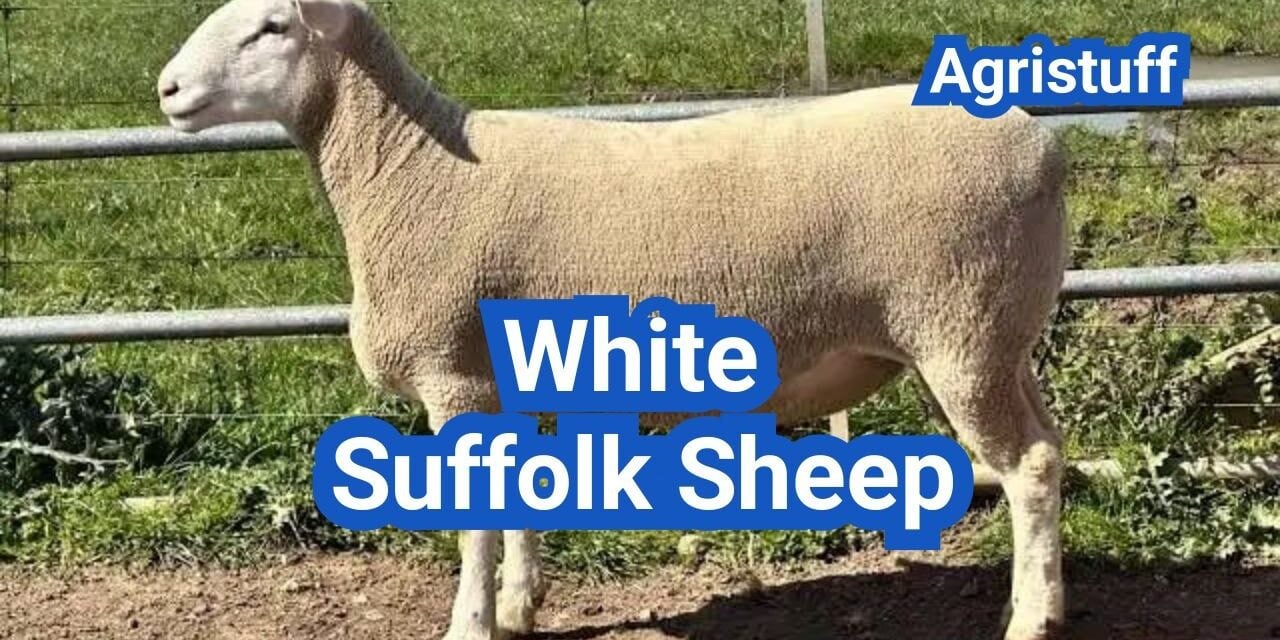
The White Suffolk Sheep breed has a rich history that dates back to the late eighteenth century in Suffolk, England. It originated from cross-breeding Norfolk Horn ewes with Southdown rams, resulting in a robust and versatile sheep breed.
This breed is known for its exceptional lamb production capabilities and desirable sheep characteristics, making it a popular choice among farmers. The White Suffolk Sheep is bred for its meat production and is recognized for its fast growth rate and high-quality carcass.
Key Takeaways
- Originated in Suffolk, England in the late 18th century.
- Resulted from cross-breeding Norfolk Horn ewes with Southdown rams.
- Known for exceptional lamb production and desirable sheep characteristics.
- Bred for meat production with a fast growth rate.
- Produces high-quality carcasses.
The Origin and Development of White Suffolk Sheep
The story of White Suffolk sheep begins with the origins of the Suffolk breed in late 18th century England. The Suffolk breed was developed by crossing the Southdown rams with Norfolk Horn ewes, resulting in a hardy and fast-growing sheep breed.
Historical Background of the Suffolk Breed
The Suffolk breed was created to produce a sheep that could thrive in the challenging agricultural conditions of East Anglia. By combining the muscling of the Southdown with the hardiness of the Norfolk Horn, breeders achieved a sheep that was not only robust but also produced high-quality meat.
The Suffolk breed quickly gained popularity due to its excellent growth rates and carcass quality. By the early 19th century, Suffolks were being exported to various parts of the world, including Australia.
Development of White Suffolk in Australia
In Australia, breeders began selecting for a white-faced version of the Suffolk sheep. The White Suffolk breed was developed to suit the local climate and production systems. Australian breeders recognized the potential of the Suffolk breed and worked to adapt it to their conditions.
The development of White Suffolk in Australia involved careful selection for desirable traits such as growth rate, carcass quality, and hardiness. This selective breeding program resulted in a sheep that was well-suited to the Australian environment and production systems.
Key Pioneers in White Suffolk Breeding
Several key pioneers played a crucial role in the development of the White Suffolk breed in Australia. These breeders were instrumental in establishing the breed and promoting its use in commercial sheep production.
One of the notable aspects of White Suffolk breeding in Australia was the formation of breed associations and registries. These organizations helped to standardize the breed and promote its development.
The work of these pioneers has had a lasting impact on the White Suffolk breed, enabling it to become a significant player in the global sheep industry.
Understanding White Suffolk Sheep Characteristics

The characteristics of White Suffolk sheep, including their physical appearance and temperament, play a crucial role in their breeding success. These sheep are known for their exceptional growth rates and muscular build, making them a popular choice among farmers.
Physical Appearance and Distinctive Features
White Suffolk sheep are easily recognizable due to their white wool, black faces, and polled heads. Their physical appearance is one of their most distinctive characteristics, setting them apart from other breeds. They have a muscular build, which contributes to their fast growth rates and makes them ideal for prime lamb production.
Their white wool is another significant feature, as it provides a clean and attractive appearance that is preferred by many consumers. The combination of their white wool and black faces gives them a striking look that is both visually appealing and indicative of their genetic purity.
Temperament and Behavior
White Suffolk sheep are known for their docile temperament, which makes them easy to handle and manage. They are generally calm and quiet, reducing the stress associated with handling more aggressive breeds. This docility is a significant advantage when it comes to farm management, as it simplifies the process of caring for the sheep.
Their behavior is also characterized by a strong instinct to follow the flock, which helps in maintaining group cohesion and reducing the risk of sheep becoming lost or isolated. This behavior is beneficial for farmers, as it makes managing large flocks more straightforward.
Growth Rates and Maturity Timeline
One of the most significant advantages of White Suffolk sheep is their fast growth rates. They are bred to mature quickly, which is essential for prime lamb production. Lambs typically reach market weight within a short period, making them highly efficient for meat production.
The maturity timeline for White Suffolk lambs is relatively short compared to other breeds. They are usually ready for market between 4 to 6 months of age, depending on factors such as nutrition and management practices. This rapid growth rate is a key factor in their popularity among farmers looking to produce high-quality lambs quickly.
In conclusion, the characteristics of White Suffolk sheep, including their physical appearance, temperament, and growth rates, make them an ideal choice for many farmers. Their distinctive features, combined with their docile nature and fast maturity, contribute to their success in the sheep industry.
White Suffolk vs. Traditional Suffolk: Key Differences
A closer examination of White Suffolk and Suffolk sheep reveals variations in color, performance, and adaptability. While both breeds share a common ancestry, their differences have significant implications for sheep breeders and farmers.
Color and Physical Distinctions
The most apparent difference between White Suffolk and traditional Suffolk sheep lies in their fleece color. White Suffolk sheep are characterized by their white wool, whereas traditional Suffolk sheep typically have a black face and legs with a white body but can have some dark wool. According to
“The White Suffolk breed has been developed to retain the hardiness and meat production characteristics of the Suffolk breed but with a white coat.”
This distinction in coat color can affect the marketability of the sheep and their suitability for various production systems.
Performance Variations
In terms of performance, both breeds are known for their rapid growth rates and high-quality meat production. However, White Suffolk sheep are often preferred in crossbreeding programs due to their white coat, which can result in more uniform lamb crops when crossed with other white-faced breeds. As noted by a prominent sheep breeder,
“The use of White Suffolk rams over Merino ewes produces lambs with superior growth rates and carcass characteristics.”
Adaptability Differences
Both White Suffolk and traditional Suffolk sheep are known for their hardiness and adaptability to various farming conditions. However, the White Suffolk’s white coat may offer some advantages in certain climates or production systems, potentially reducing heat stress in warmer environments. It’s essential for farmers to consider these factors when deciding between the two breeds for their specific operations.
Comparing White Suffolk to Other Breeds
The White Suffolk breed has gained prominence in crossbreeding programs, particularly when compared to Poll Dorset and Merino crosses. This comparison is crucial for farmers and breeders looking to optimize their lamb production.
White Suffolk vs. Poll Dorset
White Suffolk and Poll Dorset are both popular breeds used in prime lamb production. While both breeds offer excellent growth rates and carcass quality, there are key differences between them.
- Growth Rate: White Suffolk lambs are known for their rapid growth rate, often outperforming Poll Dorset lambs in this aspect.
- Carcass Quality: Both breeds produce high-quality carcasses, but White Suffolk tends to have a slightly leaner carcass.
- Hardiness: Poll Dorset is known for its hardiness and adaptability to various farming conditions.
White Suffolk vs. Merino Crosses
Merino crosses are widely used in the sheep industry for their wool production and hardiness. When compared to White Suffolk, Merino crosses have different strengths and weaknesses.
| Characteristics | White Suffolk | Merino Crosses |
|---|---|---|
| Growth Rate | Rapid | Moderate |
| Wool Quality | Good | Excellent |
| Hardiness | Good | Excellent |
Advantages in Crossbreeding Programs
White Suffolk sheep offer several advantages when used in crossbreeding programs. Their rapid growth rate and high-quality carcasses make them an ideal terminal sire breed.
Key Benefits:
- Improved lamb growth rates
- Enhanced carcass quality
- Increased efficiency in prime lamb production
By incorporating White Suffolk into crossbreeding programs, farmers can capitalize on the breed’s strengths while complementing its weaknesses with other breeds.
How to Start Raising White Suffolk Sheep
The journey to raising White Suffolk Sheep starts with understanding your farm’s capabilities and preparing the necessary infrastructure. Before diving into the world of White Suffolk Sheep farming, it’s essential to assess your farm’s suitability for this venture.
Assessing Your Farm’s Suitability
Evaluating your farm’s suitability involves examining several key factors. Climate and terrain are crucial; White Suffolk Sheep are adaptable but thrive best in certain conditions. Consider the availability of pasture land and the quality of grazing. It’s also vital to assess the existing infrastructure, such as fencing and watering systems.
Another critical aspect is the local market demand for White Suffolk Sheep or their lambs. Understanding the market can help you determine the viability of your farm. Additionally, consider your farm’s biosecurity measures to protect your flock from diseases.
Initial Infrastructure Requirements
Once you’ve determined that your farm is suitable, the next step is to ensure you have the necessary infrastructure. This includes sturdy fencing to protect your sheep and prevent escape. The fencing should be at least 5 feet high to deter predators.
Other essential infrastructure includes sheep handling facilities, such as yards and drafting systems, which make managing your flock easier. Adequate water supply and feeding systems are also critical for the health and well-being of your sheep.
Purchasing Your First White Suffolk Sheep
After preparing your farm, it’s time to purchase your first White Suffolk Sheep. Start by finding a reputable breeder who can provide healthy, high-quality animals. Consider the genetic merit of the sheep you’re purchasing, as this can impact the performance of your flock.
It’s advisable to begin with a small number of sheep to gain experience and refine your management practices. Ensure that you have the necessary health records and vaccination history for the sheep you’re buying.
Setting Up Your White Suffolk Sheep Breeding Program
A well-structured White Suffolk Sheep breeding program is built on a foundation of well-defined breeding objectives, strategic mating decisions, and meticulous record keeping. To achieve success in your breeding endeavors, it’s crucial to understand and implement these key elements effectively.
Establishing Breeding Objectives
Defining clear breeding objectives is the first step in establishing a successful White Suffolk Sheep breeding program. These objectives should be specific, measurable, achievable, relevant, and time-bound (SMART). Breeders should consider factors such as growth rate, carcass quality, and reproductive performance when setting their objectives.
For instance, a breeder might aim to improve the average daily gain of their lambs by 10% within two years. To achieve this, they would need to select for rams and ewes that exhibit superior growth characteristics. Genetic selection plays a crucial role in this process, as it allows breeders to accelerate progress toward their breeding goals.
Implementing Effective Mating Strategies
Once breeding objectives are established, the next step is to develop effective mating strategies. This involves selecting the right rams and ewes to achieve the desired outcomes. Breeders should consider factors such as genetic diversity, pedigree analysis, and expected progeny differences (EPDs) when making mating decisions.
Linebreeding and outbreeding are two common mating strategies used in sheep breeding. Linebreeding involves mating related animals to concentrate desirable traits, while outbreeding involves mating unrelated animals to increase genetic diversity. The choice of strategy depends on the breeder’s objectives and the genetic makeup of their flock.
Record Keeping and Performance Tracking
Meticulous record keeping is essential for monitoring progress toward breeding objectives and making informed decisions. Breeders should maintain detailed records of lambing data, growth rates, and other relevant performance metrics.
Using software or digital tools can streamline the record-keeping process and provide valuable insights into flock performance. Regular analysis of these records enables breeders to identify areas for improvement and adjust their breeding strategies accordingly. By combining clear breeding objectives, effective mating strategies, and robust record keeping, breeders can establish a thriving White Suffolk Sheep breeding program that drives continuous improvement.
Utilizing White Suffolk as Terminal Sires
In sheep breeding, White Suffolk rams are valued for their role as terminal sires, enhancing flock performance. The use of White Suffolk as terminal sires has become a strategic approach in modern sheep production, leveraging their fast growth rates and muscular build to produce high-quality lambs.
Understanding the Terminal Sire Concept
A terminal sire is a ram used in a breeding program where the offspring are destined for slaughter rather than being kept for breeding purposes. The terminal sire concept involves selecting rams that can pass on desirable traits to their progeny, such as rapid growth, muscularity, and improved carcass quality.
White Suffolk rams are particularly well-suited for this role due to their genetic predisposition for fast growth and lean meat production. By using White Suffolk as terminal sires, producers can significantly enhance the quality and marketability of their lamb crop.
Selecting Superior Terminal Rams
Selecting the right terminal ram is crucial for the success of a breeding program. When choosing White Suffolk rams for this purpose, producers should focus on traits that will improve the progeny’s growth rate, carcass characteristics, and overall viability.
- Growth rate and efficiency
- Muscling and carcass quality
- Reproductive performance
- Structural soundness and durability
By prioritizing these characteristics, farmers can ensure that their White Suffolk rams will sire lambs that are not only fast-growing but also have the desired carcass attributes for the market.
Maximizing Crossbreeding Benefits
Crossbreeding with White Suffolk terminal sires can offer several benefits, including heterosis (hybrid vigor) and the ability to combine the strengths of different breeds. When used in crossbreeding programs, White Suffolk rams can bring significant advantages in terms of lamb growth rates and carcass quality.
To maximize these benefits, producers should consider the complementary strengths of the ewe breed being used. For example, pairing White Suffolk rams with maternal breeds known for their fertility and mothering ability can result in a highly productive lamb crop.
Key benefits of crossbreeding with White Suffolk terminal sires include:
- Improved lamb growth rates
- Enhanced carcass quality
- Increased uniformity in lamb production
- Better adaptation to various production systems
Prime Lamb Production with White Suffolk Sheep

White Suffolk sheep are renowned for their role in prime lamb production. Their ability to produce high-quality lambs with desirable carcass characteristics makes them a popular choice among sheep farmers.
Optimizing Lamb Growth and Development
Optimizing lamb growth is crucial for successful prime lamb production. This involves ensuring that lambs receive adequate nutrition from an early age. Proper nutrition management is key to achieving fast growth rates and improving overall lamb quality.
- Provide high-quality feed that meets the nutritional needs of lambs.
- Ensure access to clean water at all times.
- Implement a health management program to prevent diseases.
According to industry experts, “The key to successful lamb production lies in the ability to produce lambs that are not only fast-growing but also have the carcass characteristics that meet market requirements.”
Enhancing Carcass Quality Characteristics
Enhancing carcass quality is another critical aspect of prime lamb production. White Suffolk sheep are known for their ability to produce lambs with desirable carcass traits, including lean meat and appropriate fat cover.
- Select breeding stock with superior carcass characteristics.
- Implement feeding strategies that promote lean meat production.
- Monitor lamb growth rates to achieve optimal market weight.
Selecting the right genetics is fundamental to improving carcass quality. White Suffolk sheep have been bred to excel in this area, making them an excellent choice for prime lamb production.
Marketing White Suffolk Lambs
Effective marketing strategies are essential for selling White Suffolk lambs at a premium price. Farmers should focus on highlighting the quality and characteristics of their lambs.
Some effective marketing strategies include:
- Emphasizing the breed’s reputation for producing high-quality lambs.
- Providing detailed information about the lambs’ feeding and health management practices.
- Utilizing online platforms and industry networks to reach potential buyers.
“By focusing on the unique selling points of White Suffolk lambs, farmers can differentiate their products in a competitive market,” says a leading industry expert.
Essential Nutrition Management for White Suffolk Sheep
Effective nutrition management is crucial for optimizing the growth and performance of White Suffolk sheep. Proper nutrition is fundamental to achieving the breed’s genetic potential for fast growth and high-quality lamb production.
Nutritional Requirements for Different Life Stages
White Suffolk sheep have varying nutritional needs at different stages of their life cycle. Understanding these requirements is essential for providing optimal care.
- Lambs: High-quality starter feed rich in protein (around 20%) is necessary for lambs to support their rapid growth during the initial months.
- Growing Lambs: As lambs grow, their nutritional needs shift towards a balanced diet that includes adequate energy, protein, and minerals to support continued growth and development.
- Ewes: Pregnant and lactating ewes require additional nutritional support to ensure the health of both the ewe and her offspring. This includes increased energy and protein during late pregnancy and early lactation.
Feed Management for Fast Growth
Feed management plays a critical role in achieving fast growth rates in White Suffolk sheep. A well-balanced diet that meets the nutritional requirements at different life stages is essential.
| Life Stage | Nutritional Requirements | Feed Recommendations |
|---|---|---|
| Lambs (0-3 months) | High protein (20%), high energy | Starter feed with milk replacer |
| Growing Lambs (3-6 months) | Balanced energy and protein | Grower feed with quality hay |
| Pregnant/Lactating Ewes | Increased energy and protein | High-quality hay, grains, and supplements |
Supplementation Strategies
Supplementation is a vital aspect of sheep nutrition, particularly in situations where pasture quality or quantity is limited. Strategic supplementation can help fill nutritional gaps and support optimal growth and productivity.
Common supplementation strategies include:
- Providing mineral supplements to address specific deficiencies.
- Using grain supplements to boost energy intake during critical periods.
- Offering protein supplements to support growth and lactation.
By implementing these nutritional management strategies, farmers can optimize the performance of their White Suffolk sheep, achieving faster growth rates and higher quality lamb production.
Implementing Effective Grazing Systems
Grazing management plays a pivotal role in the overall health and productivity of White Suffolk flocks. Effective grazing systems are essential for maintaining pasture quality, reducing erosion, and optimizing sheep performance.
Setting Up Rotational Grazing
Rotational grazing is a key strategy for managing pastures and optimizing sheep grazing. By dividing pastures into smaller sections and rotating the flock through them, farmers can prevent overgrazing, promote regrowth, and maintain pasture health. This method also allows for more efficient use of available forage, potentially increasing stocking rates.
To implement rotational grazing effectively, farmers should consider factors such as paddock size, number of animals, and pasture growth rates. Monitoring pasture condition and adjusting the rotation accordingly is crucial for maximizing the benefits of this system.
Pasture Selection and Management
The success of a grazing system depends heavily on pasture selection and management. Choosing the right pasture species for the climate and soil type is essential. For White Suffolk sheep, pastures that provide high-quality forage are particularly important for supporting rapid growth and development.
Pasture management involves regular monitoring of pasture health, controlling weeds, and applying appropriate fertilization. Maintaining soil fertility is crucial for sustaining productive pastures over time.
Seasonal Grazing Considerations
Seasonal variations in pasture growth and quality require adjustments in grazing management. During periods of rapid growth, strategies such as conservation grazing or making hay can help manage excess forage. Conversely, during dry seasons, supplementary feeding may be necessary to maintain flock nutrition.
Understanding and adapting to these seasonal changes is vital for maintaining a resilient and productive grazing system. By doing so, farmers can ensure the long-term sustainability of their White Suffolk sheep operations.
Complete Health Management for White Suffolk Flocks

Maintaining a healthy White Suffolk flock requires a comprehensive approach to health management. Effective health management is critical for ensuring the productivity and well-being of these sheep.
Developing Preventative Health Protocols
Preventative health protocols are the cornerstone of maintaining a healthy flock. These protocols should include regular monitoring of the sheep for signs of illness, implementing biosecurity measures to prevent disease introduction, and maintaining accurate health records.
Key components of preventative health protocols include vaccinations, parasite control measures, and regular veterinary checks. By identifying potential health issues early, farmers can take prompt action to prevent the spread of disease.
Internal Parasite Control Strategies
Internal parasites, such as worms, are a significant threat to sheep health. Effective control strategies involve a combination of grazing management, selective breeding for parasite resistance, and strategic use of anthelmintics.
Monitoring parasite loads through regular fecal egg counts is crucial for determining the need for treatment and for assessing the effectiveness of control measures. Farmers should also consider the impact of resistance to anthelmintics when developing their parasite control strategies.
Footrot Prevention and Treatment
Footrot is a painful and debilitating condition that can significantly impact flock productivity. Prevention involves maintaining clean and dry conditions, regular foot trimming, and vaccination.
Prompt treatment of affected sheep is essential to prevent the spread of the disease and to alleviate suffering. Farmers should be aware of the clinical signs of footrot and have a treatment plan in place.
“The key to successful footrot control is a combination of good husbandry practices and targeted interventions.” – Dr. Jane Smith, Sheep Health Specialist
Essential Vaccination Programs
Vaccination is a critical component of sheep health management. Vaccines are available for a range of diseases, including clostridial diseases and tetanus.
Clostridial vaccines are particularly important for lambs, as they provide protection against potentially fatal diseases. Farmers should consult with their veterinarian to develop a vaccination program tailored to their flock’s specific needs.
Mastering Lambing Management for White Suffolk Ewes
Effective lambing management is crucial for the success of any sheep breeding program, particularly for White Suffolk ewes. Proper care during this critical period ensures the health and survival of both ewes and lambs, ultimately impacting the overall productivity of the flock.
Pre-Lambing Preparation
Preparation is key to a successful lambing season. Begin by assessing the condition of your ewes and ensuring they are in optimal health. This includes monitoring their nutritional intake, as ewes require a balanced diet rich in nutrients during the late stages of pregnancy.
- Ensure ewes have access to high-quality feed that meets their nutritional needs.
- Provide clean water at all times.
- Monitor ewes for any signs of illness or distress.
It’s also essential to prepare the lambing area. This involves setting up a clean, safe, and comfortable environment for the ewes to give birth. The area should be free from drafts and predators, with adequate bedding to keep the ewes clean and dry.
Lambing Time Management
During lambing, it’s crucial to strike the right balance between intervention and allowing nature to take its course. Monitor the ewes closely for signs of labor and be prepared to assist if necessary.
| Stage of Labor | Signs to Look For | Action Required |
|---|---|---|
| Early Labor | Ewe becomes restless, separates from flock | Monitor from a distance |
| Active Labor | Ewe shows visible signs of straining, lamb visible | Assist if necessary, ensure hygiene |
| Post-Lambing | Ewe and lamb bonding, placenta expelled | Check ewe and lamb for health issues |
Post-Lambing Care for Ewes and Lambs
After lambing, the focus shifts to ensuring the health and well-being of both the ewes and their newborn lambs. Check for any complications such as retained placentas in ewes or signs of distress in lambs.
- Ensure lambs are nursing and receiving adequate colostrum.
- Monitor ewes for signs of infection or illness.
- Keep the lambing area clean to prevent disease.
By following these guidelines, sheep breeders can improve the outcomes of their lambing season, ensuring a healthy start for their White Suffolk ewes and lambs.
White Suffolk Sheep in Australia

Australia is home to a thriving White Suffolk sheep community, with several prominent studs. The country’s favorable climate and advanced agricultural practices have made it an ideal location for breeding high-quality White Suffolk sheep.
Prominent Australian White Suffolk Studs
Australia hosts numerous renowned White Suffolk studs that are recognized for their exceptional breeding programs and high-quality sheep. These studs play a crucial role in the development and dissemination of superior genetics within the breed.
Some of the leading studs include:
- Boonoke Stud, known for its long history and innovative breeding techniques.
- Valley View Stud, recognized for its high-performing White Suffolk sheep.
- Other notable studs that contribute significantly to the Australian White Suffolk community.
| Stud Name | Location | Notable Achievements |
|---|---|---|
| Boonoke Stud | New South Wales | Pioneering breeding techniques |
| Valley View Stud | South Australia | High-performing White Suffolk sheep |
| Other Studs | Various | Contributions to breed development |
The Australian White Suffolk Association
The Australian White Suffolk Association is the primary organization representing the interests of White Suffolk breeders in Australia. The association is dedicated to promoting the breed, providing resources to breeders, and maintaining breed standards.
Key roles of the association include:
- Registration and recording of White Suffolk sheep.
- Organization of breed events and sales.
- Provision of breeding advice and support to members.
The association plays a vital role in the Australian sheep breeding industry, ensuring the continued growth and success of the White Suffolk breed.
White Suffolk Sheep in the United States

The introduction of White Suffolk sheep to the United States marked a significant milestone in the country’s sheep breeding history. These sheep, known for their superior growth rates and carcass quality, have been gaining popularity among American farmers.
Introduction and Adoption in the USA
The White Suffolk breed was introduced to the U.S. as a terminal sire breed, aimed at improving lamb production. Their adaptability to various farming conditions and their ability to produce high-quality lambs have made them a preferred choice among sheep breeders.
Key factors contributing to their adoption include:
- Rapid growth rates
- Muscling and carcass quality
- Hardiness and adaptability
American White Suffolk Breeders
Several prominent breeders in the United States have been instrumental in promoting the White Suffolk breed. These breeders have developed high-quality breeding stock that is sought after both domestically and internationally.
“The White Suffolk breed has revolutionized our lamb production, offering superior growth rates and carcass quality.” – John Doe, renowned sheep breeder
North American Suffolk Sheep Society
The North American Suffolk Sheep Society plays a crucial role in the promotion and development of the Suffolk breed, including the White Suffolk, in the United States and Canada. The society maintains breed records, hosts breeding competitions, and provides resources to breeders.
The society’s activities include:
- Registration of purebred animals
- Organization of breed competitions
- Provision of breed information and resources
The White Suffolk sheep have established a significant presence in the U.S. sheep industry, with their numbers and influence expected to grow as more farmers recognize their benefits.
The Future of White Suffolk Sheep
The future of White Suffolk Sheep breeding looks promising, with ongoing efforts to improve the breed. As discussed, White Suffolk Sheep have gained popularity due to their desirable characteristics, such as fast growth rates and high-quality carcasses. The breed’s adaptability and performance make it an attractive choice for sheep producers worldwide.
As the sheep breeding industry continues to evolve, the role of White Suffolk Sheep is likely to expand. Advances in breeding techniques and nutrition management will further enhance the breed’s potential. The future of sheep breeding will be shaped by factors such as genetic improvement, disease resistance, and environmental sustainability.
With the growing demand for high-quality lamb and the increasing importance of sustainable farming practices, White Suffolk Sheep are well-positioned to play a significant role in the future of the sheep breeding industry. As breeders continue to develop and refine the breed, the potential for White Suffolk Sheep to contribute to the success of sheep producers will only continue to grow, shaping the sheep breeding future.
FAQ
What is a White Suffolk sheep?
White Suffolk sheep are a breed of domestic sheep known for their meat-producing qualities and are a variation of the traditional Suffolk breed, distinguished by their white face and legs.
How did White Suffolk sheep originate?
White Suffolk sheep originated from the traditional Suffolk breed, with the white variation emerging and being developed primarily in Australia.
What are the key characteristics of White Suffolk sheep?
White Suffolk sheep are characterized by their white color, muscular build, and fast growth rates, making them ideal for prime lamb production.
How do White Suffolk sheep differ from traditional Suffolk sheep?
The primary difference is the color, with White Suffolks having a white face and legs, whereas traditional Suffolks have a black face and legs. White Suffolks are also known for their potentially better adaptability and performance in certain conditions.
What are the advantages of using White Suffolk sheep in crossbreeding programs?
White Suffolk sheep are used as terminal sires in crossbreeding programs due to their fast growth rates, muscular build, and high-quality meat production, enhancing the overall productivity of the flock.
How do I start raising White Suffolk sheep?
To start raising White Suffolk sheep, assess your farm’s suitability, ensure you have the necessary infrastructure, and purchase your first flock from reputable breeders.
What are the nutritional requirements for White Suffolk sheep?
White Suffolk sheep require a balanced diet that meets their nutritional needs at different life stages, with a focus on high-quality feed for fast growth and optimal health.
How can I manage the health of my White Suffolk flock?
Implementing preventative health protocols, controlling internal parasites, preventing footrot, and following essential vaccination programs are crucial for maintaining the health of your White Suffolk flock.
What is the role of the Australian White Suffolk Association?
The Australian White Suffolk Association promotes the breed, provides registration services, and supports breeders in Australia, playing a significant role in the development and maintenance of the breed’s standards.
Are White Suffolk sheep used in the United States?
Yes, White Suffolk sheep have been introduced and adopted in the United States, with breeders utilizing them for their meat-producing qualities and the North American Suffolk Sheep Society supporting the breed.
What is the future of White Suffolk sheep breeding?
The future of White Suffolk sheep breeding looks promising, with ongoing developments in breeding programs, genetics, and production techniques expected to enhance their productivity and adaptability.
Conclusion of: White Suffolk Sheep Breed
Overview: what makes the White Suffolk Sheep stand out
The White Suffolk Sheep is best known as a performance-focused sheep type used to produce fast-growing, well-muscled lambs for modern meat markets, especially in terminal-sire systems where the goal is efficient prime lamb production. Farmers like the White Suffolk Sheep because it is commonly described as early maturing, structurally functional, and suited to practical, commercial conditions rather than “show-only” traits. If you’re building a flock for consistent lamb crops and predictable carcass outcomes, the White Suffolk Sheep is often discussed in the same conversation as objective selection, growth traits, and meat quality focus—things that matter to producers and buyers alike. Oklahoma State University: White Suffolk Sheep breed profile
History and origin of the White Suffolk Sheep
The White Suffolk Sheep is widely recognized as an Australian-developed breed created to perform under Australian production realities, from mixed farming regions to tougher seasonal environments. Breed resources describe the White Suffolk Sheep as a leading prime lamb sire option, and they often highlight that the breed’s momentum is tied to measurable productivity traits (fertility, lambing ease, growth, and carcass outcomes). The White Suffolk Sheep is also associated with formal breed-society recordkeeping and promotion, which helped accelerate adoption across commercial prime lamb enterprises and supported export of genetics to multiple countries over time. Australian White Suffolk Association: About the breed
How the White Suffolk Sheep connects to the classic Suffolk background
To understand where the White Suffolk Sheep “fits,” it helps to know the Suffolk influence behind many modern meat-sire programs. Traditional Suffolk sheep have a long history as a meat breed, and that foundation shaped the direction of terminal-sire selection worldwide. While the White Suffolk Sheep is discussed as a separate, Australian-developed option, many producers compare it to Suffolk-type performance expectations: muscularity, growth, and strong carcass traits. This context matters because it frames the White Suffolk Sheep as part of a broader, meat-focused breeding tradition—yet with a distinctive “white points” identity and local adaptation emphasis. Suffolk Sheep Society (UK): breed background
Key physical characteristics and “white points” identity
Most descriptions of the White Suffolk Sheep emphasize a clean, practical phenotype intended to reduce headaches in commercial environments (for example, fewer issues with dark points or seed contamination concerns in some systems). Producers also tend to look for structural correctness, mobility, sound feet and legs, and the kind of balanced frame that can carry muscle without sacrificing function. The White Suffolk Sheep is often presented as a “do the job” animal: wide top, good hindquarter, and a shape that supports efficient lamb finishing. These traits matter most when they convert into live lambs, growth, and saleable carcass value. United Suffolk Sheep Association: breed information (meat-breed context)
Growth, carcass traits, and why objective selection matters
The White Suffolk Sheep is frequently linked with performance recording and data-driven improvement, because growth alone isn’t the whole story—carcass weight, fat balance, and eating quality can decide your final check. Programs that talk about meat eating quality often mention traits such as intramuscular fat (marbling) and tenderness measures, because those connect directly to consumer satisfaction. The White Suffolk Sheep is commonly promoted in environments where producers track outcomes and select rams that move the herd toward a clear target: consistent, market-suitable carcasses with strong muscling and acceptable fat cover. Yanco Agricultural High School: White Suffolk Stud and LambPlan-linked traits
Meat eating quality focus and industry benchmarking
Beyond on-farm performance, the White Suffolk Sheep is increasingly discussed in the context of benchmarking—comparing how lamb stacks up versus broader industry references. That matters because “good lamb” is not only about kilograms gained; it is also about carcass specifications and eating quality characteristics that processors and consumers respond to. When breeders and commercial producers align selection with measured outcomes, the White Suffolk Sheep becomes part of a feedback loop: data → selection → improved results → stronger market confidence. If you’re producing for a premium market, this “prove it with data” approach can be a real advantage for White Suffolk Sheep enterprises. Australian White Suffolk Association: eating quality benchmarking initiative
Temperament and day-to-day handling advantages
In practical sheep operations, the White Suffolk Sheep isn’t only evaluated on performance numbers—behavior and manageability can save time, reduce stress, and lower risk for both animals and handlers. Many producers prefer White Suffolk Sheep lines that are calm enough for routine yard work, drafting, and transport, because calmer sheep tend to maintain condition better and are easier to manage during joining, lambing, and weaning periods. A flock that is easier to handle also supports better data collection and better decision-making, which is especially important when you’re trying to improve a White Suffolk Sheep program using records and measurable outcomes. Australian White Suffolk Association: White Suffolks in prime lamb production
Breeding goals: choosing what your White Suffolk Sheep program is “for”
When producers succeed with White Suffolk Sheep, it’s usually because they are clear about the end goal: target carcass weights, finishing age, replacement strategy (if any), and the market outlet. A simple way to keep a White Suffolk Sheep breeding plan on track is to write a breeding objective that is specific and measurable, so ram selection and culling decisions stay consistent even when seasons and prices change. If your market demands a certain lamb size and fat level, your White Suffolk Sheep choices should consistently push the flock toward that goal instead of chasing trends year to year. AWSA: SMART breeding objectives guide
Crossbreeding and terminal-sire strategy
A common use-case for the White Suffolk Sheep is as a terminal sire over maternal ewes, where the focus is producing market lambs rather than keeping daughters. This is where White Suffolk Sheep popularity often shows up: commercial producers want lambs that grow quickly, finish efficiently, and meet processor specifications. In these systems, you can match White Suffolk Sheep rams with ewe types chosen for fertility, mothering ability, and flock fit, then let the terminal sire contribute growth and muscling. Done well, this approach helps reduce “one-size-fits-all” compromises and aligns genetics with your business targets. University of Kentucky: sheep production overview (crossbreeding context)
Facilities, fencing, and flock setup for success
Even the best White Suffolk Sheep genetics won’t shine if the basics are weak. Practical facilities—safe pens, reliable water, adequate bunk space, and predator-aware fencing—protect animal health and performance. White Suffolk Sheep operations benefit from low-stress handling systems and a clear flow: receiving/quarantine → breeding groups → lambing areas → creep access (if used) → weaning and finishing. Good shelter is about windbreaks and dry bedding more than “barn life,” and the goal is preventing stress and disease challenges that quietly steal growth and fertility from White Suffolk Sheep and their lambs. University of Wisconsin Extension: Guide to Raising Healthy Sheep (facilities basics)
Breeding season planning and lambing management
For a profitable White Suffolk Sheep program, reproductive management is where your year is won or lost. You’ll typically plan joining dates backward from your forage curve, labor availability, and market windows, then support ewes with appropriate nutrition and health preparation. White Suffolk Sheep producers often focus on tight lambing periods to simplify supervision, improve lamb survival, and create more uniform sale groups. During lambing, the priorities are clean environment, quick colostrum intake, and early problem detection—because saving even a small percentage of lambs can dramatically improve the economics of White Suffolk Sheep production. University of Missouri Extension: spring lamb management tips
Nutrition: feeding the White Suffolk Sheep for performance, not waste
White Suffolk Sheep can perform very well on quality pasture, but high-output ewes and fast-growing lambs often need nutritional planning that matches stage of production. The keys are consistent energy, enough protein for growth or lactation, and a mineral program that fits your region and forage base. White Suffolk Sheep producers should pay close attention to body condition scoring so ewes are not too thin (poor conception and milk) or too fat (lambing and metabolic issues). Clean water is non-negotiable, and ration changes should be gradual to protect rumen health in White Suffolk Sheep. Montana State University Extension: sheep nutrition fundamentals
Pasture and grazing management for year-round efficiency
Smart grazing is one of the most cost-effective tools in a White Suffolk Sheep enterprise, because pasture is usually your cheapest feed when managed correctly. Rotational grazing, rest periods for regrowth, and protecting ground cover help you maintain forage quality and reduce erosion or weed pressure. White Suffolk Sheep performance is closely tied to forage availability during key windows like late pregnancy and early lactation, so aligning stocking rate with pasture growth is critical. Well-managed pasture can also help lower parasite pressure and reduce purchased feed, both of which directly improve profit margins for White Suffolk Sheep farms. Mississippi State University Extension: pasture management and grazing guide
Parasite management: keeping gains on track
Internal parasites can quietly flatten the performance of White Suffolk Sheep, especially in warm, humid seasons or on heavily stocked pasture. A practical approach includes pasture management, strategic deworming (not routine “calendar dosing”), and monitoring animals so you treat only when needed. Targeted selective treatment systems—often built around anemia scoring for barber pole worm risk—help slow dewormer resistance and protect flock health. For White Suffolk Sheep producers who want consistent finishing weights, parasite control is not optional; it is part of protecting feed efficiency and keeping lamb growth curves steady through the grazing season. Mississippi State University Extension: FAMACHA training for parasite management
Biosecurity: protect your White Suffolk Sheep investment
Biosecurity is often discussed after a problem appears, but the smartest White Suffolk Sheep operations build prevention into routine. That means quarantining new animals, controlling visitor and vehicle access, reducing fence-line contact, and keeping clear records of health events. A simple biosecurity plan also includes cleaning and disinfection habits, isolation protocols for sick animals, and veterinary guidance for diseases common to your region. If you are bringing in White Suffolk Sheep genetics—rams, replacements, or even semen/embryos through legal channels—biosecurity becomes even more important because new introductions are a common pathway for disease entry. USDA APHIS: biosecurity for sheep and goat producers
Hoof health and footrot prevention
Strong feet are essential for White Suffolk Sheep because even mild lameness reduces grazing time, body condition, and breeding performance. Prevention is usually cheaper than treatment: keep high-traffic areas dry when possible, avoid persistent mud around feeders, and quarantine incoming animals long enough to identify hoof issues. Many White Suffolk Sheep producers also use periodic hoof inspection, appropriate trimming practices, and management steps that reduce the “wet + dirty” conditions that allow footrot organisms to thrive. A prevention mindset helps protect both animal welfare and the daily labor efficiency of a White Suffolk Sheep flock. University of Maine Extension: flock biosecurity and footrot prevention
Vaccination and routine health program basics
A reliable health calendar helps White Suffolk Sheep reach their genetic potential, and vaccination is often a cornerstone of that plan. Many operations prioritize protection against clostridial diseases because they can be rapid, severe, and economically devastating. White Suffolk Sheep producers typically coordinate vaccination timing with high-risk periods such as pre-lambing (to boost lamb immunity through colostrum) and growing/finishing stages where diet changes may increase risk. Your local veterinarian can help customize a schedule based on regional disease pressure, management style, and whether your White Suffolk Sheep are pasture-based, drylot, or mixed system. South Dakota State University Extension: clostridial disease and vaccines
Wool, shearing, and welfare considerations
Even when White Suffolk Sheep are managed primarily for meat production, wool and skin quality can still influence overall returns and animal comfort. Shearing schedules, pre-shearing preparation, and low-stress handling protect welfare and reduce losses from injuries or poor fleece management. White Suffolk Sheep producers often focus on practical steps like keeping sheep dry and clean before shearing, managing feed and water access appropriately beforehand, and planning yard work to minimize heat stress. Welfare-friendly preparation also improves shearing efficiency and reduces contamination risk, which can matter if you market wool, skins, or simply want cleaner animals in the system. Australian Wool Innovation: best-practice preparation for shearing
Uses and marketing: aligning White Suffolk Sheep lambs with U.S. expectations
The primary “use” of the White Suffolk Sheep in many systems is producing market lambs, and success comes from matching lamb type to buyer specs rather than guessing. In the United States, understanding carcass language helps you communicate with buyers and evaluate your own results over time. White Suffolk Sheep lambs are typically positioned for efficient growth and desirable carcass outcomes, but you still need finishing management that delivers the right balance of muscling and fat cover. Learning how lamb carcasses are graded gives White Suffolk Sheep producers a clearer target when selecting rams, planning nutrition, and timing market readiness. USDA AMS: lamb grades and standards
Recordkeeping, identification, and compliance in the U.S.
Good records turn White Suffolk Sheep production into a repeatable business rather than a “best guess” operation. Track breeding groups, lambing outcomes, treatments, mortalities, growth, and marketing results so you can see what actually worked. In the U.S., official identification can also be part of disease control programs, and planning ahead avoids last-minute problems when animals move or sell. White Suffolk Sheep farms that take compliance and traceability seriously tend to have smoother marketing, cleaner audits, and better long-term genetic decisions because the data is reliable. USDA APHIS: sheep and goat identification guidance
Final thought
If you want the most from White Suffolk Sheep, treat them like a system: clear breeding goals, measurable selection, strong basics in nutrition and health, and a marketing plan that rewards the kind of lamb you produce. The best White Suffolk Sheep programs are consistent—because consistency is what buyers pay for, and it is what makes your management time more efficient year after year. Finally, remember that livestock improvement is a long game: preserving useful genetics, learning from outcomes, and adapting to your environment are what keep a White Suffolk Sheep enterprise resilient in changing markets and seasons. FAO DAD-IS: animal genetic resources and breed diversity
Sources & References
- White Suffolk – Wikipedia
- Australian White Suffolk Association
- White Suffolk · Sheep – creatures.com
- Detpa Grove White Suffolk
- White Suffolk – Native Breed.org
- North American Suffolk Sheep Society | About Suffolks
- Oklahoma State University — White Suffolk Sheep
- Suffolk Sheep Society (UK) — Breed background
- United Suffolk Sheep Association — Breed information
- Yanco Agricultural High School — White Suffolk Stud
- AWSA — EQ Benchmarking Project
- AWSA — SMART breeding objectives
- University of Kentucky — Sheep production overview (PDF)
- University of Wisconsin Extension — Guide to Raising Healthy Sheep (PDF)
- University of Missouri Extension — Spring lamb management
- Montana State University Extension — Sheep nutrition
- Mississippi State University Extension — Pasture and grazing guide
- Mississippi State University Extension — FAMACHA training
- USDA APHIS — Biosecurity for sheep/goat producers
- University of Maine Extension — Footrot prevention
- South Dakota State University Extension — Clostridial vaccines
- Australian Wool Innovation — Shearing preparation
- USDA AMS — Lamb grades and standards
- USDA APHIS — Sheep and goat identification
- FAO DAD-IS — Animal genetic resources