The Welsh Hill Speckled Face Sheep is a breed known for its hardiness and distinctive appearance. Originating in Wales, this breed has a long history of thriving in challenging environments.
With its speckled face and robust build, the breed is not only visually striking but also highly adaptable. Its characteristics make it an important part of agricultural heritage.
The breed’s history and characteristics are closely tied to its breeding practices, which have been refined over centuries.
Key Takeaways
- The Welsh Hill Speckled Face Sheep has a rich history in Wales.
- It is known for its hardiness and distinctive speckled face.
- The breed is highly adaptable to challenging environments.
- Its characteristics are shaped by centuries of breeding practices.
- The breed plays a significant role in agricultural heritage.
The Heritage of Welsh Hill Speckled Face Sheep
The heritage of Welsh Hill Speckled Face Sheep is a testament to the enduring legacy of traditional Welsh farming practices. This breed has been integral to the agricultural landscape of Wales for centuries.
The Welsh Hill Speckled Face Sheep has a rich history that is deeply intertwined with the cultural and agricultural heritage of Wales. Known for their hardiness and adaptability, these sheep have thrived in the challenging environments of the Welsh hills.
What Makes This Breed Unique
One of the key factors that distinguish the Welsh Hill Speckled Face Sheep from other breeds is their distinctive facial markings and robust constitution. These characteristics not only contribute to their aesthetic appeal but also enhance their survival capabilities in rugged terrains.
The breed’s unique facial features, often speckled or mottled, are not just visually striking but also serve as a marker of their genetic purity. Moreover, their hardy nature allows them to flourish in challenging hill environments, making them an invaluable asset to Welsh hill farming.
Significance in Traditional Welsh Agriculture
The significance of Welsh Hill Speckled Face Sheep in traditional Welsh agriculture cannot be overstated. They have played a crucial role in shaping the rural landscape and continue to be an important part of farming practices in Wales.
These sheep are well adapted to the harsh conditions of the Welsh hills, where they contribute to the maintenance of the landscape through grazing. Their presence helps in preserving the traditional hill farming practices and supports biodiversity in these areas.
History and Origin of the Breed
Originating from the rugged landscapes of Wales, the Welsh Hill Speckled Face Sheep breed has a storied past that is intertwined with the country’s agricultural history. This breed’s development is deeply rooted in the traditional Welsh Mountain Sheep.
Development from Welsh Mountain Sheep
The Welsh Hill Speckled Face Sheep is believed to have descended from the Welsh Mountain Sheep, a hardy and versatile breed well-suited to the challenging terrains of Wales. Over time, selective breeding practices honed the characteristics of the Speckled Face, distinguishing it as a unique variant within the broader category of Welsh Mountain Sheep.
Key Characteristics Inherited from Welsh Mountain Sheep:
- Hardiness and adaptability to harsh weather conditions
- Strong flocking instinct
- High-quality wool production
Historical Breeding Practices in Wales
Historical breeding practices in Wales played a crucial role in shaping the Welsh Hill Speckled Face Sheep. Farmers and shepherds employed selective breeding techniques to enhance desirable traits such as hardiness, wool quality, and distinctive facial markings.
| Period | Breeding Practices | Key Outcomes |
|---|---|---|
| Early 19th Century | Initial selection for hardiness and wool quality | Establishment of foundational breed characteristics |
| Mid-20th Century | Refinement of breed standards, emphasis on Speckled Face markings | Standardization of the breed’s distinctive facial features |
| Late 20th Century | Conservation efforts and breed society establishment | Preservation and promotion of the breed |
Evolution of the “Defaid Penfrith” (Speckled Face)
The term “Defaid Penfrith,” meaning Speckled Face in Welsh, reflects the breed’s distinctive facial markings. Over generations, breeders have carefully selected for this trait, resulting in the characteristic speckled or piebald face that is now a hallmark of the breed.
The evolution of the Speckled Face has been a gradual process, influenced by both natural selection and deliberate breeding choices. This unique feature not only distinguishes the Welsh Hill Speckled Face Sheep from other breeds but also contributes to its aesthetic appeal.
Welsh Hill Speckled Face Sheep Characteristics
The Welsh Hill Speckled Face Sheep is renowned for its distinctive appearance and robust constitution. This breed has several key characteristics that make it well-suited to the challenging environments of the Welsh hills.
Distinctive Facial Features and Markings
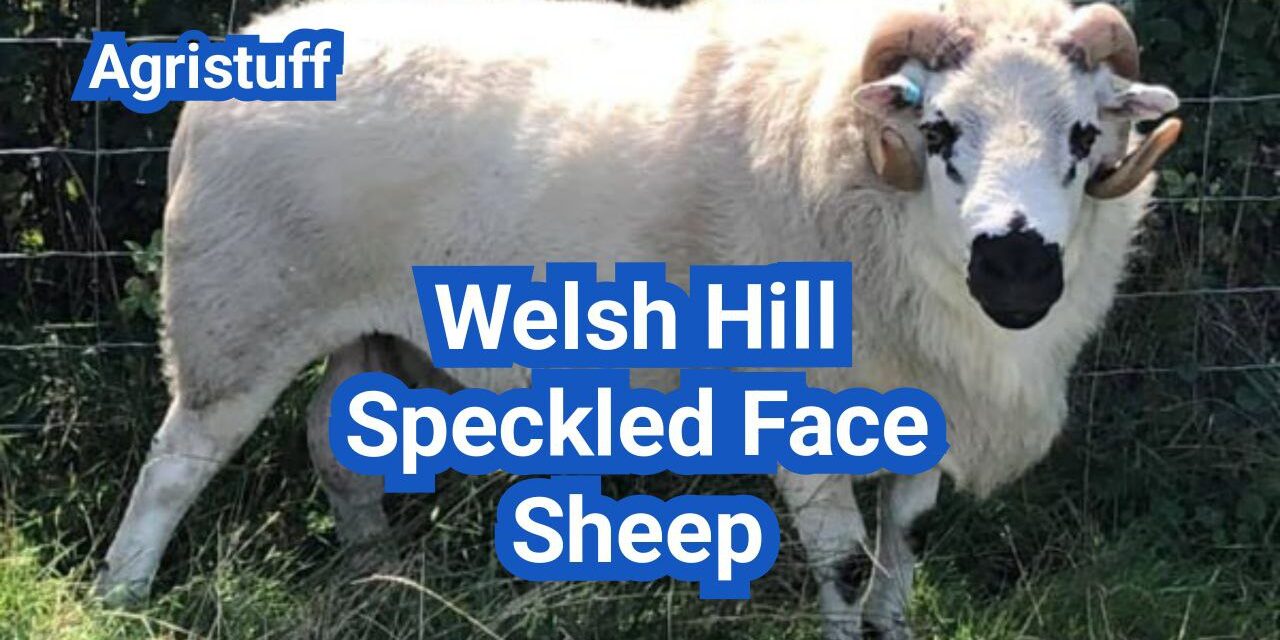
One of the most recognizable features of the Welsh Hill Speckled Face Sheep is its speckled face, which gives the breed its name. The face is typically white with black speckles, although the extent of the speckling can vary. This distinctive marking is a key identifier for the breed and is highly valued by breeders.
Body Structure and Size Standards
The Welsh Hill Speckled Face Sheep has a sturdy body structure, well-suited to its native hill environment. Ewes typically weigh between 40-60 kg, while rams can be significantly larger. The breed’s hardiness and robust build enable it to thrive in challenging conditions.
| Characteristic | Ewe | Ram |
|---|---|---|
| Weight (kg) | 40-60 | 60-80 |
| Height (cm) | 55-65 | 65-75 |
Wool Quality and Characteristics
The wool of the Welsh Hill Speckled Face Sheep is highly valued for its quality and characteristics. The fleece is typically white, with a coarse outer coat and a softer undercoat. The wool is used for a variety of textile products, including clothing and carpets.
Wool Characteristics:
- Coarse outer coat
- Soft undercoat
- White color
- Suitable for various textile products
Breed Standards and Recognition

Breed standards play a crucial role in defining the Welsh Hill Speckled Face Sheep, ensuring its unique features are preserved. These standards are essential for maintaining the breed’s integrity and promoting its agricultural value.
Official Classification and Breed Points
The Welsh Hill Speckled Face Sheep is classified within a specific breed category, characterized by its distinctive facial markings and robust body structure. The breed points include:
- Distinctive speckled face markings
- Strong, muscular build
- High-quality wool
- Hardiness and adaptability to hill environments
Breed points are crucial for evaluating the breed’s conformity to its standard. The points are used during breed competitions and registrations.
The Welsh Hill Speckled Face Sheep Society
The Welsh Hill Speckled Face Sheep Society is responsible for maintaining the breed standards and overseeing the registration process. The society ensures that breeders adhere to the established standards, thereby preserving the breed’s heritage.
Registration and Pedigree Requirements
Registration and pedigree requirements are stringent to maintain the breed’s purity and integrity. Breeders must provide detailed pedigree information and ensure that their sheep meet the breed standards.
| Registration Criteria | Description |
|---|---|
| Pedigree Information | Detailed ancestry records |
| Breed Conformity | Adherence to breed standards |
| Health Records | Vaccination and health history |
By maintaining rigorous registration and pedigree requirements, the Welsh Hill Speckled Face Sheep Society ensures the breed remains true to its heritage.
Comparing Welsh Hill Breeds
A comparison of Welsh Hill breeds reveals the Speckled Face Sheep’s distinct advantages. The rugged Welsh landscape has nurtured several hardy sheep breeds, each with unique characteristics. Understanding these differences is crucial for farmers, conservationists, and enthusiasts alike.
Welsh Mountain Sheep vs. Speckled Face
The Welsh Mountain Sheep and the Speckled Face Sheep share a common heritage but have distinct features. While both are hardy and adapted to the Welsh hills, the Speckled Face is known for its distinctive facial markings. The table below highlights key differences:
| Characteristic | Welsh Mountain Sheep | Speckled Face Sheep |
|---|---|---|
| Facial Markings | Variable, often without speckles | Distinctive speckled face |
| Size | Generally smaller | Robust, with a strong build |
| Wool Quality | Fine to medium wool | Medium wool quality |
Beulah Speckled Face and Kerry Hill Comparisons
The Beulah Speckled Face and Kerry Hill sheep are other notable breeds from Wales. The Beulah Speckled Face is known for its prolificacy and hardiness, while the Kerry Hill is recognized for its white face with black markings. Here’s a comparison:
- The Beulah Speckled Face is often larger and has a higher lambing percentage.
- The Kerry Hill has a distinctive white face with black points, differing from the Speckled Face’s random speckling.
Grey Face and Other Related Breeds
The Welsh Grey Face is another related breed, known for its hardiness and suitability for hill farming. While it has a more subdued coloration compared to the Speckled Face, it shares the robust characteristics of Welsh Hill breeds.
In conclusion, each of these breeds has its unique advantages and characteristics, making them suitable for different farming practices and conservation goals.
Adaptability and Hardiness Traits

The Welsh Hill Speckled Face Sheep is renowned for its exceptional adaptability and hardiness in challenging environments. This breed has evolved over centuries to thrive in the harsh conditions of the Welsh hills, developing traits that make it highly resilient.
Climate Tolerance and Terrain Adaptability
The Welsh Hill Speckled Face Sheep exhibits a remarkable ability to adapt to various climates and terrains. Their thick coats provide insulation against cold temperatures, while their agile nature allows them to navigate steep and rocky hill sides with ease.
Climate tolerance is a key factor in their adaptability, enabling them to withstand the unpredictable weather conditions often found in hill regions. This includes tolerance to rain, wind, and snow, making them well-suited to the variable climate of Wales.
Disease Resistance and Longevity
Another significant aspect of the Welsh Hill Speckled Face Sheep’s hardiness is its disease resistance. Through selective breeding, these sheep have developed a natural resistance to many diseases common in sheep, reducing the need for veterinary interventions.
Their longevity is also noteworthy, with many ewes remaining productive well into their later years. This longevity not only contributes to the economic viability of breeding programs but also allows for the development of strong, experienced ewes that can effectively care for their lambs.
Survival Skills in Harsh Environments
Welsh Hill Speckled Face Sheep have honed their survival skills over generations, adapting to the challenging conditions of their native habitats. Their ability to forage on poor-quality pasture and survive on limited nutrition is a testament to their hardiness.
These sheep are also adept at navigating difficult terrain, using their keen sense of balance and agility to avoid predators and find the best grazing areas. Their strong maternal instincts ensure that lambs are well cared for, even in harsh conditions.
How to Identify Welsh Hill Speckled Face Sheep
Identifying Welsh Hill Speckled Face Sheep requires a keen eye for their distinctive characteristics. This breed is renowned for its hardiness and unique appearance, making it a valuable asset in traditional Welsh agriculture.
Key Visual Markers for Identification
The Welsh Hill Speckled Face Sheep is characterized by its speckled face, which is a result of the breed’s genetic makeup. The face is typically white with black speckles, although the extent of the speckling can vary.
Other visual markers include:
- A robust body structure adapted to harsh hill environments
- A fleece that is dense and of high quality, providing excellent protection against the elements
- Ears that are medium in size and often carried horizontally
- A strong, straight or slightly convex profile
Temperament and Behavioral Characteristics
Welsh Hill Speckled Face Sheep are known for their hardy and active nature. They are well-adapted to the challenging conditions of hill farming and exhibit a strong instinct for survival.
“The hardiness of the Welsh Hill Speckled Face Sheep makes them an ideal choice for farmers operating in challenging hill environments.”
Their temperament is generally docile, although rams can be more aggressive during the breeding season. Ewes are known for their strong maternal instincts and ability to lamb without assistance.
Differences Between Rams and Ewes
There are several key differences between rams and ewes in the Welsh Hill Speckled Face Sheep breed:
| Characteristic | Rams | Ewes |
|---|---|---|
| Size and Musculature | Larger and more muscular | Smaller and less muscular |
| Horn Presence | Often with horns | Usually without horns or with smaller horns |
| Temperament | Can be more aggressive, especially during breeding season | Generally docile, with strong maternal instincts |
Understanding these differences is crucial for effective flock management and breeding programs.
Maternal Traits and Lambing Management
The Welsh Hill Speckled Face Sheep is renowned for its exceptional maternal traits, making it a prime choice for pasture-based lamb production. This breed’s strong maternal qualities are a cornerstone of its success in lambing management.
Hill Ewe Maternal Qualities
The Hill Ewe is known for its robust maternal instincts, which play a crucial role in the survival and health of lambs. Maternal care is a critical factor in the early stages of a lamb’s life, influencing not only its survival but also its future productivity.
“The maternal instinct of the ewe is a key factor in the success of lambing. A good mothering ability ensures that lambs are well-cared for from birth.”
The maternal traits of Welsh Hill Speckled Face Sheep include:
- Strong mothering instincts
- High milk production to nourish lambs
- Protective behavior towards lambs
Lambing Percentages and Survival Rates
Lambing percentages and survival rates are critical indicators of the success of a sheep breeding program. The Welsh Hill Speckled Face Sheep breed is known for its high lambing percentages and robust lamb survival rates.
| Flock Size | Lambing Percentage | Lamb Survival Rate |
|---|---|---|
| 100 ewes | 150% | 95% |
| 200 ewes | 140% | 92% |
| 500 ewes | 145% | 93% |
How to Manage Lambing Season
Effective lambing management is crucial for maximizing lamb survival rates and ensuring the overall health of the flock. Key strategies include:
- Monitoring ewes closely in the weeks leading up to lambing
- Providing adequate nutrition to pregnant ewes
- Ensuring a clean and safe lambing environment
- Assisting ewes during difficult births
By focusing on these aspects of lambing management, farmers can improve the outcomes for both ewes and lambs, contributing to the overall success of their flock.
Breeding Welsh Hill Speckled Face Sheep
Effective breeding practices are essential for the continuation of the Welsh Hill Speckled Face Sheep breed, focusing on quality stock and breeding cycles. Breeding Welsh Hill Speckled Face Sheep requires a comprehensive approach that includes selecting superior breeding stock, managing breeding seasons, and implementing genetic improvement strategies.
Selecting Quality Breeding Stock
The selection of quality breeding stock is a critical component of any breeding program for Welsh Hill Speckled Face Sheep. Key characteristics to consider include the sheep’s overall health, conformation, and genetic diversity. Farmers should prioritize animals with desirable traits such as hardiness, fertility, and good maternal qualities.
Breeding Seasons and Cycles
Understanding the breeding seasons and cycles of Welsh Hill Speckled Face Sheep is vital for successful breeding. The breeding season typically occurs in the autumn, with the exact timing varying depending on factors such as climate and geographical location. Farmers should be aware of the ewe’s estrous cycle and plan mating accordingly to maximize conception rates.
Genetic Improvement Strategies
Genetic improvement is a key objective of any breeding program. For Welsh Hill Speckled Face Sheep, this involves selecting for desirable traits such as improved fertility, growth rate, and disease resistance. Farmers can use various tools and techniques, including selective breeding, to enhance the genetic quality of their flock over time.
By focusing on these aspects, breeders can improve the overall quality and resilience of their Welsh Hill Speckled Face Sheep, ensuring the long-term viability of the breed.
Health Management Practices
Health management practices play a vital role in the overall health of Welsh Hill Speckled Face Sheep. Effective strategies are crucial for preventing diseases and parasites that can significantly impact the flock’s productivity and well-being.
Common Health Issues and Prevention
Welsh Hill Speckled Face Sheep are generally hardy, but they can be susceptible to certain health issues. Common problems include internal parasites, foot rot, and diseases preventable by vaccination. Regular monitoring and preventive measures are key to maintaining flock health.
Preventive Measures: Regular vaccinations, parasite control programs, and hoof care are essential preventive measures. Ensuring the flock has access to clean water, adequate nutrition, and appropriate shelter also plays a critical role in maintaining their health.
Parasite Control Methods
Parasite control is a critical aspect of health management for Welsh Hill Speckled Face Sheep. Effective methods include:
- Famacha scoring for sheep to monitor anemia caused by internal parasites.
- Fecal egg count (FEC) using the McMaster method to assess parasite burden.
- Strategic deworming programs tailored to the flock’s needs and parasite challenge.
CDT Vaccine Schedule and Foot Rot Control
Vaccination against Clostridial diseases is a crucial health management practice. The CDT vaccine protects against Clostridium perfringens type C and D, and Clostridium tetani.
| Vaccination Schedule | Dose | Booster Interval |
|---|---|---|
| Initial Vaccination | 2 doses, 4-6 weeks apart | – |
| Booster | Single dose | Annually or as recommended |
Foot rot control involves regular hoof inspection, trimming, and treatment of affected sheep. Isolating infected animals and maintaining clean living conditions are also crucial.
Implementing Pasture-Based Production Systems

The success of Welsh Hill Speckled Face Sheep farming largely depends on the effective implementation of pasture-based production systems. These systems not only enhance the welfare of the sheep but also contribute to sustainable agricultural practices.
One of the key strategies in pasture-based production is rotational grazing. This method involves moving sheep to different grazing areas to allow the pasture to recover, thereby maintaining its quality and quantity.
Setting Up Rotational Grazing for Welsh Hill Sheep
To set up a rotational grazing system, farmers should first assess their pasture land, dividing it into manageable sections or paddocks. The size of each paddock will depend on factors such as the number of sheep, pasture quality, and the duration of grazing intended for each section.
- Determine the carrying capacity of each paddock.
- Develop a grazing schedule that rotates sheep through the paddocks.
- Monitor pasture health and adjust the grazing schedule as necessary.
According to agricultural experts, “Rotational grazing is a powerful tool for improving pasture productivity and reducing environmental impact” (Source: National Sheep Association).
Pasture Management Best Practices
Effective pasture management is crucial for the success of a pasture-based production system. This includes maintaining soil fertility, controlling weeds, and ensuring adequate water supply.
| Management Practice | Benefits |
|---|---|
| Soil Testing and Fertilization | Enhances soil fertility, promoting healthy pasture growth. |
| Weed Control | Reduces competition for nutrients, benefiting desired pasture species. |
| Adequate Water Supply | Ensures sheep have access to clean water, improving overall health. |
Seasonal Grazing Considerations
Seasonal variations significantly impact pasture growth and quality. Farmers must adjust their grazing strategies accordingly.
For instance, during periods of rapid spring growth, farmers may need to increase the frequency of rotation to prevent overgrazing. Conversely, during dry summer months, reducing stocking rates or providing supplementary feed may be necessary.
By understanding and adapting to these seasonal changes, farmers can optimize their pasture-based production systems, ensuring the health and productivity of their Welsh Hill Speckled Face Sheep.
Commercial and Practical Uses

The Welsh Hill Speckled Face Sheep is a versatile breed with multiple commercial uses. Its adaptability and hardiness make it an valuable asset in various agricultural contexts.
Meat Production Qualities and Market Value
The breed is renowned for its high-quality meat production. The lambs are known for their tender meat, which is highly prized in the market. The meat production qualities of the Welsh Hill Speckled Face Sheep include:
- Rapid growth rate
- High carcass quality
- Desirable meat tenderness and flavor
These characteristics contribute to the breed’s market value, making it a preferred choice among farmers and consumers alike.
Wool Characteristics and Fiber Applications
In addition to meat production, the Welsh Hill Speckled Face Sheep is valued for its wool characteristics. The fleece is of high quality, with:
- Softness and fineness
- Good crimp and elasticity
- Durability and resistance to wear
The wool is used in various textile applications, including clothing, carpets, and other crafts. The fiber characteristics make it suitable for both traditional and modern manufacturing processes.
Conservation Grazing and Sustainable Agriculture
The Welsh Hill Speckled Face Sheep also plays a significant role in conservation grazing and sustainable agriculture. The breed’s hardiness and grazing habits make it an ideal choice for maintaining:
- Upland and marginal lands
- Biodiversity and ecosystem health
- Landscape management
By incorporating the Welsh Hill Speckled Face Sheep into farming systems, farmers can promote sustainable agriculture practices while maintaining productive and environmentally friendly operations.
The Welsh Mule: Strategic Crossbreeding

Crossbreeding programs involving Welsh Hill Speckled Face Sheep have resulted in the creation of the Welsh Mule, a crossbreed known for its hardiness and productivity. The Welsh Mule is a significant outcome of strategic crossbreeding, offering numerous benefits to sheep farmers.
Creating the Welsh Mule Ewe
The Welsh Mule ewe is produced by crossing a Welsh Hill Speckled Face ewe with a Bluefaced Leicester ram. This crossbreeding program aims to combine the hardiness and adaptability of the Welsh Hill Speckled Face Sheep with the prolificacy and milking ability of the Bluefaced Leicester. The result is a ewe that is not only robust but also highly productive.
Key Characteristics of Welsh Mule Ewes:
- High fertility rates
- Excellent mothering abilities
- Hardiness and resistance to diseases
- Prolificacy and high lambing percentages
Benefits of Crossbreeding Programs
Crossbreeding programs, such as the one that produces the Welsh Mule, offer several advantages to farmers. These include improved fertility, increased growth rates in lambs, and enhanced hardiness. The hybrid vigor resulting from crossbreeding leads to better overall performance and productivity.
“Crossbreeding is a powerful tool in sheep production, allowing farmers to combine the best traits of different breeds to create more resilient and productive animals.” –
Sheep Farming Expert
| Trait | Welsh Hill Speckled Face | Bluefaced Leicester | Welsh Mule |
|---|---|---|---|
| Fertility | High | Very High | Very High |
| Hardiness | Very High | Moderate | High |
| Growth Rate | Moderate | High | High |
Performance of Crossbred Lambs
Crossbred lambs, such as those produced by Welsh Mule ewes mated with terminal sire breeds, exhibit superior growth rates and are often more resilient to diseases. This results in higher quality lambs for meat production, benefiting farmers through increased market value.
The strategic use of crossbreeding programs like the one producing Welsh Mules is a testament to the innovative approaches in modern sheep farming. By leveraging the strengths of different breeds, farmers can achieve better outcomes in terms of productivity and animal health.
Welsh Hill Speckled Face Sheep in the United States

With a growing interest in diverse sheep breeds, the Welsh Hill Speckled Face Sheep has found a new home in America. This breed, known for its hardiness and distinctive appearance, has been introduced to the U.S. market, offering farmers a unique option for their flocks.
History of Importation
The importation of Welsh Hill Speckled Face Sheep to America is a relatively recent development, driven by the demand for robust and adaptable breeds. The process of importing these sheep involves navigating complex regulations and ensuring compliance with U.S. agricultural standards.
Importation Process: The importation process includes obtaining necessary permits, quarantining the animals, and ensuring they meet health and genetic diversity standards.
Current Population and Distribution
While the exact number of Welsh Hill Speckled Face Sheep in the U.S. is difficult to quantify due to the breed’s relatively recent introduction, there is a growing interest among farmers and breeders. The breed is primarily found in regions with suitable grazing land and climates that match their native Welsh environment.
“The introduction of the Welsh Hill Speckled Face Sheep to the U.S. market has been met with enthusiasm from farmers looking for hardy and versatile breeds.” – Sheep Breeding Expert
Importing Sheep Germplasm
Importing sheep germplasm, such as semen or embryos, is an alternative to bringing live animals into the country. This method can be more cost-effective and reduces the risk of disease transmission.
- Regulatory Compliance: Ensuring that all imports comply with USDA regulations.
- Genetic Diversity: Selecting germplasm that enhances the genetic diversity of the U.S. flock.
- Health Screening: Conducting thorough health screenings on the germplasm.
By understanding the regulations and processes involved, farmers and breeders can successfully introduce the Welsh Hill Speckled Face Sheep into their operations, benefiting from the breed’s unique characteristics.
The Future of Welsh Hill Speckled Face Sheep
The Welsh Hill Speckled Face Sheep breed has a rich history and unique characteristics that make it an important part of traditional Welsh agriculture. As discussed, the breed’s hardiness, adaptability, and maternal traits make it a valuable asset for farmers and conservationists alike.
Conservation efforts are crucial for the future of Welsh Hill Speckled Face Sheep. Livestock conservation efforts are necessary to preserve this heritage breed and its genetic diversity. By supporting conservation programs and promoting sustainable farming practices, we can ensure the long-term survival of this iconic breed.
The future of Welsh Hill Speckled Face Sheep depends on our ability to balance conservation with commercial viability. By leveraging the breed’s strengths in meat production, wool characteristics, and conservation grazing, farmers can maintain a profitable and sustainable business while preserving a piece of agricultural heritage.
FAQ
What is the origin of the Welsh Hill Speckled Face Sheep?
The Welsh Hill Speckled Face Sheep originated from the Welsh Mountain Sheep, with a history of breeding practices in Wales that date back centuries.
What makes the Welsh Hill Speckled Face Sheep unique?
The breed is known for its distinctive facial features, hardiness, and adaptability to harsh hill environments, making it a valuable part of traditional Welsh agriculture.
What are the characteristics of the Welsh Hill Speckled Face Sheep?
The breed is characterized by its speckled face, robust body structure, and high-quality wool, making it suitable for both meat and wool production.
How is the Welsh Hill Speckled Face Sheep used in commercial and practical applications?
The breed is used for its meat production qualities, wool characteristics, and role in conservation grazing and sustainable agriculture, making it a versatile and valuable breed.
What is the significance of the Welsh Mule in sheep breeding?
The Welsh Mule, a crossbreed involving the Welsh Hill Speckled Face Sheep, is valued for its maternal traits and is often used in crossbreeding programs to improve lambing percentages and survival rates.
How can I identify a Welsh Hill Speckled Face Sheep?
Identification can be made through key visual markers, including the breed’s distinctive facial features, body structure, and wool quality, as well as its temperament and behavioral characteristics.
What health management practices are essential for Welsh Hill Speckled Face Sheep?
Essential health management practices include parasite control methods, CDT vaccine schedules, and foot rot control measures to maintain the health and well-being of the flock.
How can I implement a pasture-based production system for Welsh Hill Speckled Face Sheep?
Implementing a pasture-based system involves setting up rotational grazing, managing pasture quality, and considering seasonal grazing needs to optimize the health and productivity of the flock.
Can Welsh Hill Speckled Face Sheep be imported to the United States?
Yes, it is possible to import Welsh Hill Speckled Face Sheep germplasm to the USA, but it requires adherence to specific regulations and protocols to ensure the health and safety of the imported animals.
What is the future of the Welsh Hill Speckled Face Sheep breed?
The future of the breed depends on conservation efforts, the preservation of its heritage, and its continued use in sustainable agriculture practices, ensuring its survival for generations to come.
Conclusion of: Welsh Hill Speckled Face Sheep Breed
Overview: What Makes the Welsh Hill Speckled Face Sheep Special
The Welsh Hill Speckled Face Sheep is a hardy, pasture-focused breed developed for tough hill conditions, and that “built for the uplands” background is exactly why many U.S. shepherds are curious about it today—especially anyone aiming for low-input lamb production, strong mothering, and a flock that can stay productive on forage rather than heavy grain.
In practical terms, Welsh Hill Speckled Face Sheep are often described as capable hill ewes that hold condition, raise lambs with minimal fuss, and keep working when weather and pasture aren’t perfect. Oklahoma State University: Welsh Hill Speckled Face Sheep profile
History and Origin: How the Welsh Hill Speckled Face Sheep Developed
The Welsh Hill Speckled Face Sheep traces back to Welsh hill farms where selection pressure was real: exposed ground, variable forage, and the need for a ewe that could rear a lamb reliably. Over time, producers refined a recognizable type—sound, thrifty, maternal—and organized breed efforts helped formalize what farmers were already selecting for in commercial hill systems.
When people talk about Welsh Hill Speckled Face Sheep history, they’re usually talking about function first: the breed’s reputation was earned through performance in the hills, not just appearance in the ring. National Sheep Association: Welsh Hill Speckled Face overview
Characteristics and Identification: The Look of the Welsh Hill Speckled Face Sheep
The Welsh Hill Speckled Face Sheep is easiest to recognize by its speckled facial markings—dark pigmentation and mottling that stands out against a white fleece—plus a sturdy frame meant for traveling uneven ground. Many descriptions highlight the breed’s strong feet and legs, alert expression, and practical build rather than extreme muscling.
For U.S. producers, the Welsh Hill Speckled Face Sheep “look” is more than aesthetics: clear identification can help with sorting groups, keeping records on crossbred daughters, and maintaining consistent breeding goals across seasons. OSU breed notes on Welsh Hill Speckled Face Sheep
Hardiness and Grazing Adaptation: Why Hill Genetics Matter in U.S. Pasture Systems
The Welsh Hill Speckled Face Sheep was shaped by hill grazing where weather, exposure, and forage quality can shift quickly, so the breed reputation often centers on resilience and thriftiness. In many U.S. regions—hilly pasture in the Northeast, Appalachians, Upper Midwest, or wet shoulder seasons in the Pacific Northwest—Welsh Hill Speckled Face Sheep genetics can match well with grazing systems that reward animals that keep moving, keep eating, and keep performing.
If your farm goal is to make pasture do the heavy lifting, Welsh Hill Speckled Face Sheep can fit that “forage-first” mindset nicely. USDA NRCS: grazing and conservation support by state
Temperament and Maternal Traits: The “Hill Ewe” Job Description
For most flocks, Welsh Hill Speckled Face Sheep are judged as mothers first: easy lambing, strong bonding, good milk, and lambs that get up and nurse quickly. Breed summaries commonly describe Welsh Hill Speckled Face Sheep as alert and active—traits that make sense for hill country—yet still workable in well-designed handling setups.
In U.S. pasture-based operations, maternal reliability is money: fewer interventions at lambing, fewer orphan situations, and better lamb survival when the weather turns. Welsh Hill Speckled Face Sheep are often chosen because they’re expected to “get the job done” with less drama. NSA: breed traits and commercial use
Wool and Shearing: Fleece Notes for the Welsh Hill Speckled Face Sheep
The Welsh Hill Speckled Face Sheep carries a white fleece that’s generally handled as a practical hill fleece, and its value depends heavily on management—clean pasture, good bedding, and calm handling at shearing time. If you sell fleeces to handspinners, Welsh Hill Speckled Face Sheep wool can become a nice “extra stream” when you focus on low contamination and good skirting.
Even if wool isn’t the main income on your farm, Welsh Hill Speckled Face Sheep still benefit from thoughtful shearing prep because it supports animal comfort, parasite control, and easier warm-season management. Ohio State University: sheep management resources
Meat Value and Growth: Where the Welsh Hill Speckled Face Sheep Can Fit
In the U.S., many producers care most about pounds of lamb sold, and Welsh Hill Speckled Face Sheep are often framed as a breed that contributes through ewe efficiency—fertility, mothering, and forage conversion—rather than being a dedicated “terminal” meat breed.
That distinction matters: a Welsh Hill Speckled Face Sheep ewe that consistently weans a solid lamb on pasture can outperform a higher-growth option if it needs more feed or more labor. If you’re building a grass-based lamb program, Welsh Hill Speckled Face Sheep can help you keep costs predictable and production steady across seasons. USDA ERS: U.S. sheep and lamb sector information
Crossbreeding and Commercial Uses: Getting More Value from Welsh Hill Speckled Face Sheep
The Welsh Hill Speckled Face Sheep is frequently discussed as a strong maternal foundation for crossbreeding because the traits you want in a commercial ewe—soundness, thriftiness, and lamb-raising ability—compound over time. In many systems, Welsh Hill Speckled Face Sheep ewes (or daughters with similar hill-ewe traits) are paired with rams chosen for your market goals, whether that’s faster growth, carcass traits, or a specific lambing window.
In U.S. flocks, this “maternal base + targeted sire” approach often makes more business sense than trying to force one breed to do everything. OSU: Welsh Hill Speckled Face Sheep and production notes
Reproduction and Breeding Season: Planning the Welsh Hill Speckled Face Sheep Calendar
Like most sheep, Welsh Hill Speckled Face Sheep tend to be seasonal breeders influenced by day length, so your biggest opportunity is planning: choose a lambing date that fits your forage curve and your marketing goals, then count backward for breeding, flushing, and health work.
Welsh Hill Speckled Face Sheep can do well in pasture systems when you keep breeding simple and consistent—sound rams, good body condition, and a clear plan for how tight you want your lambing season. A predictable lambing window also helps U.S. producers manage labor, pasture allocation, and lamb health more efficiently. University of Missouri Extension: breeding season management for sheep
Pre-Breeding Preparation: Rams, Ewes, and Welsh Hill Speckled Face Sheep Results
Strong Welsh Hill Speckled Face Sheep performance starts before the ram ever goes in, because pre-breeding management is where you prevent “silent losses” like open ewes or late lambing. Start with body condition scoring, fix feet issues early, and make sure nutrition is steady enough to support cycling.
For the Welsh Hill Speckled Face Sheep ram, don’t assume he’s ready just because he looks good: soundness, feet and legs, and a realistic breeding load matter, especially in large pastures. When you treat breeding like a planned season instead of a hope-and-pray event, Welsh Hill Speckled Face Sheep can show their best traits. Missouri Extension: practical breeding-season checklist
Nutrition Strategies: Flushing and Body Condition in Welsh Hill Speckled Face Sheep
The Welsh Hill Speckled Face Sheep is often chosen for thriftiness, but “thrifty” doesn’t mean “no nutrition plan”—it means you can win by timing nutrition instead of feeding expensive inputs all year. Flushing (a short-term bump in energy before and during early breeding) can help improve conception and lambing outcomes, and Welsh Hill Speckled Face Sheep can respond well when you match that flush to high-quality pasture or a carefully controlled supplement.
The goal isn’t to overfeed; it’s to keep Welsh Hill Speckled Face Sheep in the sweet spot where fertility, lamb vigor, and ewe longevity all improve together. SDSU Extension: breeding-season nutrition in sheep flocks
Minerals and Water: Small Inputs that Protect Welsh Hill Speckled Face Sheep Performance
Mineral management is one of the most common “small mistakes, big consequences” areas in U.S. sheep production, and Welsh Hill Speckled Face Sheep are no exception. Sheep need a sheep-appropriate mineral program, consistent intake, and awareness of regional differences (for example, selenium needs and copper sensitivity concerns).
Welsh Hill Speckled Face Sheep that look “off” or underperform sometimes aren’t suffering from a mystery disease—sometimes they’re simply missing key nutrients or not consuming mineral consistently. Clean, reliable water also supports intake, milk production, and growth, making it a simple but powerful management lever. SDSU Extension: mineral considerations for sheep
Housing, Handling, and Fencing: Setting Up Welsh Hill Speckled Face Sheep for Low-Stress Work
Even when Welsh Hill Speckled Face Sheep are managed mostly on pasture, good infrastructure keeps animals healthier and makes your day easier. The basics are simple: a dry place to get out of wind and driving rain, shade for heat, and a handling setup that lets you work calmly for foot checks, vaccinations, and sorting.
Many U.S. farms also plan fencing and predator strategy together, because a hardy ewe still needs protection from local pressure. Welsh Hill Speckled Face Sheep tend to do best when your system reduces stress—less chasing, fewer injuries, and more time eating pasture. USDA NRCS: prescribed grazing guidance
Lambing and Newborn Care: Setting Up Welsh Hill Speckled Face Sheep for Success
Even with a capable mother, Welsh Hill Speckled Face Sheep lambing success improves when you plan the last month of pregnancy: steady nutrition, clean and dry areas, and a realistic monitoring schedule based on your system (barn, paddock, or a mix). Welsh Hill Speckled Face Sheep lambs benefit from quick access to high-quality colostrum, and your job is to remove obstacles—cold stress, mismothering, or overcrowded lambing areas.
A practical U.S. step is timing late-gestation management (including health planning with your veterinarian) so ewes deliver strong lambs and you avoid preventable losses in the first 48 hours. AVMA: basic newborn farm animal care concepts
Parasite Control: Modern Monitoring for Welsh Hill Speckled Face Sheep on Pasture
Because most U.S. pasture systems create parasite exposure, Welsh Hill Speckled Face Sheep owners do best with monitoring-based parasite control instead of automatic “calendar deworming,” which can speed up drug resistance. A key tool is fecal egg counting, which helps you understand pasture pressure, identify high-shedding animals, and check whether your dewormer is still working.
Welsh Hill Speckled Face Sheep can thrive under rotational grazing, but parasites are still part of reality, especially in warm, wet periods. When you make decisions based on data, you protect both Welsh Hill Speckled Face Sheep performance and the long-term usefulness of your dewormers. UF/IFAS EDIS: fecal egg counts (McMaster method)
Targeted Deworming with FAMACHA: A Practical Add-On for Welsh Hill Speckled Face Sheep
In many regions, Welsh Hill Speckled Face Sheep producers use FAMACHA as an additional decision tool—especially where barber pole worm is common—because it supports selective treatment instead of blanket deworming. The idea is straightforward: you score eyelid color, combine it with body condition and growth observations, and treat only the sheep that truly need it.
Welsh Hill Speckled Face Sheep flocks can benefit because this approach often helps you identify the most parasite-resilient ewes to keep long-term, which improves your flock genetics and reduces medication use over time. Used correctly, FAMACHA can be a practical part of an integrated parasite plan. University of Rhode Island: FAMACHA resources and training
Foot Health and Lameness Prevention: Protecting Welsh Hill Speckled Face Sheep in Wet Seasons
The Welsh Hill Speckled Face Sheep has a reputation for soundness, but U.S. mud seasons and high-traffic areas can still cause foot problems if management slips. The best approach is prevention: quarantine new sheep, keep gateways and feed areas as dry as possible, inspect feet routinely, and respond quickly to early lameness.
Welsh Hill Speckled Face Sheep that become lame don’t just “walk funny”—they eat less, lose condition, and may rebreed poorly, which turns a foot problem into a production problem. Treat foot health as a flock-level priority and you protect both welfare and profit. OSU Extension: foot rot control in sheep
Vaccination and Routine Health Plan: Building Consistency for Welsh Hill Speckled Face Sheep
A basic vaccination program is a low-cost insurance policy for Welsh Hill Speckled Face Sheep, particularly in pasture systems where stress events (weather swings, diet shifts, weaning) can increase risk for clostridial disease.
Many U.S. flocks build their plan around clostridial vaccination such as CDT, then coordinate timing around late gestation and lamb handling so protection lines up with real risk. Welsh Hill Speckled Face Sheep health plans work best when they’re consistent: you write dates down, follow label directions, and adjust with your veterinarian for your region. A repeatable routine is what turns “good intentions” into better lamb survival. Mississippi State University Extension: CDT vaccination guidance
Recordkeeping and Selection: Improving Welsh Hill Speckled Face Sheep Over Time
If you want Welsh Hill Speckled Face Sheep to become a true profit center, recordkeeping is your quiet superpower: track lambing outcomes, weaning weights, parasite notes (FEC or FAMACHA scores), feet issues, and which ewes consistently raise good lambs without extra help. Welsh Hill Speckled Face Sheep are often valued for functional traits, and functional traits become much clearer when you write them down instead of relying on memory.
Over time, even simple records help you cull smarter, select replacements more confidently, and match rams to goals with less guessing. That’s how Welsh Hill Speckled Face Sheep move from “interesting breed” to “better business.” USDA National Agricultural Library: animal production resources
Bringing the Breed to the U.S.: Sourcing Welsh Hill Speckled Face Sheep and Staying Compliant
If you want Welsh Hill Speckled Face Sheep genetics in the U.S., plan early and think in terms of compliance, animal health, and traceability—not just price and availability. Because the breed is far more common in the UK than in North America, sourcing can involve specialty breeders, imported germplasm, or careful networking, and any importing must follow U.S. animal health rules.
Welsh Hill Speckled Face Sheep owners should also be prepared for identification and movement requirements that support traceability programs. When you treat sourcing as a long-term genetic investment with a paperwork plan, you reduce surprises and protect your herd health. USDA APHIS: sheep/goat and germplasm import requirements
Marketing in the U.S.: Turning Welsh Hill Speckled Face Sheep into Farm Income
Marketing Welsh Hill Speckled Face Sheep successfully in the U.S. starts with choosing your lane: feeder lambs, finished lamb direct-to-consumer, breeding stock, or a mixed model that includes wool sales. The Welsh Hill Speckled Face Sheep story can be a real advantage because customers respond to clear farm narratives—pasture-based care, practical animal welfare, and consistent product quality—especially when you communicate clearly and deliver reliably.
Even if you sell through traditional channels, it helps to stay aware of market trends and seasonal movement so you can plan finishing and selling windows more strategically. Welsh Hill Speckled Face Sheep profitability usually comes from doing the basics well and matching production to the right market. American Sheep Industry Association: market information
Final thought
If you want a ewe that can work for a living, the Welsh Hill Speckled Face Sheep is compelling because it was shaped by real hill-country demands—soundness, thriftiness, and practical mothering—traits that also matter in many U.S. pasture systems.
The Welsh Hill Speckled Face Sheep will reward you most when you match the genetics with good grazing, targeted parasite control, and a simple but consistent health routine, because “hardy” doesn’t mean “hands-off”—it means you start from a stronger foundation. If you’re considering Welsh Hill Speckled Face Sheep, think long-term: start with your forage plan and your market goals, then choose the breeding strategy that fits your farm instead of forcing your farm to fit a trend. USDA NRCS: prescribed grazing fundamentals
Sources & References
Below are authoritative references to support further research on Welsh Hill Speckled Face Sheep, with an emphasis on university, association, and U.S. government resources.
- Oklahoma State University: sheep breed resources
- Oklahoma State University — Welsh Hill Speckled Face Sheep
- Defaid Penfrith Bryniau CymruWelsh Hill Speckled Face Sheep
- Welsh Hill Speckled Face Sheep – Farmow
- Welsh Hill Speckled Face · Sheep – creatures.com
- Beulah Speckled Face – Wikipedia
- USDA ERS — Sheep, Lamb & Mutton
- USDA APHIS — Importing Sheep/Goats and Germplasm
- University of Missouri Extension — Breeding Season Management
- SDSU Extension — Breeding Season Nutrition
- SDSU Extension — Mineral Considerations for Sheep
- University of Rhode Island — FAMACHA
- Oklahoma State University Extension — Foot Rot Control
- American Sheep Industry Association — Market Info