
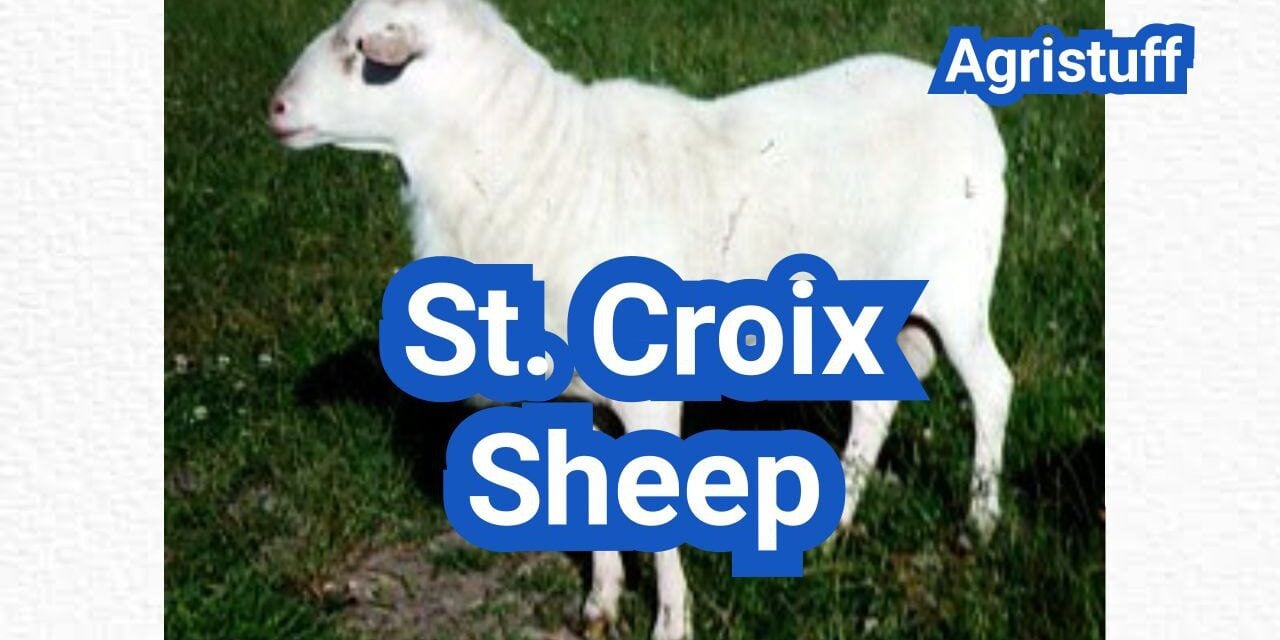
The St. Croix Sheep is a unique breed with a rich history, originating from the Caribbean Hair sheep family. Hair sheep are believed to have originated from West Africa and were brought to the Americas in the 1500s as a food source on slave ships.
This breed has adapted to various environments and is known for its hardiness and resistance to diseases. The St Croix Sheep is an important part of North American sheep breeds, with a distinct history and characteristics that set it apart from other sheep breeds.
Key Takeaways
- St. Croix Sheep originated from the Caribbean Hair sheep family.
- Hair sheep were brought to the Americas from West Africa in the 1500s.
- The breed is known for its hardiness and disease resistance.
- St. Croix Sheep have adapted to various environments.
- The breed is an important part of North American sheep breeds.
The Story Behind St. Croix Sheep
The history of St. Croix Sheep is deeply intertwined with their Caribbean origins. This breed has a unique background that spans centuries, influenced by various factors including geographical location and breeding practices.
Caribbean Roots: The Virgin Islands Connection
The St. Croix Sheep breed originated in the Caribbean, specifically in the Virgin Islands. The breed’s early history is linked to the importation of West African hair sheep, which were then crossed with European wool-sheep breeds. This cross-breeding resulted in a hardy, adaptable sheep breed well-suited to the tropical climate of the Caribbean.
Development of the Virgin Island White Sheep
The development of the Virgin Island White Sheep, another name for the St. Croix Sheep, was influenced by the geographical and climatic conditions of the Virgin Islands. The breed became known for its white coat, although they can also be found in other colors. The Virgin Island White Sheep were prized for their hardiness and ability to thrive in challenging environments.
| Characteristics | Description |
|---|---|
| Origin | Caribbean, specifically the Virgin Islands |
| Early Breeding Practices | Crossing West African hair sheep with European wool-sheep breeds |
| Notable Features | Hardiness, adaptability, and resistance to parasites |
Introduction to the United States
In 1975, Dr. Warren Foote of Utah State University imported 22 ewes and three rams from St. Croix in the Virgin Islands to the United States. This importation marked the beginning of the St. Croix Sheep breed’s presence in the U.S. and paved the way for their development as a significant breed in American sheep farming.
The introduction of St. Croix Sheep to the U.S. was significant due to their unique characteristics, such as parasite resistance and hardiness. These traits made them an attractive option for farmers looking for low-maintenance, high-quality sheep breeds.
St. Croix Sheep: Breed Overview and Significance
The St. Croix Sheep breed has gained recognition for its exceptional hardiness and parasite resistance. This breed is known for its high fertility and ease of handling, making it a popular choice among farmers. Originating from the Caribbean, specifically from the Virgin Islands, St. Croix Sheep have evolved into a robust breed suitable for various climates.
What Makes St. Croix Sheep Unique
St. Croix Sheep are distinguished by several unique characteristics. Their parasite resistance is one of their most significant advantages, reducing the need for chemical treatments and making them ideal for organic farming practices. Additionally, they are known for their high fertility rates, with ewes often lambing twice a year and producing multiple lambs per birth.
The breed’s hardiness in hot and humid climates is another notable feature. St. Croix Sheep are well-adapted to tropical environments, making them suitable for farming in regions where other breeds might struggle.
Why They’re Called the “Blue Bloods of the Sheep World”
The term “Blue Bloods” is associated with St. Croix Sheep due to their purebred lineage and the high value placed on their genetic quality. This nickname reflects their status as a superior breed, known for their robustness and high reproductive efficiency.
Their “blue blood” status is also a testament to their historical significance and the careful breeding practices that have maintained their genetic integrity over generations.
St. Croix Hair Sheep International Organization
The St. Croix Hair Sheep International Organization plays a crucial role in promoting and preserving the breed. This organization is dedicated to maintaining breed standards, supporting breeders, and disseminating information about the benefits and characteristics of St. Croix Sheep.
By providing a platform for breeders to share knowledge and resources, the organization helps to ensure the continued success and growth of St. Croix Sheep farming worldwide.
Physical Characteristics and Identification
Understanding the physical characteristics of St. Croix Sheep is crucial for identification and plays a significant role in their breed identity. These characteristics not only distinguish them from other breeds but also contribute to their adaptability and productivity.
Size and Weight Expectations
St. Croix Sheep are known for their medium size. Mature ewes typically weigh between 120-150 lbs, while rams are generally larger, weighing around 165-200 lbs. This size range makes them suitable for various farming operations, from small-scale to commercial production.
Distinctive Features and Appearance
One of the distinctive features of St. Croix Sheep is their appearance. They have a smooth coat during the summer months, which helps them withstand hot climates. In contrast, they develop a thicker coat during the winter to keep warm. Their overall appearance is characterized by:
- A muscular build, indicating their hardiness and adaptability.
- A typical hair sheep appearance, lacking the woolly coat common in other breeds.
- Variability in color, although they are often white or have white markings.
Hair Coat Properties
The hair coat of St. Croix Sheep is one of their defining features. Unlike wool sheep, St. Croix Sheep have a hair coat that sheds seasonally. This characteristic reduces their need for shearing and makes them more resistant to certain environmental stresses. The properties of their hair coat include:
- A smooth, glossy texture that helps protect them from the elements.
- Seasonal shedding, which aids in temperature regulation.
- Resistance to matting and tangling, making grooming easier.
In summary, the physical characteristics of St. Croix Sheep, including their size, weight, and hair coat properties, are essential for their identification and contribute to their popularity among farmers.
Temperament and Behavior Traits
St. Croix Sheep exhibit a unique blend of docility and hardiness, making them an attractive breed for various farming operations. Their temperament is a crucial factor in their popularity among sheep breeders.
Typical St. Croix Sheep Personality
St. Croix Sheep are known for their calm and gentle disposition. They are generally easy to handle, which makes them suitable for farmers of all experience levels. Their docile nature also contributes to a stress-free farming environment.
The breed’s personality is characterized by a strong flocking instinct, which means they tend to stay together, making it easier for farmers to manage them. This trait is particularly beneficial for rotational grazing systems.
Ewe Temperament and Mothering Abilities
Ewes of the St. Croix breed are renowned for their excellent mothering abilities. They are protective of their lambs and have a strong maternal instinct, ensuring the lambs’ health and well-being. The St. Croix Sheep ewe temperament is generally calm and nurturing, which is crucial for the survival and thriving of the lambs.
- High fertility rates
- Strong mothering instincts
- Protective nature towards lambs
Their lambing rate is also noteworthy, with many ewes able to produce multiple lambs per year. This high reproductive rate is one of the reasons St. Croix Sheep are valued for their productivity.
Ram Behavior and Management Considerations
Rams of the St. Croix breed play a crucial role in the breeding program. Their behavior can be assertive during the breeding season, and they are known to be vigorous and effective breeders. Proper management of rams is essential to maintain a healthy and productive flock.
- Monitor ram behavior during the breeding season
- Ensure rams are healthy and well-nourished
- Rotate rams periodically to maintain genetic diversity
Understanding and managing ram behavior is vital for successful breeding outcomes. Farmers should be aware of the St. Croix Sheep breeding season and plan accordingly to maximize the breed’s reproductive potential.
The Remarkable Parasite Resistance Advantage
With their inherent resistance to parasites, St. Croix Sheep offer a promising solution for farmers seeking to adopt more sustainable and environmentally friendly practices. This characteristic is particularly valuable in the context of increasing concerns over parasite resistance to chemical treatments and the need for more organic farming methods.
Natural Immunity to Internal Parasites
St. Croix Sheep are known for their natural immunity to internal parasites, a trait that has been observed and documented in various studies. This innate resistance is believed to be part of their genetic makeup, developed over generations of breeding in environments where parasite pressure is high.
Key factors contributing to their natural immunity include:
- Genetic predisposition
- Adaptation to tropical and subtropical environments
- Evolutionary history in regions with high parasite loads
Scientific Research on St. Croix Parasite Resistance
Several studies have investigated the parasite resistance of St. Croix Sheep, comparing them to other breeds. Research has shown that St. Croix Sheep consistently demonstrate lower parasite burdens and a reduced need for antiparasitic treatments.
“The St. Croix breed has been shown to be more resistant to internal parasites than many other sheep breeds, making it an attractive option for farmers looking to reduce their reliance on chemical parasite control methods.” –
Journal of Animal Science
Benefits for Sustainable and Organic Farming
The parasite resistance of St. Croix Sheep has significant benefits for sustainable agriculture and organic farming systems. By reducing the need for chemical parasite control, farmers can lower their production costs and minimize their environmental impact.
The advantages include:
- Reduced use of antiparasitic drugs, leading to less risk of drug resistance
- Lower production costs due to fewer treatments and veterinary interventions
- Improved animal welfare through reduced parasite burdens
- Enhanced marketability of products as “organic” or “sustainably produced”
How to Breed St. Croix Sheep Successfully

The key to successful St. Croix sheep breeding lies in understanding their unique reproductive characteristics. St. Croix ewes are known for their ability to breed year-round, which allows for flexible lambing schedules.
Understanding the Breeding Season and Cycles
St. Croix sheep are not seasonally restricted in their breeding, meaning they can be bred at any time of the year. This characteristic allows farmers to plan for two lamb crops in a single year, potentially increasing productivity.
Breeding cycles in St. Croix ewes are typically influenced by factors such as nutrition, health, and management practices. Ensuring that ewes are in optimal condition can help maintain regular cycles.
Reproductive Rates and Gestation Period
St. Croix sheep are renowned for their high reproductive rate. Ewes can lamb at 12 months of age, and with proper management, they can produce two lamb crops per year. The gestation period for St. Croix sheep is approximately 150 days, similar to other sheep breeds.
The lambing rate is a critical factor in the overall productivity of a St. Croix sheep flock. With proper care and management, St. Croix ewes can achieve high lambing percentages, making them a profitable choice for breeders.
Lambing Process and Management
The lambing process in St. Croix sheep is generally straightforward, with ewes known for their strong mothering abilities. However, proper management during lambing is crucial to ensure the health and survival of both the ewe and the lamb.
Key aspects of lambing management include providing a clean and safe lambing environment, monitoring ewes during labor, and ensuring that newborn lambs receive adequate colostrum.
Reproductive Lifespan and Productivity of St. Croix Ewes
St. Croix ewes are known for their extended reproductive lifespan. With good management, they can remain productive for many years, providing a significant return on investment for breeders.
The productivity of St. Croix ewes, in terms of lambing rate and longevity, makes them an attractive choice for sheep breeding programs. Their ability to thrive in various conditions adds to their value.
Essential Care Guidelines for Raising Healthy Flocks
To keep your St. Croix Sheep flock healthy and thriving, it’s crucial to understand their specific care requirements. Proper care encompasses several key areas, including housing, nutrition, health management, and stocking rates.
Housing Requirements and Setup
Adequate housing is vital for protecting your St. Croix Sheep from extreme weather conditions and predators. The shelter should be well-ventilated, dry, and draft-free. Consider the size of your flock when determining the housing space; a general rule of thumb is to provide at least 15-20 square feet per sheep.
Key considerations for housing include:
- Durable construction to withstand various weather conditions
- Adequate ventilation to prevent respiratory issues
- Easy cleaning and maintenance to ensure hygiene
- Protection from predators through secure fencing and locking systems
Feeding and Nutrition Programs
St. Croix Sheep are known for their ability to thrive on low-quality forage, but a balanced nutrition program is still essential. High-quality hay, grass, and minerals should be provided to meet their nutritional needs. It’s also important to ensure access to clean water at all times.
Nutritional considerations include:
- Providing a diet rich in fiber
- Ensuring adequate mineral supplementation
- Monitoring body condition to adjust feeding as necessary
- Avoiding overfeeding, which can lead to obesity and related health issues
Health Management Protocols
Effective health management is critical for maintaining a healthy flock. Regular monitoring for signs of illness or stress, along with preventative measures such as vaccinations and parasite control, can help mitigate health risks.
Health management strategies include:
- Regular veterinary check-ups
- Implementing a parasite control program
- Vaccinating against common diseases
- Maintaining accurate health records for each animal
Stocking Rates: Determining How Many Sheep Per Acre
Stocking rates are crucial for maintaining pasture health and preventing overgrazing. The ideal stocking rate depends on factors such as pasture quality, climate, and the size and quality of your sheep.
Factors to consider when determining stocking rates:
- Pasture carrying capacity
- Sheep breed and size
- Climate and weather conditions
- Management practices, such as rotational grazing
By carefully managing these aspects, you can create a thriving environment for your St. Croix Sheep, ensuring their health and productivity.
Effective Pasture Management Techniques
For St. Croix Sheep farmers, implementing effective pasture management techniques is key to maintaining a healthy and productive flock. St. Croix Sheep are well-suited for pasture-raised systems due to their hardiness and parasite resistance.
Implementing Rotational Grazing Systems
Rotational grazing is a crucial strategy for maintaining pasture health and optimizing sheep productivity. By dividing pastures into smaller sections and rotating the flock, farmers can prevent overgrazing and allow for adequate regrowth of forage.
This method not only improves pasture quality but also enhances the overall health of the flock by reducing the risk of parasite infestation. Rotational grazing can be particularly beneficial for St. Croix Sheep, as it aligns with their natural grazing behavior.
Electric Fencing Options and Installation
Electric fencing is an essential tool for implementing rotational grazing systems. It allows farmers to easily divide pastures into manageable sections and move the flock as needed. When selecting electric fencing, consider the type of wire or tape that will be most effective for containing St. Croix Sheep.
Proper installation is critical to ensure the effectiveness of the fencing. This includes setting up corner posts, using insulators, and maintaining adequate power supply to the fence line.
Strategies for Managing Internal Parasites in Pastures
Managing internal parasites is a significant challenge in sheep pasture management. St. Croix Sheep are known for their parasite resistance, but it’s still important to implement strategies to minimize parasite loads in pastures.
- Rotate pastures regularly to break the parasite life cycle.
- Maintain appropriate stocking rates to avoid overgrazing.
- Use electric fencing to create temporary grazing areas.
- Monitor flock health regularly for signs of parasite infestation.
By combining these strategies with the natural parasite resistance of St. Croix Sheep, farmers can effectively manage internal parasites and maintain healthy pastures.
Commercial Uses and Market Potential
St. Croix Sheep offer a range of commercial opportunities, from meat and milk production to vegetation control. Their versatility makes them an attractive option for farmers and land managers looking to diversify their operations.
Meat Production Quality and Characteristics
The meat of St. Croix Sheep is known for its tenderness and mild flavor, making it a sought-after product in many markets. The breed’s ability to produce high-quality meat is due in part to its genetic makeup and growth rate.
Key Characteristics of St. Croix Sheep Meat:
- Tender and lean
- Mild flavor profile
- Quick growth rate
| Characteristic | Description | Benefit |
|---|---|---|
| Tenderness | Meat is known for being tender | Enhances consumer satisfaction |
| Flavor Profile | Mild flavor | Appeals to a wide range of consumers |
| Growth Rate | Quick growth to market weight | Reduces production costs |
Milk Production Possibilities
While not as widely known for milk production as some other breeds, St. Croix Sheep can be used for dairy purposes. Their milk production capabilities make them a versatile choice for farmers interested in diversifying their products.
Land Management and Vegetation Control Applications
St. Croix Sheep are effective for land management due to their grazing habits. They can be used for vegetation control, helping to maintain open spaces and reduce the risk of wildfires by controlling underbrush.
Benefits for Land Management:
- Effective vegetation control
- Reduced need for mechanical clearing
- Potential for reduced fire risk
St. Croix vs. Other Hair Sheep Breeds

St. Croix sheep are often compared to Katahdin sheep due to their similarities and differences in characteristics. Both are popular hair sheep breeds known for their hardiness and productivity. However, there are distinct differences between them that can make one more suitable than the other depending on the farmer’s needs and preferences.
Detailed St. Croix vs. Katahdin Comparison
When comparing St. Croix and Katahdin sheep, several factors come into play, including their origin, physical characteristics, reproductive performance, and parasite resistance.
Origin and History: St. Croix sheep originated from the Virgin Islands, bred for their heat tolerance and hardiness. Katahdin sheep, on the other hand, were developed in Maine, USA, by crossing Suffolk ewes with hair sheep rams of Caribbean origin.
Physical Characteristics: Both breeds are known for their hair coat, but St. Croix sheep tend to be smaller and have a more refined bone structure compared to Katahdin sheep.
| Characteristic | St. Croix Sheep | Katahdin Sheep |
|---|---|---|
| Origin | Virgin Islands | Maine, USA |
| Size | Generally smaller | Larger than St. Croix |
| Parasite Resistance | Highly resistant | Resistant, but variable |
| Reproductive Performance | High fertility | Good fertility, but can be variable |
Advantages Over Traditional Wool Sheep Breeds
St. Croix sheep, like other hair sheep breeds, offer several advantages over traditional wool sheep breeds, particularly in terms of lower maintenance due to their shedding ability and resistance to parasites.
Lower Maintenance: Hair sheep breeds like St. Croix do not require shearing, reducing labor costs and the need for shearing equipment.
Parasite Resistance: St. Croix sheep are known for their high resistance to internal parasites, a trait that is highly beneficial in reducing the need for deworming treatments and maintaining overall flock health.
St. Croix Katahdin Cross: Benefits and Performance Characteristics
Crossbreeding St. Croix with Katahdin sheep can result in offspring that combine the beneficial traits of both breeds, such as improved parasite resistance and fertility.
Hybrid Vigor: The cross between St. Croix and Katahdin can exhibit hybrid vigor, resulting in improved growth rates and overall performance.
By understanding the characteristics and benefits of St. Croix sheep in comparison to other breeds like Katahdin, farmers can make informed decisions about their breeding programs and flock management practices.
How to Start Your Own St. Croix Sheep Flock
Starting a St. Croix Sheep flock requires careful planning and research to ensure success. This breed has gained popularity due to its hardiness and parasite resistance, making it an attractive choice for many farmers. To begin, it’s essential to understand the key factors involved in establishing a thriving St. Croix Sheep operation.
Selecting Quality Breeding Stock: What to Look For
When selecting breeding stock, look for animals with good conformation, structural correctness, and overall health. High-quality breeding stock is crucial for the success of your flock. Consider factors such as:
- Age and reproductive history of ewes
- Genetic diversity to avoid inbreeding
- Resistance to parasites
- Growth rate and muscling in lambs
Visiting farms and observing the sheep in person can provide valuable insights into their health and temperament. It’s also beneficial to ask breeders about their selection criteria and breeding programs.
Price Expectations and Budget Planning
The cost of St. Croix Sheep can vary significantly based on factors such as location, breeder reputation, and the quality of the animals. On average, you can expect to pay between $150 to $500 per head, with breeding stock typically costing more than market lambs. When planning your budget, consider not only the initial purchase price but also ongoing costs such as:
- Feed and nutrition
- Veterinary care
- Fencing and infrastructure
- Marketing expenses if you plan to sell products
Budgeting carefully will help ensure the long-term viability of your flock.
Finding and Evaluating Reputable St. Croix Sheep Breeders
Locating reputable St. Croix Sheep breeders is a critical step in starting your flock. Begin by researching online, attending agricultural events, and networking with other sheep producers. When evaluating breeders, consider their:
- Experience and knowledge of the breed
- Breeding philosophy and selection criteria
- Health protocols and veterinary care practices
- Customer service and support
Reputable breeders will be transparent about the health and genetics of their animals, providing necessary documentation and support. Building a good relationship with a trusted breeder can be invaluable as you establish and grow your flock.
By carefully selecting quality breeding stock, understanding price expectations, and finding reputable breeders, you can successfully start your own St. Croix Sheep flock. This foundation will help ensure the long-term success and profitability of your sheep operation.
St. Croix Sheep for Small Farm Production
For small farms across the United States, raising St. Croix Sheep can be a lucrative and sustainable choice. These sheep are known for their hardiness, parasite resistance, and high-quality meat production, making them an attractive option for small-scale farmers.
Economic Benefits for Small-Scale Farmers
Raising St. Croix Sheep can provide several economic benefits for small-scale farmers. Their ability to thrive on low-input systems makes them an economical choice. The breed’s high reproductive rate and rapid growth rate contribute to increased productivity, allowing farmers to generate more income from a smaller flock.
Economic advantages include reduced costs for parasite control due to their natural resistance, lower labor costs due to their docile nature, and the potential for premium prices for their meat due to the breed’s reputation for quality.
Financial Considerations and Return on Investment
When considering the introduction of St. Croix Sheep to a small farm, it’s essential to evaluate the financial implications. Initial investments include purchasing breeding stock, setting up appropriate infrastructure, and initial veterinary care. Ongoing expenses will include feed, veterinary care, and marketing.
The return on investment can be significant if managed correctly. Key factors influencing ROI include the size of the flock, management practices, market conditions, and the ability to diversify products (e.g., selling breeding stock, meat, or value-added products).
Marketing Strategies for Your St. Croix Sheep Products
Effective marketing is crucial for the success of any agricultural venture. For St. Croix Sheep products, strategies can include direct-to-consumer sales, partnerships with local restaurants or butchers, and online marketing. Highlighting the unique qualities of St. Croix Sheep, such as their parasite resistance and the quality of their meat, can help differentiate products in a competitive market.
- Develop a brand identity that emphasizes sustainability and quality.
- Utilize social media to share the story of your farm and the benefits of St. Croix Sheep.
- Participate in local agricultural events to network and promote your products.
Climate Adaptability and Regional Considerations
The climate adaptability of St. Croix Sheep is one of their most significant advantages, allowing them to thrive in diverse environmental conditions. This adaptability makes them an attractive option for farmers in various regions, from hot and humid climates to cooler areas.
Performance in Hot and Humid Climates
St. Croix Sheep are well-suited for hot and humid climates, thanks to their Caribbean origins. Their ability to withstand high temperatures and humidity levels makes them ideal for farming in tropical and subtropical regions.
Key advantages in hot climates include:
- Heat tolerance
- Resistance to heat stress
- Ability to graze during hotter parts of the day
Cold Weather Management Techniques
While St. Croix Sheep are adapted to warmer climates, they can also thrive in cooler climates with proper management. Effective cold weather management techniques are crucial for their success in these regions.
Some strategies for managing St. Croix Sheep in cold weather include:
- Providing adequate shelter
- Ensuring access to high-quality feed
- Monitoring flock health closely
Regional Success Stories and Adaptations
St. Croix Sheep have been successfully introduced to various regions, with farmers adapting management practices to suit local conditions. The breed’s versatility has contributed to its popularity across different parts of the world.
| Region | Climate Type | Management Adaptations |
|---|---|---|
| Southern United States | Hot and Humid | Shade provision, rotational grazing |
| Northern United States | Cool to Cold | Shelter provision, dietary adjustments |
| Tropical Regions | High Temperature and Humidity | Parasite control, hydration management |
By understanding and implementing region-specific management practices, farmers can successfully raise St. Croix Sheep in a variety of climates, leveraging the breed’s natural adaptability and resilience.
Overcoming Common Challenges in St. Croix Sheep Farming
St. Croix Sheep farming presents several challenges that farmers must overcome to ensure a successful operation. While the breed offers numerous advantages, farmers may face issues related to predator protection, health management, and marketing their products.
Implementing Effective Predator Protection
One of the significant challenges in St. Croix Sheep farming is protecting the flock from predators. Effective predator protection is crucial to prevent losses. Farmers can use various methods, including:
- Guard animals such as dogs or donkeys
- Fencing, particularly high-tensile or electric fencing
- Human presence and regular monitoring
- Using technology like motion-sensitive cameras or alarms
Implementing a combination of these methods can significantly reduce predator attacks.
Identifying and Addressing Health Issues
Maintaining the health of the St. Croix Sheep flock is another critical challenge. Regular health checks and a proactive health management program are essential. Key aspects include:
- Monitoring for signs of illness or stress
- Implementing a vaccination program
- Parasite control measures, leveraging the breed’s natural resistance
- Nutritional management to ensure optimal health
Early detection of health issues is vital to prevent the spread of disease within the flock.
Solving Marketing and Sales Challenges
Successfully marketing St. Croix Sheep and their products is crucial for the financial viability of the farm. Strategies to overcome marketing challenges include:
- Developing a strong brand identity
- Utilizing online marketing platforms
- Networking with other farmers and potential buyers
- Highlighting the unique qualities of St. Croix Sheep products
Building relationships with customers and other stakeholders can help in creating a loyal customer base.
Is the St. Croix Sheep Right for Your Farm?
St. Croix Sheep offer many benefits, including parasite resistance, hardiness, and ease of handling, making them a great choice for farmers looking for a low-maintenance, profitable sheep breed.
When considering St. Croix Sheep for your farm, it’s essential to evaluate their characteristics, such as their ability to thrive in various climates and their reproductive efficiency.
The uses of St. Croix Sheep are diverse, ranging from meat production to land management, providing farmers with multiple revenue streams.
By understanding the St. Croix Sheep characteristics and uses, farmers can make informed decisions about incorporating this breed into their operations.
Ultimately, the St. Croix Sheep can be a valuable addition to a farm, offering a unique combination of hardiness, productivity, and profitability.
FAQ
What is the origin of the St. Croix Sheep breed?
The St. Croix Sheep breed originated in the Caribbean, specifically in the U.S. Virgin Islands, where they were developed from African sheep brought to the islands by European colonizers.
What makes St. Croix Sheep unique?
St. Croix Sheep are known for their parasite resistance, hardiness, and ability to thrive in hot and humid climates, making them an ideal choice for farmers in tropical and subtropical regions.
How big do St. Croix Sheep get?
St. Croix Sheep are generally smaller than other breeds, with ewes weighing between 70-100 pounds and rams weighing between 100-150 pounds.
What is the reproductive rate of St. Croix Sheep?
St. Croix Sheep have a high reproductive rate, with ewes typically lambing twice a year and producing 1-3 lambs per birth.
How long is the gestation period for St. Croix Sheep?
The gestation period for St. Croix Sheep is approximately 150-155 days.
Are St. Croix Sheep suitable for small farm production?
Yes, St. Croix Sheep are well-suited for small farm production due to their relatively small size, hardiness, and low maintenance requirements.
Can St. Croix Sheep be used for milk production?
While St. Croix Sheep are not typically used for milk production, some farmers have reported success with milking St. Croix ewes, particularly those with a high milk-producing ancestry.
How do St. Croix Sheep compare to Katahdin Sheep?
St. Croix and Katahdin Sheep are both hair sheep breeds, but St. Croix Sheep are generally more parasite-resistant and better suited to hot and humid climates.
What are the benefits of crossbreeding St. Croix Sheep with other breeds?
Crossbreeding St. Croix Sheep with other breeds can result in improved parasite resistance, increased hardiness, and enhanced production traits.
How can I manage internal parasites in my St. Croix Sheep flock?
Effective parasite management strategies for St. Croix Sheep include rotational grazing, selective deworming, and monitoring fecal egg counts.
What are the key considerations when selecting St. Croix Sheep breeding stock?
When selecting St. Croix Sheep breeding stock, look for animals with good conformation, parasite resistance, and a strong genetic background.
How much do St. Croix Sheep cost?
The cost of St. Croix Sheep varies depending on factors such as age, quality, and location, but expect to pay between $100-$500 per head.
Can St. Croix Sheep thrive in cold climates?
While St. Croix Sheep are adapted to hot and humid climates, they can also thrive in cold climates with proper management, including adequate shelter and nutrition.
What are the marketing strategies for St. Croix Sheep products?
Marketing strategies for St. Croix Sheep products include highlighting their parasite resistance, hardiness, and sustainable production traits, as well as targeting niche markets such as organic and grass-fed lamb.
Conclusion of: St Croix Sheep Breed
Introduction to St. Croix Sheep in the United States
St. Croix Sheep are a hair sheep breed prized by many U.S. farmers for being practical, low-maintenance, and well-suited to pasture-based systems. Because St. Croix Sheep shed naturally and are known for strong mothering and fertility, they often fit small farms, homesteads, and commercial flocks looking to reduce labor without sacrificing performance. In this guide, you’ll learn where St. Croix Sheep came from, what they look like, how they breed, and how they’re commonly used across the USA—so you can decide if they match your goals and your climate. Oklahoma State University: St. Croix Sheep
Quick Breed Snapshot: What Makes St. Croix Sheep Stand Out
St. Croix Sheep are often described as “doers,” meaning they tend to stay productive under straightforward management—good forage, clean water, basic health planning, and sensible grazing. Many producers value St. Croix Sheep for their combination of polled heads (no horns), strong reproductive traits, and a coat that shifts seasonally and sheds, reducing the need for shearing. If you’re building a flock around efficiency, calm handling, and pasture productivity, St. Croix Sheep are frequently evaluated alongside other hair sheep for their fit in low-input operations. The Livestock Conservancy: St. Croix Sheep
History and Origin of St. Croix Sheep
St. Croix Sheep trace back to Caribbean hair sheep and are closely associated with the “Virgin Island White” landrace from the U.S. and British Virgin Islands. Breed history discussions commonly mention West African hair sheep influence, which helps explain the heat tolerance and adaptability that many people notice in St. Croix Sheep today. Over time, selection favored consistent color (often white), lack of wool, and useful body type, shaping the St. Croix Sheep recognized in U.S. flocks. This origin story matters because it connects the breed’s look and performance to long-term adaptation in challenging parasite and climate environments. FAO: Animal Genetic Resources Information Bulletin (1998)
How St. Croix Sheep Became Established in the U.S.
Modern St. Croix Sheep in the United States are strongly tied to documented importations from the island of St. Croix, including university-linked efforts that helped form the U.S. population. As the breed spread, St. Croix Sheep were evaluated in different regions and management systems, which boosted their reputation for practical production traits. Today, you’ll find St. Croix Sheep not only in the Southeast, but also across diverse U.S. climates where producers want a hair sheep that can thrive with solid pasture and attentive, but not overly complicated, husbandry. St. Croix Hair Sheep International Association: Breed History
St. Croix Sheep Appearance and Breed Characteristics
St. Croix Sheep are typically polled (hornless) in both sexes, and many flocks emphasize a clean, functional head and a durable body built for grazing rather than extreme muscling. St. Croix Sheep often appear white, though related island hair sheep populations may include other colors or markings; U.S. selection has historically focused on consistency. Mature rams can develop a noticeable throat ruff or mane-like hair, especially in cooler seasons. If you’re evaluating breeding stock, prioritize sound feet and legs, correct bite, and an overall athletic build that supports years of pasture work. Oklahoma State University: St. Croix Sheep
Size, Growth, and What to Expect From St. Croix Sheep
St. Croix Sheep are generally considered a smaller-framed breed compared with many traditional wool breeds, which can be an advantage when forage is limited or when you want to keep more animals per acre under a managed grazing plan. That said, St. Croix Sheep can still produce a valuable lamb crop when nutrition and genetics are aligned with your goals. Producers often aim for steady growth on forage, using targeted supplementation only when pasture quality drops or when ewes have higher nutritional demands. A realistic growth plan for St. Croix Sheep starts with forage quality, parasite control, and selecting breeding stock with proven performance. The Livestock Conservancy: St. Croix Sheep
Coat Type: Why St. Croix Sheep Are “Hair Sheep”
Because St. Croix Sheep are hair sheep, they don’t carry the same wool-processing needs as wool breeds, and they typically shed rather than requiring annual shearing. In many U.S. regions, St. Croix Sheep develop a thicker winter coat that includes a softer undercoat, then shed as temperatures warm—one reason they’re popular with hands-on farmers who want to reduce seasonal labor. This coat behavior also ties into comfort and animal welfare: clean shelter, dry bedding, and good ventilation help St. Croix Sheep stay healthy through weather swings without demanding complex facilities. The Livestock Conservancy: St. Croix Sheep
Temperament and Mothering Ability in St. Croix Sheep
St. Croix Sheep are often praised for being manageable and steady, especially when handled regularly and kept on a calm routine. Like any breed, temperament in St. Croix Sheep varies by genetics and handling, but producers frequently highlight good maternal instincts, which can reduce lambing problems and improve survival on pasture. When selecting replacements, keep notes on which St. Croix Sheep ewes lamb unassisted, mother aggressively (in a good way), and raise vigorous lambs. Over a few seasons, those records can shape a flock that works smoothly even with limited labor. Oklahoma State University: St. Croix Sheep
Hardiness and Low-Input Fit for St. Croix Sheep
Many farmers choose St. Croix Sheep because they want a flock that thrives on a “pasture first” mindset—good grass, sensible stocking rates, mineral access, and basic prevention rather than constant intervention. In real-world U.S. conditions, St. Croix Sheep tend to fit grazing operations that value resilience, especially when combined with disciplined pasture rotation and a clear health plan. It’s still important to remember that “hardy” doesn’t mean “hands-off”: St. Croix Sheep perform best when you monitor body condition, watch lamb growth, and respond early to pasture or parasite pressure. ATTRA: Illustrated Guide to Sheep & Goat Production
Breeding and Lambing: Reproductive Strengths of St. Croix Sheep
St. Croix Sheep are known for strong fertility, and many producers appreciate how quickly young ewes can become productive when managed carefully. A successful breeding season for St. Croix Sheep starts months earlier: keep ewes in a healthy body condition, confirm minerals are balanced for your area, and avoid major stressors before and during breeding. If you want tighter lambing windows, you’ll rely on organized ram management and recordkeeping so you can match breeding dates to forage peaks. In the U.S., aligning St. Croix Sheep lambing with pasture availability can reduce feed costs significantly. The Livestock Conservancy: St. Croix Sheep
Selecting Rams and Breeding Stock for St. Croix Sheep
A great St. Croix Sheep flock is built on selection: choose animals that consistently deliver the traits you actually profit from—soundness, lamb survival, growth on forage, and a manageable temperament. Rams deserve extra attention because one St. Croix Sheep ram can influence a big part of your lamb crop in a single season. Before breeding, many producers use a breeding soundness exam and confirm structural soundness, body condition, and overall health. This step helps reduce the risk of open ewes and stretched-out lambing seasons, especially in pasture systems. Purdue Extension: Breeding Soundness Exams (Rams & Bucks)
Parasite Resistance: The Big Reason Many Producers Choose St. Croix Sheep
One of the most talked-about advantages of St. Croix Sheep is their documented reputation for stronger resistance to internal parasites compared with many other breeds, especially in warm, humid regions where parasite pressure can be relentless. This doesn’t mean St. Croix Sheep never need treatment, but it can mean fewer deworming interventions when you combine good genetics with disciplined pasture management. For U.S. farms focused on sustainability and long-term flock health, using parasite-resistant St. Croix Sheep genetics can be a practical strategy to reduce drug dependence and slow dewormer resistance. PubMed: Study on Parasite Resistance in St. Croix Sheep (1992)
Pasture Strategy to Support Parasite Control in St. Croix Sheep
Even with parasite-resistant genetics, St. Croix Sheep still benefit from grazing systems that reduce exposure—because pasture is where most parasite cycles begin. Simple changes like avoiding overgrazing, keeping animals from grazing too close to the ground, and using smart rest periods can reduce the number of infective larvae that St. Croix Sheep ingest. Many producers also rotate classes of livestock or manage “cleaner” pastures for the most vulnerable groups, such as lambs. When you treat pasture as part of the health program, St. Croix Sheep are easier to manage and more profitable long-term. ATTRA: Pasture Management for Small Ruminant Parasites
Rotational Grazing and Climate Resilience With St. Croix Sheep
Rotational grazing can help St. Croix Sheep producers protect soil, improve forage regrowth, and stabilize production during weather extremes—when it’s designed with realistic paddock sizes, water access, and rest periods. For St. Croix Sheep, rotational systems often pair well with their grazing behavior and low-input profile, as long as you avoid pushing pasture too hard. Think of rotation as a decision tool: you move St. Croix Sheep before overgrazing, allow recovery time, and keep forage quality high enough to support good body condition. Done right, this approach supports both animal performance and long-term land health. USDA Climate Hubs: Rotational Grazing
Nutrition: Feeding St. Croix Sheep for Forage-Based Performance
St. Croix Sheep can do very well on quality forage, but “forage-based” doesn’t mean “forage-only” in every season. Your job is to match nutrition to stage of production: late gestation and early lactation are demanding periods for St. Croix Sheep ewes, and lamb growth depends heavily on milk and pasture quality. In practical U.S. systems, many producers use pasture as the foundation, add free-choice minerals, and then supplement strategically—only when forage can’t meet needs. If you watch body condition and adjust early, St. Croix Sheep are easier to keep productive and healthy. NC State Extension: Sheep & Goat Production for Small Farms
Shelter, Handling, and Facilities for St. Croix Sheep
Facilities for St. Croix Sheep don’t need to be fancy, but they must be functional: dry footing, draft protection during harsh weather, and enough space to reduce stress. Handling systems—like a small pen, a simple chute, and a way to safely restrain animals—make routine health work faster and safer for both you and your St. Croix Sheep. If you’re building from scratch, plan for growth: it’s often cheaper to design a workable layout now than to redesign after your flock doubles. Clean water access and shade on pasture can also make a noticeable difference in summer performance. ATTRA: Practical Facilities & Handling Guidance
Fencing and Predator Protection for St. Croix Sheep
Reliable fencing is one of the best investments you can make for St. Croix Sheep because it protects grazing plans, reduces losses, and makes daily management calmer. Electric fencing is commonly used to subdivide pastures and support rotational grazing, and many producers find it cost-effective when it’s installed correctly and powered well. For St. Croix Sheep, good fencing is also part of predator control, especially in areas with dogs or coyotes. The key is consistency: strong corners, proper grounding, and training animals to respect the fence so your system stays dependable season after season. Extension Fact Sheet: Electric Fencing for Sheep (PDF)
Common Uses of St. Croix Sheep on U.S. Farms
Most St. Croix Sheep in the United States are raised for meat production in pasture-based systems, and they’re also valued as maternal lines where fertility, lamb survival, and efficiency matter. Some farmers use St. Croix Sheep in crossbreeding plans to bring hardiness and parasite resistance into commercial flocks, while others keep pure St. Croix Sheep to preserve the breed and maintain consistent traits. St. Croix Sheep can also fit diversified farms that combine grazing with orchard or cover-crop systems, where animals provide vegetation control and manure fertility while producing marketable lamb. The Livestock Conservancy: Breed Uses & Conservation
Marketing St. Croix Sheep Lamb in the USA
Marketing St. Croix Sheep products often works best when you choose a channel that matches your scale: local freezer trade, direct-to-consumer sales, ethnic and holiday markets, or traditional sale barn routes. Many U.S. customers respond well to a clear story—pasture-raised, locally produced, and handled humanely—especially when the farmer can explain how St. Croix Sheep thrive on grazing and require less intensive inputs. If you want market clarity, track current lamb and sheep market reports and learn the language of weights, grades, and seasonal trends. A little market awareness can turn a “nice flock” of St. Croix Sheep into a profitable enterprise. USDA AMS: Sheep Market News Reports
Understanding U.S. Sheep Market Signals That Affect St. Croix Sheep Producers
Even if you sell St. Croix Sheep lamb directly to customers, broad U.S. market trends still influence pricing, processing availability, and customer expectations. A smart approach is to watch weekly summaries and learn what’s moving feeder lamb prices, slaughter lamb values, and boxed lamb markets. St. Croix Sheep producers who understand these signals can time lamb finishing, negotiate more confidently with buyers, and explain pricing to direct customers without guessing. Market literacy doesn’t require a finance degree—just regular check-ins, basic recordkeeping, and a willingness to compare your flock performance to what the wider industry is reporting. American Sheep Industry: Weekly Market Summary
Planning and Profitability for a St. Croix Sheep Operation
Profitability with St. Croix Sheep usually comes from controlling costs (especially feed and health), keeping lamb survival high, and matching production to realistic market access. Many U.S. small farms underestimate processing logistics, so build relationships early with processors and understand local rules before your St Croix Sheep lamb crop is ready. Start with a simple budget: breeding stock, fencing, water systems, minerals, winter feed, and veterinary costs, then compare expected lamb revenue across different sales channels. With clear planning and steady improvement, St. Croix Sheep can be a strong fit for long-term, pasture-based farm income. NC State Extension: Farm Planning Resources (PDF)
Final thought
St. Croix Sheep aren’t a “magic solution,” but they can be a genuinely smart choice if your priorities are pasture efficiency, practical handling, and long-term resilience—especially in parts of the USA where parasite pressure makes sheep frustrating. When St Croix Sheep are paired with intentional grazing, careful selection, and basic health planning, they often reward farmers with steady lamb crops and lower day-to-day labor compared with more demanding systems. If you’re looking for a breed that fits real-life farming—weather, time limits, and budgets included—St. Croix Sheep deserve a serious look. ATTRA: Sustainable Livestock & Grazing Resources
Sources & References
These sources were used to support accurate, U.S.-relevant information about St. Croix Sheep history, characteristics, management, and market context.
- St. Croix sheep – Wikipedia
- St. Croix Hair Sheep Breeders
- St. Croix Hair Sheep International Association
- Oklahoma State University: St. Croix Sheep
- The Livestock Conservancy: St. Croix Sheep
- PubMed: Parasite Resistance Research Referencing St. Croix Sheep
- FAO (1998): Animal Genetic Resources Information Bulletin (PDF)
- USDA AMS: Sheep Reports
- NC State Extension: Sheep & Goat Production for Small Farms (PDF)
- ATTRA: Illustrated Guide to Sheep & Goat Production (PDF)