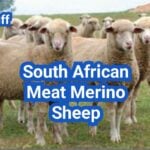
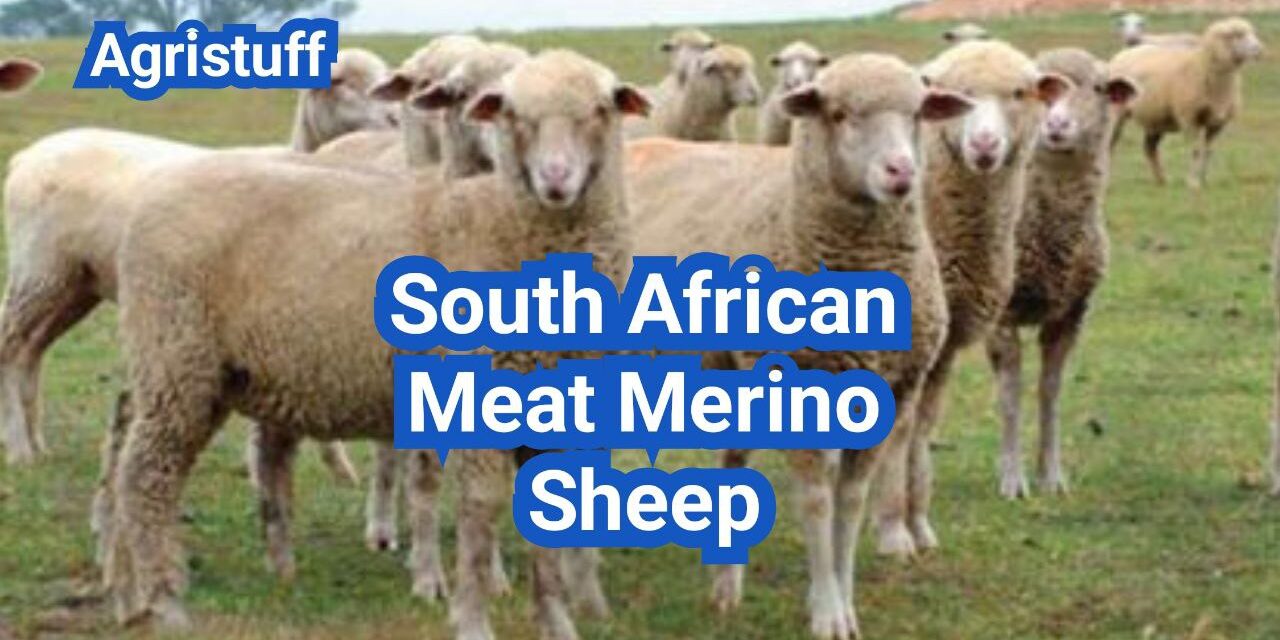
The South African Meat Merino Sheep, also known as the South African Mutton Merino, is a renowned dual-purpose sheep breed prized for its high-quality wool and meat production.
Originating in South Africa, this breed has gained global recognition due to its versatility and hardiness. The history of this breed is rooted in the German Merinofleischschaf, imported to South Africa in the early 20th century.
The Merino meat sheep breed has evolved to become a staple in sheep farming, offering excellent sheep wool and meat production capabilities.
Key Takeaways
- The South African Meat Merino Sheep is a dual-purpose breed.
- It is known for its high-quality wool and meat production.
- The breed originated in South Africa.
- It has gained popularity worldwide due to its versatility.
- The breed’s history is linked to the German Merinofleischschaf.
The South African Meat Merino Sheep Breed
The South African Meat Merino Sheep, known for its exceptional wool and meat production, has become a significant player in the global sheep industry. This breed has been developed as a versatile, hardy, and polled dual-purpose breed, making it an attractive option for farmers worldwide.
Definition and Classification
The South African Meat Merino Sheep Breed is classified as a dual-purpose breed, excelling in both wool and meat production. Its classification is rooted in its genetic makeup, which combines the hardiness of Merino sheep with the meat production qualities of other specialized breeds. Ewes of this breed are known for their good maternal instinct and high milk production, making them efficient reproducers.
The breed’s dual-purpose nature allows farmers to benefit from both wool and meat sales, providing a diversified income stream. This characteristic is particularly valuable in fluctuating market conditions, where the ability to produce both high-quality wool and meat can be a significant advantage.
Importance in Global Sheep Industry
The South African Meat Merino Sheep Breed holds a significant position in the global sheep industry due to its adaptability and productivity. Its hardiness and resistance to various environmental conditions make it suitable for farming in diverse geographical locations. The breed’s ability to thrive in different climates and management systems has contributed to its growing popularity among sheep farmers worldwide.
The breed’s importance is further underscored by its contribution to the global wool and meat markets. As a dual-purpose breed, it helps meet the demand for both high-quality wool and meat, supporting the textile and meat industries. The South African Meat Merino Sheep’s influence on the global sheep industry is expected to continue growing as more farmers recognize its benefits and adopt the breed into their farming operations.
History and Development of SAMM
The SAMM breed’s history began with the importation of German Merinofleischschaf into South Africa in 1932. This marked the beginning of a new era in sheep breeding in the region, focusing on both meat and wool production. The development of the SAMM breed was a response to the need for a hardy, versatile sheep that could thrive in South Africa’s diverse climates.
Origins in South Africa
The introduction of German Merinofleischschaf animals to South Africa laid the foundation for the SAMM breed. These imported sheep were bred to adapt to local conditions, leading to the development of a unique genetic makeup. The SAMM breed’s origins are a testament to the successful integration of foreign genetics into a new environment.
Development from German Merinofleischschaf
The German Merinofleischschaf breed played a crucial role in the development of the SAMM. Known for its meat production qualities, this breed was instrumental in enhancing the carcass characteristics of the SAMM. The careful selection and breeding of these animals resulted in a breed that excelled in both meat and wool production.
Evolution into Modern SAMM
Over the years, the SAMM breed has evolved through selective breeding, focusing on improving its meat and wool qualities.
“The South African Meat Merino Sheep has become a premier breed globally, known for its superior meat production and fine wool characteristics.”
Today, the SAMM is recognized for its hardiness, fertility, and growth rate, making it a popular choice among sheep breeders worldwide.
South African Meat Merino Sheep Origin
The history of the South African Meat Merino Sheep is closely tied to its genetic foundation. Understanding the breed’s origin is essential for grasping its current characteristics and potential.
Genetic Foundation
The South African Meat Merino Sheep has been developed as a versatile, hardy, polled dual-purpose breed. Its genetic foundation is rooted in the German Merinofleischschaf breed, which was introduced to South Africa in the late 19th century.
The breeders in South Africa selectively bred the German Merinofleischschaf to create a sheep that could thrive in the local climate and meet the demands of both the meat and wool markets.
Breeding Goals Throughout History
The breeding goals for the South African Meat Merino Sheep have evolved over time. Initially, the focus was on creating a hardy, adaptable animal that could survive the harsh South African climate.
As the breed developed, the emphasis shifted to improving its meat and wool production qualities, resulting in a dual-purpose breed that excels in both areas.
Influential Breeders and Flocks
Several influential breeders and flocks have played a significant role in shaping the South African Meat Merino Sheep breed. These pioneers in sheep breeding have contributed to the breed’s development through careful selection and breeding practices.
Their efforts have helped establish the South African Meat Merino Sheep as a prominent breed in the global sheep industry.
Physical Characteristics of South African Meat Merino
The South African Meat Merino Sheep is renowned for its impressive physical attributes. This breed is distinguished by its robust body structure and significant size, making it a valuable asset in sheep farming.
Body Structure and Size
The South African Meat Merino Sheep boasts a sturdy body structure, characterized by a deep chest and well-sprung ribs. Mature ewes typically weigh around 95 kg (209 lb), while rams can grow to over 100 kg (220 lb). This substantial size contributes to the breed’s meat production capabilities.
Distinctive Features
One of the distinctive features of the South African Meat Merino Sheep is its polled nature, meaning both rams and ewes are hornless. This characteristic reduces the risk of injury among the flock and simplifies handling for farmers.
Polled Nature and Benefits
The polled nature of the South African Meat Merino Sheep offers several benefits. It eliminates the risk of horn-related injuries, making the flock safer to manage. Additionally, the absence of horns reduces the need for dehorning procedures, which can be stressful for the animals.
Wool Characteristics and Production

The breed’s wool characteristics make it a valuable asset in the textile industry, with a focus on quality and micron count. South African Meat Merino Sheep are recognized for their high-quality wool, which is a significant factor in their overall value as a dual-purpose breed.
Wool Quality and Micron Count
The wool produced by South African Meat Merino Sheep is characterized by its medium to strong attributes. The micron count, a critical measure of wool quality, is within a range that makes it suitable for a variety of textile applications. High-quality wool is one of the defining features of this breed, contributing to its popularity among sheep breeders.
The micron count of the wool from South African Meat Merino Sheep typically ranges between 20 and 24 microns, categorizing it as medium strong wool. This characteristic makes it ideal for producing fabrics that require durability and softness.
Medium Strong Wool Attributes
The medium strong wool attributes of the South African Meat Merino Sheep are a result of careful breeding practices aimed at optimizing both meat and wool production. The breed’s wool is known for its excellent crimp and soft handle, making it highly sought after in the textile industry.
These attributes not only contribute to the aesthetic appeal of the wool but also to its durability and performance in various applications. The medium strong wool is particularly valued for its versatility, being suitable for a wide range of textile products.
Annual Wool Yield
Ewes of the South African Meat Merino Sheep breed will produce between 3.5 kg (7.7 lb) and 4.5 kg (9.9 lb) of medium/strong wool annually. This yield is a testament to the breed’s efficiency in wool production, making it an attractive choice for farmers looking to maximize their returns from both meat and wool sales.
The annual wool yield, combined with the high quality of the wool, positions the South African Meat Merino Sheep as a premier breed for dual-purpose production. Farmers can benefit from the breed’s ability to produce significant quantities of high-quality wool, alongside its well-documented meat production qualities.
Meat Production Qualities
With its fast growth rate and high-quality meat, the South African Meat Merino Sheep stands out in the sheep industry. The breed is renowned for its superior meat production qualities, making it an attractive option for meat producers.
Superior Carcass Characteristics
The South African Meat Merino Sheep is bred to produce a high-quality carcass. It has a well-muscled body with good conformation, which is ideal for meat production. The breed’s carcass characteristics are superior due to its genetic makeup, which focuses on muscle development and meat yield.
Lamb Growth Rates
One of the key advantages of the South African Meat Merino Sheep is its fast lamb growth rate. Lambs can reach 35 kg (77 lb) at just 100 days of age, making them suitable for early slaughter. This rapid growth rate is a result of selective breeding that prioritizes growth performance.
Meat Quality and Yield
The meat from South African Meat Merino Sheep is known for its quality and yield. The breed is designed to produce a high meat yield with minimal waste, ensuring that producers get the most out of their flock. The quality of the meat is also high, with good marbling and tenderness, making it desirable for consumers.
Reproductive Traits and Performance
Reproductive performance is a crucial aspect of the South African Meat Merino Sheep’s overall productivity. The breed’s reproductive traits, including ewe fertility rates, lambing percentages, and mothering ability, play a significant role in determining the success of a breeding program.
Ewe Fertility Rates
Ewe fertility is a critical factor in the reproductive efficiency of South African Meat Merino Sheep. Ewes of this breed are known for their high fertility rates, which contribute to the overall productivity of the flock. Studies have shown that South African Meat Merino ewes can achieve fertility rates of over 90% under optimal management conditions. High fertility in ewes not only increases the number of lambs born but also enhances the overall reproductive efficiency of the flock.
Lambing Percentage Expectations
Lambing percentage is another important reproductive trait of South African Meat Merino Sheep. It is defined as the number of lambs born per ewe exposed to the ram. The breed is known for its high lambing percentages, with averages ranging from 120% to 150% under good management practices. Factors influencing lambing percentage include ewe nutrition, health, and genetics. Proper management practices, such as nutritional flushing before breeding, can significantly improve lambing percentages.
Mothering Ability and Lamb Survival
The mothering ability of South African Meat Merino ewes is a key factor in lamb survival. Ewes of this breed are known for their strong maternal instincts and high milk production, which contribute to improved lamb survival rates. Good mothering ability ensures that lambs receive adequate nutrition and care, reducing mortality rates. The breed’s ability to thrive in various environments further enhances its appeal to sheep producers.
In conclusion, the reproductive traits of South African Meat Merino Sheep, including ewe fertility rates, lambing percentages, and mothering ability, are crucial elements of their overall productivity. Understanding and optimizing these traits can significantly enhance the success of a sheep breeding program.
Establishing a SAMM Breeding Program

The foundation of a successful South African Meat Merino Sheep breeding program lies in its careful design and implementation. A well-planned breeding program is essential for maximizing the reproductive potential and productivity of SAMM sheep.
Selection Criteria for Foundation Stock
Selecting the right foundation stock is crucial for the success of a SAMM breeding program. The ideal foundation animals should possess desirable traits such as:
- Superior growth rates
- High fertility
- Good mothering ability
- Resistance to diseases
- Conformity to the breed standard
When selecting foundation stock, breeders should also consider the genetic diversity of the animals to avoid inbreeding and ensure the long-term sustainability of the flock.
Out-of-Season Breeding Techniques
Out-of-season breeding techniques allow SAMM breeders to produce lambs throughout the year, rather than being limited to a single breeding season. This can be achieved through:
- Using melatonin implants to induce estrus in ewes
- Implementing a controlled lighting program to manipulate the breeding season
- Selecting rams with proven fertility out of season
Out-of-season breeding can help to increase the overall productivity of the flock and provide a more consistent supply of lambs to the market.
Accelerated Lambing Systems
Accelerated lambing systems involve breeding ewes more frequently than once per year, typically every 6-8 months. This approach can significantly increase the number of lambs produced per ewe over her lifetime.
The benefits of accelerated lambing systems include:
- Increased lamb production per ewe
- Better utilization of farm resources
- Improved cash flow through more frequent lamb sales
However, accelerated lambing systems require careful management to ensure that ewes are not overbred, and that lambs receive adequate nutrition and care.
Crossbreeding Systems with SAMM
Crossbreeding with South African Meat Merino (SAMM) sheep offers several advantages in modern sheep production systems. The strategic use of SAMM in crossbreeding programs can lead to improved lamb growth rates, enhanced carcass quality, and increased overall flock productivity.
Terminal Sire vs. Dual Purpose Breeding
When implementing a crossbreeding program with SAMM, producers must decide between using SAMM rams as terminal sires or for dual-purpose breeding. Terminal sire breeding involves using SAMM rams on ewes of another breed to produce lambs that are then sent to market. This approach leverages the superior meat production qualities of SAMM.
Dual-purpose breeding, on the other hand, involves using SAMM rams on ewes to produce replacement females and market lambs. This method can help improve the overall genetics of the flock while still benefiting from the meat production traits of SAMM.
According to recent studies, SAMM rams have almost entirely replaced British breeds as terminal sires in the harsh regions of South Africa, demonstrating their effectiveness in crossbreeding systems.
“The use of SAMM rams in crossbreeding programs has shown significant improvements in lamb growth rates and carcass quality, making them an attractive option for producers looking to enhance their flock’s productivity.”
Compatible Breeds for Crossbreeding
The success of a crossbreeding program with SAMM depends on selecting compatible breeds that complement the strengths of SAMM. Popular choices for crossbreeding with SAMM include:
- Dorper ewes for their hardiness and mothering ability
- Merino ewes for their wool production and adaptability
- Other Merino-based composite breeds for their resilience and productivity
| Breed | Characteristics | Benefits in Crossbreeding |
|---|---|---|
| Dorper | Hardiness, mothering ability | Improved lamb survival, adaptability |
| Merino | Wool production, adaptability | Enhanced wool quality, resilience |
| Composite Breeds | Resilience, productivity | Increased overall flock productivity |
Hybrid Vigor Benefits
One of the key advantages of crossbreeding with SAMM is the potential for hybrid vigor. Hybrid vigor refers to the phenomenon where the offspring of two different breeds or lines exhibit superior performance compared to either parent. In the context of SAMM crossbreeding, hybrid vigor can manifest as improved growth rates, increased resistance to disease, and enhanced reproductive performance.
To maximize the benefits of hybrid vigor, producers should focus on selecting breeds that complement the strengths of SAMM while bringing different genetic traits to the table.
By carefully designing crossbreeding programs that leverage the strengths of SAMM and other compatible breeds, producers can significantly enhance the efficiency and productivity of their sheep enterprises.
Nutrition Requirements and Management

The nutritional requirements of South African Meat Merino Sheep vary across different life stages, impacting their overall health and productivity. Meeting these nutritional needs is crucial for optimizing their performance.
Basic Nutritional Needs by Life Stage
South African Meat Merino Sheep have different nutritional requirements at various stages of their life cycle. For instance, lambs require a diet rich in protein and energy for growth, while ewes need adequate nutrition for milk production and reproduction.
| Life Stage | Nutritional Requirements |
|---|---|
| Lambs | High protein and energy |
| Ewes (lactating) | Adequate energy and protein for milk production |
| Ewes (pregnant) | Increased energy and nutrients for fetal development |
Ewe Flushing Before Breeding
Ewe flushing is a critical practice that involves providing ewes with a nutrient-rich diet before breeding to enhance their reproductive performance. This practice can significantly improve ovulation rates and lambing percentages.
Lamb Finishing Nutrition
Lamb finishing nutrition is crucial for achieving optimal growth rates and carcass quality. A diet that is balanced in energy, protein, and other nutrients is essential for finishing lambs.
Implementing Effective Grazing Management
Grazing management plays a pivotal role in the health and productivity of SAMM flocks. Effective grazing strategies are crucial for optimizing the performance of South African Meat Merino Sheep.
Rotational Grazing Systems
Rotational grazing is a highly effective method for managing pastures and improving the overall health of SAMM flocks. By rotating sheep through different paddocks, farmers can prevent overgrazing, reduce parasite loads, and promote more even pasture utilization.
Benefits of Rotational Grazing:
- Increased pasture utilization
- Reduced parasite loads
- Improved lamb growth rates
- Enhanced overall flock health
A well-designed rotational grazing system can significantly improve the productivity of SAMM flocks. The key is to divide pastures into manageable paddocks and rotate the sheep through these areas based on forage availability and quality.
Pasture-Based Lamb Finishing
Pasture-based lamb finishing is another critical aspect of effective grazing management for SAMM. By finishing lambs on pasture, farmers can capitalize on the natural growth potential of these animals while reducing production costs.
| Aspect | Pasture-Based Finishing | Conventional Finishing |
|---|---|---|
| Feed Costs | Lower | Higher |
| Lamb Growth Rates | Competitive | Higher |
| Meat Quality | High Quality | Variable |
| Environmental Impact | Lower | Higher |
Forage Selection for SAMM
The selection of appropriate forages is vital for the health and productivity of SAMM flocks. Different forages offer varying nutritional benefits, and the choice of forage can significantly impact lamb growth rates and overall flock health.
Key Considerations for Forage Selection:
- Nutritional content
- Palatability
- Seasonal availability
- Pest and disease resistance
By carefully selecting the right forages and implementing effective grazing management strategies, farmers can optimize the performance of their SAMM flocks and improve overall farm productivity.
Health Management and Parasite Control

Effective health management is crucial for the productivity and well-being of South African Meat Merino Sheep. Health issues can significantly impact the profitability of sheep farming operations, making it essential to implement robust health management strategies.
Common Health Challenges
South African Meat Merino Sheep are susceptible to various health challenges, including internal parasites, respiratory diseases, and reproductive issues. Internal parasites, such as Haemonchus contortus, are particularly problematic and can lead to significant losses if not managed effectively.
Respiratory diseases are another common health issue in sheep, often caused by factors such as poor ventilation, high stocking densities, and exposure to pathogens. Implementing biosecurity measures and maintaining a clean environment can help mitigate these risks.
Internal Parasite Control Strategies
Controlling internal parasites is a critical aspect of health management in South African Meat Merino Sheep. Strategies for internal parasite control include the use of anthelmintics, grazing management practices, and genetic selection for parasite resistance.
Grazing management practices, such as rotational grazing, can help reduce parasite loads by breaking the lifecycle of parasites. Additionally, selecting breeds or individuals with genetic resistance to parasites can enhance the overall resilience of the flock.
| Strategy | Description | Benefits |
|---|---|---|
| Anthelmintic Use | Strategic deworming using effective anthelmintics | Reduces parasite load, improves productivity |
| Rotational Grazing | Grazing management to reduce parasite exposure | Decreases parasite burden, enhances pasture utilization |
| Genetic Selection | Selecting for parasite resistance | Long-term reduction in parasite susceptibility, reduced chemical use |
FAMACHA System Implementation
The FAMACHA system is a valuable tool for managing internal parasites in sheep. It involves assessing the level of anemia in individual animals using a color chart, allowing farmers to identify those that require treatment.
By implementing the FAMACHA system, farmers can make informed decisions about which animals to treat, thereby reducing the development of anthelmintic resistance and improving the overall effectiveness of parasite control measures.
Effective health management and parasite control are essential for maintaining the health and productivity of South African Meat Merino Sheep. By understanding common health challenges and implementing strategies such as the FAMACHA system, farmers can improve the well-being of their flocks and enhance the sustainability of their operations.
South African Meat Merino Sheep in the USA
The introduction of South African Meat Merino Sheep to North America marks a significant milestone in the global expansion of this breed. As the U.S. sheep industry continues to evolve, the incorporation of this breed has brought new opportunities for farmers and producers.
Introduction and Spread in North America
The South African Meat Merino Sheep breed was first introduced to North America through the importation of embryos into Canada in 1996. This initial step paved the way for the breed’s development in the United States, utilizing top bloodlines from Australian SAMM producers. “The genetic foundation laid by these imports has been crucial in establishing a robust breeding program in the U.S.,” notes a leading sheep breeder.
The breed has since gained popularity across various states, with breeders recognizing its potential for high-quality meat production and its adaptability to different farming systems.
Current Population and Distribution
While exact numbers may vary, the South African Meat Merino Sheep has established a notable presence in the U.S. sheep industry. The breed can be found in various regions, with a concentration in areas known for their sheep production. Its distribution is influenced by factors such as climate, market demand, and the presence of established breeding programs.
According to industry reports, the breed’s popularity continues to grow, driven by its superior carcass characteristics and the demand for high-quality lamb.
American Breeding Programs
American breeding programs for South African Meat Merino Sheep have focused on maintaining the breed’s superior traits while adapting to local conditions. Breeders have implemented selective breeding strategies to enhance characteristics such as growth rate, meat quality, and hardiness.
Key aspects of these programs include:
- Selection for improved fertility and lamb survival rates
- Emphasis on carcass quality and yield
- Development of breeding stock for both purebred and crossbreeding systems
As the breed continues to gain traction in the U.S., the development of comprehensive breeding programs will be crucial in realizing its full potential.
Marketing SAMM Products Successfully
Effective marketing of South African Meat Merino Sheep products requires a comprehensive approach that addresses both lamb and wool sales. This breed’s dual-purpose nature offers producers opportunities to diversify their income streams, but it also demands a nuanced understanding of how to market these products effectively.
Lamb Marketing Strategies
Developing a successful lamb marketing strategy involves highlighting the superior qualities of SAMM lambs. Key selling points include:
- Superior carcass characteristics: SAMM lambs are known for their lean meat and favorable carcass traits, making them attractive to consumers seeking high-quality lamb products.
- Rapid growth rates: The breed’s ability to achieve market weight quickly is a significant advantage, allowing producers to respond to market demands efficiently.
- Consistent quality: SAMM lambs typically offer consistent quality, which can help build a loyal customer base.
Wool Marketing Considerations
When it comes to marketing SAMM wool, several factors come into play:
- Wool quality: Highlighting the micron count, staple length, and other quality attributes can help differentiate SAMM wool in the market.
- Market trends: Understanding current trends in the wool market, such as demand for sustainable or organic wool, can inform marketing decisions.
- Branding: Creating a strong brand identity for SAMM wool can help it stand out in a competitive market.
Value-Added Product Development
One of the most promising avenues for increasing the value of SAMM products is through value-added product development. This can involve:
- Creating specialty lamb products, such as organic or grass-fed lamb.
- Developing wool products, like hand-knitting yarns or high-quality wool blankets.
- Exploring niche markets for SAMM products, such as local or regional specialties.
By diversifying their product offerings and targeting specific market niches, producers can increase the value of their SAMM products and improve their bottom line.
At The End of: South African Meat Merino Sheep Breeding
The South African Meat Merino Sheep is a versatile and hardy dual-purpose sheep breed, offering a unique combination of wool and meat production capabilities. As a Merino meat sheep, it has gained recognition for its superior characteristics, including its polled nature, medium strong wool attributes, and exceptional meat production qualities.
Throughout this article, we have explored the breed’s history, characteristics, breeding, and marketing, highlighting its potential for farmers and producers. By understanding the South African Meat Merino Sheep’s attributes and capabilities, individuals can make informed decisions about incorporating this breed into their operations, potentially enhancing their production systems and profitability.
The breed’s adaptability to various production systems, coupled with its reproductive traits and performance, makes it an attractive option for those seeking a reliable and efficient sheep breed. As the demand for high-quality wool and meat continues to grow, the South African Meat Merino Sheep is well-positioned to meet these needs, providing a valuable resource for the agricultural industry.
FAQ
What is the South African Meat Merino Sheep breed?
The South African Meat Merino Sheep, also known as the South African Mutton Merino, is a dual-purpose breed renowned for its high-quality wool and meat production.
Where did the South African Meat Merino Sheep originate?
The breed originated in South Africa, developed from the German Merinofleischschaf.
What are the key characteristics of the South African Meat Merino Sheep?
The breed is known for its robust body structure, polled nature, high-quality wool, and superior meat production qualities.
What is the significance of the South African Meat Merino Sheep in the global sheep industry?
The breed provides a versatile and hardy option for farmers worldwide, excelling in both wool and meat production.
How does the South African Meat Merino Sheep perform in terms of reproductive traits?
The breed is known for its high ewe fertility rates, lambing percentages, and mothering ability, contributing to lamb survival.
What are the nutritional requirements for the South African Meat Merino Sheep?
The breed requires careful nutritional management, with specific needs at different life stages, including ewe flushing before breeding and lamb finishing nutrition.
How can grazing management be effectively implemented for the South African Meat Merino Sheep?
Rotational grazing systems, pasture-based lamb finishing, and appropriate forage selection are key strategies for effective grazing management.
What health challenges are commonly faced by the South African Meat Merino Sheep?
The breed is susceptible to internal parasites, and effective control strategies, including the FAMACHA system, are necessary for health management.
How has the South African Meat Merino Sheep been introduced and developed in the USA?
The breed was introduced to North America, and American breeding programs have been established, with a growing population and distribution.
What marketing strategies are effective for products from the South African Meat Merino Sheep?
Effective lamb marketing strategies, wool marketing considerations, and value-added product development are crucial for successfully marketing SAMM products.
What are the benefits of crossbreeding with the South African Meat Merino Sheep?
Crossbreeding with SAMM can offer hybrid vigor and create animals better suited to specific production systems, with the choice between terminal sire and dual-purpose breeding.
What are the advantages of the polled nature of the South African Meat Merino Sheep?
The polled nature reduces the risk of injury and makes handling easier.
How does the wool quality of the South African Meat Merino Sheep compare to other breeds?
The breed produces high-quality wool with a medium to strong micron count, suitable for various textile applications.
What is the importance of ewe flushing before breeding in the South African Meat Merino Sheep?
Ewe flushing before breeding is a nutritional strategy that can improve reproductive performance.
Conclusion of: South African Meat Merino Sheep Breed
Introduction
The South African Meat Merino Sheep is widely known as a productive “dual-purpose” type that aims to deliver both profitable lamb and usable wool, making it an important breed concept for producers who want multiple revenue streams from one flock.
In real-world systems, the South African Meat Merino Sheep is often discussed alongside the name “South African Mutton Merino (SAMM),” and the key idea is balance: solid carcass traits without losing the economic value of a Merino-style fleece. For U.S. readers, this matters because dual-purpose sheep can help stabilize returns when lamb prices, feed costs, or wool markets swing year to year. OSU breed profile (South African Mutton Merino)
What “South African Meat Merino Sheep” Means in Practical Terms
When farmers say South African Meat Merino Sheep, they usually mean a Merino-derived sheep line selected specifically for improved muscling, growth, and commercial lamb output, while still keeping a fleece that can be sold. In many global references, the South African Meat Merino Sheep is presented as a recognizable dual-purpose package—maternal usefulness, decent finishing ability, and wool that helps offset annual production costs.
This clarity is helpful for U.S. producers comparing maternal breeds, composites, or “maternal-plus-terminal” systems, because it frames the South African Meat Merino Sheep as a strategic middle path rather than an extreme specialization. Canadian Co-operative Wool Growers breed guide
History: German Roots and South African Breed Development
The historical narrative of the South African Meat Merino Sheep is tied to imported European meat-Merino genetics and decades of selection under South African conditions, where breeders wanted a sheep that could hold its own on grazing, reproduce reliably, and still produce saleable wool. Breed history accounts frequently describe how imported genetics were refined through local selection to strengthen conformation and meat traits while maintaining fleece value, which is a common pathway for successful dual-purpose breeds worldwide.
Understanding that long selection period matters, because it explains why the South African Meat Merino Sheep is often associated with functional, commercial traits rather than purely “show ring” standards. Prime SAMM background and history
Origin Goals: Why This Breed Type Was Needed
The origin goal behind the South African Meat Merino Sheep can be summarized as “profit per ewe” in environments where producers needed both lamb and wool to make the enterprise resilient. In other words, breeders pushed for a sheep that could raise a heavier lamb and still clip a fleece worth marketing, instead of forcing farmers to choose between terminal meat output or fine-wool specialization.
This dual-purpose intention is also why the South African Meat Merino Sheep is frequently discussed in research and industry notes as a production-oriented type with measurable outputs—growth, carcass value, reproduction, and wool income—rather than a breed defined by a single extreme trait. Peer-reviewed SAMM production discussion (SciELO SAJAS)
Appearance and Breed Type: What You Typically See
Most descriptions of the South African Meat Merino Sheep highlight a white-wooled, polled (hornless) sheep with a strong, practical frame built for commercial performance, not fragility. Breed snapshots often cite mature weight ranges and emphasize functional conformation—depth, capacity, and muscling—aimed at efficient lamb production.
For farm decision-making, appearance only matters insofar as it predicts performance: sound feet and legs, width and depth for forage utilization, and overall balance that supports both reproduction and market lamb growth. Producers evaluating any South African Meat Merino Sheep line should look for structure that holds up under grazing and minimizes lameness risk over time. Typical characteristics and weights (OSU)
Temperament, Adaptability, and “Working Sheep” Traits
One reason the South African Meat Merino Sheep remains relevant outside its home region is that it’s widely presented as a hardy, adaptable sheep suited to variable forage and practical management. Adaptability is not a vague compliment; it shows up as consistent reproductive performance, acceptable growth on pasture, and a flock that can maintain body condition when conditions are less than perfect.
These traits matter in the U.S. because many producers operate on mixed forage bases, seasonal pasture curves, and fluctuating concentrate costs—conditions where a rigid, high-input sheep can become expensive fast. In that context, the South African Meat Merino Sheep “type” is a reminder to select for robust, economically useful traits. FAO DAD-IS livestock breed information system
Meat Performance: Growth, Finish, and Market Fit
From a meat standpoint, the South African Meat Merino Sheep is valued for improved muscling and practical growth compared with fine-wool Merino lines, while still retaining maternal capability. Research discussions that include SAMM-type sheep often focus on carcass development, maturity patterns, and how genotype influences fat deposition and marketing decisions.
For U.S. lamb markets, this is useful because the “right” sheep is the one that hits your preferred carcass weight and condition score efficiently—whether you’re selling lighter lambs, heavier feeders, or finishing for specific ethnic-market preferences. The South African Meat Merino Sheep concept supports building a flock that can adapt to different marketing endpoints without falling apart in fertility or feed efficiency. Carcass and maturity considerations in SAMM-type sheep (SciELO)
Wool Production: What to Expect and Why It Still Matters
Even if lamb is your main product, wool can be an important “risk buffer,” and the South African Meat Merino Sheep is typically described as producing medium-to-strong wool that can still generate meaningful annual income. Many breed guides mention fleece weight and a broader micron range than fine-wool Merino, reflecting the breed’s emphasis on meat performance and robustness rather than ultra-fine fiber.
In practice, wool value depends heavily on clip preparation, contamination control, and marketing channel, but the big takeaway is that the South African Meat Merino Sheep is not a “wool afterthought” animal—it is designed so the fleece remains a real part of the enterprise budget. Wool traits and general profile (CCWG)
Reproduction: Fertility, Lambing Percentage, and Mothering Ability
Any profitable flock depends on reproduction, and the South African Meat Merino Sheep is often described as having strong fertility and a practical maternal profile, which supports high lamb output per ewe when management is solid. However, fertility is still tied to body condition, mineral status, and breeding-season timing, especially in pasture-based systems.
Reproductive management resources emphasize that selecting fertile genetics works best when paired with a disciplined program: rams in good condition, controlled breeding windows, and nutrition that supports ovulation and early pregnancy. For U.S. producers, the South African Meat Merino Sheep model aligns with building a ewe base that can raise lambs efficiently and keep the system moving forward without constant “rescue feeding.” Breeding programs and seasonality (MSD Veterinary Manual)
Breeding Strategy: Selection, Records, and Practical Goals
Using South African Meat Merino Sheep genetics well comes down to clear selection goals and honest records—lambing rate, weaning weights, ewe longevity, parasite resilience, and fleece outcomes—because dual-purpose breeds can drift toward one side if you only measure one output. Modern sheep breeding guidance encourages producers to track performance and use structured selection rather than relying on looks alone, especially when you want both meat and wool returns.
If you’re adapting the South African Meat Merino Sheep concept to a U.S. flock, define what “success” means on your farm: more pounds weaned per acre, better lamb survival, lower feed cost per pound gained, or improved fleece cleanliness and value. Then select animals that repeatedly deliver those outcomes. Practical sheep reproduction and management guidance (Oklahoma State Extension)
Nutrition: Feeding for Meat, Wool, and Pregnancy
Because the South African Meat Merino Sheep is expected to produce lamb and wool, nutrition must support three priorities at once: maintenance and health, reproductive success, and growth or lactation performance. The highest-impact windows are flushing before breeding (when appropriate), late gestation, and early lactation—times when energy and protein demands rise sharply.
Veterinary nutrition references stress matching feed to stage of production, keeping water access constant, and preventing mineral imbalances that can quietly reduce fertility and lamb vigor. For U.S. producers, the simplest strategy is to build seasonal forage plans and use targeted supplementation only when it truly improves outcomes, rather than feeding “just in case” all year. Nutritional requirements by production stage (Merck Veterinary Manual)
Grazing Systems: Getting Efficient Gains From Pasture
Many producers who like the South African Meat Merino Sheep concept also value pasture efficiency, because dual-purpose profitability improves when feed costs stay controlled. A well-planned rotational grazing system supports steadier lamb growth, protects pasture persistence, and can reduce parasite exposure when rest periods are adequate.
U.S. grazing guidance commonly recommends adjusting rest length based on season and growth rate, and emphasizes practical paddock subdivision so animals graze uniformly instead of selectively. If you manage grazing well, the South African Meat Merino Sheep can shine because a balanced ewe that milks and maintains condition on forage is often more profitable than a higher-input animal that requires constant concentrate to stay productive. Rotational grazing guide (USDA NRCS PDF)
Parasite Control: Protecting Performance Without Creating Resistance
Internal parasites are a universal threat, and the South African Meat Merino Sheep will not reach its genetic potential if lambs and ewes are fighting worm burdens. The modern approach is targeted treatment and integrated management—using tools like FAMACHA scoring where appropriate, reducing unnecessary deworming, and using grazing strategy to limit exposure.
Extension programs emphasize that blanket deworming can accelerate resistance, making future control more expensive and less effective. For U.S. farms, a workable plan combines monitoring, smart treatment decisions, and pasture management so your South African Meat Merino Sheep flock maintains body condition and growth without turning anthelmintics into a failing “crutch.” FAMACHA and integrated parasite management (MSU Extension)
Biosecurity and Health Planning for Long-Term Success
A strong health program supports the economics of the South African Meat Merino Sheep by reducing preventable losses like pneumonia, clostridial disease, and poor lamb survival. U.S. flock-health guidance typically highlights vaccination planning, quarantine for new additions, clean lambing environments, and routine body condition scoring to catch problems early.
Biosecurity also matters for regulatory issues; for example, scrapie identification and flock movement rules influence how sheep are traded and tracked in the United States. When you build your South African Meat Merino Sheep program (or a program inspired by it), treat health planning as a core production skill—because fewer setbacks means better conversion of feed and labor into sellable pounds. Scrapie information and U.S. flock guidance (USDA APHIS)
Housing, Handling, and Welfare Considerations
Good facilities don’t need to be expensive, but the South African Meat Merino Sheep benefits from calm handling, dry bedding when housed, shade and wind protection as needed, and thoughtful lambing areas that reduce stress and mismothering.
Handling systems that minimize slipping, crowding, and sharp turns help prevent injuries and keep sheep moving smoothly for weighing, health checks, and shearing. Welfare-focused guidance often emphasizes ventilation, cleanliness, and reducing stress during key periods like late gestation and weaning—factors that show up directly in lamb survival and ewe performance. If your goal is a stable, profitable flock, South African Meat Merino Sheep or not, welfare and handling are not “extra,” they are production fundamentals. Animal welfare principles for livestock systems (AVMA)
Uses and Marketing: Where the Value Shows Up
The most common use of the South African Meat Merino Sheep is straightforward: produce market lamb and a saleable fleece, while keeping a ewe base that remains productive and durable. That said, “use” also includes breeding stock sales in regions where SAMM-type genetics are valued, and that demand tends to rise when commercial producers see consistent results in weaning weights and flock fertility.
Industry coverage has highlighted strong prices for top SAMM-related genetics, reflecting the market’s willingness to pay for functional traits that improve real farm outputs. In U.S. terms, the lesson is to market what you can prove: measured growth, sound structure, fertility outcomes, and fleece quality that buyers can rely on. Industry example of SAMM genetics demand (Farmer’s Weekly)
Relevance for U.S. Producers: How to Apply the Concept
Even if the exact South African Meat Merino Sheep population is limited in your area, the production logic behind it fits many U.S. farms: build a maternal base that can raise strong lambs on forage, and capture extra value through wool or diversified markets. U.S. sheep-industry resources on adjusting breeding seasons show how timing lamb crops to market windows can increase annual output per ewe—when nutrition, labor, and health management are aligned.
That systems-thinking approach pairs naturally with a dual-purpose breed model because a productive ewe that stays in the flock longer can outperform higher-maintenance alternatives over multiple years. For many producers, using the South African Meat Merino Sheep concept means selecting for balanced traits and building a management calendar that makes those traits pay. Out-of-season breeding overview (American Sheep Industry Association PDF)
Final Thought
The South African Meat Merino Sheep is best understood as a blueprint for balanced profitability: a sheep that can generate lamb income without abandoning wool value, while staying functional under commercial conditions. If you’re building or upgrading a flock for long-term performance, take the biggest lesson from South African Meat Merino Sheep breeding history—measure what matters, select for durability and reproduction, and let management (nutrition, grazing, and health planning) unlock genetics rather than trying to buy your way out of system weaknesses. In the end, the most profitable sheep are rarely the most extreme; they are the ones that perform predictably year after year. FAO animal production resources
Sources & References
These references support the information discussed about the South African Meat Merino Sheep and provide additional depth for breeding, nutrition, grazing, and health management.
- South African Meat Merino – Wikipedia
- South African Meat Merino ( SAMM ) – Erindale Farming
- South African Meat Merino · Sheep – creatures.com
- FAO DAD-IS (breed information hub)
- Oklahoma State University: South African Mutton Merino (SAMM) profile
- Canadian Co-operative Wool Growers: South African Meat Merino Sheep guide
- Prime SAMM: background and history
- SciELO / South African Journal of Animal Science: SAMM-related research article
- MSD Veterinary Manual: Breeding programs of sheep
- Merck Veterinary Manual: Nutritional requirements of sheep
- USDA NRCS: Rotational grazing (PDF)
- Mississippi State University Extension: FAMACHA parasite management
- American Sheep Industry Association: Out-of-season breeding (PDF)
- Farmer’s Weekly: SAMM ram record price (industry context)