The Rough Fell Sheep is a hardy and versatile breed that has been a cornerstone of upland farming in the UK for centuries. Originating in the northern parts of England, this breed has adapted to the harsh conditions of the fells and moorlands.
The history and origin of the Rough Fell Sheep are deeply intertwined with the traditional farming practices of the region. Common on fell and moorland farms, its distribution includes a large proportion of South Cumbria, parts of the West Riding of Yorkshire, North Lancashire, and more recently, upland parts of Devon.
Key Takeaways
- The Rough Fell Sheep is a hardy breed adapted to harsh upland conditions.
- Originated in northern England, specifically in areas like Cumbria and Yorkshire.
- Significant in British hill sheep farming for centuries.
- Found in various upland regions, including Devon.
- Integral to traditional farming practices.
Understanding Rough Fell Sheep
Renowned for its hardiness, the Rough Fell Sheep is well-suited to exposed and high moorland areas. This characteristic makes it an invaluable asset in British hill farming. The breed’s ability to thrive in challenging environments is a testament to its robustness and adaptability.
What Makes This Upland Breed Special
The Rough Fell Sheep is distinguished by its size and hardiness. As one of the largest mountain breeds in Britain, it has a strong constitution that enables it to withstand harsh weather conditions and poor grazing. Its distinctive head and face features, along with its robust body structure, make it a notable breed among upland sheep.
The Rough Fell Sheep’s wool characteristics are also noteworthy. Its fleece is of high quality, providing excellent insulation against the elements. The breed’s wool is highly valued for its warmth and durability, making it a sought-after commodity in the textile industry.
A key factor in the Rough Fell Sheep’s success in upland farming is its natural instinct to roam and graze in challenging terrains. This instinct not only helps in maintaining the landscape but also contributes to the breed’s hardiness.
Importance in British Hill Farming
The Rough Fell Sheep plays a crucial role in British hill farming due to its ability to thrive in harsh conditions. It is an integral part of maintaining the traditional landscape of the uplands. The breed’s grazing habits help in managing the vegetation, thereby preserving the ecological balance of the hill areas.
The importance of the Rough Fell Sheep in British hill farming can be seen in its contribution to the local economy and environment. By supporting local farmers and contributing to the conservation of upland areas, the breed is invaluable to the agricultural heritage of Britain.
| Characteristics | Description | Benefits |
|---|---|---|
| Hardiness | Ability to withstand harsh weather and poor grazing | Thrives in challenging environments |
| Wool Quality | High-quality fleece providing excellent insulation | Valued for warmth and durability |
| Grazing Instincts | Natural instinct to roam and graze in challenging terrains | Helps in maintaining the landscape and ecological balance |
“The Rough Fell Sheep’s ability to thrive in harsh upland environments makes it an essential component of the agricultural landscape in Britain.”
History and Origin of Rough Fell Sheep

With roots deeply embedded in the hills of northern England, the Rough Fell Sheep breed boasts a long and varied history. The breed is believed to have descended from a common ancestor with other upland breeds such as the Scottish Blackface, Swaledale, Dalesbred, and Lonk sheep, often referred to as the ‘black faced heath breed’.
Historical Development in Northern England
The historical development of the Rough Fell Sheep is closely tied to the agricultural practices of northern England, particularly in the upland areas. The breed was developed to thrive in harsh, rugged conditions, making it an integral part of the local farming economy.
Key factors influencing the breed’s development include:
- Climate and terrain of the upland regions
- Local farming practices and traditions
- Need for a hardy, adaptable sheep breed
Native Regions: Cumbria, Yorkshire, and Lancashire
The Rough Fell Sheep is native to the counties of Cumbria, Yorkshire, and Lancashire in northern England. These regions provided the ideal environment for the breed to flourish, with their rugged landscapes and challenging climatic conditions.
The breed’s native regions are characterized by:
| Region | Characteristics | Contribution to Breed |
|---|---|---|
| Cumbria | Rugged terrain, harsh climate | Hardiness, adaptability |
| Yorkshire | Diverse landscapes, variable weather | Resilience, foraging ability |
| Lancashire | Upland pastures, challenging conditions | Robustness, maternal instincts |
The Rough Fell Sheep Breeders’ Association plays a crucial role in preserving the breed and promoting its qualities. By maintaining breed standards and supporting breeders, the association helps ensure the continued viability of the Rough Fell Sheep in modern agriculture.
Physical Characteristics of Rough Fell Sheep
The physical characteristics of Rough Fell Sheep make them well-suited to their native upland environments. This hardy breed has evolved to thrive in challenging conditions, and their robust physical attributes are a testament to their adaptability.
Size and Body Structure
Rough Fell Sheep are known for their sturdy build. Mature ewes typically weigh around 70 kilograms (150 lb) on average, while rams can weigh up to 90 kilograms (200 lb). Their body structure is designed for durability, with a strong bone structure that supports their overall health and resilience in harsh upland conditions.
Their size and robust build enable them to navigate the rugged terrain of their native habitats with ease, making them an ideal choice for hill farming.
Distinctive Head and Face Features
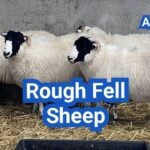
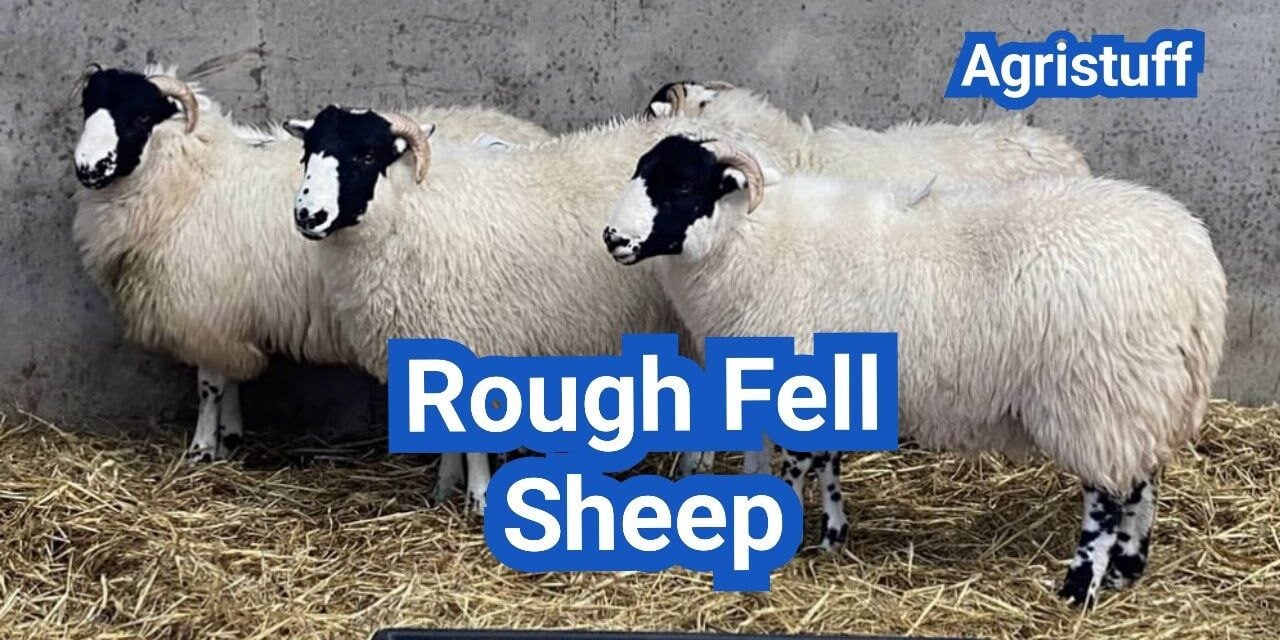
The head and face of Rough Fell Sheep are distinctive, contributing to their rugged appearance. They have a white face with a strong jaw and a robust skull, which are characteristic features of the breed. Their facial structure is well-suited to their grazing habits and the harsh conditions they often face.
Wool Characteristics and Quality
One of the most notable features of Rough Fell Sheep is their wool. The fleece is coarse and hardwearing, making it particularly suitable for producing high-quality carpets and rugs. The wool characteristics are a result of their adaptation to the harsh upland environments, where the fleece provides essential protection against the elements.
The mountain grade wool produced by Rough Fell Sheep is highly valued for its durability and quality, making it a significant product of hill farming operations.
Temperament and Behavior Traits

Adapted to the challenging conditions of the British hills, Rough Fell Sheep exhibit a unique set of temperament and behavior traits. Their hardiness and strong instincts are a result of generations of grazing in the uplands, where they have developed a robust constitution and the ability to thrive in harsh environments.
Natural Instincts and Adaptations
Rough Fell Sheep are known for their strong natural instincts, which play a crucial role in their survival and success in challenging terrains. Their ability to navigate steep slopes and harsh weather conditions is a testament to their adaptability. These sheep are also known to be vigilant, with a keen sense of awareness that helps them detect potential threats.
Their flocking behavior is another important aspect of their natural instincts. Rough Fell Sheep tend to stay together, which helps protect them from predators and harsh weather. This flocking behavior is deeply ingrained, making them more manageable for farmers who understand and work with these natural tendencies.
Handling Characteristics
When it comes to handling Rough Fell Sheep, farmers often note their strong will and independent nature. While they can be managed effectively with the right approach, they are not as docile as some other breeds. Their intelligence and alertness mean they respond well to gentle, consistent handling, but they can be challenging for inexperienced farmers.
The key to successfully handling Rough Fell Sheep lies in understanding their natural behavior and working with their instincts. By doing so, farmers can develop a positive and productive relationship with their flock, leveraging the breed’s inherent strengths to achieve better grazing outcomes and overall flock health.
How to Start Raising Rough Fell Sheep
The journey to raising Rough Fell Sheep begins with understanding their specific needs and local farming practices. Rough Fell Sheep, predominantly found in the fells around Sedbergh, Kendal, and Tebay, have adapted to the harsh upland environments of Northern England. Their hardiness and resilience make them an attractive choice for farmers looking to raise sheep in challenging terrains.
Initial Setup Requirements
Before bringing Rough Fell Sheep onto your farm, it’s crucial to ensure that your setup meets their needs. This includes providing adequate fencing that can withstand the harsh weather conditions and prevent escape. The fencing should be robust, with a recommended height to deter jumping. Additionally, farmers should prepare appropriate shelter for the sheep, especially during lambing season or extreme weather.
Adequate grazing land is another critical factor. Rough Fell Sheep are well-adapted to poor-quality grazing, but they still require sufficient pasture to maintain their health and productivity. The quality and quantity of grazing land will directly impact the overall health and fertility of the flock.
Sourcing Quality Stock
Sourcing high-quality Rough Fell Sheep is vital for the success of your flock. Farmers should look for reputable breeders who prioritize the breed’s characteristics and health. The Rough Fell Sheep Breeders’ Association can be a valuable resource for finding quality stock. When sourcing sheep, consider factors such as the sheep’s health, age, and breeding history.
“The quality of your flock is only as good as the quality of the stock you start with.” – Expert Sheep Breeder
Initial Care for New Arrivals
Once you’ve sourced your Rough Fell Sheep, providing the right initial care is crucial. New arrivals should be quarantined for a period to ensure they are healthy and free from diseases that could affect the existing flock. During this time, monitor their health closely and provide necessary vaccinations or treatments as advised by a veterinarian.
Nutrition is also a key aspect of initial care. Ensure that the new sheep have access to clean water and appropriate feed. Gradually introduce them to the farm’s grazing system to prevent digestive issues.
By following these guidelines, farmers can successfully start raising Rough Fell Sheep, leveraging their hardiness and productivity to create a thriving flock.
Breeding Rough Fell Sheep Successfully
Breeding Rough Fell Sheep requires meticulous planning and a thorough understanding of the breed’s reproductive cycle. As a primarily meat-producing breed, the success of Rough Fell Sheep breeding programs is crucial for farmers.
The Rough Fell Sheep breed is known for its hardiness and adaptability, making it an excellent choice for upland farming. However, to maximize breeding success, farmers must carefully plan and manage the breeding season.
Breeding Season Planning and Timing
Effective breeding season planning involves considering several factors, including the age and health of the ewes, the quality of the rams, and the desired lambing period. Typically, Rough Fell Sheep are bred in the fall, with lambing occurring in the spring.
Key Considerations for Breeding Season Planning:
- Ewe age and health status
- Ram quality and fertility
- Desired lambing period
- Nutritional management
Ram Selection and Management
Selecting high-quality rams is critical for a successful breeding program. Rams should be chosen based on their genetic merit, fertility, and overall health.
| Ram Selection Criteria | Description |
|---|---|
| Genetic Merit | Selection based on breeding value for desirable traits |
| Fertility | Assessment of sperm quality and mating ability |
| Overall Health | Evaluation of physical condition and disease resistance |
Ewe Preparation for Breeding
Ewe preparation is a crucial aspect of breeding success. This includes ensuring that ewes are in optimal health and nutritional condition before breeding.
Nutritional management plays a vital role in ewe preparation. Farmers should ensure that ewes receive adequate nutrition to support reproductive health.
By carefully planning the breeding season, selecting high-quality rams, and preparing ewes for breeding, farmers can maximize the success of their Rough Fell Sheep breeding programs.
Managing the Lambing Process
The lambing process is a critical period in the lifecycle of Rough Fell Sheep, requiring careful planning and execution. Effective management during this time is crucial for the health and survival of both ewes and lambs.
Lambing Season Preparation
Preparation is key to a successful lambing season. Farmers should ensure that the lambing area is clean, safe, and well-equipped with necessary supplies such as obstetric gloves, iodine for navel treatment, and feeding equipment for orphaned lambs.
Key Preparation Steps:
- Inspect and clean lambing pens
- Stock up on necessary supplies
- Monitor ewes closely for signs of labor
Assisting with Birthing Challenges
While Rough Fell Sheep are known for their hardiness, complications can arise during lambing. Farmers should be prepared to assist with difficult births, knowing when to intervene and how to handle common birthing challenges.
| Birthing Challenge | Action to Take |
|---|---|
| Malpresentation | Gently correct the lamb’s position |
| Dystocia | Assist with gentle traction or seek veterinary help |
| Prolapsed Umbilical Cord | Act quickly to reposition or seek immediate veterinary assistance |
Post-Lambing Care
After lambing, it’s essential to provide appropriate care to both ewes and lambs. This includes ensuring the lambs are nursing properly, monitoring for signs of illness, and providing necessary vaccinations or treatments.
Important Post-Lambing Tasks:
- Check lambs for adequate colostrum intake
- Monitor ewes for signs of infection or complications
- Record lambing data for future breeding decisions
By carefully managing the lambing process, farmers can improve the health and productivity of their Rough Fell Sheep flock. The hardy constitution of the breed enables ewes to mother and rear their lambs while feeding mainly on the poor upland grasses and heathers found on their native moorland.
Heafing: Maintaining Hefted Flocks

Heafing is more than just a farming technique; it’s a way of life for those who raise Rough Fell Sheep in the challenging upland environments. As hill sheep roam freely over hundreds of acres of communal grazing on open fell land, their meat is as near to that of a wild animal as one can get in a farmed animal. This traditional practice is deeply rooted in the history of Rough Fell Sheep farming.
Understanding the Traditional Heafing System
The traditional heafing system relies on the natural instinct of Rough Fell Sheep to remain within their familiar territories, known as heafs. This system has been practiced for centuries, allowing the sheep to thrive in the harsh upland conditions without the need for extensive fencing. The key to successful heafing lies in understanding the behavior and natural instincts of the sheep.
“The heafing system is not just about letting sheep graze freely; it’s about creating a symbiotic relationship between the land, the sheep, and the farmer,” as noted by experienced farmers. This relationship is crucial for maintaining the health and productivity of the flock.
Benefits of Hefted Flocks in Upland Farming
Hefted flocks offer numerous benefits in upland farming, including reduced labor costs due to less need for fencing and sheep handling. The natural grazing patterns of hefted flocks also contribute to the conservation of the upland environment. The resilience of Rough Fell Sheep to harsh weather conditions and their ability to forage on poor-quality land make them ideal for upland farming.
- Improved land management through natural grazing patterns
- Reduced need for external inputs such as fencing and supplementary feeding
- Enhanced biodiversity and conservation of upland habitats
Practical Steps to Maintain Heafing Traditions
To maintain heafing traditions, farmers must carefully manage their flocks, ensuring that the sheep remain attached to their heafs. This involves regular monitoring of the flock’s behavior and health, as well as strategic decisions about lambing and breeding practices.
- Monitor flock behavior and adjust grazing patterns accordingly
- Implement a thoughtful breeding program to maintain flock health and vigor
- Maintain records of flock health, grazing patterns, and environmental conditions
By following these practical steps and understanding the traditional heafing system, farmers can continue to benefit from the unique characteristics of Rough Fell Sheep and contribute to the conservation of upland environments.
The Rough Fell Mule: Strategic Crossbreeding

By crossing Rough Fell sheep with Bluefaced Leicester rams, farmers can produce the Rough Fell Mule, which inherits the best traits from both breeds. This strategic crossbreeding combines the hardiness and adaptation of Rough Fell ewes to upland conditions with the superior growth rates and meat production qualities of Bluefaced Leicester rams.
Bluefaced Leicester Cross Rough Fell Development
The development of the Rough Fell Mule involves careful selection of parent stock. Rough Fell ewes are valued for their robustness and ability to thrive in challenging upland environments. When crossed with Bluefaced Leicester rams, known for their fast growth rates and high-quality meat, the resulting offspring exhibit improved market value and performance.
Key characteristics of the Bluefaced Leicester cross Rough Fell include:
- Enhanced hardiness and adaptability
- Improved growth rates
- Superior meat quality
Benefits of Crossbreeding Programs
Crossbreeding programs, such as the one producing the Rough Fell Mule, offer several benefits to sheep farmers. These include improved productivity, enhanced hardiness, and better market performance. By leveraging the strengths of both parent breeds, farmers can produce sheep that are better suited to their specific farming conditions and market demands.
The Rough Fell Mule benefits from hybrid vigor, making it more resilient and productive than purebred sheep in many cases. This can lead to increased profitability for farmers through reduced veterinary costs and improved lamb survival rates.
Market Value and Performance of Rough Fell Mules
Rough Fell Mules are highly regarded in the market for their quality and performance. The crossbreeding program enhances the lambs’ growth rates and meat quality, making them more attractive to buyers. As a result, Rough Fell Mules can command a premium price at market, improving the overall profitability of the farming operation.
Market advantages of Rough Fell Mules include:
- Higher market price due to superior quality
- Increased demand from buyers seeking high-quality lamb
- Better alignment with market preferences for hardy, fast-growing lambs
Wool Production from Rough Fell Sheep

The wool from Rough Fell Sheep is highly valued for its durability and unique characteristics, making it an important product for farmers raising this breed.
Mountain Grade Wool Characteristics and Value
Rough Fell Sheep produce a type of wool known as mountain grade wool, which is coarse and hardwearing. This characteristic makes it particularly suitable for producing durable textiles such as carpets and rugs.
The value of mountain grade wool lies in its resilience and longevity. It can withstand heavy use, making it a preferred choice for products that need to endure harsh conditions.
- Coarse texture provides durability
- Resistant to wear and tear
- Ideal for carpet and rug making
Effective Shearing Practices
To maximize the quality and value of the wool, effective shearing practices are crucial. This includes timing the shearing correctly, usually once a year, and ensuring that the sheep are handled carefully to avoid damaging their coats or causing them undue stress.
- Schedule shearing annually, typically in spring or fall
- Use proper shearing techniques to minimize stress and prevent injury
- Keep shearing equipment clean and well-maintained
Processing and Marketing Your Wool
After shearing, the wool needs to be processed and marketed effectively to achieve the best price. This involves cleaning, sorting, and possibly dyeing the wool, as well as identifying the right market channels.
Marketing strategies might include selling directly to textile manufacturers, using online marketplaces, or targeting local crafters and artisans who value high-quality, natural fibers.
| Processing Step | Description | Importance |
|---|---|---|
| Cleaning | Removing dirt and impurities | High |
| Sorting | Classifying wool by quality and type | High |
| Dyeing | Adding color to enhance marketability | Medium |
Meat Production and Quality Standards
Rough Fell Sheep are renowned for their high-quality meat production, making them a valuable asset in the agricultural industry. The breed’s hardiness, growth rate, and meat quality characteristics contribute to its popularity among farmers and consumers alike.
Growth Rates and Development Timelines
Rough Fell Sheep are known for their efficient growth rates, which are crucial for meat production. Lambs typically reach market weight within 6 to 8 months, depending on factors such as nutrition and management practices. The breed’s ability to thrive on upland pastures without intensive feeding regimens adds to its economic viability.
Growth Rate Milestones:
| Age (Months) | Average Weight (kg) | Development Stage |
|---|---|---|
| 3 | 25-30 | Weaning |
| 6 | 40-45 | Market Weight |
| 12 | 60-65 | Prime Age |
Optimal Slaughter Timing and Practices
The timing of slaughter is critical to ensure the quality of the meat. For Rough Fell Sheep, the optimal slaughter age is between 6 to 8 months, when the lambs have reached the desired market weight but before they develop excessive fat. Proper handling and slaughter practices are essential to maintain meat quality and meet consumer expectations.
Meat Quality Characteristics and Market Positioning
Meat from Rough Fell Sheep is characterized by its tenderness, flavor, and lean texture. The breed’s genetic predisposition, combined with its upland grazing regimen, contributes to the unique quality of the meat. This positions Rough Fell Sheep meat favorably in the market, particularly among consumers seeking premium, naturally produced lamb products.
Market Positioning Strategies:
- Emphasizing the breed’s heritage and upland grazing practices
- Highlighting the meat’s quality characteristics and taste
- Targeting niche markets and specialty butchers
Health Management Protocol for Rough Fell Sheep

Maintaining the health of Rough Fell Sheep is crucial for their overall productivity and well-being on upland farms. The hardy constitution of the breed enables a ewe to mother and rear her lambs while feeding mainly on the poor upland grasses and heathers found on her native moorland. However, even with their natural resilience, a proactive health management protocol is essential to prevent common health issues and ensure the flock’s optimal performance.
Preventing Common Health Issues
Rough Fell Sheep are generally robust, but they can be susceptible to certain health issues if not properly managed. Common problems include parasites, foot diseases, and nutritional deficiencies. Regular monitoring and preventive measures are key to maintaining flock health.
- Regular veterinary checks
- Parasite control programs
- Foot care and management
- Nutritional planning and supplementation
Implementing a vaccination program and maintaining accurate health records are also crucial components of a comprehensive health management plan. As noted by a leading sheep health expert,
“A proactive approach to health management can significantly reduce the incidence of disease and improve overall flock productivity.”
Effective Internal Parasite Control in Grazing Systems
Internal parasites are a significant challenge for grazing sheep, including Rough Fell Sheep. Effective control measures are necessary to prevent parasite-related health issues.
| Control Method | Description | Benefits |
|---|---|---|
| Rotational Grazing | Alternating grazing areas to break parasite life cycles | Reduces parasite load, improves pasture utilization |
| Strategic Deworming | Targeted deworming based on parasite monitoring | Reduces chemical use, maintains efficacy |
| Selective Breeding | Breeding for parasite resistance | Long-term reduction in parasite susceptibility |
Combining these methods can provide a robust internal parasite control program.
Seasonal Health Considerations
Rough Fell Sheep face different health challenges throughout the year due to seasonal changes in their environment. Understanding these seasonal considerations is vital for effective health management.
For example, during the lambing season, ensuring ewes have adequate nutrition and monitoring for lambing difficulties are critical. In the summer, managing parasite loads and preventing heat stress are important. Autumn and winter require preparing for the coming cold weather by ensuring adequate nutrition and shelter.
By understanding and addressing these seasonal health considerations, breeders can better maintain the health and productivity of their Rough Fell Sheep flocks throughout the year.
Implementing Effective Grazing Management
Grazing management plays a vital role in the sustainability of Rough Fell Sheep farming. As hill sheep roam freely over hundreds of acres of communal grazing on open fell land, their meat is as near to that of a wild animal as one can get in a farmed animal. Effective grazing management ensures that the pastureland remains productive and healthy, supporting the overall well-being of the flock.
Designing Rotational Grazing Plans
Rotational grazing is a key component of effective grazing management for Rough Fell Sheep. This involves dividing the grazing area into smaller sections and rotating the flock through these sections to prevent overgrazing and allow pastures to recover. A well-designed rotational grazing plan can improve pasture utilization, reduce parasite loads, and enhance the overall health of the flock.
To design a rotational grazing plan, farmers should consider factors such as the size of the grazing area, the number of sheep, and the quality of the pasture. It’s also essential to monitor the condition of the pasture and adjust the rotation schedule accordingly.
Determining Appropriate Stocking Rates
Determining the appropriate stocking rate is critical for maintaining the balance between the number of sheep and the available grazing. Overstocking can lead to overgrazing, soil erosion, and decreased pasture productivity, while understocking can result in underutilization of the grazing resources.
To determine the appropriate stocking rate, farmers should assess the carrying capacity of their grazing land, taking into account factors such as pasture quality, rainfall, and topography. The stocking rate should be adjusted seasonally to reflect changes in pasture availability and quality.
| Factor | Consideration | Impact on Stocking Rate |
|---|---|---|
| Pasture Quality | High-quality pasture can support more sheep | Increase stocking rate |
| Rainfall | Adequate rainfall improves pasture growth | Increase stocking rate |
| Topography | Steep or rocky terrain may reduce grazing area | Decrease stocking rate |
Seasonal Grazing Adaptations
Seasonal grazing adaptations are necessary to respond to changes in pasture availability and quality throughout the year. During periods of high pasture growth, farmers may need to increase the stocking rate or adjust the rotation schedule to utilize the excess forage. Conversely, during periods of drought or low pasture growth, farmers may need to reduce the stocking rate or provide supplemental feed.
“The key to successful grazing management is flexibility and the ability to adapt to changing conditions.”
Experienced Farmer
By implementing effective grazing management practices, including rotational grazing, appropriate stocking rates, and seasonal adaptations, Rough Fell Sheep farmers can maintain healthy and productive flocks while preserving the quality of their grazing land.
Conservation Grazing with Rough Fell Sheep
Heritage breeds such as Rough Fell Sheep are being increasingly utilized in conservation grazing due to their hardiness and adaptability. Conservation grazing is a practice that leverages the natural grazing habits of livestock to achieve environmental goals, such as maintaining biodiversity and improving ecosystem health.
Environmental Benefits of Heritage Breeds
The use of heritage breeds like Rough Fell Sheep in conservation grazing offers several environmental benefits. Their hardiness means they require less external input, such as supplementary feeding and veterinary care, reducing the overall environmental footprint of the grazing operation. Additionally, their adaptability to challenging environments allows them to graze areas that might be difficult or impossible for more intensive breeds, thus maintaining these areas in a more natural state.
Biodiversity conservation is a significant benefit of using heritage breeds in conservation grazing. By maintaining traditional grazing practices, these breeds help in preserving the characteristic vegetation and wildlife associated with these landscapes. For instance, Rough Fell Sheep grazing can help maintain heather moorlands and other upland habitats that are rich in biodiversity.
Setting Up Conservation Grazing Projects
Setting up a conservation grazing project involves several key steps. First, it’s essential to assess the land to determine its suitability for conservation grazing and to identify the conservation goals. This might involve working with conservation organizations or ecological experts to understand the local ecosystem and its needs.
Next, selecting the right breed is crucial. Rough Fell Sheep are particularly well-suited due to their hardiness and grazing habits. The project’s design should also consider the grazing management plan, including the stocking rate and the rotational grazing strategy, to ensure that the grazing pressure is appropriate for the conservation goals.
- Assess the land for suitability and conservation goals
- Select appropriate heritage breeds like Rough Fell Sheep
- Develop a grazing management plan
Partnering with Conservation Organizations
Partnering with conservation organizations can be highly beneficial for conservation grazing projects. These organizations often have expertise in habitat management and conservation goals, and they can provide guidance on how to achieve the desired environmental outcomes. They may also offer funding or resources to support the project.
By working together with conservation organizations, land managers can ensure that their conservation grazing projects are effective and contribute to broader conservation objectives. This collaboration can also help in monitoring and evaluating the project’s success, making adjustments as necessary to achieve the best results.
Effective conservation grazing with Rough Fell Sheep requires careful planning, ongoing management, and a commitment to achieving environmental goals. By leveraging the natural grazing habits of these heritage breeds, land managers can make a significant positive impact on the environment.
The Rough Fell Sheep Breeders’ Association
For breeders of Rough Fell sheep, the Rough Fell Sheep Breeders’ Association is an invaluable resource. The association is dedicated to promoting and preserving the Rough Fell breed, and it achieves this through various activities and services offered to its members.
History and Purpose of the Association
The Rough Fell Sheep Breeders’ Association has a rich history that dates back to its establishment with the primary goal of supporting Rough Fell sheep breeders. The association’s purpose is multifaceted, focusing on breed promotion, conservation, and education. By bringing together breeders and enthusiasts, the association creates a platform for sharing knowledge, best practices, and resources.
The association’s efforts are crucial in maintaining the integrity and uniqueness of the Rough Fell breed. Through its activities, it ensures that the breed continues to thrive and that breeders have the support they need.
Membership Benefits and Resources
Membership in the Rough Fell Sheep Breeders’ Association offers numerous benefits, including access to a network of experienced breeders, educational resources, and opportunities for professional development. Members can participate in shows, sales, and other community events that are organized by the association, providing valuable opportunities for networking and showcasing their animals.
The association also provides resources on best practices for breeding, health management, and flock management, helping members to improve their operations and contribute to the overall health of the breed.
Shows, Sales, and Community Events
The Rough Fell Sheep Breeders’ Association organizes various events throughout the year, including shows and sales, which are critical for breeders to market their animals and for the association to promote the breed. These events also serve as forums for breeders to share experiences and knowledge.
Community events are another important aspect of the association’s activities, fostering a sense of community among breeders and promoting the Rough Fell breed to a wider audience.
By participating in these events, members can stay updated on the latest developments in breed management and conservation, and they can contribute to the association’s efforts to promote and preserve the Rough Fell breed.
Rough Fell Sheep in the United States
American farmers are showing increasing interest in Rough Fell Sheep due to their hardiness and adaptability. This breed, originally from the uplands of the UK, is gaining traction in the U.S. for its robust characteristics and versatility in various farming systems.
Adapting to American Conditions
The introduction of Rough Fell Sheep to the U.S. involves adapting the breed to local conditions, including climate, terrain, and farming practices. Breeders are working to ensure that these sheep thrive in their new environment, leveraging their natural hardiness to withstand American weather conditions and grazing systems.
Key Adaptation Strategies:
- Climate resilience
- Terrain adaptability
- Integration with local farming practices
Current Population and Breeding Programs
The current population of Rough Fell Sheep in the U.S. is growing steadily, supported by dedicated breeding programs. These programs focus on maintaining the breed’s integrity while enhancing its suitability for American agriculture.
Breeding Program Highlights:
- Selection for desirable traits such as hardiness and fertility
- Genetic diversity to ensure a healthy population
- Collaboration among breeders to advance the breed
Resources for American Breeders
American breeders have access to various resources to support their Rough Fell Sheep breeding endeavors. These include breed associations, agricultural extension services, and networking opportunities with other breeders.
Available Resources:
- Breed-specific guides and manuals
- Workshops and training programs
- Online forums and breed clubs
Why Rough Fell Sheep Are Worth Raising
Raising Rough Fell Sheep can be a rewarding venture for farmers due to their hardiness and adaptability. The breed’s ability to thrive in challenging upland environments makes them an attractive choice for hill farming.
The quality of meat and wool from Rough Fell Sheep is another significant benefit. Their meat is known for its distinct flavor and tenderness, while their wool is highly valued for its quality and durability. These characteristics make Rough Fell Sheep a valuable asset for farmers looking to diversify their products.
In addition to their economic benefits, Rough Fell Sheep also play a crucial role in conservation grazing. Their grazing habits help maintain the health and biodiversity of upland ecosystems, making them an important part of environmental conservation efforts.
Overall, the unique characteristics of Rough Fell Sheep, including their hardiness, productivity, and role in conservation, make them worth raising. Whether for meat, wool, or conservation grazing, Rough Fell Sheep offer numerous benefits that can enhance the sustainability and profitability of farming operations.
FAQ
What is the origin of the Rough Fell Sheep breed?
The Rough Fell Sheep breed originated in the northern parts of England, specifically in the regions of Cumbria, Yorkshire, and Lancashire.
What makes Rough Fell Sheep special?
Rough Fell Sheep are renowned for their hardiness and ability to thrive in challenging environments, making them a valuable breed for upland farming.
What are the physical characteristics of Rough Fell Sheep?
Rough Fell Sheep are known for their robust size and body structure, distinctive head and face features, and high-quality wool.
How do I start raising Rough Fell Sheep?
To start raising Rough Fell Sheep, you need to ensure you have the initial setup requirements, source quality stock, and provide initial care for new arrivals.
What is heafing, and how do I maintain hefted flocks?
Heafing is the traditional practice of maintaining hefted flocks. To maintain hefted flocks, you need to understand the traditional heafing system, its benefits, and take practical steps to preserve this tradition.
What is the Rough Fell Mule, and what are its benefits?
The Rough Fell Mule is a product of crossbreeding between the Rough Fell ewe and the Bluefaced Leicester ram. The benefits of this crossbreeding program include improved market value and performance.
How do I manage the lambing process for Rough Fell Sheep?
To manage the lambing process, you need to prepare for the lambing season, assist with birthing challenges, and provide post-lambing care.
What are the health management protocols for Rough Fell Sheep?
Health management protocols for Rough Fell Sheep include preventing common health issues, effective internal parasite control, and seasonal health considerations.
How do I implement effective grazing management for Rough Fell Sheep?
Effective grazing management involves designing rotational grazing plans, determining appropriate stocking rates, and making seasonal grazing adaptations.
What are the benefits of conservation grazing with Rough Fell Sheep?
Conservation grazing with Rough Fell Sheep provides significant environmental benefits, including the preservation of heritage breeds and the promotion of sustainable farming practices.
What resources are available to Rough Fell Sheep breeders in the United States?
American breeders can access resources, including information on introduction and adaptation to American conditions, current population and breeding programs, and support from breed associations.
What is the role of the Rough Fell Sheep Breeders’ Association?
The Rough Fell Sheep Breeders’ Association plays a vital role in supporting breeders, promoting the breed, and providing resources, including membership benefits, shows, sales, and community events.
Why should I raise Rough Fell Sheep?
Raising Rough Fell Sheep offers numerous benefits, including their unique characteristics, advantages in terms of meat and wool production, and their role in conservation grazing.
Conclusion of: Rough Fell Sheep Breed
Introduction to the Rough Fell Sheep
The Rough Fell Sheep is a traditional British hill breed valued for toughness, strong mothering, and the ability to thrive where many sheep struggle—on exposed, high-rainfall uplands with sparse forage. If you’re researching heritage livestock or looking for real-world examples of low-input sheep production, the Rough Fell Sheep is a practical case study because its genetics were shaped by harsh “fell” conditions rather than intensive feeding. This guide covers the Rough Fell Sheep story from origin to modern uses, with clear, farmer-focused details you can apply whether you raise sheep commercially or keep a small flock. Rough Fell Sheep Breeders’ Association (Official Website)
Origin and Native Range of the Rough Fell Sheep
The Rough Fell Sheep is native to northern England, especially Cumbria and nearby upland areas, where farming systems depend on hardy ewes that can rear lambs on rough grasses and heather. In practice, the Rough Fell is strongly associated with the Westmorland area of Cumbria and parts of the Yorkshire Dales/Northern Pennines, where large-scale hill grazing and traditional flock management are still important. Understanding the breed’s home landscape matters because it explains why the Rough Fell Sheep is large for a hill breed yet still remarkably resilient and efficient on marginal land. National Sheep Association – Sheep Breeds (Rough Fell Profile Included)
History and Breed Development of the Rough Fell Sheep
The recorded history of the Rough Fell Sheep is closely tied to northern hill farming, where local sheep types were refined over time for survival, mothering, and flock practicality. A key milestone for the Rough Fell Sheep was the formal organization of breeders in the early 20th century, reflecting a desire to protect type, document breeding, and support a sustainable future for this regional breed. Today’s Rough Fell Sheep remains true to that purpose: a sheep that can handle exposure and still perform reliably, whether in traditional fell systems or adapted smallholding setups. About the Rough Fell Sheep Breeders’ Association
Hefting, Local Grazing Traditions, and Why They Matter
One fascinating part of Rough Fell Sheep culture is how hill flocks can be managed in ways that rely on learned grazing “home ranges” (often discussed as hefting/heafing in the UK). In these systems, Rough Fell Sheep are closely connected to place—grazing patterns, flock movement, and hill knowledge are shaped by both people and animals over generations. This matters for modern readers because the Rough Fell shows how genetics and management can work together to make grazing-based production viable on challenging land, with fewer inputs and less reliance on intensive housing. Lake District National Park – Hefted Livestock (Rough Fell Sheep Section)
Physical Characteristics: What Rough Fell Sheep Look Like
Visually, Rough Fell Sheep are known for a distinctive hill-breed appearance: a big-boned frame, horns, and a black face pattern often finished with a noticeable lighter/white marking on the nose. The fleece of the Rough Fell Sheep is typically heavy and coarse—exactly the kind of natural “outerwear” that helps the breed cope with wet, windy, exposed conditions. These traits aren’t just cosmetic; the Rough Fell Sheep look is essentially a summary of adaptation, built for durability, weather resistance, and functional survival in upland environments. Farfield Mill – Rough Fell Sheep Overview
Size, Frame, and Growth Potential in Rough Fell Sheep
Compared with many hill breeds, the Rough Fell Sheep is often described as one of the larger native types, which can be an advantage when you want hardy ewes that still have the capacity to rear good-sized lambs. The Rough Fell Sheep frame supports practical commercial outcomes: strong constitution, functional feet and legs for distance and terrain, and enough body to do well in crossing programs. If you’re evaluating the Rough Fell Sheep from a productivity angle, think of it as “hill strength with extra substance,” rather than a small, ultra-light ewe. Oklahoma State University – Rough Fell Sheep (Breeds of Livestock)
Temperament and Mothering Ability of Rough Fell Sheep
For many shepherds, the real value of the Rough Fell Sheep shows up at lambing time and during tough weather. The Rough Fell Sheep is commonly described as good-natured and capable, with ewes that can mother lambs strongly and keep going on upland ground with minimal fuss. That combination—calm enough to manage, tough enough to cope—helps explain why Rough Fell Sheep remain relevant in hill systems and why they can also adapt well to small farms that want resilient, low-input livestock. Farfield Mill – Notes on Rough Fell Traits and Adaptation
Wool Type, Fiber Uses, and How Rough Fell Sheep Are Graded
The Rough Fell Sheep is a classic example of a breed where wool is functional first: a heavy, weather-resistant fleece that suits the demands of upland life. In wool marketing systems, Rough Fell Sheep wool is commonly associated with “mountain” or hill-type grades, which are used in durable products such as carpets and hard-wearing textiles rather than next-to-skin garments. For producers, the takeaway is that Rough Fell Sheep wool can be valuable when handled and marketed correctly, especially when it is kept clean, sorted, and prepared to meet buyer expectations. British Wool – Grading (Mountain Grades Include Rough Fell)
Shearing and Wool Handling Basics for Rough Fell Sheep
Because the Rough Fell Sheep carries a substantial fleece, good shearing preparation protects both animal welfare and wool value. Even if your Rough Fell Sheep are hardy, shearing day can create stress if facilities are unsafe, animals are not handled calmly, or timing is poorly planned. Practical steps like planning clean work areas, managing the order of sheep shorn, and preparing animals properly can improve outcomes for Rough Fell Sheep and reduce injuries and contamination in the clip. American Sheep Industry Association – Preparing for Shearing (PDF)
Meat Production and Finishing: What to Expect from Rough Fell Sheep
While the Rough Fell Sheep is famous for hardiness and wool, it also contributes to lamb production—especially through systems that value grass-based growth and robust lambs suitable for the food chain. In many grazing-focused operations, the Rough Fell Sheep supports efficient finishing strategies by producing lambs that can perform on forage and handle variable weather. If your goal is consistent eating quality, the key is managing diet, health, and stress—factors that influence meat outcomes regardless of breed, including Rough Fell Sheep and their crosses. AHDB – On-farm Factors Affecting Red Meat Quality
Crossbreeding Uses: The Rough Fell Sheep in Commercial Systems
A major modern role for the Rough Fell Sheep is as a maternal base for crossbred females and hardy commercial lamb production. The strength, constitution, and mothering of the Rough Fell Sheep can pair well with crossing sires, helping produce practical offspring for a range of farm goals. Discussions around the Rough Fell Sheep often mention crossbreeding value and the commercial appeal of Rough Fell-based females in certain systems, especially where resilience and functionality matter as much as growth. Farmers Weekly – Rough Fell Sheep and Commercial Finishing/Crossbred Value
Breeding Season, Fertility, and Practical Lambing Management
Successful reproduction with Rough Fell Sheep still comes down to fundamentals: body condition, ram readiness, forage planning, and calm handling—especially in challenging environments. Many producers use “flushing” (improving energy intake before and around breeding) to support conception and lambing percentage, and the same concept can apply to Rough Fell Sheep even in low-input systems. If you manage nutrition and avoid sudden feed drops, Rough Fell Sheep ewes are more likely to lamb in a tighter window and raise lambs strongly. South Dakota State University Extension – Nutrition During Sheep Breeding Season
Feeding the Rough Fell Sheep in Low-Input and Sustainable Systems
The Rough Fell Sheep is built for using rough grazing efficiently, but “hardy” doesn’t mean nutrition can be ignored—especially for late pregnancy, early lactation, and fast-growing lambs. Smart forage choices, better grazing management, and targeted supplementation can improve productivity while keeping the Rough Fell Sheep system aligned with sustainability goals. From a climate and efficiency perspective, improving forage digestibility and reducing time-to-finish can also lower emissions per unit of output, which is increasingly relevant when talking about resilient breeds like Rough Fell Sheep in modern agriculture. AHDB – Feed Management Strategies to Reduce Emissions from Sheep
Pasture Planning and Rotational Grazing for Rough Fell Sheep
Even though Rough Fell Sheep can handle marginal land, many farms benefit from basic rotational grazing principles: rest periods for regrowth, avoiding overstocking, and preventing animals from grazing too low. For U.S. readers managing small acreage, a simple rotation can help Rough Fell Sheep (or similar hardy sheep) maintain condition while reducing pasture damage and limiting nutrition gaps. When grazing plans match carrying capacity, Rough Fell Sheep systems often need less purchased feed over time, which can improve both farm economics and soil resilience. USDA NRCS – Rotational Grazing (Small-Scale Guide PDF)
Parasite and Health Management in Rough Fell Sheep Flocks
Hardiness helps, but Rough Fell Sheep are not “parasite-proof,” and internal parasites remain one of the most common hidden profit leaks in grazing flocks. The good news is that grazing strategy—short occupation periods, adequate rest, avoiding grazing too close, and smart stocking—can reduce parasite pressure for Rough Fell Sheep and other breeds. Pair that with regular monitoring (such as targeted treatment based on need), and you can protect growth rates and ewe condition without overusing dewormers in your Rough Fell Sheep program. OSU Small Ruminant Team – Prevent Parasites Through Grazing Management
Welfare, Handling, and Housing Considerations for Rough Fell Sheep
The Rough Fell Sheep is famously tough, but good welfare still requires good stockmanship: adequate shelter options, clean water, prompt treatment of illness, safe handling facilities, and sensible transport practices. If you keep Rough Fell Sheep in wetter climates, pay attention to foot health, cleanliness, and reducing prolonged exposure to muddy conditions; if you keep Rough Fell Sheep in colder regions, ensure windbreaks and dry lying areas. Following a recognized welfare code helps align your flock management with modern expectations and reduces preventable losses. GOV.UK – Welfare Recommendations for Sheep
Performance Recording and Genetic Improvement in Rough Fell Sheep
Long-term improvement in Rough Fell Sheep (or any breed) is easier when performance is measured rather than guessed. Weight recording, maternal performance notes, and unbiased selection can help identify the rams and ewes with the best genetic potential, while still protecting the core qualities that define Rough Fell Sheep—hardiness, mothering, and ability to thrive on upland forage. Even small flocks can apply the same mindset by tracking lamb growth, ewe longevity, and health events, making the Rough Fell Sheep flock more consistent year after year. AHDB – National Hill Sheep Breed Evaluation
Conservation, Breed Value, and Why Rough Fell Sheep Matter
Native breeds like the Rough Fell Sheep carry genetic traits that can be valuable for future farming—especially as climate variability increases and producers look for animals that can perform under tougher conditions. Conserving the Rough Fell Sheep is not only about tradition; it’s also about maintaining agricultural biodiversity and keeping options open for resilient, low-input systems. Breed watchlists and conservation organizations help highlight which native breeds need attention and how breeding populations can be supported, including breeds with strong regional importance like the Rough Fell Sheep. Rare Breeds Survival Trust – RBST Watchlist 2024–25
Rough Fell Sheep for U.S. Readers: Practical Takeaways and Biosecurity
Most American readers won’t see large numbers of Rough Fell Sheep locally because the breed is primarily established in the UK, but the management lessons still translate well: select for functional feet and maternal strength, build grazing plans that protect pastures, and prioritize flock health monitoring. If you do work with imported genetics or uncommon breeds, strong identification, movement records, and disease prevention matter for any flock—principles that apply to Rough Fell Sheep just as much as to U.S. breeds. A solid care and biosecurity framework helps protect your farm investment and supports responsible sheep production overall. American Sheep Industry Association – Sheep Care Guide (PDF)
Final thought
The Rough Fell Sheep remains a powerful example of how livestock can be shaped by landscape: a breed built for wind, rain, rough forage, and real-world farm constraints. Whether you’re studying heritage breeds, comparing hardy hill genetics, or looking for ideas to make grazing systems more resilient, the Rough Fell Sheep offers a clear lesson—match animals to environment, then manage with care and good records. As global agriculture tries to balance productivity with resilience, breed diversity (including breeds like the Rough Fell Sheep) becomes an asset worth understanding and protecting. FAO – Domestic Animal Diversity Information System (DAD-IS)
Sources & References
Below are the primary references used to support key facts and management guidance in this Rough Fell Sheep article.
- Rough Fell – Wikipedia
- National Sheep Association – Sheep Breeds Resource
- Rough Fell Sheep Breeders’ Association (Official Website)
- About the Rough Fell Sheep Breeders’ Association
- Lake District National Park – Hefted Livestock (Rough Fell Sheep)
- Farfield Mill – Rough Fell Sheep Overview
- Oklahoma State University – Rough Fell Sheep
- British Wool – Grading Information
- AHDB – On-farm Factors Affecting Red Meat Quality
- AHDB – Feed Management and Emissions
- AHDB – National Hill Sheep Breed Evaluation
- South Dakota State University Extension – Breeding Season Nutrition
- USDA NRCS – Rotational Grazing (PDF)
- OSU Small Ruminant Team – Parasite Prevention Through Grazing
- GOV.UK – Sheep Welfare Recommendations
- Rare Breeds Survival Trust – Watchlist 2024–25
- FAO – DAD-IS