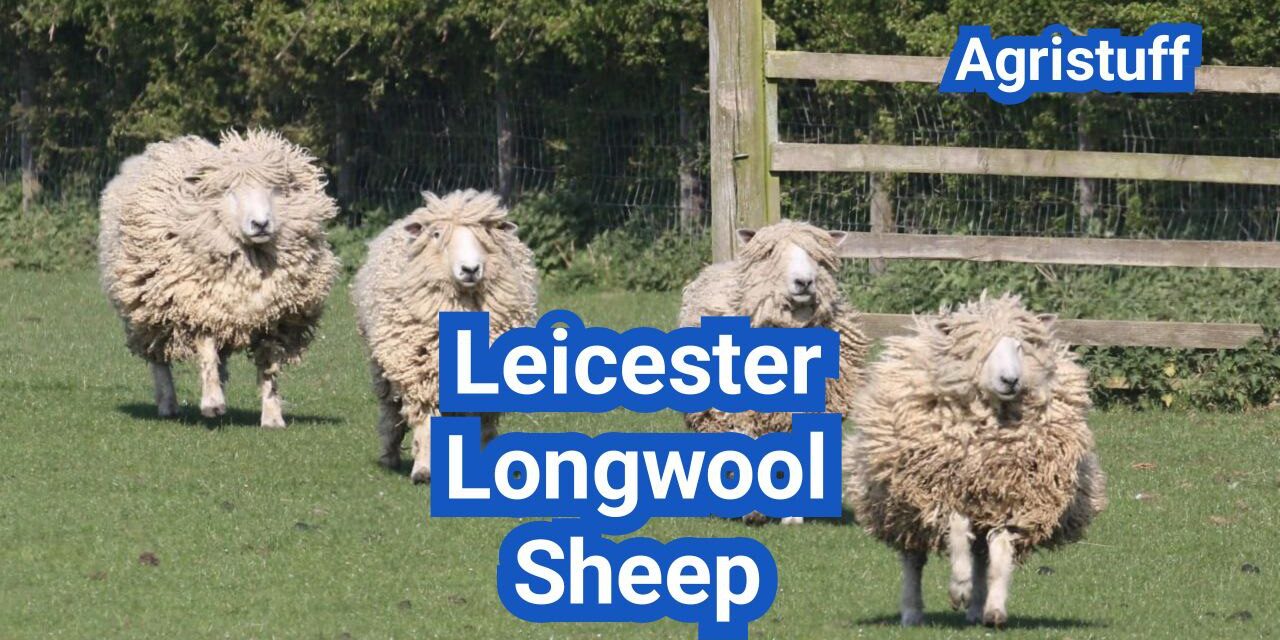
The Leicester Longwool is a notable breed known for its distinctive characteristics and historical significance. Developed in England in the mid-1700s by Robert Bakewell, this breed is part of the “luster longwool” group, renowned for its exceptional fleece quality.
The breed’s development marked a significant milestone in sheep breeding, enhancing the quality and quantity of wool production. With its rich history and unique features, the Leicester Longwool has become an important part of heritage longwool sheep breeds.
Key Takeaways
- Developed by Robert Bakewell in the mid-1700s.
- Part of the “luster longwool” breed group.
- Known for its exceptional fleece quality.
- Significant in the history of sheep breeding.
- Important part of heritage longwool sheep breeds.
The Rich Heritage of Leicester Longwool Sheep
As a breed developed by Robert Bakewell in the 1700s, Leicester Longwool sheep have played a significant role in shaping British agricultural practices. Their development marked a pivotal moment in the history of livestock breeding, showcasing the potential of selective breeding to improve animal husbandry.
Historical Significance in British Agriculture
The Leicester Longwool breed has a rich history that is deeply intertwined with British agriculture. Developed during a time when agricultural practices were evolving rapidly, this breed became a cornerstone of farming in 18th-century England. Robert Bakewell’s innovative breeding techniques not only improved the Leicester Longwool but also influenced the development of other sheep breeds.
Bakewell’s work with Leicester Longwool sheep demonstrated the power of selective breeding in creating high-quality livestock. By focusing on desirable traits such as fleece quality, size, and hardiness, Bakewell was able to create a breed that excelled in multiple areas. This approach to breeding had a lasting impact on British agriculture, as farmers began to adopt similar techniques to improve their own flocks.
From Common Stock to Specialized Breed
The transformation of Leicester Longwool sheep from common stock to a specialized breed is a testament to the effectiveness of Bakewell’s breeding program. Through careful selection and breeding, Bakewell was able to enhance the characteristics of the Leicester Longwool, making it a valuable asset for farmers. The breed’s development involved selecting for desirable traits such as improved fleece quality and increased size, resulting in a sheep that was both productive and resilient.
The success of the Leicester Longwool breed in becoming a specialized breed highlights the importance of dedicated breeding programs. By focusing on specific characteristics, breeders can create livestock that meet particular needs, whether for wool production, meat, or other purposes. The Leicester Longwool’s heritage as a breed developed through careful selection and breeding continues to influence its value and utility in modern agriculture.
Robert Bakewell: The Father of Leicester Longwool
Robert Bakewell’s groundbreaking work in breeding Leicester Longwool sheep laid the foundation for modern livestock farming practices. His innovative approaches to selective breeding not only improved the quality and characteristics of the Leicester Longwool breed but also influenced agricultural practices far beyond his time.
Bakewell’s Revolutionary Breeding Methods
Bakewell introduced several revolutionary breeding methods that significantly impacted the development of the Leicester Longwool breed. He emphasized the importance of selecting superior breeding stock, a practice that was not common at the time. By focusing on desirable traits such as size, fleece quality, and fertility, Bakewell was able to enhance the overall quality of the breed.
One of Bakewell’s key techniques was line breeding, which involved breeding animals with desirable traits to produce offspring with enhanced characteristics. This method allowed him to concentrate beneficial genes within the breed, leading to a more uniform and superior Leicester Longwool sheep.
Impact on Modern Livestock Breeding
Bakewell’s work had a profound impact on modern livestock breeding. His methods influenced not only the development of the Leicester Longwool breed but also the broader practices in animal husbandry. Charles Darwin and Gregor Mendel, pioneers in their respective fields, were influenced by Bakewell’s work, demonstrating the far-reaching implications of his breeding techniques.
| Innovation | Description | Impact |
|---|---|---|
| Selective Breeding | Choosing animals with desirable traits for breeding | Improved breed quality and uniformity |
| Line Breeding | Breeding animals with specific traits to enhance characteristics | Concentration of beneficial genes |
| Inbreeding Control | Managing breeding to avoid negative effects of inbreeding | Maintained genetic diversity and health |
The legacy of Robert Bakewell’s contributions to livestock breeding continues to be felt today, with his methods remaining relevant in modern agricultural practices. The Leicester Longwool breed, in particular, stands as a testament to the effectiveness of his innovative breeding techniques.
Origin and Development of the Leicester Longwool Breed
In the midst of agricultural innovation, 18th century England saw the birth of the Leicester Longwool breed. This period was marked by significant advancements in farming practices and livestock breeding, laying the groundwork for the development of specialized sheep breeds.
18th Century England: The Birthplace
The Leicester Longwool breed originated in the county of Leicestershire, England, where local farmers and breeders began experimenting with cross-breeding techniques to improve wool quality and meat production. Robert Bakewell, a pioneering figure in livestock breeding, played a crucial role in the development of the breed through his innovative breeding methods.
As noted by agricultural historians, “Bakewell’s work in the 18th century laid the foundation for modern livestock breeding, and his techniques were revolutionary for the time.” This emphasis on selective breeding helped establish the Leicester Longwool as a distinct and valuable breed.
Evolution Through Selective Breeding
The evolution of the Leicester Longwool breed was largely driven by selective breeding practices aimed at enhancing desirable traits such as fleece quality, size, and temperament. Breeders carefully selected animals with the most favorable characteristics to breed, gradually improving the overall quality of the flock.
Selective breeding allowed farmers to accentuate the breed’s natural advantages, resulting in a hardy and productive sheep breed. The Leicester Longwool’s development is a testament to the power of thoughtful and systematic breeding practices.
Today, the Leicester Longwool breed continues to be valued for its unique characteristics and contributions to agriculture. Its development in 18th century England marked the beginning of a new era in sheep breeding, and its legacy continues to influence modern farming practices.
Physical Characteristics of Leicester Longwool Sheep

The physical characteristics of Leicester Longwool sheep are a testament to the breed’s long history and selective breeding. These sheep are known for their impressive size and robust build, making them stand out among other breeds.
Distinctive Body Structure and Size
Leicester Longwool sheep are characterized by their large size and distinctive body structure. They have a deep, broad body with a well-sprung ribcage and a strong, muscular build. The breed is known for its impressive fleece, which is both heavy and of high quality.
Some key features of their body structure include:
- A broad, deep chest
- A well-sprung ribcage
- A strong, muscular back
- A robust overall build
Head, Face, and Leg Features
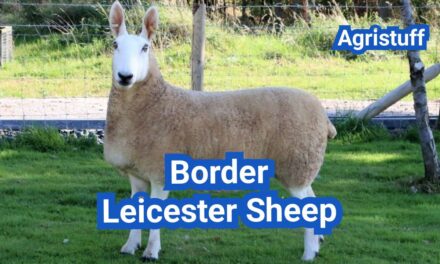
The head of a Leicester Longwool sheep is large and polled, meaning it has no horns. Their face is typically white, although some may have a slight darkening around the eyes and nose. The legs are strong and well-proportioned to the body, with a good covering of wool.
Color Variations Including Black Leicester Longwools
Leicester Longwool sheep come in two main color variations: white and black. The white Leicester Longwool is the more traditional color, while the black Leicester Longwool has gained popularity in recent years for its unique appearance and fleece characteristics.
The color variations are:
- White: The traditional and most common color
- Black: Gaining popularity for its unique fleece and appearance
The Remarkable Fleece of Leicester Longwool Sheep
The Leicester Longwool sheep is renowned for its exceptional fleece, a trait that has been cherished for centuries. This breed’s fleece is not only a testament to its historical significance but also a key factor in its popularity among shepherds and textile enthusiasts.
Fleece Characteristics and Staple Length
The fleece of Leicester Longwool sheep is characterized by its heaviness, soft handling, and lustrous appearance. One of its most distinctive features is the spiral-tipped staple, which can reach lengths of up to eight inches. This unique characteristic contributes to the fleece’s overall quality and aesthetic appeal.
Wool Quality and Texture
The wool of Leicester Longwool sheep is highly prized for its softness and lustrous texture. The fleece has a distinctive curl that adds to its overall quality, making it highly sought after for textile production. The wool’s fineness and brightness are attributes that contribute to its premium status in the market.
Annual Yield and Production
The annual yield of Leicester Longwool fleece is considerable, making it a valuable asset for breeders. The fleece is typically sheared once a year, with the quantity and quality of the wool being influenced by factors such as nutrition, health, and breeding practices. On average, a Leicester Longwool ewe can produce between 4 to 6 kilograms (8.8 to 13.2 pounds) of fleece per year.
Overall, the fleece of Leicester Longwool sheep is a remarkable trait that underscores the breed’s importance in both historical and contemporary contexts. Its quality, quantity, and unique characteristics make it a highly valued resource.
Leicester Longwool Sheep Temperament and Behavior

Leicester Longwool sheep exhibit a unique blend of docility and grazing eagerness, making them a popular choice for many farmers. Their calm nature allows for easy handling, which is a significant advantage in farm management.
Docile Nature and Handling Ease
One of the defining characteristics of Leicester Longwool sheep is their docile temperament. They are known to be gentle and not aggressive, which makes them easy to handle. This docility is particularly beneficial during lambing seasons and when managing the flock.
Farmers appreciate that Leicester Longwool sheep are not skittish and tend to remain calm under various conditions. Their ease of handling is a significant factor in their popularity among shepherds and farmers. Here are some key points about their handling ease:
- They are not easily frightened by human presence.
- Their calm nature makes them less prone to stress-related health issues.
- They respond well to gentle handling and regular interaction.
Flock Behavior and Social Structure
Leicester Longwool sheep are social animals that thrive in the company of other sheep. They exhibit a natural flock behavior, staying together and following established hierarchies within the group. Understanding their social structure is crucial for effective flock management.
The flock behavior of Leicester Longwool sheep includes:
- They tend to graze together, making it easier to manage grazing patterns.
- They establish a pecking order, which helps in maintaining order within the flock.
- They are known to be friendly towards each other, reducing conflicts within the group.
In conclusion, the temperament and behavior of Leicester Longwool sheep make them an ideal choice for farmers looking for a breed that is both manageable and productive. Their docile nature and social flock behavior contribute significantly to their appeal.
How to Breed Leicester Longwool Sheep Successfully
Successful Leicester Longwool sheep breeding involves a combination of quality stock selection and meticulous lambing season management. Breeding these sheep requires a deep understanding of their specific needs and characteristics.
Selecting Quality Breeding Stock
Selecting quality breeding stock is crucial for successful breeding. Farmers should look for animals with desirable traits such as robust health, good fleece quality, and a temperament suitable for their farm’s environment.
Key characteristics to consider include the sheep’s body structure, fleece staple length, and overall hardiness. Breeders should also evaluate the genetic diversity of their flock to avoid inbreeding issues.
Lambing Season Preparation and Management
Preparing for lambing season is vital to ensure the health and survival of both ewes and lambs. This includes providing adequate nutrition for pregnant ewes, ensuring clean and safe lambing areas, and having necessary supplies on hand.
- Provide ewes with a nutritious diet rich in essential nutrients.
- Ensure lambing areas are clean, dry, and free from predators.
- Have a plan in place for potential complications during lambing.
Care of Ewes and Lambs
After lambing, it’s essential to monitor the health of both ewes and lambs closely. This includes ensuring lambs are receiving adequate colostrum and providing appropriate care for ewes to help them recover from lambing.
Regular checks on the flock during this period can help identify any health issues early, allowing for timely intervention.
By focusing on these critical areas, breeders can improve the success of their Leicester Longwool sheep breeding program, leading to healthier animals and a more productive flock.
How to Manage Pasture for Leicester Longwool Sheep

Effective pasture management is crucial for the health and productivity of Leicester Longwool sheep. As eager grazers, Leicesters require optimal grazing practices to thrive.
Optimal Grazing Practices and Rotation
Implementing a rotational grazing system is key to maintaining healthy pastures for Leicester Longwool sheep. This involves dividing the pasture into smaller sections and rotating the flock through them. Rotational grazing helps in preventing overgrazing, reducing parasite loads, and promoting regrowth.
According to agricultural experts, “Rotational grazing is a powerful tool for improving pasture productivity and reducing environmental impact.” By adopting this practice, farmers can ensure that their Leicester Longwool sheep have access to fresh, nutritious forage.
Conservation Grazing Benefits
Leicester Longwool sheep can play a significant role in conservation grazing programs. Their grazing habits can help maintain open landscapes, promote biodiversity, and control invasive species. Conservation grazing benefits not only the sheep but also the ecosystem as a whole.
- Maintaining open landscapes
- Promoting biodiversity
- Controlling invasive species
By incorporating Leicester Longwool sheep into conservation grazing strategies, land managers can achieve their ecological goals while also raising healthy, productive animals.
Implementing Integrated Parasite Management
Integrated Parasite Management (IPM) is crucial for maintaining the health of Leicester Longwool sheep. IPM involves a combination of strategies including rotational grazing, monitoring parasite loads, and using targeted treatments when necessary.
As stated by a leading sheep breeder, “Integrated Parasite Management is not just about treating parasites; it’s about creating a holistic management plan that promotes overall flock health.” This approach helps in reducing the reliance on chemical treatments and promotes sustainable sheep farming practices.
By adopting these strategies, farmers can ensure the long-term health and productivity of their Leicester Longwool flocks.
Multiple Uses of Leicester Longwool Sheep
The Leicester Longwool sheep breed is renowned for its multiple uses, making it a valuable asset in agricultural settings. This versatility is a significant factor in its enduring popularity among farmers and conservationists.
Premium Wool Production
One of the standout features of Leicester Longwool sheep is their premium wool production. The fleece of these sheep is highly prized for its quality, with characteristics that make it ideal for a variety of textile applications. The staple length of Leicester Longwool wool is particularly notable, often exceeding 8 inches, which contributes to its value.
“The fleece of Leicester Longwool sheep is considered one of the finest wools available, known for its softness, durability, and lustrous finish.” This makes it highly sought after by handspinners and textile manufacturers.
Meat Quality and Characteristics
In addition to their valuable wool, Leicester Longwool sheep are also recognized for their meat quality. The breed produces well-muscled lambs that are suitable for the meat market, offering a desirable balance of size and tenderness.
- High-quality meat production
- Desirable carcass characteristics
- Good growth rates
The meat from Leicester Longwool sheep is known for its tenderness and flavor, making it a popular choice among consumers looking for high-quality lamb products.
Conservation and Heritage Value
Beyond their economic uses, Leicester Longwool sheep hold significant conservation and heritage value. As a heritage breed, they play a crucial role in maintaining genetic diversity within sheep populations and are often involved in conservation grazing programs.
“Conservation grazing with heritage breeds like the Leicester Longwool can enhance biodiversity, improve ecosystem health, and preserve cultural heritage.”
This aspect of Leicester Longwool sheep is increasingly important as efforts to preserve traditional farming practices and landscapes continue to grow.
How to Process Leicester Longwool Yarn and Fleece
To get the most out of your Leicester Longwool sheep, it’s essential to learn the proper techniques for processing their valuable fleece. Processing Leicester Longwool yarn and fleece involves several steps, from shearing to spinning, and requires attention to detail and a commitment to quality.
Shearing Techniques and Preparation Checklist
Shearing is the first step in processing Leicester Longwool fleece. It’s crucial to shear your sheep at the right time to ensure the fleece is clean and of high quality. Typically, shearing is done once a year, in the spring when the weather starts to warm up.
- Prepare your shearing equipment: Ensure your shears are sharp and in good condition.
- Clean the fleece area: Remove any dirt or debris from the sheep’s fleece before shearing.
- Shear carefully: Avoid cutting the sheep’s skin and try to remove the fleece in one piece.
Processing Raw Fleece Step-by-Step
After shearing, the raw fleece needs to be processed. This involves several steps to clean and prepare the fleece for spinning or other uses.
- Sorting: Separate the fleece into different grades based on quality and color.
- Scouring: Wash the fleece in hot water to remove dirt, oil, and lanolin.
- Rinsing: Rinse the scoured fleece thoroughly to remove any soap residue.
- Drying: Dry the fleece completely, either by air drying or using a drying machine.
Handspinning Techniques for Longwool
Handspinning is a traditional method of spinning wool into yarn. Leicester Longwool is particularly well-suited for handspinning due to its long staple length and soft texture.
To handspin Leicester Longwool, you’ll need a spinning wheel or spindle. The key is to draft the fibers out slowly and evenly, creating a consistent yarn thickness.
Dyeing and Finishing Methods
Once you have your yarn, you can dye it to achieve the desired color. Natural dyes can be used to create a range of subtle colors, while synthetic dyes offer a broader spectrum of colors.
After dyeing, the yarn can be finished by washing it in cold water and allowing it to dry. This helps to set the color and soften the yarn, making it ready for knitting or weaving.
By following these steps and techniques, you can process your Leicester Longwool fleece into high-quality yarn, perfect for crafting beautiful textiles.
Leicester Longwool Sheep in the United States

The story of Leicester Longwool sheep in America is one of adaptation, growth, and conservation. Initially introduced to the United States as part of early agricultural endeavors, the breed has carved out a niche for itself across American farms.
Early Introduction and Spread
The Leicester Longwool breed was first introduced to the United States in the 18th century, as part of the broader trend of importing British breeds to improve local stock. The breed’s exceptional fleece quality and robust nature made it an attractive choice for early American farmers.
As American agriculture expanded, so did the presence of Leicester Longwool sheep. They were valued not only for their wool but also for their meat and their role in landscape management. The breed’s ability to thrive in various conditions contributed to its spread across different regions.
Current Population and Distribution
Today, Leicester Longwool sheep can be found in various parts of the United States, with a notable presence in areas with historical significance and conservation efforts. While exact numbers are difficult to determine due to the breed’s relatively rare status, the population is maintained through dedicated breeding programs.
The breed’s distribution is influenced by factors such as climate, pasture quality, and the presence of breeders’ networks. Conservation programs have played a crucial role in sustaining the breed’s presence in the country.
Colonial Williamsburg Conservation Program
A significant factor in the reintroduction and conservation of Leicester Longwool sheep in the United States has been the Colonial Williamsburg conservation program. This initiative has been instrumental in reestablishing the breed and promoting its unique characteristics.
- The program involves breeding Leicester Longwool sheep using historically accurate methods.
- It focuses on educating the public about the breed’s history and significance.
- The initiative also supports the development of sustainable farming practices.
The Colonial Williamsburg program is a testament to the ongoing efforts to preserve heritage breeds like the Leicester Longwool. By maintaining a living history farm with these sheep, the program educates visitors and ensures the breed’s continued presence in American agricultural heritage.
The story of Leicester Longwool sheep in America is a rich tapestry of history, conservation, and agricultural innovation. As the breed continues to adapt to modern farming practices, its legacy remains an important part of American agricultural history.
How to Connect with Leicester Longwool Organizations
Engaging with Leicester Longwool organizations is a great way to stay updated on best practices and new developments in the field. By connecting with these organizations, breeders and enthusiasts can gain valuable insights and resources.
Leicester Longwool Sheep Breeders Association
The Leicester Longwool Sheep Breeders Association plays a vital role in promoting and preserving the breed. Members benefit from:
- Access to a network of experienced breeders
- Regular updates on breed standards and best practices
- Opportunities to participate in breed shows and events
The Leicester Longwool Society
The Leicester Longwool Society is another key organization dedicated to the welfare and advancement of the Leicester Longwool breed. The society:
- Provides educational resources for breeders and enthusiasts
- Organizes events and conferences to promote the breed
- Supports conservation efforts to protect the breed’s heritage
Conservation Programs and Initiatives
Several conservation programs are in place to protect and promote the Leicester Longwool breed. These initiatives include:
- Genetic conservation programs to maintain the breed’s genetic diversity
- Heritage conservation efforts to preserve the historical significance of the breed
- Collaborations with other breed societies to enhance conservation efforts
By engaging with these organizations, individuals can contribute to the ongoing conservation and promotion of the Leicester Longwool breed.
How to Start Your Own Leicester Longwool Flock

To establish a successful Leicester Longwool flock, you’ll need to plan carefully and invest wisely. Starting with the right foundation is crucial for the long-term success of your sheep-raising venture.
Initial Investment and Requirements
The initial investment for a Leicester Longwool flock includes the cost of purchasing high-quality breeding stock, setting up appropriate fencing and shelter, and acquiring necessary equipment. The price of Leicester Longwool sheep can vary depending on factors such as age, quality, and pedigree. On average, you can expect to pay between $500 to $1,500 per animal for top-grade breeding stock.
In addition to the initial purchase, you’ll need to consider ongoing expenses such as feed, veterinary care, and flock management. It’s essential to have a comprehensive business plan that outlines your budget and financial projections.
Finding Reputable Breeders
Locating reputable breeders is a critical step in starting your Leicester Longwool flock. You can begin by contacting the Leicester Longwool Sheep Breeders Association or the Leicester Longwool Society for recommendations. These organizations can provide valuable resources and connect you with experienced breeders who have a proven track record.
When selecting breeders, it’s crucial to ask about their breeding practices, the health and genetic diversity of their flock, and any relevant certifications or registrations. Visiting potential breeders in person can give you a firsthand look at their operations and help you make an informed decision.
USDA Regulations and Scrapie Tags
Compliance with USDA regulations is mandatory for sheep farmers in the United States. One key requirement is the use of scrapie tags for identification purposes. Scrapie is a transmissible spongiform encephalopathy that affects sheep and goats, and the tagging system helps track and manage the disease.
To comply with USDA regulations, you’ll need to obtain official scrapie tags for your Leicester Longwool sheep. These tags are available through approved tag suppliers, and the process involves registering your flock and obtaining the necessary identification tags.
Marketing Your Leicester Longwool Products
Once your flock is established, you can explore various marketing opportunities for your Leicester Longwool products, including specialty wool markets in the USA. The unique characteristics of Leicester Longwool wool, such as its long staple length and lustrous finish, make it highly prized in niche markets.
You can market your products directly to consumers through online platforms, farmers’ markets, or local craft fairs. Additionally, you can explore business-to-business opportunities by supplying your wool to textile manufacturers or artisans who value high-quality fibers.
Developing a strong brand identity and leveraging social media can help you reach a wider audience and differentiate your products in a competitive market.
The Future of Leicester Longwool Sheep
The Leicester Longwool sheep breed’s future relies heavily on conservation efforts and targeted grazing practices. As a heritage breed, conservation grazing with Leicester Longwool sheep plays a crucial role in maintaining ecological balance and promoting biodiversity.
Targeted grazing weed control using Leicester Longwool sheep is another valuable practice that not only aids in land management but also supports the breed’s survival. By adopting sustainable grazing practices, farmers and conservationists can help ensure the long-term viability of this historic breed.
Efforts to conserve the Leicester Longwool breed are underway, with organizations such as the Leicester Longwool Sheep Breeders Association and The Leicester Longwool Society working to promote the breed and support its conservation. As interest in heritage breeds continues to grow, the future of Leicester Longwool sheep looks promising, with opportunities for breeders to develop new markets and products.
By embracing conservation grazing and targeted grazing practices, the agricultural community can contribute to the preservation of this iconic breed, ensuring its continued relevance in modern agriculture and conservation.
FAQ
What is the history of Leicester Longwool sheep?
Leicester Longwool sheep have a rich heritage dating back to 18th century England, where they were developed by Robert Bakewell through selective breeding.
Who is Robert Bakewell and what is his significance in the development of Leicester Longwool sheep?
Robert Bakewell is considered the father of Leicester Longwool sheep, and his revolutionary breeding methods had a significant impact on modern livestock breeding.
What are the physical characteristics of Leicester Longwool sheep?
Leicester Longwool sheep are known for their distinctive body structure, size, and fleece characteristics, with a docile nature and handling ease.
What is the fleece of Leicester Longwool sheep like?
The fleece of Leicester Longwool sheep is remarkable for its characteristics, staple length, wool quality, and annual yield, making it highly prized for wool production.
How do I breed Leicester Longwool sheep successfully?
To breed Leicester Longwool sheep successfully, it’s essential to select quality breeding stock, prepare for lambing season, and provide proper care for ewes and lambs.
What are the optimal grazing practices for Leicester Longwool sheep?
Optimal grazing practices for Leicester Longwool sheep include rotational grazing, conservation grazing, and implementing integrated parasite management.
What are the multiple uses of Leicester Longwool sheep?
Leicester Longwool sheep are valued for their premium wool production, meat quality, and conservation and heritage value.
How do I process Leicester Longwool yarn and fleece?
Processing Leicester Longwool yarn and fleece involves shearing techniques, processing raw fleece, handspinning techniques, and dyeing and finishing methods.
Are Leicester Longwool sheep found in the United States?
Yes, Leicester Longwool sheep were introduced to the United States and are now found across America, with conservation programs such as the Colonial Williamsburg Conservation Program.
How can I connect with Leicester Longwool organizations?
You can connect with Leicester Longwool organizations through the Leicester Longwool Sheep Breeders Association, The Leicester Longwool Society, and conservation programs and initiatives.
How do I start my own Leicester Longwool flock?
To start your own Leicester Longwool flock, you’ll need to consider initial investment, find reputable breeders, comply with USDA regulations, and market your products.
What is the future of Leicester Longwool sheep?
The future of Leicester Longwool sheep depends on conservation efforts and sustainable grazing practices to preserve this heritage breed.
What is the breed standard for Leicester Longwool sheep?
The breed standard for Leicester Longwool sheep includes specific characteristics, such as body structure, fleece quality, and temperament.
How do I implement integrated parasite management for my Leicester Longwool flock?
Implementing integrated parasite management involves a combination of grazing management, monitoring parasite loads, and using targeted treatments.
What are the benefits of conservation grazing with Leicester Longwool sheep?
Conservation grazing with Leicester Longwool sheep can help maintain ecosystem health, promote biodiversity, and improve pasture quality.
Conclusion of: Leicester Longwool Sheep Breed
What the Leicester Longwool Sheep is and why it matters in the U.S.
The Leicester Longwool Sheep is a heritage longwool breed best known for its heavy, lustrous fleece and practical, pasture-friendly type—making it especially interesting for U.S. farms that want a dual-purpose sheep with strong fiber value. The Leicester Longwool Sheep also has a conservation story in North America, which adds value for breeders who care about preserving rare livestock genetics alongside real-world productivity. Leicester Longwool Sheep breed profile (The Livestock Conservancy)
A short history of the Leicester Longwool Sheep and Robert Bakewell
The Leicester Longwool Sheep is closely linked to the history of modern selective breeding because the breed became famous during the 1700s, when Robert Bakewell’s methods helped shape how livestock improvement would be approached for centuries. Understanding this background helps U.S. producers see why the Leicester Longwool Sheep is often mentioned when people discuss early, systematic breeding for performance, consistency, and predictable results. “Rare Sheep” and 18th-century husbandry (Colonial Williamsburg)
Origin and global spread of the Leicester Longwool Sheep
The Leicester Longwool Sheep originated in England and later spread as longwool genetics were valued for both carcass and fleece traits, leading to populations and influence beyond the U.K. For U.S. farmers and homesteaders, it’s helpful to know the Leicester Longwool Sheep is documented in multiple regions, including the United States, which supports access to local breeding networks and adapted management knowledge. Leicester Longwool Sheep overview (Oklahoma State University)
The Leicester Longwool Sheep in North America and conservation breeding
The Leicester Longwool Sheep is part of a North American conservation effort because the breed’s numbers declined and required targeted work to rebuild. For many U.S. breeders, the Leicester Longwool Sheep is appealing not only for fleece quality but also because breeding programs can support rare-breed preservation while still producing marketable wool and lambs. Conservation status and traits (The Livestock Conservancy)
How to recognize the Leicester Longwool Sheep: key physical traits
The Leicester Longwool Sheep is typically medium-to-large, polled (no horns), and recognized by its longwool character—especially the distinctive ringlets and bright luster in the fleece. Breed descriptions for the Leicester Longwool Sheep also emphasize robust constitution and a functional build that supports active grazing and long-term soundness in a working flock. Breed standard details (Leicester Longwool Sheep Breeders Association)
Size, frame, and production-minded structure in the Leicester Longwool Sheep
In practical farm terms, the Leicester Longwool Sheep is valued for having a substantial frame and a high-quality carcass potential alongside its fleece, which is why it’s often described as dual-purpose. When selecting Leicester Longwool Sheep breeding stock, prioritizing sound feet/legs and correct movement is important because these traits directly influence pasture efficiency, breeding longevity, and overall flock performance. Movement and functional type guidance (LLWSBA)
Fleece quality: what makes Leicester Longwool Sheep wool stand out
The Leicester Longwool Sheep fleece is known for heavy weight, long staple length, strong luster, and a curl pattern that appeals to handspinners, fiber artists, and specialty mills. Many profiles note that a Leicester Longwool Sheep fleece can commonly fall in the 11–15 lb range (with some heavier), and staple length can be exceptionally long, which supports premium “locks” sales and high-end yarn production. Fleece weights and staple notes (Oklahoma State University)
Temperament and handling: daily management of Leicester Longwool Sheep
The Leicester Longwool Sheep is often described as docile and easy to handle, which can reduce labor stress for U.S. farms that rely on family help, small crews, or frequent hands-on care. That said, good handling still matters: calm movement, consistent routines, and solid facilities can make Leicester Longwool Sheep work safer for you and healthier for the flock—especially during lambing, shearing, and health checks. Docility and handling character (LLWSBA)
Pasture and grazing systems that suit Leicester Longwool Sheep
A pasture-first approach can work very well for the Leicester Longwool Sheep, but grazing strategy should be planned with parasite prevention in mind because internal parasites are a major production limiter in small ruminants. Rotational grazing, avoiding overgrazing, and designing rest periods can help protect Leicester Longwool Sheep performance while reducing reliance on dewormers. Grazing management for parasite control (University of Missouri Extension)
Multi-species grazing and where Leicester Longwool Sheep fits
The Leicester Longwool Sheep can be used in multi-species grazing plans alongside cattle or goats, but you should understand diet overlap and parasite considerations. For example, guidance notes that sheep and goats share parasites and that preventing animals from grazing too low can reduce infection risk, which is directly relevant when building a pasture rotation around Leicester Longwool Sheep. Multi-species grazing basics (University of Minnesota Extension)
Nutrition basics for Leicester Longwool Sheep through the year
The Leicester Longwool Sheep will thrive when nutrition matches the production stage—maintenance, flushing, late gestation, lactation, and growth for lambs—because each stage shifts energy and protein needs. In particular, late pregnancy is a high-risk window where underfeeding can reduce lamb vigor and milk production, so many U.S. producers plan supplements to keep Leicester Longwool Sheep ewes in strong, steady condition. Late gestation feeding guidance (eXtension Sheep)
Breeding goals and selection in Leicester Longwool Sheep
Breeding the Leicester Longwool Sheep successfully usually means selecting for a balanced set of traits: sound structure, functional movement, good mothering ability, and the hallmark fleece qualities that make the breed economically unique. Using a breed standard as a selection checklist can help Leicester Longwool Sheep breeders stay consistent across generations and reduce the risk of drifting away from the breed’s defining strengths. Selection priorities in the breed standard (LLWSBA)
Reproduction planning: lambing outcomes for Leicester Longwool Sheep
Managing Leicester Longwool Sheep reproduction starts with body condition, mineral balance, and a calm, low-stress environment that supports breeding success and easy lambing. Many U.S. producers focus on pre-lambing nutrition, shelter planning, and observation routines so Leicester Longwool Sheep ewes can mother well, maintain milk production, and raise vigorous lambs with fewer interventions. How late pregnancy nutrition affects lambing (eXtension Sheep)
Health, traceability, and U.S. compliance for Leicester Longwool Sheep
If you buy, sell, show, or transport Leicester Longwool Sheep in the United States, it’s smart to understand official identification rules and program support tied to disease traceability. USDA APHIS provides guidance on sheep and goat identification within the National Scrapie Eradication Program, including how producers can request flock ID tags—important practical compliance knowledge for Leicester Longwool Sheep breeders and sellers. USDA APHIS: Sheep and goat identification
Parasite control: protecting Leicester Longwool Sheep on pasture
Internal parasites can quietly reduce growth, fertility, and fleece value in the Leicester Longwool Sheep, so an integrated approach is best: pasture management, monitoring (including fecal checks where possible), and strategic treatment that avoids accelerating drug resistance. Extension guidance explains that infective larvae are often more concentrated in lower forage strata, which reinforces why overgrazing is risky for Leicester Longwool Sheep and other grazing sheep. Sustainable parasite control for sheep and goats (MSU Extension PDF)
Shearing and fleece preparation for Leicester Longwool Sheep wool value
Because the Leicester Longwool Sheep fleece can be a premium product, shearing prep and contamination control (hay chaff, burrs, vegetable matter, stained wool) can have a direct impact on sale price. Industry resources include checklists and programs that help producers improve clip handling, which is especially valuable when you market Leicester Longwool Sheep fleeces to handspinners or send fiber to a mill. Wool & pelt resources and shearing checklists (ASI)
U.S. wool market context for Leicester Longwool Sheep producers
Even if you sell Leicester Longwool Sheep fiber as a specialty product, it helps to understand U.S. wool market signals because they influence buyer expectations and processing options. USDA’s “Sheep and Goats” report summarizes national shorn wool production and average prices, which provides useful background when planning your Leicester Longwool Sheep wool marketing strategy and setting realistic revenue goals. USDA NASS: Sheep and Goats report (Jan 31, 2025 PDF)
Programs that support wool improvement for Leicester Longwool Sheep flocks
The Leicester Longwool Sheep can benefit from broader U.S. efforts that support wool competitiveness, producer education, and market development. USDA AMS describes the Wool Research, Development, and Promotion Trust Fund, which exists to assist U.S. wool producers with improving wool quality and strengthening markets—goals that align well with Leicester Longwool Sheep fiber-focused operations. USDA AMS: Wool Trust overview
Land stewardship and targeted grazing opportunities with Leicester Longwool Sheep
Beyond wool and lamb, the Leicester Longwool Sheep can be part of stewardship-focused systems where grazing is used to manage vegetation and reduce weed pressure. UC ANR notes that grazing can help control weeds, but success depends on weed species, timing, plant growth stage, and toxicity considerations—important planning details if your Leicester Longwool Sheep are used for conservation grazing or vegetation management. Grazing for weed management (UC ANR WeedCUT)
Planning a diverse grazing system that includes Leicester Longwool Sheep
When designing a pasture plan that includes the Leicester Longwool Sheep, it can help to think in terms of forage utilization, diet selection, and monitoring so your land stays productive over time. Practical resources explain how different species select different plants and why careful grazing plans prevent overgrazing—insight that can help you integrate Leicester Longwool Sheep into diversified, sustainable U.S. grazing systems. Multispecies grazing primer (ATTRA)
Getting started: registration, community, and sourcing Leicester Longwool Sheep in the U.S.
If you want to raise Leicester Longwool Sheep seriously—whether for breeding stock, fiber production, or conservation goals—connecting with the breed registry and community can speed up your progress. The Leicester Longwool Sheep Breeders Association supports preservation and promotion, and it can be a practical hub for learning how to evaluate Leicester Longwool Sheep type, confirm registration, and find reputable breeders. Leicester Longwool Sheep Breeders Association (U.S.)
Final thought
If your goal is a sheep that can anchor a premium fiber enterprise while still working as a productive pasture animal, the Leicester Longwool Sheep is a strong candidate—especially when you manage grazing, nutrition, and health with a long-term plan. For many U.S. farms, raising Leicester Longwool Sheep is not only about products like wool and lamb, but also about protecting a rare breed whose history helped shape modern livestock breeding. Why the Leicester Longwool Sheep matters today (The Livestock Conservancy)
Sources & References
The Leicester Longwool Sheep references below were chosen for authority and reliability, including U.S. extension resources and official industry or government sources.
- Leicester Longwool Sheep Breeders Association
- Leicester Longwool – Wikipedia
- Leicester Longwool Sheep – The Livestock Conservancy
- Black Leicester Longwool | Maryland Sheep and Wool Festival
- Leicester Longwool Sheep Breeders Association – Longwool role
- USDA APHIS sheep & goat identification hub
- Oklahoma State University – Breeds of Livestock: Leicester Longwool Sheep
- Leicester Longwool Sheep Breeders Association – Breed Standard
- Colonial Williamsburg – Rare Sheep (Leicester Longwools)
- University of Missouri Extension – Grazing Management for Parasite Control
- University of Minnesota Extension – Multi-species grazing
- eXtension Sheep – Feeding the Ewe During Late Pregnancy
- USDA APHIS – Sheep and Goat Identification
- Mississippi State University Extension – Sustainable Parasite Control (PDF)
- American Sheep Industry Association – Wool & Pelt Resources
- USDA NASS – Sheep and Goats (Jan 31, 2025) (PDF)
- USDA AMS – Wool Trust
- UC ANR WeedCUT – Grazing for Weed Management
- ATTRA – Multispecies Grazing: A Primer on Diversity