The Gulf Coast Native Sheep, also known as Woods sheep, have a rich history that dates back to the 1500s when Spanish explorers brought their flocks to the New World.
This breed has since adapted to the harsh climate of the southeastern United States, developing unique characteristics that make it an important part of the region’s agricultural heritage.
Understanding the history, origin, and characteristics of the Gulf Coast Native Sheep is essential for appreciating its value in breeding programs and its various uses.
Key Takeaways
- The Gulf Coast Native Sheep has its roots in Spanish sheep brought to the Americas in the 1500s.
- This breed is known for its hardiness and adaptability to challenging environments.
- Gulf Coast Native Sheep are used in various agricultural settings due to their unique characteristics.
- Breeding programs often utilize Gulf Coast Native Sheep for their desirable traits.
- The history and origin of the Gulf Coast Native Sheep are closely tied to the early settlement of the southeastern United States.
The Heritage of Gulf Coast Native Sheep
Originating in the southeastern United States, Gulf Coast Native Sheep have evolved over time to become a distinct and valuable heritage breed. Their development is closely tied to the history and climate of the Gulf Coast region, where they have thrived for centuries.
What Makes Gulf Coast Native Sheep Unique
Gulf Coast Native Sheep are known for their natural resistance to parasites, a trait that has become increasingly valuable in modern sheep farming and production. This resistance, combined with their ability to thrive in hot and humid climates, makes them an important breed for farmers in similar environments.
Their adaptability and hardiness are key characteristics that have allowed Gulf Coast Native Sheep to survive and flourish in challenging conditions. These traits are a result of natural selection and the breed’s historical development in the southeastern United States.
Conservation Status and Importance
Despite their importance, Gulf Coast Native Sheep are considered a conservation priority due to their relatively small numbers and the threat of genetic dilution from other breeds. Conservation efforts are underway to protect and promote this heritage breed.
The conservation of Gulf Coast Native Sheep is not only important for preserving genetic diversity but also for maintaining the cultural heritage associated with these animals. They represent a living link to the agricultural history of the Gulf Coast region.
By supporting conservation efforts and promoting the value of Gulf Coast Native Sheep, farmers and consumers can help ensure the long-term viability of this unique breed.
History and Origin of Gulf Coast Native Sheep
Originating from Spanish sheep introduced to the New World, Gulf Coast Native Sheep have evolved over centuries. Their history is a testament to the adaptability and resilience of these animals as they developed in the harsh yet diverse environments along the Gulf Coast.
Spanish Colonial Roots
The story of Gulf Coast Native Sheep begins with the arrival of Spanish sheep in the New World in the 16th century. These sheep were part of the broader effort by Spanish colonizers to establish a foothold in the Americas, bringing with them livestock that could thrive in the new environments they encountered. The sheep that would eventually become the Gulf Coast Native breed were likely influenced by various Spanish breeds, known for their hardiness and ability to adapt to different climates.
Key characteristics of these early sheep included their ability to withstand heat, humidity, and the presence of parasites, traits that would become hallmarks of the Gulf Coast Native Sheep breed. Over time, natural selection played a significant role in shaping the breed, favoring individuals with traits that allowed them to survive and reproduce in the challenging conditions of the Gulf Coast.
Development Along the Gulf Coast
As European settlement expanded along the Gulf Coast, the sheep that had been introduced by the Spanish continued to evolve. The Gulf Coast region, with its hot and humid climate, presented unique challenges to livestock. However, the sheep that thrived in this environment became increasingly well-adapted, developing characteristics that distinguished them from their ancestors and other breeds.
The development of Gulf Coast Native Sheep was also influenced by their management. Initially, many of these sheep were managed extensively, allowed to roam freely, and were subject to minimal selective breeding. This management style further contributed to the breed’s hardiness and its ability to forage effectively.
The result of this long history of adaptation and natural selection is a breed that is not only resilient but also well-suited to the environments in which they were developed. Today, Gulf Coast Native Sheep are recognized for their historical significance and their potential to contribute to sustainable livestock production systems.
Regional Variations of Gulf Coast Native Sheep
As the Gulf Coast Native Sheep breed developed, regional variations emerged, such as the Florida Native Sheep. These variations are a result of geographical isolation and adaptation to local environments.
Florida Native Sheep vs. Gulf Coast Native Sheep
The Florida Native Sheep is often considered a subset of the Gulf Coast Native Sheep breed. While they share many characteristics, there are distinct differences due to selective breeding and environmental factors.
“The Florida Native Sheep has developed unique traits that enable it to thrive in the state’s subtropical climate,” notes a sheep breeder. This adaptation is crucial for the breed’s survival and success in the region.
- Similarities include their hardiness and parasite resistance.
- Differences are seen in their physical characteristics and fleece quality.
Louisiana Native Sheep
The Louisiana Native Sheep is another regional variation that has developed distinct characteristics. These sheep have adapted to the state’s humid climate and are known for their robust health and productivity.
| Characteristics | Florida Native Sheep | Louisiana Native Sheep |
|---|---|---|
| Climate Adaptation | Subtropical | Humid |
| Hardiness | High | High |
| Fleece Quality | Variable | Robust |
Understanding these regional variations is essential for breeders and farmers who are looking to raise Gulf Coast Native Sheep. By recognizing the unique traits of each regional type, they can make informed decisions about which sheep to raise for their specific needs and environments.
Physical Characteristics of Gulf Coast Native Sheep

The Gulf Coast Native Sheep breed is known for its robust physical characteristics, which have been shaped by its history and environment. These characteristics not only define the breed but also contribute to its hardiness and adaptability.
Size and Body Structure
Gulf Coast Native Sheep vary in size, with rams typically weighing between 125 to 200 pounds and ewes ranging from 90 to 160 pounds. Their body structure is sturdy, adapted for foraging and resilience in challenging environments. As noted by sheep breeders, “The robust build of Gulf Coast Native Sheep is a testament to their ability to thrive in harsh conditions.”
The breed’s size and body structure are influenced by its genetic heritage and the environmental pressures of the Gulf Coast region. This has resulted in a sheep that is not only resilient but also well-suited to its native habitat.
Coat and Coloration
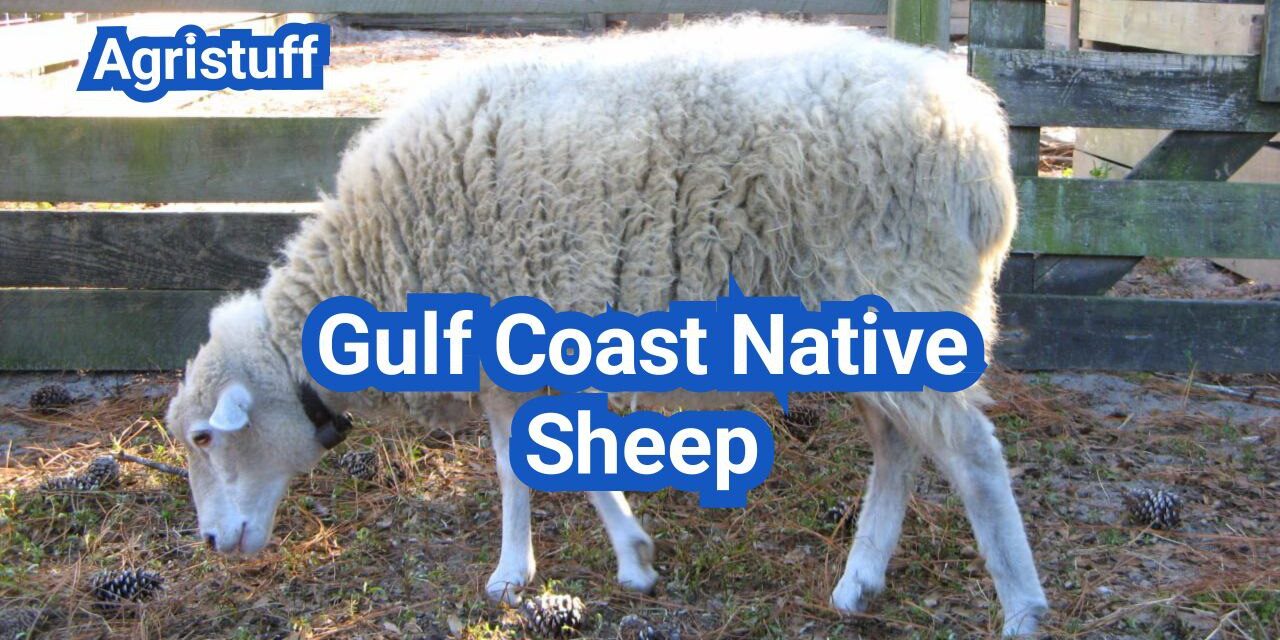
The coat of Gulf Coast Native Sheep can vary significantly, with a range of colors observed. Common colors include various shades of brown, black, and white, often with distinctive markings. The coat’s quality and coloration play a crucial role in the sheep’s ability to withstand the elements.
Variety in coat coloration is one of the breed’s distinguishing features, making each sheep unique. The coloration can range from a solid color to a mix of different shades, adding to the breed’s visual appeal.
Horned vs. Polled Varieties
Gulf Coast Native Sheep can be either horned or polled, with both types being represented within the breed. The presence or absence of horns is a significant characteristic, influenced by genetics. Both horned and polled varieties have their advantages, with horns providing defense and polled sheep potentially being easier to manage.
“The diversity in horn status among Gulf Coast Native Sheep adds to the breed’s overall hardiness and adaptability.”
Distinguishing Features
One of the key distinguishing features of Gulf Coast Native Sheep is their overall hardiness and ability to thrive in challenging conditions. Their robust physical characteristics, combined with their varied appearance, make them a notable breed among sheep enthusiasts.
In summary, the physical characteristics of Gulf Coast Native Sheep, including their size, coat, coloration, and horn status, contribute to their unique identity and value as a breed.
Adaptability and Hardiness Features
The Gulf Coast Native Sheep breed is renowned for its exceptional adaptability and hardiness. This breed has evolved over centuries to thrive in the challenging environments along the Gulf Coast region of the United States.
Heat Tolerance
Gulf Coast Native Sheep are known for their heat tolerance, a trait that has been developed through generations of natural selection in hot and humid climates. They can withstand high temperatures and continue to forage effectively even during the hottest parts of the day.
Foraging Ability
These sheep have an impressive foraging ability, allowing them to survive on sparse vegetation. Their ability to browse on a variety of plants makes them well-suited to areas with limited pasture.
| Characteristics | Description | Benefit |
|---|---|---|
| Heat Tolerance | Ability to withstand high temperatures | Effective foraging in hot climates |
| Foraging Ability | Survival on sparse vegetation | Suitable for areas with limited pasture |
| Longevity and Vigor | Long lifespan and robust health | Reduced replacement costs and increased productivity |
Longevity and Vigor
Gulf Coast Native Sheep are also noted for their longevity and vigor. They have a long lifespan and remain productive for many years, making them a valuable asset for farmers and shepherds.
In conclusion, the adaptability and hardiness features of Gulf Coast Native Sheep make them an excellent choice for farmers in challenging environments. Their heat tolerance, foraging ability, and longevity and vigor contribute to their value as a hardy and productive breed.
Gulf Coast Native Sheep Parasite Resistance
The Gulf Coast Native Sheep breed has a well-documented history of resistance to internal parasites, making them an invaluable asset for low-input sheep production systems. This resistance is a critical factor in their hardiness and adaptability, allowing them to thrive in various environments with minimal veterinary intervention.
Natural Resistance to Internal Parasites
Gulf Coast Native Sheep have evolved to develop a strong natural resistance to internal parasites, particularly gastrointestinal nematodes. This innate ability reduces the need for frequent deworming treatments, making them an attractive choice for farmers seeking to minimize chemical use and maintain sustainable farming practices.
Their resistance is attributed to their genetic makeup, which has been shaped by centuries of natural selection in the challenging environments of the Gulf Coast region. This genetic resilience is a valuable trait that benefits not only the sheep themselves but also the farmers who raise them, by reducing the economic and labor burdens associated with parasite control.
Fecal Egg Count Testing for Sheep
Fecal Egg Count (FEC) testing is a crucial tool for assessing the parasite burden in sheep. It involves analyzing fecal samples to determine the number of parasite eggs present, providing a quantitative measure of the infection level. For Gulf Coast Native Sheep, FEC testing can help identify individuals with higher or lower resistance, informing breeding decisions and parasite management strategies.
Regular FEC testing is essential for maintaining effective parasite control programs. It allows farmers to monitor the parasite load in their flock, detect any changes or issues early, and adjust their management practices accordingly. This proactive approach is vital for ensuring the health and productivity of the flock.
Integrated Parasite Management for Sheep
Integrated Parasite Management (IPM) is a holistic approach that combines various strategies to control parasites in sheep. For Gulf Coast Native Sheep, IPM may include practices such as selective breeding for parasite resistance, strategic grazing management, and targeted deworming treatments.
By integrating multiple control methods, farmers can reduce their reliance on chemical dewormers, slow the development of parasite resistance, and create a more sustainable and resilient sheep production system. IPM also involves monitoring parasite loads through FEC testing and adjusting management practices based on the results.
The use of IPM strategies is particularly relevant for Gulf Coast Native Sheep, given their natural resistance to parasites. By leveraging this inherent trait and combining it with other management practices, farmers can optimize parasite control and maintain the health and productivity of their flock.
Disease Resistance and Health Management
Gulf Coast Native Sheep are renowned for their robust health and disease resistance, making them an ideal choice for farmers looking for a low-maintenance breed. Their natural hardiness is a result of centuries of adaptation to the challenging environments of the Gulf Coast region.
Gulf Coast Native Sheep Hoof Rot Resistance
One of the significant health advantages of Gulf Coast Native Sheep is their resistance to hoof rot, a condition that can severely impact the health and productivity of sheep. The breed’s natural resistance to hoof rot is attributed to their hardy constitution and genetic adaptation to wet and humid climates, where hoof rot is more prevalent.
The resistance to hoof rot in Gulf Coast Native Sheep reduces the need for frequent hoof trimming and veterinary care, making them a more economical choice for farmers.
Common Health Concerns
Despite their overall hardiness, Gulf Coast Native Sheep can be susceptible to certain health issues. Common health concerns include internal parasites, foot issues other than hoof rot, and reproductive problems.
- Internal parasites can be managed through integrated parasite management practices.
- Foot issues can be mitigated by regular hoof trimming and monitoring.
- Reproductive health can be maintained through proper nutrition and breeding practices.
Preventative Care Practices
Preventative care is crucial for maintaining the health of Gulf Coast Native Sheep. Regular practices include vaccinations, parasite control measures, and nutritional management.
| Preventative Care Practice | Frequency | Benefits |
|---|---|---|
| Vaccinations | Annually | Protection against major diseases |
| Parasite Control | Quarterly | Reduced parasite burden |
| Nutritional Management | Ongoing | Optimal health and productivity |
By implementing these preventative care practices, farmers can ensure the long-term health and productivity of their Gulf Coast Native Sheep flock.
Gulf Coast Native Sheep Breeding and Lambing
The reproductive efficiency of Gulf Coast Native Sheep is a significant factor in their popularity among farmers. These sheep have adapted to their native Gulf Coast environment with remarkable breeding and lambing traits.
Breeding Season and Cycles
Gulf Coast Native Sheep are known to breed year-round, a characteristic that allows for flexible lambing schedules. This ability to breed outside of traditional seasons is advantageous for farmers who want to produce lambs throughout the year. The ewes typically have a short breeding season, making them efficient for production purposes.
The breeding cycle of Gulf Coast Native Sheep is influenced by factors such as nutrition, climate, and genetics. Farmers can manage these factors to optimize breeding success. For instance, ensuring that ewes are well-nourished before breeding can improve conception rates.
Lambing Process and Care
The lambing process in Gulf Coast Native Sheep is generally straightforward, with ewes often requiring minimal assistance. This ease of lambing is a testament to the breed’s hardiness and adaptability. However, farmers should still be prepared to provide care during lambing, especially in cases where complications may arise.
Proper lambing care includes ensuring that newborn lambs receive adequate colostrum and are kept in a clean, safe environment. Monitoring the health of both the ewe and lambs during this period is crucial for their survival and well-being.
Multiple Births and Mothering Ability
Gulf Coast Native Sheep are known for their ability to have multiple births, which contributes to their reproductive efficiency. Ewes are generally good mothers, taking care of their lambs and ensuring their survival. This mothering ability is a valuable trait for farmers, as it reduces the need for intensive care and intervention.
The ability to have multiple births also means that farmers can potentially increase their lamb crop, making the breed more productive. However, managing multiple births requires careful planning, including ensuring that the ewe can adequately nourish all her lambs.
In conclusion, the breeding and lambing characteristics of Gulf Coast Native Sheep make them an attractive choice for farmers. Their ability to breed year-round, ease of lambing, and good mothering ability contribute to their efficiency and productivity.
Gulf Coast Native Sheep Wool and Shearing
Gulf Coast Native Sheep wool is celebrated for its comfort and durability, making it a prized material in the textile industry. The unique characteristics of their wool are a result of their adaptation to the Gulf Coast climate.
Wool Characteristics
The wool of Gulf Coast Native Sheep is known for its softness and warmth, making it ideal for crafting clothing and textiles that require both comfort and durability. The fleece is typically crimped, which contributes to its ability to retain warmth.
The characteristics of Gulf Coast Native Sheep wool can be summarized in the following table:
| Characteristic | Description |
|---|---|
| Softness | Highly soft and comfortable against the skin |
| Warmth | Excellent insulation properties |
| Crimp | Crimped fleece that traps warm air |
| Durability | Resistant to wear and tear |
Shearing Techniques and Timing
Shearing is a critical process in managing Gulf Coast Native Sheep, as it not only provides their valuable wool but also helps in maintaining their health and hygiene. The timing of shearing is crucial and typically occurs once or twice a year, depending on factors like climate and the sheep’s condition.
Working with Gulf Coast Native Wool
Working with Gulf Coast Native Sheep wool involves understanding its unique properties and how to best utilize them in textile production. The wool can be spun into yarn, felted, or used in other creative textile projects. Its durability and comfort make it a favorite among artisans and textile enthusiasts.
The process of working with this wool includes cleaning, carding, and then spinning or felting it into the desired product. The natural crimp in the wool makes it ideal for creating warm, durable, and comfortable textiles.
Gulf Coast Native Sheep Milk Production
The versatility of Gulf Coast Native Sheep extends to dairy farming, offering a unique opportunity for small-scale dairy operations. While they are not as widely recognized for their milk production as some other breeds, Gulf Coast Native Sheep can be a valuable asset for farmers looking to diversify their products.
Milk Yield and Quality
Gulf Coast Native Sheep are capable of producing milk with good quality characteristics. The milk yield, while not exceptionally high compared to specialized dairy breeds, is sufficient for small-scale dairy operations. Factors such as nutrition, management, and genetics play a crucial role in determining the milk yield and quality.
Milk Composition: The milk of Gulf Coast Native Sheep contains a good balance of nutrients, making it suitable for various dairy products. It is rich in proteins and fats, which are essential for cheese production and other dairy applications.
Small-Scale Dairy Operations
Small-scale dairy operations can benefit from incorporating Gulf Coast Native Sheep into their farming systems. The hardiness and adaptability of these sheep make them an attractive choice for farmers who are looking to produce high-quality dairy products in a sustainable manner.
Economic Benefits: Utilizing Gulf Coast Native Sheep for milk production can provide an additional income stream for small-scale farmers. The diversity in products, such as cheese, yogurt, and butter, can help in catering to local markets and niche consumers.
Processing and Products
The milk from Gulf Coast Native Sheep can be processed into a variety of dairy products. The quality of the milk lends itself well to producing artisanal cheeses, yogurts, and other dairy specialties.
| Dairy Product | Description | Market Potential |
|---|---|---|
| Artisanal Cheese | Made from the rich milk of Gulf Coast Native Sheep, these cheeses are perfect for gourmet markets. | High |
| Yogurt | A nutritious and delicious product, ideal for health-conscious consumers. | Moderate |
| Butter | Rich in flavor, suitable for baking and cooking applications. | Moderate |
In conclusion, Gulf Coast Native Sheep offer a promising opportunity for small-scale dairy operations. Their milk production capabilities, combined with their hardiness and adaptability, make them an attractive choice for farmers looking to diversify their dairy products.
Meat Production and Quality

Gulf Coast Native Sheep are renowned for their exceptional meat production capabilities. Their vigorous growth rates and high-quality meat make them an attractive choice for farmers and consumers alike.
Growth Rates and Yield
Gulf Coast Native Sheep are known for their rapid growth rates, which is a significant factor in their meat production quality. They can achieve market weight quickly, making them efficient for farming operations.
| Breed | Average Daily Gain (g) | Market Weight (kg) |
|---|---|---|
| Gulf Coast Native | 200-250 | 40-50 |
| Other Breeds | 150-200 | 35-45 |
Flavor Profile and Market Potential
The meat from Gulf Coast Native Sheep is prized for its distinct flavor profile, which is often described as tender and rich. This characteristic, combined with their efficient growth rates, enhances their market potential.
Sustainable farming practices further boost their appeal in the market, as consumers increasingly seek out products from environmentally friendly sources.
Sustainable Meat Production
Gulf Coast Native Sheep are well-suited for sustainable meat production due to their hardiness and ability to thrive on pasture. This reduces the need for intensive feeding and care, making them a more environmentally friendly option.
- Low input costs
- High-quality meat
- Environmentally friendly
By focusing on sustainable practices, farmers can capitalize on the growing demand for eco-friendly meat products, further enhancing the market potential of Gulf Coast Native Sheep.
Gulf Coast Native Sheep Temperament

With their hardy nature and calm demeanor, Gulf Coast Native Sheep are relatively easy to handle. This characteristic makes them an attractive choice for farmers and shepherds who value a breed that is not only resilient but also manageable.
Behavioral Characteristics
Gulf Coast Native Sheep are known for their intelligence and docility. They exhibit a strong flocking instinct, which simplifies their management in a pastoral setting. Their calm nature also makes them less prone to stress, contributing to their overall hardiness.
The behavioral characteristics of Gulf Coast Native Sheep can be summarized as follows:
| Characteristic | Description |
|---|---|
| Flocking Instinct | Strong tendency to stay together as a group |
| Docility | Gentle and even-tempered |
| Intelligence | Able to learn and adapt quickly |
Training and Handling Methods
Training Gulf Coast Native Sheep is relatively straightforward due to their intelligence and willingness to please. Positive reinforcement techniques, such as offering treats and praise, are effective in teaching them to respond to commands and behave as desired.
Some key handling methods include:
- Gentle handling from an early age to build trust
- Consistent training routines
- Use of positive reinforcement
Compatibility with Other Livestock
Gulf Coast Native Sheep generally get along well with other livestock, making them a good fit for mixed farming operations. Their calm demeanor helps to reduce stress among other animals, promoting a harmonious farm environment.
In conclusion, the temperament of Gulf Coast Native Sheep makes them an excellent choice for a variety of farming situations. Their intelligence, docility, and strong flocking instinct simplify their management, while their compatibility with other livestock enhances their value in mixed farming operations.
Gulf Coast Native Sheep for Small Farms

Gulf Coast Native Sheep are an excellent choice for small farms due to their hardiness and low maintenance requirements. These sheep have been bred to thrive in challenging environments, making them ideal for small-scale farming operations.
Space and Fencing Requirements
One of the advantages of raising Gulf Coast Native Sheep on small farms is their relatively low space requirement. They can graze on pastures and are adaptable to various fencing types. However, the fencing should be sturdy enough to protect them from predators.
Fencing Requirements:
- Minimum fence height: 4 feet
- Posts should be spaced 8-10 feet apart
- Woven wire or high-tensile fencing is recommended
Feed and Nutrition Needs
Gulf Coast Native Sheep are known for their foraging ability, which means they can thrive on a variety of pasture types. They require a balanced diet that includes high-quality hay, grass, and access to clean water.
| Nutritional Needs | Requirements |
|---|---|
| Crude Protein | 10-12% of total diet |
| Energy | 2.5-3.0 Mcal/kg |
| Minerals | Access to mineral supplements |
Economic Considerations
Raising Gulf Coast Native Sheep can be economically viable for small farms. They offer multiple revenue streams, including wool, meat, and potentially milk. The initial investment in quality breeding stock and infrastructure should be considered.
Economic Benefits:
- Diverse income sources (wool, meat, milk)
- Low input costs due to hardiness and foraging ability
- Potential for niche marketing of heritage products
Conservation Efforts and Heritage Sheep Breeds in America
Efforts to conserve heritage sheep breeds are crucial for maintaining biodiversity and cultural heritage in the United States. Heritage sheep breeds, such as the Gulf Coast Native Sheep, have historical significance and unique characteristics that make them valuable for agricultural diversity and cultural identity.
Current Population Status
The current population status of heritage sheep breeds in America varies, with some breeds being more endangered than others. The Gulf Coast Native Sheep, for instance, has a dedicated following but remains a relatively rare breed.
| Breed | Population Status | Conservation Priority |
|---|---|---|
| Gulf Coast Native Sheep | Rare | High |
| Navajo-Churro Sheep | Endangered | High |
| Hog Island Sheep | Critical | Very High |
Organizations Supporting Conservation
Several organizations are dedicated to the conservation of heritage sheep breeds in America. These include the American Livestock Breeds Conservancy (ALBC) and the Society for the Conservation of Heritage Sheep Breeds.
- The ALBC works to conserve and promote heritage breeds through various programs and initiatives.
- The Society for the Conservation of Heritage Sheep Breeds focuses specifically on sheep breeds, providing resources and support for breeders.
How to Participate in Conservation
Individuals can participate in conservation efforts by supporting organizations dedicated to heritage breed conservation, breeding and raising heritage sheep, and promoting the cultural and agricultural value of these breeds.
By engaging in conservation efforts, individuals can contribute to the preservation of heritage sheep breeds and the rich cultural heritage they represent.
The Future of Gulf Coast Native Sheep
The Gulf Coast Native Sheep breed has a rich history and unique characteristics that make it an important part of American agricultural heritage. Efforts to conserve and promote this breed are ongoing, ensuring its future.
Conservation initiatives are crucial for the survival of Gulf Coast Native Sheep. Organizations dedicated to preserving heritage breeds play a vital role in maintaining the genetic diversity and cultural significance of this sheep breed.
The future prospects for Gulf Coast Native Sheep are promising, with growing interest in sustainable and locally sourced products. As consumers become more aware of the importance of preserving traditional farming practices, the demand for products from heritage breeds like the Gulf Coast Native Sheep is likely to increase.
Continued support for conservation efforts and promotion of the breed’s unique qualities will be essential in securing its place in American agriculture for generations to come.
FAQ
What is the Gulf Coast Native Sheep breed?
The Gulf Coast Native Sheep is a heritage breed that originated along the Gulf Coast, known for its hardiness, parasite resistance, and adaptability to challenging environments.
What makes Gulf Coast Native Sheep unique?
Gulf Coast Native Sheep are unique due to their natural resistance to internal parasites, heat tolerance, and ability to thrive in challenging environments with minimal care.
Are Gulf Coast Native Sheep suitable for small farms?
Yes, Gulf Coast Native Sheep are well-suited for small farms due to their relatively low maintenance requirements, adaptability to various environments, and potential for multiple income streams through wool, milk, and meat production.
How do Gulf Coast Native Sheep resist parasites?
Gulf Coast Native Sheep have a natural resistance to internal parasites, which can be further managed through fecal egg count testing and integrated parasite management strategies.
What is the conservation status of Gulf Coast Native Sheep?
Gulf Coast Native Sheep are considered a heritage breed and have a conservation status that requires ongoing efforts to preserve their genetic integrity and population.
Can Gulf Coast Native Sheep be used for milk production?
Yes, Gulf Coast Native Sheep can be used for milk production, offering a potential source of income for small-scale dairy operations, although their milk yield and quality may vary.
How do I care for Gulf Coast Native Sheep?
Caring for Gulf Coast Native Sheep involves providing adequate space and fencing, nutrition tailored to their needs, regular health checks, and preventative care practices to maintain their health and productivity.
What are the physical characteristics of Gulf Coast Native Sheep?
Gulf Coast Native Sheep are characterized by their medium size, robust body structure, varied coat colors, and the presence of horns or polled varieties, making them a visually distinct breed.
Can Gulf Coast Native Sheep be raised alongside other livestock?
Yes, Gulf Coast Native Sheep can be raised alongside other livestock, as they are generally compatible and can contribute to a diverse and resilient farm ecosystem.
How can I participate in the conservation of Gulf Coast Native Sheep?
Participation in the conservation of Gulf Coast Native Sheep can involve supporting breed conservation organizations, purchasing breeding stock from reputable breeders, and promoting awareness about the breed’s importance and unique characteristics.
What is the temperament of Gulf Coast Native Sheep?
Gulf Coast Native Sheep are known for their hardy and adaptable nature, generally exhibiting a calm temperament that makes them suitable for handling and management on small farms.
Conclusion of: Gulf Coast Native Sheep
Gulf Coast Native Sheep at a glance
Gulf Coast Native Sheep are a true American landrace shaped by the heat, humidity, and parasite pressure of the U.S. Southeast, which is why many small farmers still value Gulf Coast Native Sheep for low-input, pasture-based systems today, especially where other breeds struggle with summer stress and heavy worm loads The Livestock Conservancy breed profile
History and origin of Gulf Coast Native Sheep
Gulf Coast Native Sheep are widely described as descendants of early sheep brought by Spanish (and later other European) settlers, and over generations Gulf Coast Native Sheep became locally adapted as a practical farm animal that could survive on forage and reproduce reliably in a challenging climate Oklahoma State University breed overview
How the Gulf Coast environment shaped the breed
What makes Gulf Coast Native Sheep so interesting is that “selection” wasn’t only done by people—summer heat, humidity, and parasites also removed weaker animals over time, so Gulf Coast Native Sheep became known for hardiness in conditions that can be punishing for conventional wool breeds USDA-ARS AgResearch Magazine story
Conservation status and why it matters
Because Gulf Coast Native Sheep are considered a heritage breed with limited numbers, raising Gulf Coast Native Sheep can be both a farm decision and a conservation decision, and the Livestock Conservancy explains how conservation categories are determined using registration and population thresholds Conservation Priority List parameters
Where Gulf Coast Native Sheep are found today
Gulf Coast Native Sheep are most closely associated with Gulf Coast states (especially Florida and Louisiana), and Gulf Coast Native Sheep may also be referred to as “Florida Native” or “Louisiana Native” in some contexts, which is helpful to know when searching for breeding stock Zoo Atlanta breed notes
Physical characteristics of Gulf Coast Native Sheep
Gulf Coast Native Sheep are typically small to medium compared with many commercial breeds, with open faces and clean legs, and Gulf Coast Native Sheep can be horned or polled depending on the line; some summaries also share approximate mature weight ranges for rams and ewes Physical features and weights
Fleece and wool traits you can expect
Although Gulf Coast Native Sheep are often discussed alongside hair-sheep conversations in hot climates, Gulf Coast Native Sheep are generally described as a wool-type sheep with a lighter, lower-density fleece that helps them cope with summer conditions, so producers still plan for regular shearing or appropriate fleece management OSU notes on fleece and traits
Temperament and handling on small farms
Many people choose Gulf Coast Native Sheep for homesteads and small acreage because Gulf Coast Native Sheep can fit low-stress, pasture-based routines when you emphasize calm movement, consistent handling, and predator-aware fencing rather than constant confinement Sheep handling and management guidance
Parasite resistance: what it means (and what it doesn’t)
Gulf Coast Native Sheep are widely known for resistance to internal parasites in the Southeast, but it’s still smart to treat “resistance” as reduced parasite impact rather than “worm-proof,” meaning Gulf Coast Native Sheep can still carry worms and need monitoring even if they deworm less often than other breeds Research on parasite infections in Florida Native sheep
Why Gulf Coast Native Sheep help reduce dewormer dependence
One practical advantage of Gulf Coast Native Sheep is that stronger natural resistance can reduce the number of whole-flock deworming events, and that matters because overuse of dewormers drives drug resistance, so Gulf Coast Native Sheep can support a more selective, evidence-based parasite program Research on immune responses in Florida Native sheep
Use fecal egg counts to manage worms in Gulf Coast Native Sheep
Even with Gulf Coast Native Sheep, the most reliable approach is “test, don’t guess,” and fecal egg counts (FEC) help you identify which animals are shedding the most eggs so you can target treatment and keep the most resilient Gulf Coast Native Sheep as replacements Northeast SARE fecal egg count tip sheet
Integrated parasite management beyond genetics
To get the best results from Gulf Coast Native Sheep, combine genetics with grazing strategy—avoid consistently grazing too short, rotate pastures thoughtfully, and protect refugia—because Gulf Coast Native Sheep perform best when their environment supports their natural advantages rather than constantly overwhelming them ATTRA guidance on internal parasites and selection
Hoof health and foot-rot realities in humid regions
Gulf Coast Native Sheep are often described as having natural resistance to hoof rot, but wet soils still create risk, so Gulf Coast Native Sheep benefit from prevention basics like trimming when needed, improving drainage, and acting quickly when lameness appears University of Arkansas hoof-rot guide
Heat tolerance and summer management
Gulf Coast Native Sheep are valued in the Southeast because Gulf Coast Native Sheep handle heat and humidity better than many wool breeds, but good management still matters—clean water, shade, airflow, and minimizing handling during the hottest hours all protect performance Heat-stress management for small ruminants
Nutrition basics for Gulf Coast Native Sheep
Gulf Coast Native Sheep are often described as thrifty foragers, yet Gulf Coast Native Sheep still require the same essential nutrients as any sheep: water, energy, protein, vitamins, and minerals, and deficiencies can quietly reduce growth, breeding rates, and immunity Oregon State Extension: nutrition and feeding
Pasture and stocking decisions for small acreage
Gulf Coast Native Sheep can be a strong match for small-acreage systems where you want to convert forage into farm products, and Gulf Coast Native Sheep are often discussed as a practical option for beginners because the initial investment and land requirements can be lower than cattle in some regions USDA-ARS notes on small-acreage suitability
Breeding and lambing traits
Producers often like Gulf Coast Native Sheep because Gulf Coast Native Sheep can breed in a wide window and can be productive mothers, and practical lambing prep—clean pens, supplies, close observation, and good records—helps you turn those traits into more lambs weaned Lambing and production checklist
Body condition scoring for better reproduction
If you want consistent lamb crops from Gulf Coast Native Sheep, body condition scoring is one of the simplest tools you can use, because Gulf Coast Native Sheep that are too thin or too fat are more likely to have breeding issues, lower milk output, and weaker lamb performance Body condition scoring (sheep)
Choosing breeding stock and avoiding common mistakes
When building a flock, Gulf Coast Native Sheep selection should focus on sound feet, parasite resilience, and calm productivity, and Gulf Coast Native Sheep conservation-minded breeders often try to avoid bottlenecks by keeping good records and maintaining genetic diversity within the breed Evaluating breeding animals resource
Shearing, wool handling, and flock hygiene
Even if your main goal with Gulf Coast Native Sheep is meat or conservation, shearing and fleece handling still matter, and Gulf Coast Native Sheep producers can improve wool value and flock comfort by preparing the shearing area, skirting fleeces, and storing wool dry and clean OSU shearing-day checklist
Biosecurity: watch for abscesses and CL risks
During shearing and close handling, Gulf Coast Native Sheep can reveal lumps or abscesses that were hidden under fleece, and Gulf Coast Native Sheep flocks should treat biosecurity seriously because diseases like caseous lymphadenitis (CL) can spread through contamination if equipment and areas aren’t disinfected University of Arkansas: caseous lymphadenitis
Uses: meat, heritage products, and niche markets
Gulf Coast Native Sheep can be raised for lamb, mutton, and heritage fiber, and Gulf Coast Native Sheep often fit direct-to-consumer “freezer lamb” models where finishing, timing, processing access, and clear customer education can determine whether the enterprise is enjoyable or stressful ATTRA: direct marketing lamb
Economics: build a simple budget before scaling
Because costs vary by region, feed, fencing, and processing access, Gulf Coast Native Sheep enterprises work best when you do a basic budget first, and a per-ewe framework can help you estimate breakeven and cash-flow realities before you expand your Gulf Coast Native Sheep flock Purdue Extension sheep enterprise budget
How to find Gulf Coast Native Sheep and get started
If you’re ready to raise Gulf Coast Native Sheep, start by learning the alternative names, connecting with conservation networks, and asking breeders about parasite history, foot health, and recordkeeping, because buying the right foundation animals is the fastest way to make Gulf Coast Native Sheep a long-term success on your farm OSU: background and contacts
Final thought
Gulf Coast Native Sheep are not “magic sheep,” but Gulf Coast Native Sheep are a rare combination of heritage value and real-world practicality for hot, humid regions, and if you manage pasture well, monitor parasites with data, and breed intentionally, Gulf Coast Native Sheep can reward you with a tougher, simpler, more sustainable flock American Sheep Industry Association
Sources & References
For Gulf Coast Native Sheep details, conservation context, and practical management guidance, the references below are reliable starting points, and you can revisit them as you refine your Gulf Coast Native Sheep breeding and health plan over time
- Gulf Coast Native sheep – Wikipedia
- Gulf Coast Sheep Breeders Association
- GULF COAST OR GULF COAST NATIVE SHEEP
- Gulf Coast Native Sheep Characteristics, Uses
- Gulf Coast Native Sheep: An Endangered Breed
- Gulf Coast Sheep – Oklahoma State University
- The Livestock Conservancy: Gulf Coast Sheep
- USDA-ARS AgResearch Magazine: “A Hardy, Hairy Sheep”
- Zoo Atlanta: Gulf Coast Native Sheep
- Northeast SARE: Fecal Egg Counts Tip Sheet
- ATTRA: Internal Parasites & Animal Selection
- University of Arkansas: Hoof Rot and Hoof Scald
- SDSU Extension: Heat Stress in Small Ruminants
- OSU: Getting Ready for the Shearer
- Purdue Extension: Sheep Enterprise Budget