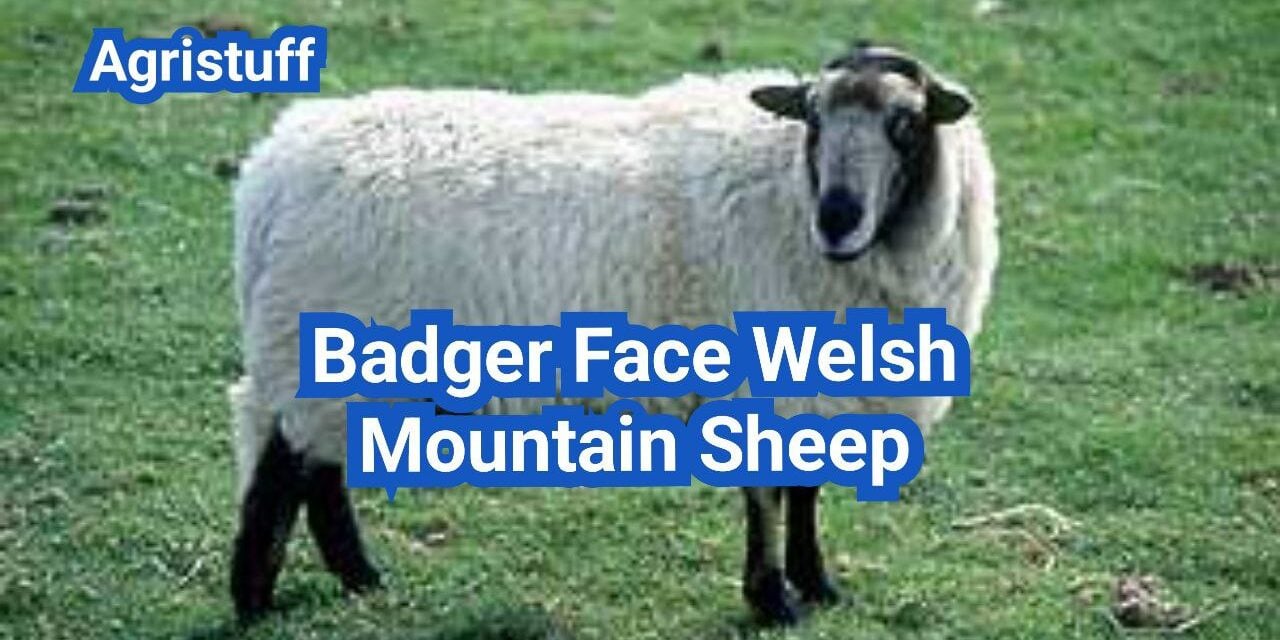
The Badger Face Welsh Mountain Sheep is an ancient breed known for its hardiness and dual-purpose use. Originating in the rugged landscapes of Wales, this heritage breed has been a cornerstone of local livestock for centuries.
This breed is prized not only for its resilience and adaptability but also for its high-quality wool and meat production. The Badger Face Welsh Mountain Sheep has played a significant role in shaping the agricultural heritage of Wales.
Throughout this article, we will explore the history, origin, characteristics, breeding practices, and uses of this remarkable breed, highlighting its importance in livestock conservation and the sheep industry.
Key Takeaways
- Understanding the history and origin of the Badger Face Welsh Mountain Sheep.
- Exploring the characteristics that make this breed unique.
- Breeding practices and their impact on the breed’s conservation.
- The dual-purpose use of the Badger Face Welsh Mountain Sheep.
- The significance of this breed in livestock conservation efforts.
The Rich Heritage of Welsh Mountain Sheep
With roots tracing back to ancient times, Welsh Mountain Sheep have played a pivotal role in shaping the agricultural landscape of Wales. Their history is a testament to the enduring relationship between the land, the sheep, and the people who care for them.
Ancient Origins in the Welsh Hills
The origins of Welsh Mountain Sheep date back to the 1st century, with evidence suggesting that they were present in the Welsh hills long before the Roman era. This ancient breed has thrived in the challenging terrain of Wales, adapting to the harsh climate and rugged landscape.
Key Historical Milestones:
- Presence in Wales since the 1st century
- Adaptation to local climate and terrain
- Significant role in local agriculture and economy
Cultural Significance to Welsh Farming Communities
Welsh Mountain Sheep, including the Badger Face variety, have been integral to Welsh farming communities for centuries. They are not just a source of income but also a part of the cultural heritage, with their presence deeply ingrained in local traditions.
The cultural significance of these sheep is reflected in their role in shaping the landscape and the community’s identity. Their hardiness and productivity have made them a staple in Welsh agriculture.
| Cultural Aspect | Description |
|---|---|
| Traditional Farming Practices | Welsh Mountain Sheep are central to traditional farming practices, with their grazing helping to maintain the characteristic Welsh landscape. |
| Local Economy | The sheep contribute to the local economy through the sale of wool, meat, and breeding stock. |
| Community Identity | The breed is a symbol of community identity and heritage, reflecting the resilience and adaptability of Welsh farmers. |
Origin and Development of Badger Face Welsh Mountain Sheep

Originating from native Welsh Mountain Sheep, the Badger Face breed has developed distinct characteristics over time. The history and development of this breed are deeply intertwined with the agricultural practices and geographical characteristics of Wales.
Native Welsh Mountain Ancestry
The Badger Face Welsh Mountain Sheep breed has its roots in the native Welsh Mountain Sheep. These sheep were well adapted to the harsh conditions of the Welsh hills and mountains, possessing hardiness and resilience. The native Welsh Mountain Sheep provided the foundational genetics for the Badger Face breed.
Evolution Through Selective Breeding
Selective breeding practices played a crucial role in the evolution of the Badger Face Welsh Mountain Sheep. Breeders selected animals with desirable traits such as hardiness, fertility, and distinctive facial markings. This selective breeding enhanced the breed’s characteristics and contributed to its development as a distinct type within the Welsh Mountain Sheep category.
The process of selective breeding was meticulous, focusing on improving the breed’s adaptability to the challenging Welsh terrain while maintaining its unique features. The result was a robust and versatile sheep breed capable of thriving in various conditions.
Recognition as a Distinct Breed
Over time, the Badger Face Welsh Mountain Sheep gained recognition as a distinct breed due to its consistent characteristics and performance. The breed’s recognition was a result of its well-defined traits and the efforts of breeders to maintain its integrity.
The Badger Face breed is known for its badger-like facial markings, which are a key characteristic. The breed comes in two varieties: Torddu (Black Belly) and Torwen (White Belly), each with its unique features.
| Characteristic | Torddu (Black Belly) | Torwen (White Belly) |
|---|---|---|
| Facial Markings | Badger-like with black belly | Badger-like with white belly |
| Hardiness | High | High |
| Fertility | Good | Good |
The table above summarizes the key characteristics of the two varieties of Badger Face Welsh Mountain Sheep, highlighting their similarities and differences.
Understanding the Two Varieties
The Badger Face Welsh Mountain Sheep breed is represented by two main varieties: Torddu, known for its black belly, and Torwen, recognized by its white belly. These varieties are a result of selective breeding practices that have been developed over centuries.
Torddu (Black Belly) Characteristics
Torddu, which translates to “black-bellied,” is one of the distinctive varieties of the Badger Face Welsh Mountain Sheep. This variety is characterized by its black face, legs, and belly, with a white or greyish-white fleece on the back. The contrast between the dark belly and the lighter back creates a unique appearance.
Key Characteristics of Torddu:
- Black face and legs
- Black belly
- White or greyish-white fleece on the back
Torwen (White Belly) Characteristics
Torwen, meaning “white-bellied,” is the other variety of the Badger Face Welsh Mountain Sheep. It has a similar black face and legs but is distinguished by a white belly. The fleece on the back can vary in color but is generally lighter than that of the Torddu.
Key Characteristics of Torwen:
- Black face and legs
- White belly
- Variable fleece color on the back
Both Torddu and Torwen varieties are valued for their hardiness and adaptability to harsh hill environments. The main difference lies in their belly color, which is a result of genetic variation.
| Characteristic | Torddu (Black Belly) | Torwen (White Belly) |
|---|---|---|
| Face and Legs Color | Black | Black |
| Belly Color | Black | White |
| Fleece Color on Back | White or Greyish-White | Variable |
Physical Characteristics of Badger Face Welsh Mountain Sheep

The Badger Face Welsh Mountain Sheep is known for its robust physical characteristics, which have been honed over centuries to thrive in the challenging Welsh hills. This breed is distinguished by its hardiness, unique appearance, and high-quality wool production.
Size and Weight Specifications
Badger Face Welsh Mountain Sheep are generally small to medium in size. Ewes typically weigh between 70-100 pounds (32-45 kg), while rams can weigh slightly more, ranging from 90-130 pounds (41-59 kg). Their compact size is well-suited to the rugged terrain they inhabit.
Distinctive Facial and Body Markings
One of the most striking features of the Badger Face Welsh Mountain Sheep is its distinctive facial and body markings. The breed is characterized by a “badger face” pattern, which includes a dark stripe running along the face, typically accompanied by white markings around the eyes and muzzle. The body often features a darker belly, with two main varieties: Torddu (black belly) and Torwen (white belly).
As noted by sheep breeding experts, “The unique facial markings of Badger Face sheep not only add to their aesthetic appeal but also play a role in their identification and breed classification.” This distinctive appearance is a key factor in their popularity among sheep breeders and enthusiasts.
Wool Quality and Coloration
The wool of Badger Face Welsh Mountain Sheep is highly valued for its quality and coloration. The fleece is typically fine to medium in texture, with a soft undercoat and a coarser outer coat. The color can vary, but it often includes shades of white, gray, and brown, with the distinctive badger face markings adding to the overall visual appeal.
The high-quality wool of these sheep makes them valuable for both meat and wool production. Their fleece is used in a variety of textile products, from clothing to crafts.
Temperament and Handling
Understanding the temperament and handling requirements of Badger Face Welsh Mountain Sheep is crucial for successful sheep farming. Their friendly nature and strong flock behavior make them an attractive choice for many shepherds.
Natural Instincts and Flock Behavior
Badger Face Welsh Mountain Sheep are known for their strong flock behavior, often staying together in close groups. This natural instinct is a result of their evolution in the harsh Welsh hills, where staying together provided additional protection against predators.
“Sheep are social animals and thrive in the company of others,” notes a seasoned shepherd. “The Badger Face breed is particularly cohesive, making them easier to manage in a flock setting.”
Their natural instincts also include a strong foraging ability, allowing them to graze on a variety of vegetation. This makes them well-suited to diverse grazing conditions.
Working with Badger Face Sheep
When working with Badger Face Welsh Mountain Sheep, it’s essential to understand their temperament and behavior. They are generally docile and respond well to gentle handling.
- Move calmly and deliberately around the sheep to avoid startling them.
- Use positive reinforcement techniques, such as offering feed, to encourage cooperation.
- Be aware of the flock’s dynamics and manage them in a way that minimizes stress.
By understanding and respecting their natural behavior, farmers can build a strong working relationship with their Badger Face Welsh Mountain Sheep, enhancing the overall efficiency and welfare of the flock.
Setting Up Your Farm for Badger Face Sheep
Setting up a farm for Badger Face Welsh Mountain Sheep involves several key considerations, including land quality, fencing, and shelter. To ensure the health and productivity of your flock, it’s essential to prepare your land and facilities according to the specific needs of this heritage breed.
Land Requirements and Fencing
The Badger Face Welsh Mountain Sheep breed thrives on well-managed hill or upland pastures. When selecting land for your farm, consider the quality of grazing, availability of water, and natural shelter.
- Assess the land’s carrying capacity to avoid overgrazing.
- Ensure adequate water supply and drainage.
- Consider rotational grazing to maintain pasture health.
Fencing is critical for managing the movement of your sheep and protecting them from predators. For Badger Face Sheep, sturdy fencing that can withstand harsh weather conditions is necessary.
| Fencing Type | Description | Cost Estimate |
|---|---|---|
| High-Tensile Wire Fencing | Durable and effective for containing sheep. | $3 – $5 per foot |
| Wooden Post and Rail Fencing | Traditional and visually appealing. | $5 – $10 per foot |
| Electric Netting | Portable and easy to install. | $1 – $3 per foot |
Shelter and Housing Needs
Adequate shelter is vital for protecting your flock from extreme weather conditions. Badger Face Sheep are hardy, but they still require shelter, especially during lambing season.
Key considerations for shelter:
- Provide natural shelter through woodland or topography.
- Construct barns or sheds for additional protection.
- Ensure good ventilation to prevent disease.
Essential Equipment for Sheep Farming
Investing in the right equipment is crucial for the efficient management of your Badger Face Sheep flock. Essential equipment includes:
- Shearing equipment and handling facilities.
- Fencing tools and materials.
- Health management supplies (vaccines, medications).
By carefully planning your farm setup, including land preparation, fencing, shelter, and equipment, you can create a thriving environment for your Badger Face Welsh Mountain Sheep.
Breeding Badger Face Welsh Mountain Sheep

To breed Badger Face Welsh Mountain Sheep successfully, farmers must consider several key factors, including genetics and breeding season management. Breeding involves selecting quality stock, managing the breeding season, and considering genetic factors to improve the breed.
Selecting Quality Breeding Stock
Selecting the right breeding stock is fundamental to a successful breeding program. Farmers should look for animals that embody the breed’s characteristics, such as distinctive facial markings and robust health. Superior breeding stock not only enhances the quality of the flock but also contributes to the overall genetic diversity.
Breeding Season Management
Effective breeding season management is crucial for optimizing lambing outcomes. This involves planning the breeding season to coincide with optimal environmental conditions and ensuring that ewes are in prime condition for mating. Careful monitoring of the breeding process can help identify potential issues early, allowing for timely interventions.
Genetic Considerations and Breed Improvement
Genetic considerations play a vital role in breeding Badger Face Welsh Mountain Sheep. Farmers must balance the need to maintain the breed’s traditional characteristics with the goal of improving overall flock health and productivity. Genetic diversity is key to a resilient flock, and selective breeding practices can help achieve this while avoiding inbreeding.
Lambing and Lamb Care

Successful lambing is crucial for the sustainability of a sheep farm, involving careful planning and execution. As the lambing season approaches, farmers must be prepared to provide the necessary care and support for their ewes.
Preparing for Lambing Season
Preparation is key to a successful lambing season. Farmers should ensure that their ewes are in good health and that the lambing area is clean and safe. This includes providing adequate shelter, nutrition, and monitoring the ewes closely for signs of labor.
Key preparations include:
- Ensuring ewes are up-to-date on vaccinations and parasite control measures.
- Providing a clean and dry lambing area to reduce the risk of infection.
- Having a plan in place for assisting with difficult births.
- Stocking up on necessary supplies, such as lambing kits and feeding equipment.
Assisting with Difficult Births
While many ewes can lamb without assistance, some may require help. Farmers should be prepared to assist with difficult births by having the necessary knowledge and equipment.
“Assistance during lambing can be crucial for the survival of both the ewe and the lamb.”
Signs that a ewe may need assistance include prolonged labor, abnormal discharge, or visible complications. Farmers should be trained to intervene appropriately and humanely.
Newborn Lamb Care and Management
Once the lambs are born, they require immediate care to ensure their survival and health. This includes ensuring they receive colostrum, are kept warm, and are monitored for any signs of illness or distress.
Newborn lamb care involves:
- Ensuring the lamb receives adequate colostrum within the first hour of birth.
- Monitoring the lamb’s temperature and overall health.
- Providing a warm and safe environment.
- Identifying and addressing any health issues promptly.
By following these guidelines, farmers can improve the chances of survival for their lambs and ensure a healthy start to the lambing season.
“The care given to lambs during the first few hours of life can significantly impact their survival and future productivity.”
— Sheep Farming Expert
Health Management Practices
To keep Badger Face Welsh Mountain Sheep thriving, farmers must implement robust health management strategies. Effective health management is crucial for preventing diseases and ensuring the overall well-being of the flock.
Common Health Issues and Prevention
Badger Face Welsh Mountain Sheep are generally hardy, but they can be susceptible to certain health issues. Common problems include internal parasites, foot rot, and reproductive issues. Preventive measures such as regular monitoring, proper nutrition, and adequate shelter can help mitigate these risks.
- Regular veterinary check-ups
- Proper vaccination schedules
- Effective parasite control measures
Vaccination plays a critical role in preventing diseases such as Clostridial infections and Pasteurellosis. Farmers should work closely with their veterinarians to develop a vaccination program tailored to their flock’s specific needs.
Vaccination and Parasite Control
A comprehensive health management plan includes both vaccination and parasite control. Internal parasites, such as worms, can significantly impact the health and productivity of the flock. Regular deworming and strategic grazing practices can help control parasite loads.
“A well-planned health program is essential for maintaining a healthy and productive flock.”
Farmers can adopt various methods for parasite control, including:
- Regular fecal egg counts to monitor parasite loads
- Selective deworming to reduce resistance
- Grazing management practices to minimize exposure to parasites
Working with Veterinarians
Developing a strong relationship with a veterinarian is vital for the health and well-being of Badger Face Welsh Mountain Sheep. Veterinarians can provide valuable guidance on health management practices, help develop vaccination programs, and assist with diagnosing and treating health issues.
By working together with veterinarians and implementing effective health management strategies, farmers can ensure the long-term health and productivity of their Badger Face Welsh Mountain Sheep flock.
Feeding and Nutrition

Effective feeding and nutrition strategies are essential for maintaining the health and productivity of Badger Face Welsh Mountain Sheep. Their diet plays a crucial role in their overall well-being and the quality of their wool and meat.
Grazing Management for Hill Sheep
Grazing management is a critical aspect of feeding Badger Face Welsh Mountain Sheep. These sheep are adapted to grazing on hill lands, where the quality and quantity of forage can vary significantly with the season. Efficient grazing management involves ensuring that the sheep have access to adequate pasture while maintaining the health of the grazing land.
Supplemental Feeding Requirements
While grazing is a primary source of nutrition, there are times when supplemental feeding is necessary, particularly during periods of poor weather or when pasture quality is low. Supplemental feeding can help ensure that the nutritional needs of the sheep are met, supporting their health and productivity.
Seasonal Nutritional Considerations
The nutritional needs of Badger Face Welsh Mountain Sheep can vary with the seasons. For instance, during lambing season, ewes may require additional nutrition to support their health and the development of their lambs. Understanding these seasonal nutritional considerations is key to providing optimal care.
By carefully managing grazing and supplemental feeding, and by considering the seasonal nutritional needs of Badger Face Welsh Mountain Sheep, farmers can help ensure the health and productivity of their flock.
Meat Production from Badger Face Sheep

With their robust growth rates and superior carcass characteristics, Badger Face Sheep are ideal for meat production. The breed’s ability to thrive on hill grazing makes it particularly suited for producing high-quality, grass-fed lamb.
Growth Rates and Finishing
Badger Face lambs exhibit good growth rates, especially when managed on high-quality pasture. Their ability to finish on grass alone is a significant advantage for producers looking to capitalize on the growing demand for grass-fed lamb.
- Rapid Growth: Lambs grow quickly, reaching market weight in a relatively short period.
- Efficient Feed Conversion: The breed’s hardiness and adaptability contribute to its efficient feed conversion rates.
- Optimal Finishing: Finishing lambs on grass enhances the meat’s quality and flavor profile.
Carcass Characteristics and Meat Quality
The carcass characteristics of Badger Face Sheep are highly regarded, with a good balance of lean meat and fat. The meat is known for its tenderness and rich flavor, making it highly sought after by consumers.
Key Carcass Attributes:
- Well-proportioned carcasses with a good meat-to-bone ratio.
- Fine-textured meat with appropriate marbling for flavor and tenderness.
- Desirable fat cover for protection and quality.
Marketing Grass-Fed Welsh Lamb
Marketing strategies for grass-fed lamb from Badger Face Sheep focus on highlighting the product’s natural, sustainable production methods and its superior taste and nutritional profile.
Effective Marketing Channels:
- Direct-to-consumer sales through farmers’ markets and online platforms.
- Supplying high-end restaurants and specialty butchers.
- Participating in agricultural shows and competitions to showcase the quality of the lamb.
Wool Production and Fiber Arts
As a heritage breed, the Badger Face Welsh Mountain Sheep contributes to the preservation of traditional wool production methods and fiber arts practices. The breed’s wool is highly valued for its quality and unique characteristics, making it a sought-after material for artisans and textile producers.
Shearing Techniques and Timing
Shearing is a critical aspect of wool production, requiring careful planning and execution to ensure the highest quality fleece. For Badger Face Welsh Mountain Sheep, shearing typically occurs once a year, in the spring or early summer, to coincide with the onset of warmer weather and to avoid the cold winter months.
Best Practices for Shearing:
- Shearing should be done by experienced handlers to minimize stress on the animals and to ensure clean, precise cuts.
- The use of proper shearing equipment is essential for maintaining the health and well-being of the sheep.
- Shearing time can vary depending on the size of the flock and the experience of the shearer.
Wool Characteristics and Processing
The wool of Badger Face Welsh Mountain Sheep is known for its crimp, elasticity, and durability. It is often described as having a soft, fine texture that is ideal for crafting high-quality garments and textiles.
| Wool Characteristic | Description |
|---|---|
| Crimp | Provides elasticity and texture to the wool, making it suitable for a variety of textile applications. |
| Color | Ranges from white to various shades of brown and black, offering a natural palette for fiber artists. |
| Staple Length | Varies, but generally suitable for hand-spinning and other traditional fiber crafts. |
Value-Added Wool Products
The unique qualities of wool from Badger Face Welsh Mountain Sheep make it an excellent choice for producing value-added products. These can range from hand-knit garments to woven textiles and felted items.
“The natural colors and textures of Badger Face wool provide endless inspiration for fiber artists, allowing for the creation of truly unique and sustainable products.”
Some examples of value-added wool products include:
- Hand-knit sweaters and hats
- Woven scarves and blankets
- Felted bags and accessories
By leveraging the exceptional qualities of their wool, farmers and artisans can create a range of products that not only showcase the beauty of this heritage breed but also contribute to the preservation of traditional crafts and practices.
Conservation Grazing with Badger Face Sheep

Conservation grazing with heritage breeds such as the Badger Face Sheep not only preserves the breed but also contributes to the ecological health of the grazed landscapes. This practice involves using sheep to manage and maintain natural habitats, promoting biodiversity and ecosystem services.
The ecological benefits of using Badger Face Welsh Mountain Sheep in conservation grazing are multifaceted. Their grazing habits can help maintain open spaces, reduce scrub encroachment, and promote the diversity of plant species. As Tom Jefferson, a renowned conservationist, once said, “Grazing with heritage breeds is a powerful tool in maintaining the mosaic of habitats that are crucial for biodiversity.”
“Grazing with heritage breeds is a powerful tool in maintaining the mosaic of habitats that are crucial for biodiversity.”
Ecological Benefits of Heritage Breeds
Heritage breeds like the Badger Face Welsh Mountain Sheep are well-suited for conservation grazing due to their hardiness, foraging ability, and adaptability to challenging environments. Their presence can enhance ecosystem services by:
- Maintaining grassland habitats through grazing
- Reducing the dominance of invasive species
- Creating a mosaic of different habitats that support a wide range of wildlife
These ecological benefits are crucial for maintaining healthy and resilient ecosystems. By incorporating Badger Face Sheep into conservation grazing programs, land managers can achieve their conservation goals while also preserving a valuable piece of agricultural heritage.
Setting Up Conservation Grazing Programs
To set up a successful conservation grazing program with Badger Face Sheep, several factors need to be considered. First, it’s essential to assess the land’s carrying capacity to ensure it can support the sheep without degrading the habitat. Fencing and water supply infrastructure are also critical components.
Additionally, understanding the grazing behavior of Badger Face Sheep and how they interact with the landscape is vital. This knowledge can help in designing grazing plans that maximize ecological benefits while minimizing potential negative impacts.
By carefully planning and managing conservation grazing programs, landowners can not only contribute to the preservation of heritage breeds but also enhance the ecological integrity of their land.
Establishing a Flock in the United States
Creating a successful Badger Face Welsh Mountain Sheep flock in the United States begins with informed decision-making and a commitment to best practices. This process involves several key steps, from sourcing high-quality breeding stock to understanding and complying with import regulations.
Finding Breeding Stock in America
Locating suitable breeding stock is the first challenge for U.S. farmers. While Badger Face Welsh Mountain Sheep are a Welsh breed, there are now breeders in the United States who specialize in this variety. Potential flock owners should research reputable breeders, attend agricultural events, and join breed-specific organizations to connect with experienced farmers.
Key considerations when selecting breeding stock include:
- The health and genetic diversity of the animals
- The breeder’s experience and reputation
- The availability of pedigree information and registration papers
Import Considerations and Regulations
For those who cannot find suitable breeding stock domestically, importing from the UK or other countries may be an option. However, this process is complicated by strict regulations designed to protect animal health and prevent the introduction of diseases.
Key aspects to consider when importing Badger Face Welsh Mountain Sheep include:
- Understanding the regulations set by the U.S. Department of Agriculture (USDA) and the Animal and Plant Health Inspection Service (APHIS)
- Obtaining necessary permits and health certificates
- Complying with quarantine requirements
Connecting with Breed Organizations
Engaging with breed organizations is crucial for both new and experienced breeders. These organizations provide valuable resources, including breed standards, breeding advice, and networking opportunities.
In the United States, farmers can connect with organizations like the American Badger Face Welsh Mountain Sheep Association, which supports breeders and promotes the breed.
Benefits of joining breed organizations include:
- Access to breed-specific knowledge and expertise
- Opportunities to participate in breed events and shows
- Networking with other breeders to share best practices
At The End of: Badger Face Welsh Mountain Sheep
The Badger Face Welsh Mountain Sheep is a heritage breed with a rich history in Welsh culture. It is a British sheep breed well-suited to challenging environments, playing a crucial role in livestock conservation.
This breed produces high-quality wool and contributes to meat production. Its hardiness makes it ideal for conservation grazing.
Preserving the breed’s genetic integrity is essential for its long-term sustainability. The Badger Face Welsh Mountain Sheep is vital to Britain’s agricultural heritage.
FAQ
What is the origin of the Badger Face Welsh Mountain Sheep breed?
The Badger Face Welsh Mountain Sheep breed has its roots in the native Welsh Mountain ancestry, with a history dating back to the ancient origins in the Welsh hills.
What are the two main varieties of Badger Face Welsh Mountain Sheep?
The two main varieties are Torddu (Black Belly) and Torwen (White Belly), each with distinct characteristics and markings.
What are the physical characteristics of Badger Face Welsh Mountain Sheep?
They are known for their hardiness, distinctive facial and body markings, and high-quality wool. They are generally smaller in size, with specific weight specifications.
How do I care for newborn Badger Face Welsh Mountain lambs?
Newborn lamb care involves ensuring they receive adequate nutrition, monitoring their health, and providing appropriate shelter and management.
What are the nutritional requirements for Badger Face Welsh Mountain Sheep?
They require grazing management suitable for hill sheep, with supplemental feeding as necessary, and consideration of seasonal nutritional needs.
Can Badger Face Welsh Mountain Sheep be used for conservation grazing?
Yes, they are well-suited for conservation grazing due to their hardiness and grazing habits, which can provide ecological benefits.
How do I establish a flock of Badger Face Welsh Mountain Sheep in the United States?
Establishing a flock involves finding breeding stock, understanding import regulations, and connecting with breed organizations.
What are the benefits of raising Badger Face Welsh Mountain Sheep for meat production?
They offer advantages in terms of growth rates, carcass characteristics, and the potential for marketing grass-fed Welsh lamb.
How is wool production managed in Badger Face Welsh Mountain Sheep?
Wool production involves shearing at the appropriate time, processing the wool, and potentially creating value-added wool products.
What health management practices are essential for Badger Face Welsh Mountain Sheep?
Practices include preventing common health issues, implementing vaccination and parasite control measures, and working with veterinarians.
What are the key considerations for breeding Badger Face Welsh Mountain Sheep?
Key considerations include selecting quality breeding stock, managing the breeding season, and considering genetic factors for breed improvement.
Conclusion of: Badger Face Welsh Mountain Sheep Breed
Badger Face Welsh Mountain Sheep: An Introduction
Badger Face Welsh Mountain Sheep are a distinctive hill breed from Wales, instantly recognizable by their bold facial stripes and contrasting body colors, and increasingly interesting to small farms in the United States that want hardy, low-input sheep with character. Badger Face Welsh Mountain Sheep belong to the wider Welsh Mountain family and were developed to thrive on steep, rough hillsides while still producing strong lambs and tasty meat, which makes Badger Face Welsh Mountain Sheep appealing for both traditional hill farmers and modern homesteaders looking for efficient, heritage livestock. Badger Face Welsh Mountain Sheep overview
History and Origin of Badger Face Welsh Mountain Sheep
The history of Badger Face Welsh Mountain Sheep reaches back many centuries, as they are a colored variety of the ancient Welsh Mountain sheep that grazed the hills of Wales long before modern commercial breeds were created. Traditional stories link the old Welsh name “Defaid Idloes” for Badger Face Welsh Mountain Sheep to a 7th-century saint, suggesting that these distinctive sheep have been part of local farming culture for more than a thousand years, even as Badger Face Welsh Mountain Sheep remained relatively hidden in remote hill districts. Welsh Mountain Badger Face sheep history
Development of the Modern Badger Face Welsh Mountain Sheep
Although the roots of Badger Face Welsh Mountain Sheep are ancient, the modern, standardized breed type really took shape in the late 20th century when breeders formed the Badger Face Welsh Mountain Sheep Society in 1976. From that point onward, Badger Face Welsh Mountain Sheep were recorded in flock books, shown at agricultural shows, and promoted as a distinct hill breed, which helped increase numbers and protect the characteristic markings and hardy traits that define Badger Face Welsh Mountain Sheep today. Badger Face Welsh Mountain Sheep Society breed information
Varieties of Badger Face Welsh Mountain Sheep: Torddu and Torwen
One of the most fascinating features of Badger Face Welsh Mountain Sheep is that the breed includes two color varieties, known as Torddu and Torwen, which share the same body type but show opposite color patterns. Torddu Badger Face Welsh Mountain Sheep usually have a light or white fleece with a dark belly and bold dark facial stripes, while Torwen Badger Face Welsh Mountain Sheep are darker overall with a lighter belly and paler eye stripes, and both types of Badger Face Welsh Mountain Sheep are officially recognized in the breed standard even though Torddu are more common. Torwen Badger Face Welsh Mountain Sheep details
Physical Characteristics of Badger Face Welsh Mountain Sheep
In terms of body type, Badger Face Welsh Mountain Sheep are relatively small, compact hill sheep, with ewes often around 40–50 kilograms and rams somewhat heavier, which suits the steep terrain where they originated and also helps Badger Face Welsh Mountain Sheep fit well on smaller farms. The ewes of Badger Face Welsh Mountain Sheep are normally polled (without horns), while rams carry impressive spiral horns; both sexes have clean faces and legs free of wool, and the fleece of Badger Face Welsh Mountain Sheep is of medium length with a firm handle that suits a range of traditional wool products. Badger Face Welsh Mountain Sheep product description
Temperament and Mothering Ability of Badger Face Welsh Mountain Sheep
Many keepers report that Badger Face Welsh Mountain Sheep have a calm and manageable temperament for a hill breed, which makes them popular for educational farms, smallholdings, and flocks handled by families. Ewes of Badger Face Welsh Mountain Sheep are particularly valued for strong mothering ability and good milk supply, which helps lambs from Badger Face Welsh Mountain Sheep to get up quickly, nurse vigorously, and maintain high survival rates even in challenging upland weather. Badger Face Welsh Mountain Sheep temperament and performance
Hardiness and Adaptation of Badger Face Welsh Mountain Sheep
As classic upland sheep, Badger Face Welsh Mountain Sheep are built for hard work and harsh conditions, and they can thrive on poor, steep ground that does not suit heavier lowland breeds. The strong feet, sound legs, dense fleece, and efficient metabolism of Badger Face Welsh Mountain Sheep enable them to cope with rain, wind, and cool temperatures, which is why Badger Face Welsh Mountain Sheep are increasingly considered by U.S. farmers who manage marginal or hilly land and want a low-input breed. Badger face sheep habitat and hardiness
Meat Production and Carcass Quality in Badger Face Welsh Mountain Sheep
Although they produce useful wool, Badger Face Welsh Mountain Sheep are primarily valued as a meat breed that can rear lambs on grass with minimal extra feed, which suits regenerative and pasture-based systems. Under good management, lambs from Badger Face Welsh Mountain Sheep grow well, and the resulting lamb is known for a fine texture, pleasant fat cover, and excellent flavor, allowing farmers who raise Badger Face Welsh Mountain Sheep to sell into direct-market lamb boxes, local butcher shops, or farm stores that appreciate heritage breeds with a story. National Sheep Association breed notes
Wool and Fiber Uses of Badger Face Welsh Mountain Sheep
The wool from Badger Face Welsh Mountain Sheep is medium in staple length and firm, which makes it suitable for durable yarns, rugs, outerwear, and traditional textiles rather than ultra-fine garments. Hand-spinners and fiber artists like Badger Face Welsh Mountain Sheep because the Torddu and Torwen patterns create natural color variations, adding interest to undyed yarn and helping Badger Face Welsh Mountain Sheep become a favorite in mixed craft flocks in the United States and the United Kingdom. Sheep101 Badger Face Welsh Mountain entry
Prolificacy, Lambing and Longevity of Badger Face Welsh Mountain Sheep
From a practical breeding standpoint, Badger Face Welsh Mountain Sheep are known for reliable reproductive performance, with lambing percentages that can often reach 150% or more in upland areas and higher in better conditions. Many ewes of Badger Face Welsh Mountain Sheep stay sound and productive for years, sometimes lambing into old age, which helps keep replacement rates low and makes Badger Face Welsh Mountain Sheep a cost-effective maternal option for farmers focusing on low-input systems. Badger Face Welsh Mountain Sheep lambing data
Breeding Strategies and Crossbreeding with Badger Face Welsh Mountain Sheep
Some breeders keep pure flocks of Badger Face Welsh Mountain Sheep to preserve the Torddu and Torwen bloodlines, while others use the breed in crossbreeding to produce vigorous, fast-growing lambs. Crossing ewes of Badger Face Welsh Mountain Sheep with modern terminal sires such as Texel or Charollais can yield lambs that finish quickly off pasture while retaining the hardiness and mothering traits of Badger Face Welsh Mountain Sheep, an approach that can work well for U.S. farmers aiming to combine traditional genetics with modern performance. Welsh Mountain Badger Face crossbreeding notes
Grazing Management and Nutrition for Badger Face Welsh Mountain Sheep
Because Badger Face Welsh Mountain Sheep evolved on sparse upland forage, they are very efficient grazers and can help manage rough hill pastures, native grasslands, or mixed swards without heavy inputs. On U.S. farms, Badger Face Welsh Mountain Sheep can be integrated into rotational or multi-species grazing systems with cattle or goats to control brush and maintain plant diversity, though it remains important to monitor body condition and supply appropriate minerals to keep Badger Face Welsh Mountain Sheep healthy during late pregnancy and early lactation. Badger Face Welsh Mountain Sheep in conservation grazing
Health and Welfare Considerations for Badger Face Welsh Mountain Sheep
Overall, Badger Face Welsh Mountain Sheep are considered robust, with relatively low veterinary costs compared to more extreme, high-output breeds, because their moderate frame and hardy constitution reduce some common metabolic issues. However, like any flock, Badger Face Welsh Mountain Sheep still benefit from a structured health plan that covers vaccinations, internal and external parasite control, foot care, and biosecurity measures, especially when Badger Face Welsh Mountain Sheep are moved between farms or introduced to new environments in the United States. Badger Face Welsh Mountain Sheep health guidance
Badger Face Welsh Mountain Sheep on Small Farms and Homesteads in the USA
For American smallholders, homesteaders, and direct-market farmers, Badger Face Welsh Mountain Sheep offer a compelling mix of manageable size, attractive appearance, and practical performance on grass. The combination of calm temperament, reliable lambing, and flavorful meat allows Badger Face Welsh Mountain Sheep to anchor small flocks that serve farm-store sales, community-supported agriculture shares, or agritourism, and demand for rare and heritage breeds can give Badger Face Welsh Mountain Sheep an extra marketing edge. Oklahoma State University sheep breed directory
Conservation, Breed Societies and Registration for Badger Face Welsh Mountain Sheep
Because traditional breeds can be vulnerable to market changes, conservation organizations and breed societies play a vital role in supporting Badger Face Welsh Mountain Sheep and preserving their genetic diversity. The Badger Face Welsh Mountain Sheep Society keeps flock books, organizes shows, and promotes the breed, while groups such as the Rare Breeds Survival Trust monitor Torwen Badger Face Welsh Mountain Sheep as a priority type, which helps potential U.S. breeders connect with quality registered stock and maintain the integrity of Badger Face Welsh Mountain Sheep bloodlines. Badger Face Welsh Mountain Sheep Society official site
Badger Face Welsh Mountain Sheep in Sustainable and Regenerative Systems
With their light frames, sure-footed movement, and good foraging ability, Badger Face Welsh Mountain Sheep are well suited to conservation and regenerative grazing programs that aim to build soil health and biodiversity. Examples from the United Kingdom show Badger Face Welsh Mountain Sheep being used to manage species-rich chalk grassland and other sensitive habitats, and U.S. farmers can similarly use Badger Face Welsh Mountain Sheep in holistic grazing plans that deliver both ecological benefits and saleable lamb and wool. Badger Face Welsh Mountain Sheep in habitat management
Final Thought
When you bring Badger Face Welsh Mountain Sheep into a flock, you gain far more than a striking face pattern, because this breed embodies centuries of adaptation to tough landscapes along with modern value for low-input, pasture-based farming. For U.S. producers seeking resilient genetics, strong mothering ability, quality meat, and unique wool, Badger Face Welsh Mountain Sheep can provide a versatile foundation for pure or crossbred flocks, and their heritage story gives Badger Face Welsh Mountain Sheep excellent potential in direct marketing and educational farm settings. Badger Face Welsh Mountain Sheep heritage and future
Sources & References
- Oklahoma State University – Welsh Mountain Badger Face sheep profile
- Badger Face Welsh Mountain Sheep Society – Breed information
- Badger Face Welsh Mountain Sheep Society – Official site
- Slow Food Ark of Taste – Badger Face Welsh Mountain Sheep
- National Sheep Association – Sheep breeds directory
- Rare Breeds Survival Trust – Torwen Badger Face Welsh Mountain Sheep
- Whipsnade Zoo – Badger face sheep and conservation grazing
- Sheep101 – Sheep breeds including Badger Face Welsh Mountain
- Wikipedia – Badger Face Welsh Mountain Sheep
- Wikipedia – Welsh Mountain Sheep background
- Oklahoma State University – Sheep breeds list