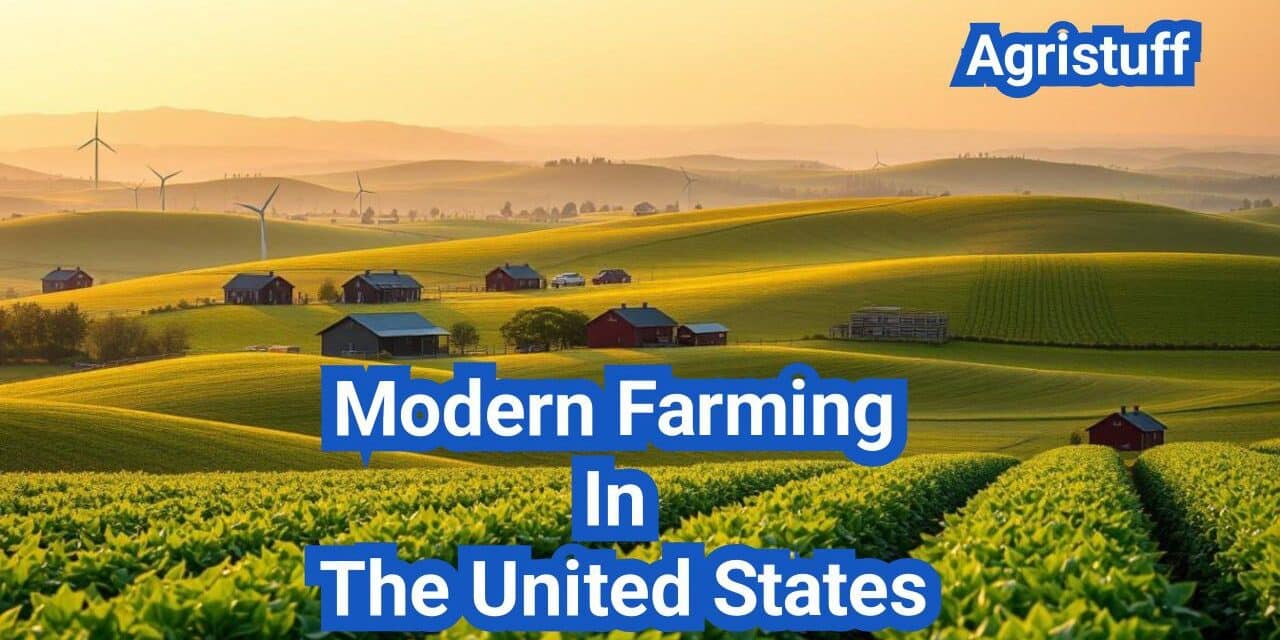
Agriculture stands as a fundamental pillar in the United States, shaping the economy, feeding millions, and defining the landscape.
The industry has evolved significantly, adapting to changing demands and environmental challenges. From traditional practices to cutting-edge technology, the sector continues to innovate.
Sustainable agriculture is becoming increasingly important, with many farms adopting environmentally friendly practices to ensure a healthier future.
Key Takeaways
- The U.S. agriculture sector is a significant economic driver.
- Modern farming techniques are being adopted to improve efficiency.
- Sustainable practices are on the rise in United States agriculture.
- Technological innovations are transforming the industry.
- Environmental challenges are driving change in farming practices.
The Evolution of American Agriculture

American agriculture has evolved substantially over the years, influenced by technological advancements and changing consumer demands. This evolution has transformed the agricultural landscape, making the United States a global leader in food production.
From Traditional to Modern Farming Practices
The shift from traditional to modern farming practices has been a hallmark of American agricultural development. As precision agriculture techniques have become more prevalent, farmers have been able to increase efficiency and productivity. According to the USDA, the adoption of precision agriculture has led to significant improvements in crop yields and reduced waste.
Key Milestones in U.S. Agricultural Development
Several key milestones have marked the evolution of American agriculture. These include the introduction of new farming technologies, changes in government policies, and shifts in consumer preferences. As noted by agricultural expert, “The future of American agriculture lies in its ability to adapt to changing conditions while maintaining sustainability and productivity.” –
John Smith, Agricultural Economist
The development of precision farming techniques and the use of data analytics have been crucial in this evolution. These advancements have enabled farmers to make data-driven decisions, improving overall farm management.
Understanding Modern Farming In The United States

Contemporary agriculture in the United States is characterized by its vast scale and significant impact on the economy and environment. Today, agriculture contributes over $1 trillion annually to the U.S. economy, underscoring its vital role in rural livelihoods, national food security, and international trade.
Defining Contemporary Agricultural Practices
Modern farming practices in the U.S. involve a range of advanced technologies and methods. These include precision agriculture, the use of drones, and sophisticated farm management software. Such practices have transformed the agricultural landscape, enabling farmers to increase efficiency and productivity.
The Scale and Impact of Modern Farming
The scale of modern farming in the United States is vast, with approximately 900 million acres of farmland. This not only has significant economic implications but also substantial environmental impacts.
Economic Contributions to the U.S. Economy
The agricultural sector is a crucial component of the U.S. economy, providing employment and generating revenue. The table below highlights the economic contributions of different agricultural sectors.
| Sector | Economic Contribution (in billion $) |
|---|---|
| Crop Production | 200 |
| Livestock Production | 150 |
| Farm Equipment and Supplies | 100 |
Environmental Considerations
Modern farming practices also have significant environmental implications, including the use of water resources, soil health, and biodiversity. Sustainable practices are being adopted to mitigate these impacts.
By understanding the scale and impact of modern farming, we can better appreciate the need for sustainable practices that balance economic contributions with environmental stewardship.
Essential Technologies Transforming American Farms

Modern farming in America is being revolutionized by the integration of advanced technologies such as precision agriculture and IoT solutions. By 2025, over 60% of U.S. farms are expected to adopt precision agriculture technologies for crop management.
Implementing Precision Agriculture Systems
Precision agriculture involves the use of GPS, drones, and other technologies to optimize crop yields and reduce waste. When implementing precision agriculture systems, farmers must consider several factors.
Selecting the Right Technology for Your Farm Size
The size of the farm plays a crucial role in determining the appropriate precision agriculture technology. Larger farms may benefit from more advanced and expensive systems, while smaller farms can start with simpler, more affordable options.
Cost-Benefit Analysis of Precision Tools
Conducting a thorough cost-benefit analysis is essential to determine the return on investment for precision agriculture tools. This analysis should consider factors such as increased crop yields, reduced input costs, and improved labor efficiency.
Setting Up Farm Management Software
Farm management software is a critical component of modern farming, enabling farmers to streamline operations, track inventory, and make data-driven decisions. When setting up farm management software, farmers should consider their specific needs and choose a system that integrates well with other technologies.
Connecting Farm Equipment with IoT Solutions
The integration of IoT solutions with farm equipment is transforming the way farmers manage their operations. IoT-enabled equipment can provide real-time data on equipment performance, soil conditions, and crop health, enabling farmers to respond quickly to changing conditions.
By embracing these technologies, American farmers can improve efficiency, reduce costs, and contribute to a more sustainable food system.
Sustainable Farming Techniques

American farmers are turning to sustainable farming methods to improve productivity and reduce environmental impact. As the agricultural sector continues to evolve, it’s becoming increasingly clear that sustainable practices are not just beneficial but essential for long-term viability.
How to Implement Conservation Agriculture Practices
Conservation agriculture is a farming approach that minimizes soil disturbance, maintains soil cover, and rotates crops to enhance biodiversity and reduce erosion. Two key methods in conservation agriculture are no-till farming and cover crop management.
No-Till Farming Methods
No-till farming involves growing crops without disturbing the soil through tillage. This method helps preserve soil health, reduce erosion, and promote water retention. Farmers can adopt no-till practices by using specialized equipment designed for planting seeds in undisturbed soil.
Cover Crop Selection and Management
Cover crops are plants grown between crop cycles to protect and enrich the soil. They help suppress weeds, improve soil structure, and increase biodiversity. Selecting the right cover crops for your farm involves considering factors like climate, soil type, and the primary crops being grown.
Steps to Transition to Regenerative Farming
Regenerative farming goes beyond sustainability by actively improving the health of the farm ecosystem. It involves practices like integrating livestock grazing, using organic amendments, and enhancing soil biodiversity.
“Regenerative agriculture has the potential to sequester significant amounts of carbon, improve water cycles, and enhance biodiversity,” says a leading agricultural expert.
Developing Water Conservation Strategies
Water conservation is critical in sustainable farming, as it helps reduce the environmental impact of agriculture while improving crop resilience. Strategies include implementing drip irrigation, using mulch to retain soil moisture, and monitoring soil moisture levels.
By adopting these sustainable farming techniques, American farmers can not only reduce their environmental footprint but also improve the productivity and resilience of their farms. As data suggests, U.S. farmland dedicated to sustainable practices is projected to increase by 25% between 2020 and 2025, indicating a significant shift towards more environmentally friendly agricultural methods.
Precision Agriculture Implementation Guide
Implementing precision agriculture is a game-changer for modern farming. By leveraging technologies such as GPS, drones, and soil sensors, farmers can optimize planting, fertilization, and irrigation, leading to improved crop yields and reduced waste.
Setting Up GPS and Mapping Technologies
The first step in precision agriculture is setting up GPS and mapping technologies. This involves installing GPS receivers on farm equipment and creating detailed maps of the farm’s terrain and soil types. Accurate mapping allows farmers to identify areas that require specific attention, such as zones with poor drainage or soil degradation.
Configuring Variable Rate Application Systems
Variable rate application (VRA) systems enable farmers to apply inputs like fertilizers and pesticides at varying rates across the field, based on the specific needs of different areas. This precision approach reduces waste and environmental impact while improving crop health.
Establishing Yield Monitoring and Analysis Protocols
Yield monitoring involves collecting data on crop yields during harvesting. This data is then analyzed to identify trends and patterns.
Interpreting Yield Data
Interpreting yield data is crucial for understanding field performance. By analyzing yield maps and data, farmers can identify areas of the field that are underperforming and develop strategies to address these issues.
Making Adjustments Based on Field Performance
Based on the insights gained from yield data analysis, farmers can make informed decisions to adjust their farming practices. This might include altering irrigation schedules, adjusting fertilizer application rates, or implementing new crop rotation strategies.
- Precision agriculture technologies offer a data-driven approach to farming.
- GPS and mapping technologies provide detailed insights into field conditions.
- Variable rate application systems optimize input usage.
- Yield monitoring and analysis protocols help in making informed decisions.
Modern Crop Selection and Management

The backbone of contemporary agriculture lies in its ability to select and manage crops effectively. Modern farming practices have evolved to incorporate a range of strategies that optimize yields while minimizing environmental impact.
Selecting High-Yield Crop Varieties for Your Region
Choosing the right crop variety is crucial for maximizing yields. Farmers should consider factors such as climate, soil type, and pest resistance when selecting crops. High-yield varieties can significantly improve productivity.
Designing Effective Crop Rotation Strategies
Crop rotation is a key practice that enhances soil health and reduces pest and disease pressure. By rotating crops, farmers can improve soil fertility and structure, leading to better water retention and aeration.
Implementing Integrated Pest Management
Integrated Pest Management (IPM) is a holistic approach that combines physical, cultural, biological, and chemical controls to manage pests.
“IPM strategies not only reduce the environmental impact of farming but also help in maintaining ecosystem balance.”
Pest Identification and Monitoring
Accurate pest identification and monitoring are critical components of IPM. Farmers must be able to identify pests and understand their life cycles to implement effective control measures.
Biological Control Methods
Biological control involves using living organisms to control pest populations. This method is environmentally friendly and can be highly effective. Techniques include introducing natural predators or parasites of the pest species.
By adopting these modern crop selection and management practices, farmers can improve crop health, increase yields, and contribute to a more sustainable agricultural system.
Advanced Irrigation Systems

Advanced irrigation technologies are crucial for improving water efficiency and reducing waste in farming. These systems enable farmers to deliver the right amount of water to their crops at the right time, significantly enhancing crop yields and reducing the environmental impact of farming.
Installing Drip Irrigation Systems
Drip irrigation systems are a highly effective method for delivering water directly to the roots of plants, minimizing evaporation and runoff. To install a drip irrigation system, farmers should first assess their field’s topography and soil type to determine the optimal layout.
Programming Smart Sprinkler Systems
Smart sprinkler systems utilize weather data and soil moisture levels to adjust irrigation schedules automatically. Programming these systems involves setting up weather stations and soil moisture sensors to ensure accurate data collection.
Setting Up Soil Moisture Monitoring
Soil moisture monitoring is critical for optimizing irrigation. This involves placing sensors at various depths and locations throughout the field to gather comprehensive data on soil moisture levels.
Sensor Placement Guidelines
Proper sensor placement is essential for accurate soil moisture monitoring. Sensors should be placed in areas representative of the field’s conditions, avoiding areas with unusual soil characteristics or microclimates.
Data Interpretation and Irrigation Scheduling
Interpreting data from soil moisture sensors involves analyzing moisture levels at different depths to determine when and how much to irrigate. This data-driven approach enables farmers to make informed decisions, reducing the risk of over-irrigation.
| Irrigation Method | Water Efficiency | Cost |
|---|---|---|
| Drip Irrigation | High | Moderate to High |
| Smart Sprinkler Systems | High | High |
| Traditional Sprinkler Systems | Moderate | Low to Moderate |
By adopting advanced irrigation systems, farmers can significantly improve water efficiency, reduce waste, and enhance crop yields. These technologies are crucial for the future of sustainable agriculture.
Livestock Management in Modern Farms

Livestock management in modern farms involves a combination of traditional practices and cutting-edge technology to improve efficiency, animal welfare, and environmental sustainability.
Installing Automated Feeding Systems
Automated feeding systems are revolutionizing the way farmers manage livestock nutrition. These systems ensure that animals receive the right amount of feed at the right time, reducing waste and improving overall health.
- Precision feeding to match the nutritional needs of the animals
- Reduced labor costs due to automation
- Improved feed conversion ratios
Implementing Health Monitoring Technologies
Health monitoring technologies play a crucial role in maintaining the health and well-being of livestock. These technologies enable early detection of diseases and other health issues.
Early Disease Detection Systems
Early disease detection systems use sensors and data analytics to identify potential health issues before they become severe.
Reproductive Health Tracking
Reproductive health tracking involves monitoring the reproductive cycles of animals to optimize breeding programs.
Developing Sustainable Grazing Practices
Sustainable grazing practices are essential for maintaining the health of pastures and reducing environmental impact. Techniques such as rotational grazing help to distribute livestock across different areas, preventing overgrazing and promoting regrowth.
By adopting these modern livestock management practices, farmers can improve the productivity and welfare of their animals while minimizing their environmental footprint.
Vertical Farming and Controlled Environment Agriculture

Modern agriculture is witnessing a significant shift with the advent of vertical farming and controlled environment agriculture. These innovative methods are transforming the way crops are grown, making farming more efficient and sustainable.
Building Indoor Growing Systems | Modern Farming In The United States
Building indoor growing systems is a crucial step in vertical farming. This involves designing and constructing multi-layered growing structures that maximize space while providing optimal growing conditions for crops.
- Selecting the right location for the indoor farm
- Designing the layout for maximum space utilization
- Installing climate control systems for optimal growing conditions
Setting Up Hydroponics and Aeroponics | Modern Farming In The United States
Hydroponics and aeroponics are soilless cultivation methods that are integral to many vertical farming operations. These systems allow for precise control over nutrient delivery, water usage, and root health.
Key benefits include:
- Increased crop yields
- Water conservation
- Reduced land use
Exploring Urban Farming Opportunities | Modern Farming In The United States
Urban areas offer unique opportunities for vertical farming, allowing for the production of fresh produce close to consumer markets. This can significantly reduce transportation costs and increase the freshness of produce.
Zoning and Regulatory Considerations | Modern Farming In The United States
Before establishing an urban vertical farm, it’s essential to navigate local zoning laws and regulatory requirements. This may involve obtaining permits and complying with health and safety regulations.
Community Engagement Strategies | Modern Farming In The United States
Engaging with the local community is crucial for the success of urban vertical farms. This can involve educational programs, workshops, and partnerships with local businesses and organizations.
Organic Farming Certification and Practices

Organic farming is gaining traction in the United States, driven by consumer demand for sustainable products. As a result, farmers are seeking to understand the processes and practices that can help them capitalize on this trend.
Navigating the USDA Organic Certification Process
The USDA organic certification is a critical step for farmers looking to enter the organic market. This process involves several steps, including:
- Selecting an accredited certifying agent
- Submitting an application and paying fees
- Undergoing an on-site inspection
- Receiving certification
Implementing Organic Pest Control Methods
Effective organic pest control is essential for maintaining crop health without compromising organic standards. Methods include:
- Crop rotation and diversification
- Biological pest control
- Organic pesticides
Developing Marketing Strategies for Organic Products
To succeed in the organic market, farmers must develop effective marketing strategies. This includes:
Direct Marketing Channels | Modern Farming In The United States
Utilizing direct marketing channels such as farmers’ markets and community-supported agriculture (CSA) programs can help farmers connect directly with consumers.
Building Consumer Trust | Modern Farming In The United States
Building consumer trust is crucial. Transparency about farming practices and the use of organic certification logos can enhance credibility.
Farm Data Management and Analytics

Farm data management has become a critical component of modern agricultural practices. By leveraging data analytics, farmers can make informed decisions that enhance productivity and efficiency.
Selecting and Implementing Farm Management Information Systems
The first step in effective farm data management is selecting the right farm management information system (FMIS). An FMIS helps in organizing and analyzing data related to farm operations, including crop yields, soil health, and equipment performance.
When implementing an FMIS, farmers should consider factors such as user-friendliness, scalability, and compatibility with existing systems.
Applying Data-Driven Decision Making
Data-driven decision making enables farmers to optimize their farming practices. By analyzing data on weather patterns, soil conditions, and crop health, farmers can make precise decisions regarding irrigation, fertilization, and pest control.
“The use of data analytics in farming allows for a more precise and efficient use of resources, leading to improved crop yields and reduced environmental impact.” – Agricultural Expert
Using Predictive Analytics for Crop Planning
Predictive analytics plays a crucial role in crop planning by forecasting potential yields and identifying risks. This involves:
- Analyzing historical climate data
- Assessing soil health
- Predicting market trends
Weather Data Integration | Modern Farming In The United States
Integrating weather data into farm management systems helps farmers anticipate and prepare for weather-related events, reducing the risk of crop damage.
Market Trend Analysis | Modern Farming In The United States
Analyzing market trends enables farmers to make informed decisions about crop selection and pricing strategies, ensuring they remain competitive in the market.
| Data Type | Application | Benefit |
|---|---|---|
| Weather Data | Predictive Analytics | Risk Reduction |
| Soil Health Data | Fertilization Planning | Improved Crop Yield |
| Market Trends | Pricing Strategies | Competitive Advantage |
Renewable Energy Integration

The shift towards renewable energy integration is revolutionizing American agriculture, enabling farmers to reduce their carbon footprint and operational costs. As the agricultural sector continues to grow, the adoption of renewable energy sources is becoming increasingly important for sustainability.
Installing Solar Power for Farm Operations
Solar power is a viable option for farmers looking to transition to renewable energy. By installing solar panels, farms can generate electricity and reduce their reliance on the grid.
Sizing Systems for Agricultural Needs | Modern Farming In The United States
When sizing a solar power system, it’s crucial to assess the farm’s energy requirements. This involves calculating the total energy consumption and determining the appropriate system size to meet those needs.
Available Tax Incentives and Grants | Modern Farming In The United States
Farmers can benefit from various tax incentives and grants available for renewable energy projects. These include federal and state programs designed to encourage the adoption of solar power.
| Program | Description | Benefit |
|---|---|---|
| Renewable Energy Tax Credit | A federal tax credit for renewable energy systems | Up to 30% of total system cost |
| State Grants for Renewable Energy | Grants provided by state governments for renewable energy projects | Varies by state |
Setting Up Wind Energy Systems | Modern Farming In The United States
Wind energy is another renewable source that can be harnessed for farm operations. By installing wind turbines, farmers can generate electricity and further reduce their dependence on non-renewable energy.
Developing Biofuel Production Capabilities
Biofuel production offers a sustainable alternative for farmers to power their equipment. By developing biofuel capabilities, farms can utilize organic waste and reduce their environmental impact.
Agricultural Robotics and Automation
Agricultural robotics and automation are transforming the way farmers operate, making processes more efficient and reducing labor costs. The integration of these technologies is revolutionizing modern farming practices, enabling farmers to produce higher yields while minimizing environmental impact.
Implementing Robotic Harvesting Systems
Robotic harvesting systems are being increasingly adopted in modern farming. These systems use advanced sensors and AI algorithms to identify ripe crops and harvest them with precision, reducing waste and improving quality. For instance, robotic harvesters can pick fruits and vegetables at the optimal time, ensuring they are delivered to markets in the best condition.
Transitioning to Autonomous Tractors and Equipment
The transition to autonomous tractors and equipment is another significant development in agricultural robotics. Autonomous machinery can operate around the clock, optimizing planting, spraying, and harvesting operations. This not only increases efficiency but also reduces the need for manual labor.
Utilizing Drones in Modern Farming
Drones are being utilized in various aspects of farming, including crop monitoring and spray applications. Equipped with high-resolution cameras and sensors, drones can monitor crop health, detect pests, and apply targeted treatments.
Crop Monitoring Applications | Modern Farming In The United States
Drones enable farmers to monitor large areas quickly, identifying issues before they become widespread problems.
Spray Applications and Efficiency | Modern Farming In The United States
Drones can also be used for precision spraying, reducing chemical usage and minimizing environmental impact.
| Technology | Application | Benefit |
|---|---|---|
| Robotic Harvesting | Precision harvesting | Reduced waste, improved quality |
| Autonomous Tractors | Optimized farming operations | Increased efficiency, reduced labor |
| Drones | Crop monitoring, spray applications | Early issue detection, reduced chemical use |
Financial Management for Modern Farms
As farming becomes increasingly technology-driven, financial management has become a critical aspect of farm operations. Modern farms require sophisticated financial strategies to remain profitable and sustainable.
How to Access Agricultural Grants and Subsidies
Agricultural grants and subsidies are vital for supporting farm operations. Farmers can access these through various government programs.
USDA Program Navigation | Modern Farming In The United States
The USDA offers several programs to support farmers, including the Conservation Reserve Program and the Environmental Quality Incentives Program.
State-Specific Opportunities | Modern Farming In The United States
Many states offer additional grant programs for farmers. For example, California’s State Water Efficiency and Enhancement Program provides funding for water-saving projects.
Developing Investment Strategies for Farm Technology
Investing in farm technology can significantly improve efficiency and productivity. Farmers should consider the return on investment when selecting technologies.
| Technology | Potential ROI | Implementation Cost |
|---|---|---|
| Precision Agriculture Systems | 15-20% | $50,000 – $100,000 |
| Automated Irrigation Systems | 10-15% | $20,000 – $50,000 |
| Farm Management Software | 5-10% | $5,000 – $20,000 |
Implementing Risk Management and Insurance Plans
Risk management is crucial for modern farms. Insurance plans can help mitigate risks such as crop failure and equipment damage.
By accessing grants, developing investment strategies, and implementing risk management plans, modern farms can improve their financial stability and sustainability.
Marketing and Distribution in the Digital Age
Farmers are now using digital marketing tools to build direct-to-consumer sales channels. This shift allows them to reach customers more effectively and increase their profit margins.
Building Direct-to-Consumer Sales Channels
Creating a direct-to-consumer sales channel involves several key strategies. First, farmers need to identify their target audience and understand their preferences. This can be achieved through market research and data analysis.
- Develop an e-commerce platform to sell products online.
- Utilize social media to engage with customers and promote products.
- Implement email marketing campaigns to retain customers and encourage repeat business.
Establishing an Online Presence and Digital Marketing Strategy
A robust online presence is crucial for modern farmers. This includes having a professional website and active social media profiles.
To enhance their digital marketing strategy, farmers can:
- Optimize their website for search engines to improve visibility.
- Create engaging content to attract and retain a clearly defined audience.
- Use paid advertising on social media platforms to reach a wider audience.
Forming Cooperative Marketing Partnerships
Farmers can also benefit from forming cooperative marketing partnerships. This involves collaborating with other farmers or businesses to achieve common marketing goals.
Finding Compatible Farm Partners | Modern Farming In The United States
To form successful partnerships, farmers need to identify compatible partners who share similar values and target markets.
Structuring Cooperative Agreements | Modern Farming In The United States
Once partners are identified, it’s essential to structure cooperative agreements that outline the terms and responsibilities of each party.
| Partnership Type | Benefits | Challenges |
|---|---|---|
| Joint Marketing Initiatives | Increased brand visibility, shared costs | Coordination challenges, potential brand dilution |
| Cooperative Product Development | Innovative products, shared risk | Potential for conflicting visions, intellectual property issues |
At The End of: Modern Farming In The United States
As we look to the future, it’s clear that modern farming in the United States will continue to evolve, driven by technological advancements and a growing focus on sustainable agriculture. The industry’s shift towards precision agriculture, renewable energy, and innovative marketing strategies is transforming the way farmers operate, making them more efficient, productive, and environmentally conscious.
The integration of agricultural innovation is not only enhancing crop yields and reducing waste but also opening up new opportunities for farmers to connect directly with consumers and improve their bottom line. As the industry continues to adapt to changing demands and environmental challenges, it’s likely that we’ll see even more innovative solutions emerge.
By embracing these changes and continuing to invest in sustainable agriculture practices, the U.S. farming industry is poised for long-term success, ensuring a food-secure future for generations to come.
FAQ
What is precision agriculture and how is it transforming American farms?
Precision agriculture involves the use of GPS, drones, and other technologies to optimize crop yields and reduce waste. It’s transforming American farms by enabling farmers to make data-driven decisions, improve efficiency, and reduce environmental impact.
What are the benefits of implementing conservation agriculture practices?
Conservation agriculture practices, such as reduced tillage and cover cropping, can improve soil health, reduce erosion, and promote biodiversity. These practices can also help reduce labor costs and improve crop yields.
How can farmers implement renewable energy integration on their farms?
Farmers can implement renewable energy integration by installing solar power, setting up wind energy systems, or developing biofuel production capabilities. This can help reduce reliance on fossil fuels and lower environmental impact.
What is the USDA organic certification process, and how can farmers navigate it?
The USDA organic certification process involves a series of steps, including application, inspection, and certification. Farmers can navigate this process by understanding the requirements, maintaining accurate records, and working with a certifying agent.
How can farmers use data analytics to improve their crop planning and management?
Farmers can use data analytics to improve their crop planning and management by selecting and implementing farm management information systems, applying data-driven decision making, and using predictive analytics for crop planning.
What are the benefits of using agricultural robotics and automation?
Agricultural robotics and automation can improve farming efficiency, reduce labor costs, and enhance crop yields. Examples include robotic harvesting systems, autonomous tractors and equipment, and drones.
How can farmers develop effective marketing strategies for their products?
Farmers can develop effective marketing strategies by building direct-to-consumer sales channels, establishing an online presence, and forming cooperative marketing partnerships. This can help them reach new customers and improve their competitiveness.
What are the key considerations for farmers when implementing vertical farming and controlled environment agriculture?
Key considerations include building indoor growing systems, setting up hydroponics and aeroponics, and exploring urban farming opportunities. Farmers must also consider zoning and regulatory considerations, as well as community engagement strategies.
How can farmers access agricultural grants and subsidies?
Farmers can access agricultural grants and subsidies by understanding the available programs, meeting the eligibility requirements, and submitting applications. They can also work with government agencies, non-profits, and industry organizations to identify opportunities.
What are the benefits of using advanced irrigation systems?
Advanced irrigation systems, such as drip irrigation and smart sprinkler systems, can improve water efficiency, reduce waste, and promote crop health. These systems can also help farmers respond to changing weather conditions and reduce their environmental impact.
Conclusion of: Modern Farming In The United States
Introduction to Modern Farming In The United States
Modern Farming In The United States has moved far beyond the days of relying only on manual labor and simple tools. Today, farmers blend traditional experience with advanced machinery, software, and data analytics to feed a growing population more efficiently and sustainably. By using technologies such as GPS-guided tractors, sensors in fields and barns, and digital farm records, Modern Farming In The United States can produce more food on fewer acres while reducing waste, lowering costs, and keeping prices relatively stable for American consumers. USDA – Farming and Agriculture Overview
How Modern Farming In The United States Differs From the Past
A few generations ago, Modern Farming In The United States did not exist as we know it today. Farms were generally smaller, labor was more intensive, and decisions were based largely on experience passed down within families. Now, official statistics from the agricultural sector show a landscape of larger average farm sizes, more specialized operations, and widespread access to scientific research and advisory services. This shift means Modern Farming In The United States can rely on a clearer understanding of yields, costs, and risks, helping farmers make better decisions year after year. USDA NASS – Census of Agriculture
At the same time, Modern Farming In The United States benefits from major improvements in seeds, livestock genetics, fertilizers, crop protection tools, and irrigation systems. Plant breeders and animal scientists have developed varieties and breeds that are more productive, disease resistant, and adaptable to different climates. When these advances are combined with improved machinery and more precise application of inputs, Modern Farming In The United States can produce higher yields per acre, even while facing challenges such as rising costs, labor shortages, and a changing climate. USDA ERS – Innovations in Farming Technologies
Precision Agriculture at the Core of Modern Farming In The United States
One of the main pillars of Modern Farming In The United States is precision agriculture. Precision agriculture relies on GPS, guidance systems, and sensors to apply “the right input, at the right place, at the right time.” Tractors and combines use autosteer systems to reduce overlaps and skips, saving time, fuel, and labor. Studies show that guidance systems are widely adopted on large crop farms, and this adoption helps Modern Farming In The United States improve productivity while minimizing waste and operator fatigue across long working days. USDA ERS – Precision Agriculture Use on U.S. Farms
Beyond steering technology, Modern Farming In The United States uses other precision tools such as yield monitors, soil mapping, and variable rate technology. Farmers can apply fertilizer, lime, or seed at different rates within the same field, based on yield maps, soil samples, and elevation data. This allows Modern Farming In The United States to focus inputs where they deliver the highest return and reduce over-application in less productive areas. Evidence suggests that these tools can support higher profits and better environmental outcomes when they are used consistently and interpreted correctly. U.S. GAO – Precision Agriculture Technology and Challenges
Data, Connectivity, and Digital Tools in Modern Farming In The United States
Another defining characteristic of Modern Farming In The United States is the essential role of data and connectivity. Farms generate information about weather, soil, machinery performance, and market prices every day, and many producers now use farm management software to organize and analyze this data. Surveys show that a growing share of farms have internet access and use it for purchasing inputs, selling products, and accessing records. This connectivity allows Modern Farming In The United States to stay informed about market conditions, regulations, and new technologies in near real time. USDA NASS – Data & Statistics
Cloud-based platforms and mobile apps further strengthen Modern Farming In The United States by allowing farmers, agronomists, and equipment dealers to share information securely. For example, equipment data can be uploaded to online dashboards, allowing farmers to track fuel use, machine hours, and maintenance needs. Agronomists can share recommendations directly into digital field maps, and farmers can view them on a tablet or smartphone. These tools help Modern Farming In The United States coordinate decisions across the entire operation, from planting to harvest and from input purchase to marketing. USDA Farmers.gov – Resources for Farmers
Sustainability and Climate-Smart Practices in Modern Farming In The United States
Sustainability has become a core goal of Modern Farming In The United States because long-term productivity depends on healthy soils, clean water, and stable communities. Many producers use conservation tillage or no-till systems to reduce soil erosion, improve water infiltration, and build soil organic matter. Others plant cover crops between cash crops to protect the soil surface, suppress weeds, and capture nutrients that might otherwise be lost. These strategies help Modern Farming In The United States maintain productivity while reducing negative environmental impacts on surrounding ecosystems. USDA – Sustainability in Agriculture
Modern Farming In The United States is also embracing climate-smart practices that aim to reduce greenhouse gas emissions and increase resilience to extreme weather. Programs encourage farmers to optimize fertilizer use, improve manure management, adopt rotational grazing, and plant trees or windbreaks where appropriate. By participating in these initiatives, Modern Farming In The United States can access technical assistance and sometimes financial incentives, which support climate goals while keeping farms economically competitive and better prepared for droughts, floods, and storms. USDA – Climate-Smart Agriculture and Forestry
Research and education programs play a critical role in spreading sustainable methods within Modern Farming In The United States. The Sustainable Agriculture Research and Education (SARE) program, for example, funds farmer-driven research projects that test new crop rotations, grazing systems, and marketing strategies. Through field days, bulletins, and online resources, SARE helps Modern Farming In The United States share successful practices widely, so that both small and large farms can balance profitability with conservation of natural resources. SARE – Sustainable Agriculture Research & Education
Innovative and Urban Production Systems in Modern Farming In The United States
Modern Farming In The United States is not limited to traditional rural fields and ranches. It increasingly includes innovative production systems such as rooftop gardens, hydroponic greenhouses, indoor vertical farms, and container-based growing units. These systems allow Modern Farming In The United States to bring fresh produce closer to urban consumers, shorten supply chains, and provide new income sources for entrepreneurs. Government agencies recognize these models as part of the broader agricultural sector and offer resources to support them. USDA – Urban Agriculture and Innovative Production
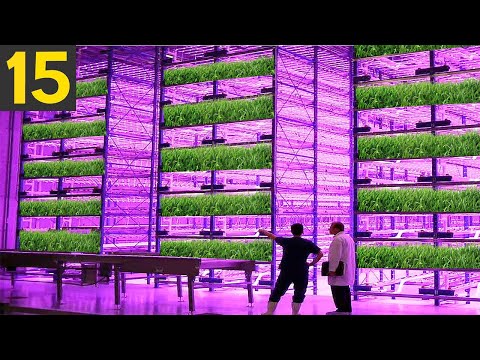
These innovative systems integrate controlled environments, LED lighting, automated nutrient delivery, and real-time monitoring to support Modern Farming In The United States. By controlling temperature, humidity, and light, indoor farms can produce leafy greens and herbs year-round, often with reduced pesticide use and dramatically lower water requirements compared to open-field systems. Guidance documents and technical assistance programs help new producers understand business planning, food safety, and regulatory requirements, ensuring that this new branch of Modern Farming In The United States grows on a solid foundation. USDA Farmers.gov – Urban and Innovative Agriculture Resources
Labor, Automation, and the Human Side of Modern Farming In The United States
Labor is one of the biggest challenges facing Modern Farming In The United States, especially in sectors that require intensive hand work like fruits, vegetables, and dairy. As rural populations change and competition for workers increases, many farms struggle to find enough skilled labor to plant, manage, and harvest crops on time. In response, technology companies are developing robotic harvesters, automated milking systems, and autonomous tractors that can help Modern Farming In The United States maintain productivity even when human labor is limited or expensive. USDA ERS – Farm Labor
Despite the growth of automation, people remain essential to Modern Farming In The United States. Farmers, farmworkers, agronomists, veterinarians, and technicians must understand both biological systems and modern technology to make sound decisions. Training programs, extension services, and community colleges offer courses on precision agriculture, equipment diagnostics, data analysis, and conservation planning. These opportunities help ensure that Modern Farming In The United States has a workforce capable of using complex tools effectively while maintaining a strong commitment to safety and stewardship. USDA NIFA – Agriculture and Food Research Initiative
Policies and Support Programs for Modern Farming In The United States
Public policies and support programs strongly influence how Modern Farming In The United States grows and adapts. The Farm Bill, renewed periodically by Congress, funds research, risk management tools, conservation programs, and nutrition assistance. Many of these initiatives provide cost-share payments or technical support that help farmers adopt new practices and technologies. By taking advantage of these tools, Modern Farming In The United States can reduce financial risk while experimenting with new crops, conservation systems, and marketing strategies. USDA – Farm Bill Information
In addition to broad Farm Bill programs, specialized initiatives support sustainable and resilient systems within Modern Farming In The United States. For example, conservation programs help pay for cover crops, buffer strips, and improved irrigation, while other programs focus on beginning farmers, organic systems, minority producers, and veterans entering agriculture. Organizations that track these policies and grants provide guides and summaries that make it easier for Modern Farming In The United States to identify opportunities and build long-term, financially sound operations. NSAC – Farm Bill Programs and Grants Guide
Challenges and Future Trends in Modern Farming In The United States
Even with its successes, Modern Farming In The United States faces ongoing challenges. Climate variability, water scarcity in some regions, rising land values, and tight profit margins all create pressure on farm businesses. Smaller and mid-sized operations may find it difficult to afford the newest technologies or compete with larger players. Researchers and policy analysts highlight the need for inclusive strategies so that the benefits of Modern Farming In The United States are shared across different regions, farm sizes, and production systems rather than concentrated in only a few places. USDA ERS – Farm Structure and Organization
Looking ahead, new breakthroughs in artificial intelligence, biological inputs, and climate-resilient crops are expected to shape Modern Farming In The United States. Decision-support tools that integrate weather forecasts, soil data, satellite imagery, and market signals can help farmers evaluate different options before acting. At the same time, improved crop varieties and biological pest management products may reduce dependence on synthetic chemicals. With strong research programs and detailed data from national surveys, Modern Farming In The United States is well positioned to continue increasing productivity while reducing its environmental footprint. USDA NASS – Census of Agriculture Data Portal
Final thought
In conclusion, Modern Farming In The United States represents a powerful combination of tradition, innovation, and responsibility. While farmers still rely on experience and close observation of their fields and animals, they also use advanced tools, data, and science to guide decisions. From precision agriculture and climate-smart practices to urban farms and new business models, Modern Farming In The United States is constantly evolving to meet consumer expectations, protect natural resources, and remain economically viable. Understanding these changes helps everyone—from producers to policymakers and consumers—support a food system that is productive, resilient, and sustainable for generations to come. USDA – Farming and Agriculture Overview
Sources & References
- USDA – Farming and Agriculture Overview
- USDA ERS – Innovations in Seed and Farming Technologies
- U.S. Government Accountability Office – Precision Agriculture: Benefits and Challenges
- USDA NASS – Data & Statistics
- USDA Farmers.gov – Resources for Farmers
- USDA – Sustainability in Agriculture
- SARE – Sustainable Agriculture Research & Education
- USDA – Urban Agriculture and Innovative Production
- USDA Farmers.gov – Urban and Innovative Agriculture Resources
- USDA ERS – Farm Labor
- USDA NIFA – Agriculture and Food Research Initiative
- USDA – Farm Bill Information
- NSAC – Farm Bill Programs and Grants Guide
- USDA ERS – Farm Structure and Organization
- USDA NASS – Census of Agriculture Data Portal