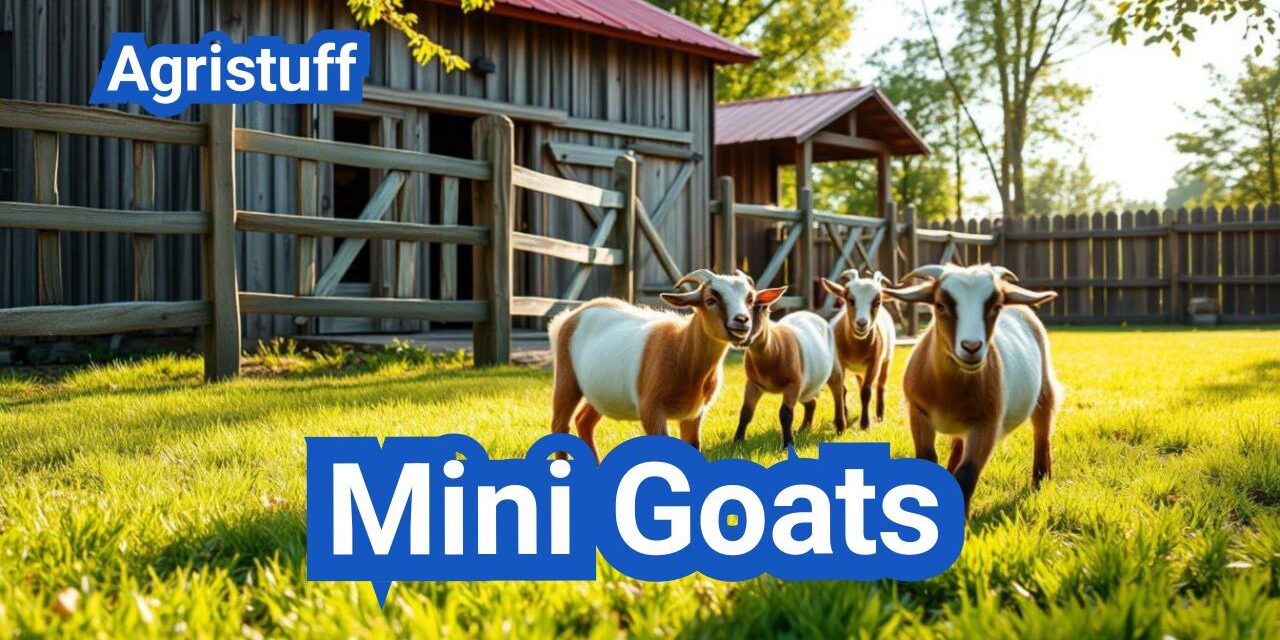
For those considering a unique pet or a sustainable source of milk, miniature goats can be an excellent addition to small homesteads or backyards.
According to Jennifer Sartell, these small dairy goat breeds provide companionship and milk, making them ideal for those interested in homesteading or backyard farming.
Keeping homestead dairy goats requires careful consideration of space and fencing requirements, as well as their overall care.
This article will cover the basics of keeping these animals, including the necessary space, appropriate fencing, and the care they need to thrive.
Key Takeaways
- Miniature goats can be a great addition to small homesteads or backyards.
- They provide companionship and milk.
- Space and fencing requirements are crucial for their care.
- Proper care is necessary for their health and well-being.
- Homestead dairy goats can be a sustainable source of milk.
Why Mini Goats Are Perfect for Small Homesteads

Small goat breeds are gaining traction in the U.S. for their versatility and manageable care requirements. As urban and suburban homesteading continues to grow, the appeal of mini goats lies in their compact size, friendly nature, and the multiple benefits they offer to homesteaders.
The Growing Popularity of Small Goat Breeds in the USA
The trend towards mini goats is evident in the increasing number of breeders and owners across the country. According to a recent survey, there’s been a significant rise in the demand for smaller goat breeds that can fit into smaller homesteads. This shift is largely driven by the desire for sustainable living and self-sufficiency, with mini goats offering a practical solution for milk, meat, and companionship.
“Mini goats are not just pets; they’re a lifestyle choice that aligns with the values of many modern homesteaders,” says Jane Smith, a renowned expert in sustainable living. “They provide an opportunity for individuals to engage in dairy production, breeding, and other agricultural activities, even with limited space.”
Advantages Over Full-Size Goats
One of the primary advantages of mini goats over their full-size counterparts is their manageable size. This characteristic makes them ideal for small homesteads where space is limited. Additionally, mini goats require less food and have lower overall maintenance costs, making them a more economical choice for many homesteaders.
- Less space required for housing and grazing
- Lower feed costs
- Easier to handle and manage
Multi-Purpose Benefits: Companionship and Production
Mini goats are not only a joy to be around, offering companionship and affection, but they are also productive animals. Many breeds, such as the Nigerian Dwarf, are renowned for their rich milk production, which can be used to make cheese, butter, and other dairy products. This dual benefit of companionship and production makes mini goats an attractive choice for a wide range of homesteaders.
By integrating mini goats into their homesteads, individuals can enjoy a more self-sufficient lifestyle, reaping the rewards of fresh milk, companionship, and a deeper connection to their land and animals.
Popular Mini Goat Breeds for American Homesteads

When it comes to selecting the perfect mini goat breed for your American homestead, several popular options stand out for their unique characteristics and benefits. Mini goats have become increasingly popular due to their compact size, versatility, and the variety of benefits they offer, from companionship to dairy production.
Nigerian Dwarf Goats: The Dairy Stars
Nigerian Dwarf goats are renowned for their exceptional dairy capabilities. Despite their small stature, they produce rich, high-quality milk that is ideal for cheese-making, butter, and other dairy products. Their milk is particularly prized for its creamy texture and rich flavor.
- High milk production relative to their size
- Rich milk quality ideal for dairy products
- Friendly disposition, making them easy to handle
Pygmy Goats: Compact Companions
Pygmy goats are another popular choice among American homesteaders. They are compact, hardy, and known for their friendly, outgoing personalities. Pygmy goats are often kept as pets due to their affectionate nature and relatively low maintenance care.
- Compact size, ideal for smaller homesteads
- Hardy and adaptable to various environments
- Affectionate and social, making great companions
Mini Nubians and Other Dairy Crosses
Mini Nubians and other dairy crosses offer a blend of the best traits from various breeds. Mini Nubians, for example, are known for their rich milk and distinctive appearance. Other dairy crosses may combine the high milk production of breeds like Nigerian Dwarfs with the hardiness and temperament of other breeds.
Some key benefits of Mini Nubians and other dairy crosses include:
- Rich milk production for dairy needs
- Hardiness and adaptability to different climates
- Diverse genetic pool, potentially leading to healthier offspring
Selecting the Right Mini Goats for Your Goals

Choosing the perfect mini goats requires a thoughtful approach, considering your goals and their needs. Whether you’re looking to enrich your homestead with friendly companions or seeking a sustainable source of dairy, the right selection is crucial.
Mini goats can serve multiple purposes on a homestead, from providing milk and meat to offering companionship. Understanding your primary objective is the first step in making an informed decision.
Pet vs. Dairy: Making the Right Choice
Deciding between mini goats as pets or dairy producers depends on your personal preferences and needs. If you’re looking for affectionate companions, certain breeds like Pygmy goats might be ideal. On the other hand, if dairy is your goal, breeds such as Nigerian Dwarfs are renowned for their milk production.
Consider your lifestyle and what you can offer: If you have time to devote to training and interacting with your goats, they can make wonderful pets. For dairy production, you’ll need to consider the time and equipment required for milking.
Evaluating Health When Purchasing
When purchasing mini goats, evaluating their health is paramount. Look for goats that are alert, have a healthy coat, and show no signs of illness or injury. It’s also crucial to check their vaccination history and ensure they’ve been properly dewormed.
- Check for clear eyes and noses
- Inspect their coats for any signs of parasites or disease
- Ensure they have a robust appetite and are well-hydrated
Consulting with a veterinarian experienced in caring for goats can provide valuable insights and help you make a healthier choice.
Starting With Two or More: The Social Nature of Goats
Goats are inherently social animals that thrive in the company of others. Starting with at least two goats can help prevent loneliness and ensure they remain happy and healthy.
The benefits of keeping multiple goats include: They can entertain each other, reducing the likelihood of destructive behavior, and they provide companionship, which is especially important if you have a busy schedule.
When introducing new goats to each other, do so gradually to prevent stress and fighting. A well-planned introduction in a neutral area can help establish a harmonious herd.
Legal Considerations for Keeping Mini Goats
Understanding local laws and regulations is a critical first step for prospective mini goat owners. The legal landscape surrounding mini goat ownership can be complex and varies significantly from one location to another.
Zoning Laws in Urban and Suburban Areas
Zoning laws dictate how land can be used in different areas, including whether or not you can keep livestock such as mini goats. In urban and suburban areas, these laws can be particularly stringent. It’s essential to check with your local government to understand the specific zoning regulations in your area. Some areas may allow mini goats as pets but not for dairy purposes, or they may have specific requirements for the number of animals you can keep.
Key considerations include:
- The minimum acreage required to keep mini goats
- Restrictions on the number of animals per property
- Specific requirements for housing and fencing
HOA Restrictions and Neighbor Relations
If you live in a neighborhood with a Homeowners Association (HOA), there may be additional rules governing the keeping of mini goats. HOAs often have their own set of regulations that may be more restrictive than local zoning laws. It’s crucial to review your HOA’s bylaws or consult with the HOA board before bringing mini goats onto your property. Moreover, maintaining good relations with your neighbors is vital, as noise and odor complaints can lead to issues with both your HOA and local authorities.
Permits and Licenses Required in Different States
The permits and licenses required to keep mini goats can vary significantly from state to state and even from one local jurisdiction to another. Some areas may require a special permit for keeping livestock, while others may have specific health and safety regulations. It’s essential to research the specific requirements for your area and comply with all relevant regulations to avoid fines or other penalties.
Before making a decision, consider:
- Researching local and state laws regarding mini goat ownership
- Consulting with local authorities or an attorney specializing in agricultural law
- Ensuring compliance with all relevant regulations and obtaining necessary permits
Space Requirements for Healthy Mini Goats

When considering mini goats as pets or for dairy production, understanding their space requirements is crucial for their health and well-being. Mini goats, despite their compact size, need room to move, graze, and exercise to stay healthy.
Minimum Square Footage Guidelines
The minimum space required for mini goats varies depending on several factors, including breed, age, and whether they are being kept for dairy production or as pets. Generally, a good rule of thumb is to provide at least 1/4 to 1/2 acre of grazing land per goat, depending on the quality of the pasture.
For housing, a shelter of around 10×10 feet can accommodate 2-3 mini goats, providing them with protection from the elements. However, the total space available for roaming should be significantly larger to allow for exercise and grazing.
Urban Homestead Adaptations
For urban homesteads, where space is limited, creative adaptations are necessary. This can include using vertical space for browsing or implementing rotational grazing in small, fenced areas to maximize the use of available land.
Urban homesteaders can also consider integrating their mini goats into a multi-use space that serves as both a garden and a grazing area, ensuring efficient use of space.
Designing Multi-Use Spaces for Limited Acreage
Designing spaces that serve multiple purposes is key to successfully keeping mini goats in areas with limited acreage. This can involve creating a goat-friendly garden that is both aesthetically pleasing and functional for the goats.
| Space Feature | Benefit | Consideration |
|---|---|---|
| Rotational Grazing | Prevents overgrazing, promotes healthy pasture | Requires regular rotation and fencing |
| Vertical Browsing | Maximizes space, provides enrichment | Needs sturdy structures, regular maintenance |
| Multi-use Gardens | Integrates goats into garden design, enhances biodiversity | Requires careful planning, goat-proofing |
By understanding and implementing these strategies, individuals can create healthy, thriving environments for their mini goats, even in the most space-constrained urban settings.
Building Proper Housing for Mini Goats

Building the right shelter for mini goats is essential for their comfort and safety. Proper housing protects them from harsh weather conditions and predators, ensuring their overall health and well-being.
Essential Shelter Components
A good mini goat shelter should have several key components. These include:
- A dry and well-ventilated area to prevent respiratory issues
- Protection from wind, rain, and extreme temperatures
- Adequate space for movement and exercise
- Easy cleaning and maintenance
Ventilation is crucial to prevent the buildup of ammonia from manure and to reduce the risk of respiratory problems. Insulation helps maintain a stable temperature inside the shelter.
DIY Shelter Plans and Materials
When building a DIY goat shelter, several materials can be used, including wood, metal, and plastic. The choice of material depends on durability, cost, and availability.
| Material | Pros | Cons |
|---|---|---|
| Wood | Natural, good insulation | Requires maintenance, can be expensive |
| Metal | Durable, easy to clean | Can be cold, noisy |
| Plastic | Waterproof, easy to clean | Less durable, can be expensive |
Bedding Management and Cleaning Schedule
Proper bedding management is vital for maintaining a clean and healthy environment for mini goats. Bedding materials like straw or hay should be dry and changed regularly.
A regular cleaning schedule includes:
- Daily removal of soiled bedding and manure
- Weekly disinfection of feeding and watering areas
- Monthly thorough cleaning of the shelter, including walls and floors
By following these guidelines, you can create a safe and comfortable housing for your mini goats, ensuring their health and happiness.
Effective Fencing for Mini Goats

Effective fencing is crucial for keeping mini goats safe and contained. Fencing serves as a barrier that prevents escape and protects against predators, making it a critical component of mini goat care.
Recommended Fence Types and Heights
The type and height of the fence are crucial in determining its effectiveness. For mini goats, a fence should be at least 4 feet tall to prevent jumping. The material used is also important; woven wire or stock panels are recommended due to their strength and durability.
“A well-constructed fence is more than just a barrier; it’s a safeguard for your mini goats’ well-being,” says an experienced goat breeder. The fence should be made of materials that are resistant to chewing and damage.
Common Escape Methods and Prevention
Mini goats are notorious for their ability to escape if the fencing is inadequate. Common escape methods include jumping over low fences or finding weak spots in the fence. To prevent this, regular inspections of the fence are necessary to identify and repair any damage.
- Regularly inspect the fence for damage or weak spots.
- Use fencing materials that are difficult for goats to chew through.
- Consider adding an electric wire to deter goats from attempting to breach the fence.
Predator-Proofing Your Perimeter
In addition to preventing escape, fencing must also protect mini goats from predators such as coyotes, dogs, and foxes. To achieve this, the fence should be designed with predator-proofing in mind.
Using hardware cloth or a similar material for the lower portion of the fence can prevent predators from burrowing underneath. Additionally, ensuring that there are no gaps or weak spots in the fence can help keep predators out.
“Predator-proof fencing is not just about keeping your goats in; it’s about keeping predators out,” notes a goat care expert.
Feeding and Nutrition for Mini Goats

Understanding the nutritional needs of mini goats is crucial for their health and well-being. Mini goats, like their larger counterparts, have specific dietary requirements that must be met to ensure they thrive.
Daily Dietary Requirements
Mini goats require a balanced diet that includes high-quality hay, grass, and limited amounts of grains. The dietary needs of mini goats are similar to those of larger goats, but the quantities are, of course, much smaller. A good rule of thumb is to provide 1-2% of their body weight in dry matter per day. For example, a 50-pound mini goat would need about 0.5 to 1 pound of dry matter daily.
It’s also essential to ensure they have access to clean, fresh water at all times. “Goats are notorious for their curiosity and love to explore their surroundings, including their feeding options,” says an experienced goat breeder. “Providing a varied and nutritious diet is key to keeping them healthy and happy.”
Browsing vs. Grazing: Natural Feeding Behaviors
Mini goats are natural browsers, meaning they prefer to eat leaves, twigs, and shrubs rather than just grazing on grass like cattle. This behavior is essential to their nutritional and mental well-being. Providing a variety of plants for them to browse on can help keep them satisfied and stimulated.
- Provide a mix of hay, such as timothy or alfalfa, depending on their nutritional needs.
- Allow them to browse on shrubs and trees, but ensure the plants are non-toxic.
- Limit grains to avoid overfeeding, as they can lead to obesity and other health issues.
Toxic Plants and Substances to Avoid
It’s critical to be aware of plants that are toxic to goats to prevent accidental poisoning. Some common toxic plants include:
- Azalea
- Rhododendron
- Oleander
- Cherry trees (especially the leaves and pits)
Always research any new plant before introducing it into their environment. Keeping your mini goats safe involves being vigilant about their surroundings and diet.
“The key to keeping mini goats healthy is providing a balanced diet and ensuring they have a safe and stimulating environment.”
— Experienced Goat Breeder
Mini Goats for Milk Production

Mini goats are an excellent choice for homesteaders looking to produce their own milk, thanks to their compact size and gentle nature. With the right care and equipment, they can provide a sustainable source of fresh milk for drinking, cheese-making, and other dairy products.
Breeding and Kidding Basics
Breeding mini goats requires careful planning and attention to detail. It’s essential to select healthy, genetically diverse breeding stock to ensure the quality and viability of the offspring. The gestation period for mini goats is approximately 150 days, and does typically give birth to one or two kids per kidding.
Key Considerations for Breeding:
- Selecting breeding stock with desirable traits such as high milk production and strong health.
- Ensuring proper nutrition for pregnant does to support their health and the development of the kids.
- Preparing a safe and clean environment for kidding to reduce the risk of complications.
Milking Equipment for Small-Scale Production
For small-scale milk production, investing in the right milking equipment is crucial. This includes a milking stand, milking machine or hand milking equipment, and storage containers for the milk.
| Milking Equipment | Description | Benefits |
|---|---|---|
| Milking Stand | A platform that elevates the goat to a comfortable milking height. | Reduces strain on the milker’s back and improves milking efficiency. |
| Milking Machine | A device that automates the milking process. | Saves time and labor, especially for larger herds. |
| Hand Milking Equipment | Manual tools used for milking, such as milking pails and strainers. | Cost-effective and suitable for small-scale operations. |
Handling and Processing Raw Milk Safely
Handling raw milk safely is critical to prevent contamination and ensure the quality of the milk. This involves proper milking hygiene, storage, and handling practices.
Best Practices for Raw Milk Handling:
- Maintain cleanliness during milking by washing hands and udders thoroughly.
- Store milk in clean, sanitized containers to prevent contamination.
- Keep milk refrigerated at a temperature below 40°F (4°C) to slow bacterial growth.
Daily Care Routine for Mini Goats
Establishing a daily care routine is crucial for the health and well-being of mini goats. A consistent routine helps in maintaining their overall health, ensuring they remain productive and happy.
Morning and Evening Chore Schedule
A typical day for mini goats starts early with a morning routine that includes feeding, providing fresh water, and cleaning their living area. In the evening, the routine is repeated, with additional tasks such as securing their shelter for the night.
Morning chores typically involve:
- Releasing the goats from their night shelter
- Providing fresh hay and grain
- Ensuring access to clean water
- Inspecting the fencing for any damage
Evening chores include:
- Securing the goats in their shelter
- Providing additional nutrition if needed
- Checking for signs of illness or stress
- Locking up to prevent predator access
Seasonal Care Adjustments
The care routine for mini goats needs to be adjusted seasonally to accommodate changes in weather and nutritional needs. For example, during hot summer months, it’s crucial to provide extra shade and ensure they have access to plenty of cool water.
In colder months, additional bedding may be necessary to keep them warm, and their diet might need to be supplemented with more nutritious feed to help them stay warm.
Record Keeping for Health and Production
Maintaining accurate records is vital for the health and productivity of mini goats. This includes tracking their feeding schedule, health checks, breeding cycles, and milk production if applicable.
Good record keeping helps in early detection of health issues, managing their reproductive cycles, and optimizing their diet and living conditions.
Essential Health Care for Mini Goats
Ensuring the health of mini goats is crucial for their longevity and productivity. A comprehensive health care plan includes regular vaccinations, deworming schedules, and prompt treatment of common health issues.
Vaccination and Deworming Schedules
Regular vaccinations are vital to protect mini goats from diseases such as CDT (Clostridium perfringens type C and D and tetanus) and Bo-Se (a multivalent clostridial vaccine). The vaccination schedule typically involves an initial vaccination followed by booster shots.
Deworming is another critical aspect of mini goat health care. Internal parasites can significantly impact their health, so regular deworming is necessary. The frequency of deworming depends on factors such as the goat’s age, health, and grazing conditions.
| Vaccination Type | Initial Vaccination | Booster Schedule |
|---|---|---|
| CDT | At 6-8 weeks | Every 3-4 weeks until 6 months, then annually |
| Bo-Se | At 6-8 weeks | Annually |
Common Health Issues and Treatment
Mini goats are susceptible to various health issues, including parasites, respiratory infections, and hoof problems. Prompt identification and treatment of these issues are crucial to prevent complications.
“Regular monitoring of your mini goats’ health can help identify potential issues early, allowing for timely intervention.”
Common health issues include:
- Internal parasites
- Respiratory infections
- Hoof abscesses
Finding a Goat-Experienced Veterinarian
Having a veterinarian experienced in caring for goats is essential for maintaining the health of your mini goats. They can provide guidance on vaccination schedules, deworming, and treatment of health issues.
When searching for a veterinarian, consider their experience with goats and their willingness to provide the necessary care. It’s also beneficial to establish a relationship with a veterinarian before you need their services.
Grooming and Maintenance Practices
Mini goats require regular grooming to stay healthy and thrive on your homestead. Regular grooming not only keeps their coats clean and shiny but also helps in early detection of health issues.
Hoof Trimming: Step-by-Step Guide
Hoof trimming is a critical aspect of mini goat grooming. Overgrown hooves can lead to discomfort and health problems. Here’s a step-by-step guide to trimming your mini goat’s hooves:
- Prepare your tools: You’ll need hoof trimmers or nippers and a hoof pick.
- Restrain your goat: Safely secure your goat to prevent movement during trimming.
- Clean the hooves: Use a hoof pick to remove dirt and debris.
- Trim the hooves: Carefully trim the hooves, avoiding the quick to prevent pain and bleeding.
Regular trimming every 4-6 weeks is recommended, depending on the goat’s activity level and terrain.
Coat Care by Breed Type
Different breeds of mini goats have varying coat types, requiring specific care. For instance, Nigerian Dwarfs have a short, fine coat, while some other breeds may have longer or thicker coats.
| Breed | Coat Type | Grooming Needs |
|---|---|---|
| Nigerian Dwarf | Short, fine | Occasional brushing |
| Pygmy | Thick, short | Regular brushing during shedding |
| Mini Nubian | Medium length | Frequent brushing to prevent matting |
Horn Management and Safety
Some mini goats are naturally horned, while others may be dehorned. Horn management is crucial for safety reasons, as horns can cause injury to both humans and other goats.
Tips for horned goats:
- Regularly inspect horns for damage or infection.
- Trim or file horns as necessary to prevent overgrowth.
- Consider dehorning if you’re not experienced in horn management.
By following these grooming and maintenance practices, you can ensure your mini goats remain healthy and happy.
Training and Handling Your Mini Goats
Effective training and handling are crucial for developing a positive relationship with your mini goats. By establishing a strong bond, you can ensure that your goats are well-behaved and responsive to commands.
Establishing Trust and Boundaries
To train your mini goats successfully, you must first establish trust. This can be achieved by moving slowly and calmly around them, allowing them to become comfortable with your presence. It’s also essential to set clear boundaries, as mini goats are intelligent and can quickly learn what is expected of them.
Consistency is key when establishing trust and boundaries. Ensure that all family members are using the same commands and rewards to avoid confusing the goats.
Lead Training and Basic Commands
Lead training is a fundamental aspect of handling mini goats. Begin by introducing the halter gradually, allowing the goats to become accustomed to wearing it. Once they are comfortable with the halter, you can start training them to walk on a lead.
- Start with short sessions to keep the goats focused.
- Use positive reinforcement, such as treats and praise, to encourage good behavior.
- Gradually increase the distance and duration of the walks.
Teaching basic commands, such as “stop,” “come,” and “stay,” can also be beneficial. These commands can help you manage your goats’ behavior and ensure their safety.
Addressing Unwanted Behaviors
Despite proper training, mini goats may sometimes exhibit unwanted behaviors, such as jumping on fences or refusing to walk on a lead. Addressing these behaviors promptly is crucial to prevent them from becoming habitual.
To address unwanted behaviors, identify the cause and apply a suitable solution. For example, if a goat is jumping on fences, it may be due to boredom or excess energy. Providing additional enrichment activities or exercise can help alleviate this behavior.
By following these training and handling tips, you can develop a positive and rewarding relationship with your mini goats.
The Economics of Mini Goat Ownership
The financial aspects of keeping mini goats involve various costs and potential income streams. Understanding these economic factors is essential for anyone considering adding mini goats to their homestead or backyard.
Startup Costs Breakdown
The initial investment for mini goat ownership includes several key components. First, there’s the cost of purchasing the goats themselves, which can vary widely depending on breed, quality, and location.
- Purchasing mini goats: $100-$500 per goat
- Fencing and enclosures: $500-$1,500
- Housing and shelter: $200-$1,000
- Initial veterinary care and vaccinations: $50-$100 per goat
These startup costs can add up quickly, so it’s essential to budget accordingly.
Monthly Expense Expectations
After the initial startup costs, there are ongoing monthly expenses to consider when owning mini goats.
| Expense Category | Monthly Cost |
|---|---|
| Feed and Hay | $20-$50 per goat |
| Veterinary Care | $10-$20 per goat |
| Supplies (bedding, etc.) | $10-$30 |
These expenses can vary based on factors like the size of your herd and local prices for supplies.
Potential Income Opportunities
While the expenses are a significant consideration, there are also potential income opportunities associated with mini goat ownership.
For those interested in dairy production, selling raw milk or value-added dairy products can provide a revenue stream. Additionally, breeding and selling mini goats can be lucrative for those with high-quality animals.
- Selling raw milk: $3-$5 per gallon
- Selling value-added dairy products: $5-$10 per item
- Breeding and selling mini goats: $200-$500 per kid
By carefully managing costs and exploring these income opportunities, mini goat ownership can be a financially sustainable venture.
Embracing the Mini Goat Lifestyle
Keeping mini goats can be a rewarding experience, offering numerous benefits for individuals and families. The unique charm of these small animals brings joy and companionship to many homesteads across the United States.
The benefits of mini goats extend beyond their small size, providing milk, companionship, and a connection to nature. By understanding the needs and requirements of mini goats, individuals can create a thriving and sustainable homestead.
Embracing the mini goat lifestyle means embracing a lifestyle that values self-sufficiency, animal welfare, and a deep connection with nature. With proper care and attention, mini goats can become beloved members of the family, providing years of companionship and enjoyment.
As you consider bringing mini goats into your life, remember that their small size belies their big personalities and the significant benefits they can bring to your homestead. By choosing to adopt a mini goat lifestyle, you are not only gaining a new pet or source of milk but also becoming part of a community that values simplicity, sustainability, and the joys of country living.
FAQ
What are the benefits of keeping mini goats on a small homestead?
Mini goats offer companionship and production benefits, making them ideal for small homesteads. They require less space than full-size goats and can provide milk, meat, or fiber, depending on the breed.
Which mini goat breeds are most popular for dairy production?
Nigerian Dwarf goats and Mini Nubians are popular breeds for dairy production due to their high milk yield relative to their size.
How much space do mini goats require?
The minimum recommended space for mini goats is around 200-250 square feet per goat, but this can vary depending on breed, size, and local regulations.
What type of fencing is recommended for mini goats?
A sturdy fence that is at least 4 feet tall is recommended to contain mini goats. The type of fencing material can vary, but woven wire or electric fencing are common choices.
How often should I clean my mini goats’ shelter?
The shelter should be cleaned regularly, ideally daily, to keep the living area clean and reduce health risks.
What are the dietary requirements for mini goats?
Mini goats require a balanced diet that includes high-quality hay, grains, and minerals. They also need access to fresh water at all times.
Can mini goats be trained?
Yes, mini goats can be trained using positive reinforcement techniques. They can learn to walk on a lead, respond to commands, and behave well in a homestead setting.
How often should I trim my mini goats’ hooves?
Hooves should be trimmed every 4-6 weeks to prevent overgrowth, which can lead to health issues.
What are the common health issues in mini goats?
Common health issues include parasites, hoof problems, and respiratory infections. Regular veterinary care and monitoring can help prevent or address these issues.
Are mini goats suitable as pets?
Yes, mini goats can make wonderful pets due to their friendly, social nature. However, they do require regular care and attention.
How much do mini goats cost?
The cost of mini goats can vary widely depending on breed, age, and quality. Initial purchase prices can range from a few hundred to several thousand dollars.
Do I need a permit to keep mini goats?
Permit requirements vary by location, so it’s essential to check local zoning laws and regulations before bringing mini goats onto your property.
Can I keep mini goats in an urban area?
Yes, but it’s crucial to check local ordinances and HOA rules, as they may restrict or regulate the keeping of livestock, including mini goats, in urban areas.
How do I predator-proof my mini goat enclosure?
To predator-proof your enclosure, use sturdy fencing, bury the fencing material to prevent digging, and consider using electric fencing or guard animals to protect your mini goats.
Conclusion of: Mini Goats Breed
Mini Goats as Pets or Homestead Milk: Space, Fencing, and Care
Mini goats have become incredibly popular in the USA as charming backyard pets and compact homestead milk producers. Whether you dream of friendly mini goats following you around the yard or a small family milk supply without needing acres of pasture, these little animals can be a great fit — as long as you plan correctly for space, fencing, and care.
Mini goats are still livestock, not toy animals, so they need proper housing, nutrition, health care, and respect for local laws. In this guide, we’ll walk through everything you need to know about choosing mini goats, preparing your property, and caring for them day to day so they stay healthy, productive, and enjoyable to live with. Miniature goat overview
What Are Mini Goats? Key Breeds and Traits
When people talk about mini goats, they usually mean small breeds such as Nigerian Dwarf goats and pygmy or American Pygmy goats. These mini goats typically stand under two feet tall at the shoulder and weigh far less than standard dairy breeds, but mini goats still offer real milk production and big personalities. Nigerian Dwarf mini goats, for example, are recognized as a true dairy breed and are known for rich milk with high butterfat, while pygmy mini goats are often kept mainly as pets and companions.
Despite their size, mini goats are hardy, intelligent, and long-lived, often living 10–12 years with good care. Understanding these basic traits helps you match mini goats to your space, family, and goals. Guide to small goat breeds
Are Mini Goats Right for Your Home or Homestead?
Before bringing mini goats home, it’s important to ask whether mini goats truly fit your lifestyle, neighbors, and local rules. Mini goats are curious and can be vocal, they may nibble plants and landscaping, and they need daily care in all weather. In the USA, mini goats may also be regulated as livestock rather than typical pets, so zoning, permits, and animal limits can vary widely from one town to another. Some cities allow mini goats with conditions,
such as dehorning, neutering males, or minimum yard size, while others restrict goats completely in residential areas. Mini goats can be wonderful for families who accept the chores and noise level, but they’re not a casual, low-maintenance pet, so you should think carefully about whether mini goats will truly work for your situation. Legal basics of backyard goats
Space Requirements for Mini Goats in Small Yards
Even though mini goats are small, they still need more room than many people expect. Extension guidelines for dairy does suggest around 16 square feet of indoor resting space per goat plus 25–50 square feet of activity area, and many experienced keepers recommend that mini goats have at least 135 square feet of outdoor space per goat so they can run, play, and stay healthy.
Mini goats kept only in cramped pens are more likely to develop behavior problems, obesity, and health issues. A practical starting point is to plan for a minimum of 20 square feet of covered shelter for a pair of mini goats and several hundred square feet of secure yard or paddock, knowing that more space is always better. Carefully planning floor area, drainage, and exercise yards makes mini goats easier to care for over the long term. Goat space guidelines (UF/IFAS)
Designing Shelter and Housing for Mini Goats
Good housing is essential for mini goats, especially in climates with cold winters or hot, wet summers. Mini goats need a dry, draft-free but well-ventilated shelter that protects them from rain, wind, and extreme heat or cold. Dairy goat housing guidance from universities and breed organizations suggests simple enclosed barns or sheds with solid roofing, dry bedding such as straw or wood shavings, and enough height for mini goats to stand on their hind legs and for you to work comfortably.
For two mini goats, a sturdy 8×6-foot shed can work if it stays clean and dry and opens onto a safe exercise yard. Adding raised platforms or benches gives mini goats a place to climb and rest off the ground. Well-planned housing helps mini goats stay healthy and reduces how often you need to change bedding or deal with mud and moisture. Housing for dairy goats (Purdue)
Outdoor Areas and Enrichment for Mini Goats
Beyond a basic shed, mini goats thrive when they have outdoor space to exercise, explore, and play. Animal welfare organizations emphasize that goats, including mini goats, need an environment where they can climb, investigate, browse shrubs or safe branches, and interact with their herd mates. A well-designed mini goat yard should include varied terrain, solid footing, shade, and items like cable spools, low platforms, and safe rocks or logs to climb.
Rotating access to different parts of your yard or paddock lets mini goats graze more evenly, reduces parasite pressure, and gives vegetation time to recover. Keeping the environment clean, dry, and interesting prevents boredom, reduces stress, and supports the natural behavior of mini goats, making them easier to handle and more enjoyable companions. Best environment for pet goats
Fencing That Actually Contains Mini Goats
Good fencing is non-negotiable when you keep mini goats. These clever escape artists will test weak spots, climb, or push through flimsy materials, and mini goats are small enough to slip through gaps that would stop larger animals. Extension specialists recommend strong woven-wire or field fencing with small mesh openings so mini goats cannot get their heads or legs stuck; barbed wire or widely spaced strands are more dangerous and less effective.
A typical fence for mini goats is at least 4–5 feet high, with secure posts and tight wire, and many owners add one or more electric strands to discourage rubbing and climbing and to help deter predators like dogs or coyotes. Regularly walking the fence line to check for loose wires, gaps, or leaning posts should be part of your routine mini goats care. Fencing considerations for goats (Texas A&M)
Feeding Mini Goats: Hay, Browse, and Safe Extras
Nutrition is another cornerstone of caring for mini goats. Most mini goats do best on a base diet of good-quality grass or mixed hay, along with access to safe browse or pasture where available. Commercial goat pellets or grain can be added in modest amounts, especially for milking mini goats, growing kids, or thin animals, but too much concentrate can lead to obesity or digestive upset in mini goats. Goats, including mini goats, should not rely on lawn clippings or “yard waste,” and many ornamental plants are toxic.
Clean, mold-free hay offered in a rack, plus controlled grazing and a balanced mineral supplement, generally covers the basic needs of mini goats kept as pets or small-scale milkers. Avoid feeding large amounts of human food, dog or cat food, or sugary treats, which can cause serious health problems in mini goats. Complete goat care and feeding guide
Water, Minerals, and Pasture Management for Mini Goats
Mini goats need constant access to clean, fresh water that they can easily reach, along with a suitable mineral source designed specifically for goats. Because mini goats are short, low-profile water troughs or buckets are often more practical than deep tanks. Free-choice loose minerals or mineral blocks formulated for goats help prevent deficiencies; avoid products made for other species unless your veterinarian approves them for mini goats.
Routine health guides emphasize monitoring body condition and coat quality throughout the year to spot problems early in mini goats. Rotational grazing or dividing your yard into sections can help mini goats avoid overgrazed, muddy areas and reduce parasite exposure. Combining good water access, minerals, and sensible pasture management helps mini goats maintain strong immune systems and stay productive on small properties. Routine health care for goats (Cornell)
Health Care, Hoof Trimming, and Parasite Control for Mini Goats
Even hardy mini goats require routine health care to stay sound and comfortable. Basic mini goats health programs usually include vaccinations recommended in your region (commonly clostridial vaccines such as CD&T), regular deworming based on fecal egg counts, external parasite control, and hoof trimming every 4–6 weeks.
Overgrown hooves can cause pain, abnormal gait, and joint problems, so keeping up with hoof care is especially important for pet mini goats that may not wear hooves down naturally on soft ground. Many owners develop a working relationship with a goat-experienced veterinarian to handle emergencies, kidding problems, and herd-level health planning for their mini goats. Maintaining clean bedding, dry footing, and good ventilation in shelters greatly reduces disease pressure for mini goats and should be part of your overall health strategy. Introduction to goat keeping
Herd Instinct and Behavior: Why Mini Goats Need Friends
Mini goats are herd animals, and their mental health depends on companionship with other mini goats. Keeping a single mini goat alone almost always leads to stress, excessive calling, and behavior problems, especially when mini goats are kept close to people but without another goat friend. Animal welfare organizations strongly recommend keeping at least two compatible goats together, and this is just as important for mini goats as for larger breeds.
Mini goats are playful, intelligent, and curious, so they benefit from gentle handling, consistent routines, and safe opportunities to climb and explore. Teaching basic manners, such as not jumping on people, pays off when mini goats grow stronger and more confident. A stable social group, positive interaction, and mental stimulation keep mini goats content and easy to live with. Goat welfare and social needs
Mini Goats for Homestead Milk: What to Expect
One of the big advantages of mini goats is their potential as compact family milkers. Nigerian Dwarf mini goats, in particular, are recognized as a dairy breed whose milk is naturally higher in butterfat than many larger goat breeds, making mini goats excellent for drinking, cheese, and yogurt on a small scale. Extension and breed guides report that a well-managed Nigerian Dwarf mini goat can produce up to about two quarts of milk per day in peak lactation, which is a manageable amount for many mini goats owners.
To get clean, high-quality milk from mini goats, you’ll need a routine of twice-daily milking (or a once-a-day schedule combined with kids nursing), a clean milking area, proper udder preparation, and quick chilling of the milk. With good handling and calm routines, mini goats can become reliable milkers that fit easily into homestead life. Dairy goat breeds, including Nigerian Dwarf
Mini Goats as Family-Friendly Pets
Mini goats can be delightful family companions when their needs are met. Their small size makes mini goats less intimidating for children and easier to handle than large dairy goats, and many Nigerian Dwarf and pygmy mini goats are naturally friendly and curious. However, mini goats are still strong animals with horns (unless disbudded) and hooves, so supervision around young children is always necessary.
Reputable animal welfare sources recommend choosing females or castrated males from smaller breeds when keeping mini goats as pets, since intact bucks can have strong odor and more challenging behavior. Families should also consider potential noise, manure management, and vacation care before adopting mini goats. When chosen thoughtfully and cared for responsibly, mini goats can provide years of affection, entertainment, and gentle interaction for people of all ages. Keeping goats as pets (RSPCA)
Legal and Zoning Considerations for Mini Goats in the USA
Because mini goats are usually classified as livestock, not typical pets, it’s essential to research local regulations before bringing mini goats onto your property. In the USA, rules are set at the city, county, and sometimes homeowners’ association level, and mini goats may be treated differently from dogs or cats.
Legal guides and city examples show that some municipalities allow a limited number of miniature goats with specific setback, shelter, and licensing requirements, while others require special permits or ban mini goats in standard residential zones. The safest approach is to call your local planning or animal services department, read zoning and animal codes carefully, and obtain any needed permits in writing before you invest in mini goats. Doing this homework up front protects both your mini goats and your investment in fencing and housing. Backyard goat law overview
Daily Time and Cost Commitment for Mini Goats
Caring for mini goats is a long-term responsibility that involves both time and money. Animal welfare charities emphasize that goats, including mini goats, need daily care, including feeding, checking water, cleaning or refreshing bedding, quick health checks, and secure fencing inspections. Beyond basic chores, mini goats require hoof trimming tools, buckets, hay racks, a first-aid kit, mineral supplements, and ongoing veterinary costs for vaccinations, deworming, and emergency care.
While feed costs for mini goats are lower than for full-size goats, they are not negligible, especially if hay prices rise or if your mini goats are milking heavily. Prospective owners should budget not only for purchase price, but also for building or upgrading shelter and fencing and for yearly health care for their mini goats. Realistic planning ensures that mini goats remain a joy rather than a financial or time burden. Goat care code of practice
Final thought
Mini goats can be a wonderful choice for people who want engaging backyard companions or a small, rich source of homestead milk without managing full-size dairy animals. When you provide adequate space, solid fencing, safe housing, proper nutrition, routine health care, social companionship, and legal compliance, mini goats reward you with personality, productivity, and plenty of entertainment. Before committing to mini goats, honestly evaluate your property, schedule, budget, and local rules, and talk with experienced goat keepers or veterinarians in your area. With thoughtful planning and daily attention, mini goats can fit beautifully into urban edges, suburban lots, or small rural homesteads across the USA. Goat welfare guidelines
Sources & References
The following resources provide deeper information on housing, fencing, nutrition, health care, and legal considerations for mini goats and general goat care. Reviewing these sources will help you refine your own management plan for mini goats.
- Beginner guide to raising goats
- WebMD – What to Know About Miniature Goats
- Manna Pro – Guide to Small Goat Breeds
- UF/IFAS Extension – Minimum Space Requirements for Does
- Purdue University – Housing for Dairy Goats
- RSPCA – Housing & Outdoor Areas for Pet Goats
- Texas A&M – Fencing Considerations for Goats
- Wynnstay – Complete Goat Care Guide
- Cornell – Routine Health Care for Goats
- Animal Welfare Foundation – An Introduction to Goat Keeping
- UCANR – Dairy Goat Breeds (Including Nigerian Dwarf)
- RSPCA – Keeping Goats as Pets
- SPCA – Goat Care & Welfare
- Nolo – Can I Keep Chickens or Goats in My Backyard?
- NFACC – Goats Code of Practice